
William Blake’s ‘The Garden of Love’
A brief analysis
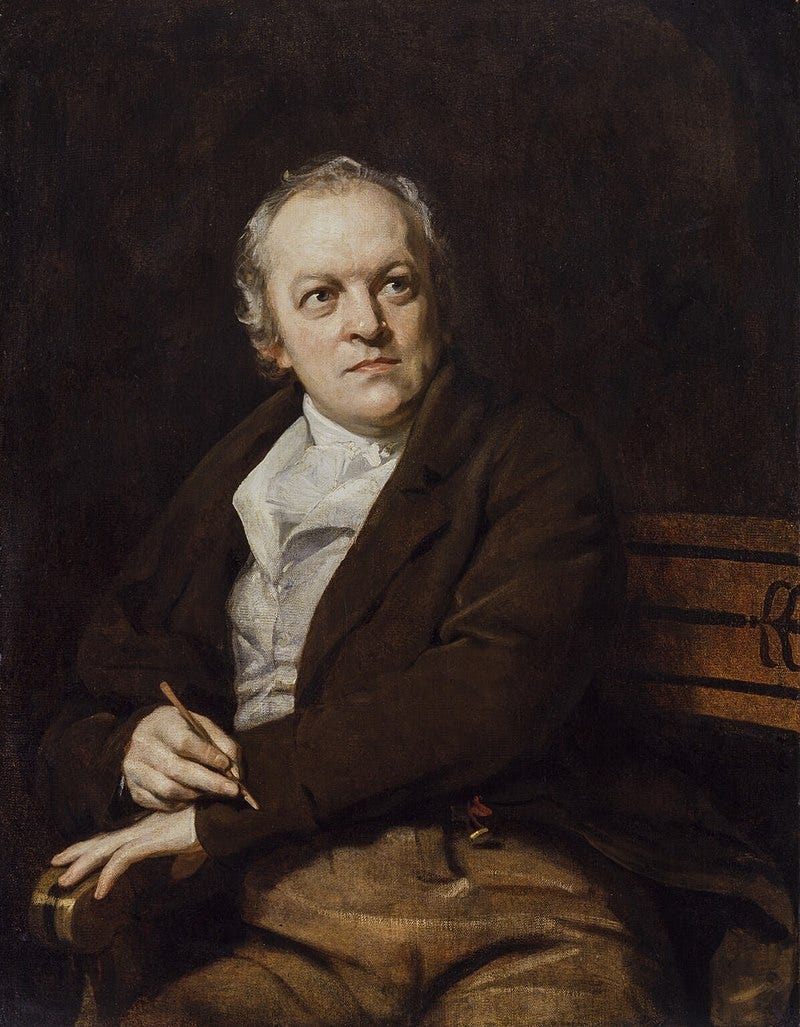
The voice in Blake’s poem about a garden he visited in his childhood days becomes louder when describing how much it (life) has changed. Is he talking about the garden, itself, or life in the church?
The Garden of Love
I went to the Garden of Love, And saw what I never had seen; A Chapel was built in the midst, Where I used to play on the green.
And the gates of this Chapel were shut And “Thou shalt not,” writ over the door; So I turned to the Garden of Love That so many sweet flowers bore.
And I saw it was filled with graves, And tombstones where flowers should be; And priests in black gowns were walking their rounds, And binding with briars my joys and desires.
An analysis of ‘The Garden of Love’
First, Blake’s poem contains a lot of imagery. While reading, there is an experience whether momentary or across a period of time. I envision his return to a place where he had visited a lot as a child and it was no longer the same as it had once been.
He is wiser. Maybe a chapel was built in the background, or maybe he had noticed it more for the first time, including its effects. His value of the garden when he was younger was simply a playground.
His life was happier as a child. As he grew into adulthood, everything the chapel represented came to the forefront of his life, including what he disagreed with which had an underlying tone of concern for society.
In the second stanza, he notices all the rituals and expectations of the chapel, all the “Do this, don’t do that’s” which are unspokenly scripted all over the door. Naturally, it’s better to focus on the effects of the Garden of Love. As a child, imagination is on fire, there are no burdens and now, as an adult, the garden is in despair.
In studying Blake’s life, he was a Christian and while following the philosophical ideas of a Swedish scientist and theologian, Swedenborg, further thought processes of Blake led into areas of mysticism and the occult (supernatural phenomena).
In studying the human condition or state of the human soul, during the era he lived, he displayed philosophies of what was deemed as bad due to the belief of original sin versus choice. See his Songs of Innocence and Songs of Experience.
The Garden of Love seems to represent the ritualistic nature of religion and how, if chapel represents man-made religion, if you will, churches generally placed direct restrictions on people such as how they should pray or how they should interpret readings from the Bible. In referencing the unspoken idea of choice, the language in the scriptures is also dependent upon a reader’s perspective or perception.