
LIFE LESSONS FROM FALLING
A Bloody Eyebrow, a Fuzzy Brain, and an Important Life Lesson in Slowing the F Down
My walk across the street brought ongoing pain and unexpected wisdom

I have a tendency to injure myself in fun and interesting ways.
In high school, I split my thumb wide open in the middle of a swim meet on a defective touchpad and ended up with 12 stitches.
In elementary school, I chipped my front tooth in the shower while leaning forward to catch the drops of water in my mouth.
I spent the next 20+ years finding unfortunate ways to break off the veneer they put to fix the chipped tooth, including:
- Getting drunk on a playground at night in high school
- Eating a piece of candied ginger in a Trader Joe’s checkout line
- Biting into a fresh bagel with lox in Brooklyn
- Attempting to de-escalate a toddler in the middle of her meltdown
Given my history, it shouldn’t have come as a surprise that I found an unusual way to fall down. Rather — it was actually an absurdly normal way to fall.
But unlike my other injuries, this one came with an important life lesson.
I had just dropped off my youngest son at our nanny share. I was merely walking across the street, no device in my hands to distract me. I looked both ways, saw no cars, and crossed.
The next thing I knew, I had tripped and smashed my forehead directly into the pavement.
I stood up, bewildered, and knew something was horribly wrong. I could feel the blood running into my eye and down my cheeks, but I walked straight home as fast as I could.
When I pushed open our front door, my husband came rushing downstairs and helped me stop the bleeding with a towel. I kept asking him how bad it looked, afraid to look in the mirror myself.
My head ached terribly — it felt like someone had smashed a bowling ball right into my right eyebrow.
I made it to the ER and waited the requisite 6–9 hours in excruciating pain and utter boredom, as my head hurt too much to read and blood kept dripping into my eye when I tried. I left the ER that evening with a bunch of stitches above my eye and a head CT scan that showed no bleeding in my brain.
I figured the worst was over. But it wasn’t until a few days later that I realized the extent of my injuries.
I thought everything was fine, so I jumped right back into my normal routine, albeit with an inflamed black eye and bandage.
My school was still virtual then, so my work days were contained within a computer screen. I sat all day in Zoom meetings with my giant bandage, staring at my computer screen and explaining to my colleagues why I looked like I’d just been in a boxing match.
Until one day in the middle of a work call, my eyes felt like they were two electrical sockets. The screen was too painful to look at directly, and any light bothered me.
These symptoms, plus dizziness and ongoing headaches, made it clear that I had suffered a concussion.
The thing about concussions is that they can’t really diagnose them with a scan or other diagnostic tool. The ER doctors checked for a serious brain bleed in my CT scan, but that’s where their work ended. They told me to look out for the symptoms of a concussion, but they didn’t give me any guidance on what I should do once I felt them.
I wrongly assumed, as I have in so many moments of medical need, that someone would be looking out for me or guiding me about my health. But I had to do that work myself.
As my symptoms became more severe, I sought out the care of my primary care doctor. She diagnosed a concussion in a few minutes, and she informed me that I needed to reduce sensory inputs to my brain as much as possible.
That included computer screens, reading, writing, music, podcasts, and audiobooks.
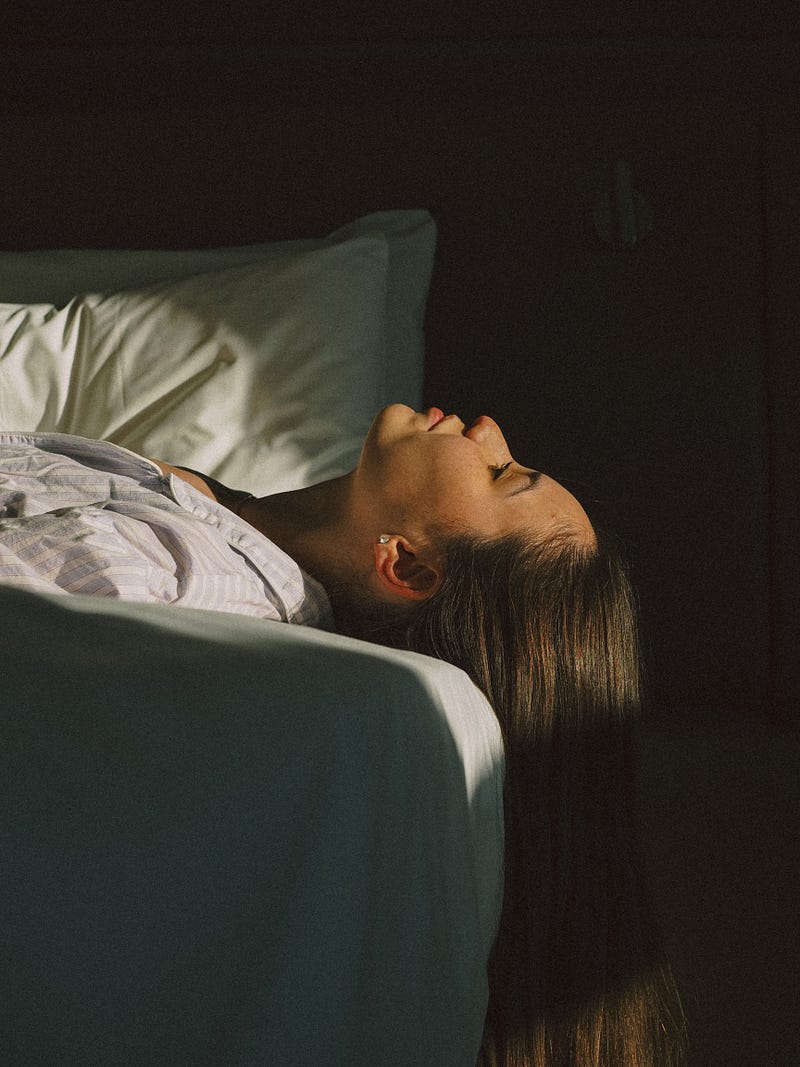
A brain recovering from a concussion needs calm, quiet, and dark rooms.
And yet modern life, especially while parenting two young children during a pandemic, tends to be filled with the opposite of those remedies.
So the changes I made had to be drastic. The hardest part of all was truly listening to my doctor’s advice about sensory inputs, but I tried:
- I took some medical leave from work.
- I limited my screen time to 30 min a day, total.
- When my hand automatically reached for my phone, I put it on the other side of the room so I wouldn’t be tempted to look.
- My husband had to step in to provide more childcare. Some nights, I went to bed even earlier than my children did.
- I spent long afternoons lying in my bed in the dark, with no Kindle, Netflix, or even a podcast to stimulate me.
This work took intense effort. I realized that doing nothing at all was something I had never done.
The experience was the closest I’ve ever come to developing a meditation practice, and I got better at it over time.
I spent that time in the dark focusing on my breathing or imagining a blank piece of paper when I closed my eyes. Sometimes I simply allowed myself to fall asleep.
Over time, my scar lightened, and my eyes tolerated more light. I began resuming my normal life again, though slowly. It took months to feel normal again.
I wish I could say that now, nearly two years later, I have become a zen master who learned to be completely comfortable with silence and limited screen time. Unfortunately, the mental benefits of my injury didn’t go that far.
But my concussion did teach me to slow down.
I started recognizing how often I tended to double or even triple my sensory inputs for no reason. I started noticing that my default mode was to check my phone and listen to a podcast while going on a walk, or to do a crossword puzzle on my phone while watching a movie.
My injury taught me to recognize that my reaction to mental stress is often to add even more stress to my brain. I may not have reached a perfect balance yet, but I now notice when I am going too far and am better equipped to dial it back when I need to.
In the end, that simple walk across the street brought me a whole lot of inconvenience and ongoing pain.
But it also gifted me an important reminder to slow down, put my phone away, and breathe.
If you’re not yet a Medium member and want to read unlimited stories like mine, click on my referral link here.
If you enjoyed this story, sign up here to join my newsletter and learn when I publish next. Here are two more stories you might enjoy…