
A Better Way To Teach History
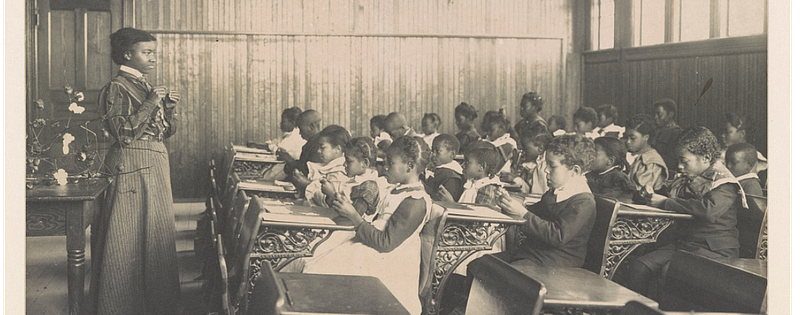
Old Methods
Long ago history was often taught via rote memorization. Rote learning is a method of memorization in which students repeat information over and over again until they can recall it without thinking. This method of teaching was common in the past, particularly in subjects such as history and mathematics. Students were often required to memorize dates, names, and events without any context or understanding of why they were considered important.
Some schools still teach a large chunk of history by making students a list of dates and events to memorize, without any real understanding of the context or why these events are considered important.
Teaching history in this way can make it difficult for students to understand the relevance and importance of historical events and can lead to a lack of engagement and interest in the subject. Students are more likely to retain information and develop a deeper understanding of historical events when they are provided with context and background information, and when they are given the opportunity to explore and analyze historical events from multiple perspectives.
Primary Sources
One way to make history more engaging and meaningful is to incorporate primary sources, such as letters, diaries, and photographs, into the curriculum. These primary sources provide students with a glimpse into the past through the lense of people who actually lived there. It allows them to connect to people who are long gone and can help them to understand the experiences and perspectives of those people.
We tend to remember things better when they relate to people because our brains are wired to pay attention to and remember information that is relevant to our social relationships and interactions. The human brain is highly attuned to social cues and information, and our capacity to remember and recall information is often enhanced when it is related to people.
Experiential Learning
Another approach is to use experiential learning, such as field trips and historical simulations, which can help students to understand how historical events have shaped the world we live in today.
Learning with field trips and historical simulators ensures that students are actively engaged, meaning their mind is processing it, (rather than letting it float through their head). It also allows students to use more of their senses building more pathways in their brain to access the information. It can also give them a greater opportunity to connect emotionally with the subject.
Making history more engaging and meaningful requires a shift away from rote memorization and towards a more interactive and analytical approach that provides students with the context and background information they need to understand and connect with historical events.

If you enjoyed this article and are considering becoming a medium member, so you can read unlimited articles on medium, please consider using my link to give me a part of your membership costs at no extra cost to you: