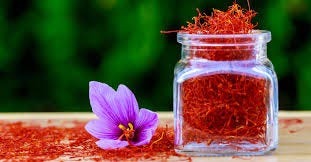
A ‘Better’ use for your Saffron?
Not just a spice for cooking! Did you know that Saffron has been shown to have positive effects on anxiety and depression?
In fact, it has shown to be as effective as prescription based drugs but with fewer or no side effects?! Like anything else, we want to be sure to use saffron safely and effectively — short term use in specified quantities. As always, be sure to consult your Medical/Mental Health Team/Professional, and/or Pharmacists.
“The spice saffron was as effective as the antidepressants fluoxetine and imipramine in reducing symptoms of mild-to-moderate depression in adults, according to a meta-analysis published in Human Psychopharmacology.” Saffron as Effective as Some Antidepressants
As a Holistic Practitioner, I strive to find more holistic options for myself first; however, I also love and respect science and allopathic medicine — in fact, I have considered becoming an Osteopath, just not sure I want the mountain of debt and target permanently place on my back…(whole other topic). Osteopaths tend to have a great balance between allopathic and holistic medicine that I truly admire and appreciate.
Anyway, as best I can, I try to live a healthy lifestyle and lead by example; however, I am not perfect and I have much to learn (always will), but so don’t we all (forever and always)?!
I digress… again. Many herbs and spices have wonderful positive impacts on our health when used appropriately — just like so many things in life.
Upon Google searching, one can find an abundance of articles and research about the study and effects of saffron. Even so, it begs the question: Is There a Role for Saffron Phytotherapy in Treating Depression? Personally, I have tried it and told clients about it. Did it help? Yes, yes it did. Was is safe? Yes, yes it was. Will that always be true? Unfortunately, no. As much as we are all the same, we are also different.
As an herbalist, I have instructed clients on how to make a tincture such as saffron. Always with the same caveat as the top of this article: to consult with your medical doctor/professional. Most herbal remedies are very safe; however, as with anything, someone may have underlying conditions, allergies, contraindications of various kinds including current medications, etc. Always best to do your research and be as safe as possible.
Although it was from an unexpected source, I really liked this article:
“A tincture is a concentrated alcoholic extract of plant material, explains Dr. Mary Bove, a medical educator at Gaia Herbs. Tinctures are made by soaking chopped, puréed, or gently bruised roots, leaves, and herbs in a combination of high-proof alcohol (frequently ethanol at a manufacturer level) and water.” Tinctures Are the (Totally Legal) Frontier of Herbal Healing
Tinctures are potent, an in my experience, effective medicinal ‘treatments’ that are more well-rounded yet slower than perscription drugs. For those who do not know, Aspirin comes from the bark of the White Willow tree; however, the ‘active’ ingredient is separated out and concentrated. Herbalists believe in the balance, design, and intelligence of nature and Mother Earth — meaning that the whole plant material offers many benefits and typically less side effects… (Once again, whole other article)
Now, on to the how to of making your very own Saffron Tincture:
This is something I have used myself for depression and recommended to family, friends, and clients, interested in more holistic approaches (and with great success). *As with anything, be sure to do your research and check with your doctor, mental health professional, pharmacists, etc.*
- Usually I take 1 gram of saffron (often how it is sold in the spice section at the grocery store) and place into either a 4 or 8 ounce mason jar (either way is fine — depends on how potent you want it to be).
- Once the saffron is in the jar, pour vodka over the plant material so that it is covered and/or the jar is full. Leave in the jar to soak typically 4–8 weeks, but if you need it sooner make two at the same time and soak the first for 2–4 weeks.
- After it has soaked, pour through a cheesecloth or strainer. Once you have separated the plant material (in this case, saffron) from the liquid (in this case vodka), you may discard the plant material into your compost or garbage.
- Storage of the tincture is your choice, but I like the dropper bottles.
- Dosage can vary, but I start slow and add as I need to. Try with 10–15 drops once per day and if needed try a second dose (smaller to start for both morning and evening).
This is one way to create your own tincture. For great reference material about Herbals and how to use them effectively, safely, and with love, check out Rosemary Gladstar — founder of Traditional Medicinals Tea.
If you search, you can find all kinds of articles and studies about the use of saffron to treat anxiety and/or depression in conjunction with medication, by itsel, and compared to a placebo. Here are just a few for those interested.
As always, please be safe. Have compassion and patience for yourself. Good Luck with your journey and God Bless.
To Your Health & Wellness, Happiness, and Well-being. With Love, Light, and Blessings ❤
Your Idealistic HolisticNerd ~ ❤ Mind ❤ Body ❤ Spirit/Soul ❤ ~
(Note: Any links/books/etc. mentioned in the article are NOT affiliate links, and I do NOT earn any commission.)
PS — Just a few tips. Please read. —
Anything underlined in people’s articles/stories are links you can click on — such as my about page listed below. Bold and italic are just for emphasis.
Also, you can comment, highlight, and even clap up 50 times — helping a story become more viewed/popular! For only $5/month or $50/year you can become a member and your membership fee directly supports writers on Medium that you read — it changes people’s lives, including your own!
If you would like to sign-up, please click this link as it directly helps me, HolisticNerd — you are awesome — thank you, Thank you, Thank You!
Please see my about page for my educational background, additional info about me, and any additional disclaimers.