tion to squiggly, hard-to-remember wallet addresses, is a decentralized domain name system built on the Ethereum blockchain. Think of it as a map for Ethereum. It assigns simple, memorable names to complex Ethereum addresses, making them easier to share and use.</p><p id="5754">The ENS registry, the heart of the ENS system, stores all ENS domains. Each domain corresponds to an owner (an Ethereum address), a resolver (a contract that translates the name into two common records: address and multihash), and a time-to-live (TTL, which aids in caching the resolver and address).</p><h1 id="3901">DNS — The Internet’s Guide</h1><figure id="db96"><img src="https://cdn-images-1.readmedium.com/v2/resize:fit:800/1*[email protected]"><figcaption></figcaption></figure><p id="189d">DNS, on the other hand, is a hierarchical and decentralized naming system for devices connected to the internet. It translates more friendly domain names to the numerical IP addresses needed for locating and identifying computer services and devices.</p><div id="4d3f" class="link-block">
<a href="https://medium.com/@brantly.eth/step-by-step-guide-to-importing-a-dns-domain-name-to-ens-d2d15feb03e8">
<div>
<div>
<h2>Step-by-Step Guide to Importing a DNS Domain Name to ENS</h2>
<div><h3>This guide will give you step-by-step instructions of how to import a DNS domain name you already own into ENS.</h3></div>
<div><p>medium.com</p></div>
</div>
<div>
<div style="background-image: url(https://miro.readmedium.com/v2/resize:fit:320/1*OvH16bPYZeVLfzR0-wBQlg.png)"></div>
</div>
</div>
</a>
</div><p id="220b">When you type a website URL into your browser, the DNS servers take that input and translate it into the unique internet protocol (IP) address that allows your browser to access the desired web page.</p><h1 id="1c3d">The Harmony Between ENS and DNS</h1><figure id="bc4b"><img src="https://cdn-images-1.readmedium.com/v2/resize:fit:800/1*[email protected]"><figcaption></figcaption></figure><p id="f7a6">DNS and ENS work together to simplify your interaction with blockchain technology. A key aspect of this relationship is DNSSEC (Domain Name System Security Extensions). DNSSEC offers a layer of security to the standard DNS protocol by ensuring the data integrity through digital signatures.</p><p id="ce67">To connect your DNS domain with ENS, you’ll need to enable DNSSEC on your domain, create a specific TXT record in your DNS zone, and then register the name into ENS. While the process might sound complex, it’s quite straightforward. The primary aim is to provide an additional layer of usability and functionality to your Ethereum-based projects or assets.</p><h1 id="8cb1">ENS — Taking Blockchain to the Next Level</h1><figure id="c5fa"><img src="https://cdn-images-1.readmedium.com/v2/resize:fit:800/1*[email protected]"><figcaption></figcaption></figure><p id="8615">ENS has broadened the horizon for Ethereum users. Not only does it replace long, complicated Ethereum addresses with simple, memorable ones, but it also allows users to attach extra information to their ENS names, such as decentralized website content, profile information, and more.</p><figure id="3405"><img src="https://cdn-images-1.readmedium.com/v2/resize:fit:800/1*[email protected]"><figcaption></figcaption></figure><p id="5d7f">The integration between ENS and DNS provides a gateway for traditional internet users to seamlessly interact with blockchain technology. It’s a testament to how blockchain technology is becoming increasingly entwined with our daily lives.</p><h1 id="fa6a">Conclusion</h1><figure id="3f44"><img src="https://cdn-images-1.readmedium.com/v2/resize:fit:
Options
800/1*[email protected]"><figcaption></figcaption></figure><p id="a3f8">ENS and DNS are integral components of navigating the digital cosmos. By connecting the traditional internet with the emerging blockchain world, they create a bridge to a future where the line between these two domains is indistinct.</p><p id="81e9">Understanding ENS and DNS is your first step into this expansive universe. So, strap on your explorer gear, ignite your curiosity, and prepare for a journey of discovery.</p><h2 id="89ca">Services provided by ENS:</h2><figure id="2c64"><img src="https://cdn-images-1.readmedium.com/v2/resize:fit:800/1*[email protected]"><figcaption></figcaption></figure><figure id="ef90"><img src="https://cdn-images-1.readmedium.com/v2/resize:fit:800/1*[email protected]"><figcaption></figcaption></figure><figure id="9fd5"><img src="https://cdn-images-1.readmedium.com/v2/resize:fit:800/1*[email protected]"><figcaption></figcaption></figure><p id="69a7"><b>Domain Name Registration:</b> Register a .eth domain name that can be used instead of your public address.</p><p id="253f"><b>Subdomain Creation:</b> Set up subdomains for different Ethereum addresses.</p><p id="1de0"><b>Content Hosting: </b>Link decentralized web content (stored on IPFS or Swarm) to your .eth domain.</p><h2 id="eb78">How to use these services:</h2>
<figure id="6105">
<div>
<div>
<img class="ratio" src="http://placehold.it/16x9">
<iframe class="" src="https://cdn.embedly.com/widgets/media.html?src=https%3A%2F%2Fwww.youtube.com%2Fembed%2FV-7PahpEG40%3Ffeature%3Doembed&display_name=YouTube&url=https%3A%2F%2Fwww.youtube.com%2Fwatch%3Fv%3DV-7PahpEG40&image=https%3A%2F%2Fi.ytimg.com%2Fvi%2FV-7PahpEG40%2Fhqdefault.jpg&key=a19fcc184b9711e1b4764040d3dc5c07&type=text%2Fhtml&schema=youtube" allowfullscreen="" frameborder="0" height="480" width="854">
</div>
</div>
</figure></iframe></div></div></figure><ol><li>Go to <a href="https://app.ens.domains">app.ens.domains</a>.</li><li>Connect your Ethereum wallet.</li><li>Search for the .eth domain you want to register or manage.</li><li>Follow the prompts to register a new domain, set up subdomains, or add content records.</li><li>Confirm the transactions in your Ethereum wallet.</li></ol><div id="1a24" class="link-block">
<a href="https://readmedium.com/crumb-snatchers-cryptodex-the-fresh-face-s-guide-to-the-crypto-universe-b229f4400f63">
<div>
<div>
<h2>Crumb Snatcher’s CryptoDex: The Fresh Face’s Guide to the Crypto Universe📱🤳🏽🌐</h2>
<div><h3>Your Simple, Straight-Shooting Guide to the Fundamentals of Cryptocurrency</h3></div>
<div><p>medium.com</p></div>
</div>
<div>
<div style="background-image: url(https://miro.readmedium.com/v2/resize:fit:320/1*[email protected])"></div>
</div>
</div>
</a>
</div>
<figure id="ab00">
<div>
<div>
<img class="ratio" src="http://placehold.it/16x9">
<iframe class="" src="https://cdn.embedly.com/widgets/media.html?src=https%3A%2F%2Fwww.youtube.com%2Fembed%2FrW0r9C-QS8Y%3Ffeature%3Doembed&display_name=YouTube&url=https%3A%2F%2Fwww.youtube.com%2Fwatch%3Fv%3DrW0r9C-QS8Y&image=https%3A%2F%2Fi.ytimg.com%2Fvi%2FrW0r9C-QS8Y%2Fhqdefault.jpg&key=a19fcc184b9711e1b4764040d3dc5c07&type=text%2Fhtml&schema=youtube" allowfullscreen="" frameborder="0" height="480" width="854">
</div>
</div>
</figure></iframe></div></div></figure><p id="8d8c">Don’t miss out on this unique and fun experience!</p></article></body>
A Beginner’s Guide to ENS and DNS 🔍 🌐
ENS and DNS, the tech twins that navigate the internet and blockchain.
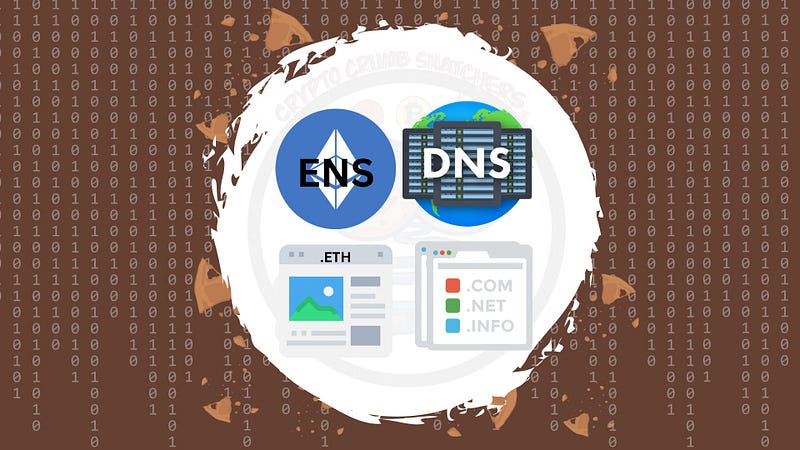
In this tech-driven era, navigating the internet or blockchain is like exploring a complex maze. This maze’s twists and turns, ENS (Ethereum Name Service) and DNS (Domain Name System), are the compasses guiding us. But what exactly are they, and how do they function?
Imagine the internet as an enormous city, with each website being a building. To reach a specific building, you need an address. That’s where DNS comes in. It converts the easy-to-remember domain names, such as ‘google.com,’ into an IP address, the real ‘numerical’ address of the website.
Now, ENS operates on a similar principle, but within the Ethereum blockchain. Instead of navigating websites, ENS helps us find wallets, smart contracts, and other blockchain-based assets. It converts human-friendly names, like ‘yourname.eth,’ into machine-readable identifiers.
Breaking Down ENS and DNS
ENS — The Ethereum Map
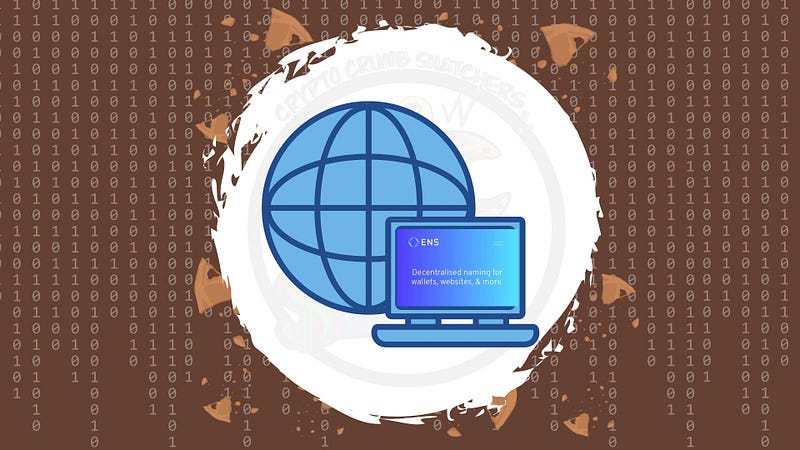
ENS, Ethereum’s solution to squiggly, hard-to-remember wallet addresses, is a decentralized domain name system built on the Ethereum blockchain. Think of it as a map for Ethereum. It assigns simple, memorable names to complex Ethereum addresses, making them easier to share and use.
The ENS registry, the heart of the ENS system, stores all ENS domains. Each domain corresponds to an owner (an Ethereum address), a resolver (a contract that translates the name into two common records: address and multihash), and a time-to-live (TTL, which aids in caching the resolver and address).
DNS — The Internet’s Guide
DNS, on the other hand, is a hierarchical and decentralized naming system for devices connected to the internet. It translates more friendly domain names to the numerical IP addresses needed for locating and identifying computer services and devices.
When you type a website URL into your browser, the DNS servers take that input and translate it into the unique internet protocol (IP) address that allows your browser to access the desired web page.
The Harmony Between ENS and DNS
DNS and ENS work together to simplify your interaction with blockchain technology. A key aspect of this relationship is DNSSEC (Domain Name System Security Extensions). DNSSEC offers a layer of security to the standard DNS protocol by ensuring the data integrity through digital signatures.
To connect your DNS domain with ENS, you’ll need to enable DNSSEC on your domain, create a specific TXT record in your DNS zone, and then register the name into ENS. While the process might sound complex, it’s quite straightforward. The primary aim is to provide an additional layer of usability and functionality to your Ethereum-based projects or assets.
ENS — Taking Blockchain to the Next Level
ENS has broadened the horizon for Ethereum users. Not only does it replace long, complicated Ethereum addresses with simple, memorable ones, but it also allows users to attach extra information to their ENS names, such as decentralized website content, profile information, and more.
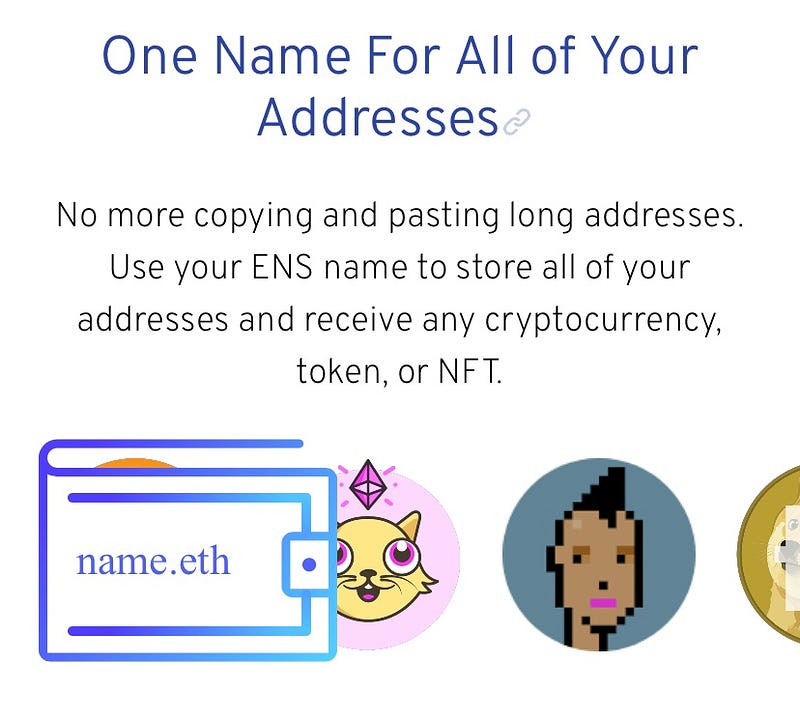
The integration between ENS and DNS provides a gateway for traditional internet users to seamlessly interact with blockchain technology. It’s a testament to how blockchain technology is becoming increasingly entwined with our daily lives.
Conclusion
ENS and DNS are integral components of navigating the digital cosmos. By connecting the traditional internet with the emerging blockchain world, they create a bridge to a future where the line between these two domains is indistinct.
Understanding ENS and DNS is your first step into this expansive universe. So, strap on your explorer gear, ignite your curiosity, and prepare for a journey of discovery.
Services provided by ENS:
Domain Name Registration: Register a .eth domain name that can be used instead of your public address.
Subdomain Creation: Set up subdomains for different Ethereum addresses.
Content Hosting: Link decentralized web content (stored on IPFS or Swarm) to your .eth domain.