
A Beach Paradise Between Two Power Plants: Indiana Dunes National Park
Park #3 of 63
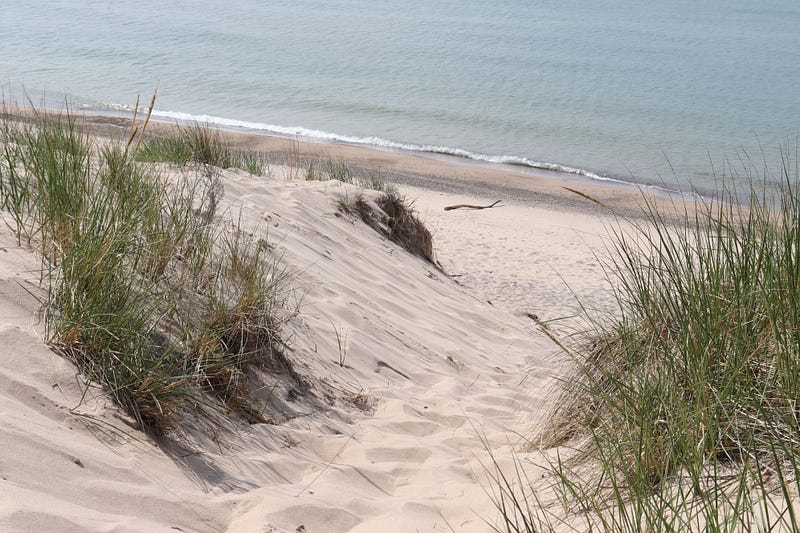
When I think of Indiana, I don’t usually think of a beach vacation — but that’s exactly what I ended up experiencing when I visited this past week!
As some of you probably already know, I have a goal of visiting every national park in the US. I had already visited Yellowstone and Grand Teton, and for the last couple of months, I’d been trying to decide which one to add next. I was considering several closer to the East Coast, but instead, I ended up seeing one of the relatively few Midwest parks due to a trip to visit friends in Chicago (Indiana Dunes is about a one-hour drive from the city or a two-hour train ride).
I started off at the visitor’s center, where I watched a short film about the park. I love beginning my visits this way because it provides a bit of history and context for what I’m about to see on my hikes.
From there, I headed to the far eastern edge of the park, which is where the tallest dune, Mount Baldy, is. While it’s a beautiful section of the park, the view is unfortunately marred by a power plant, which brings me to some sad history.
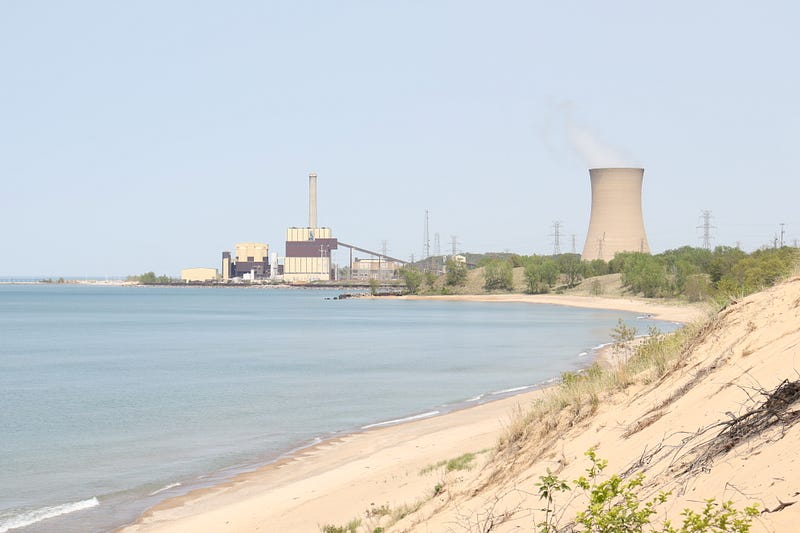
In the early part of the 20th century, sand from one of the largest dunes (called Hoosier Slide because of the popular activity of sliding down it) was shipped away for glass manufacturing. By 1920, it was completely gone. In its place, they built the power plant seen in the photo above (you can read more about this and the history of the park here). There’s another power plant on the opposite end of the park as well.
Needless to say, this made me simultaneously depressed and furious. But, at the same time, I’m very grateful that the rest of the dunes are now protected.
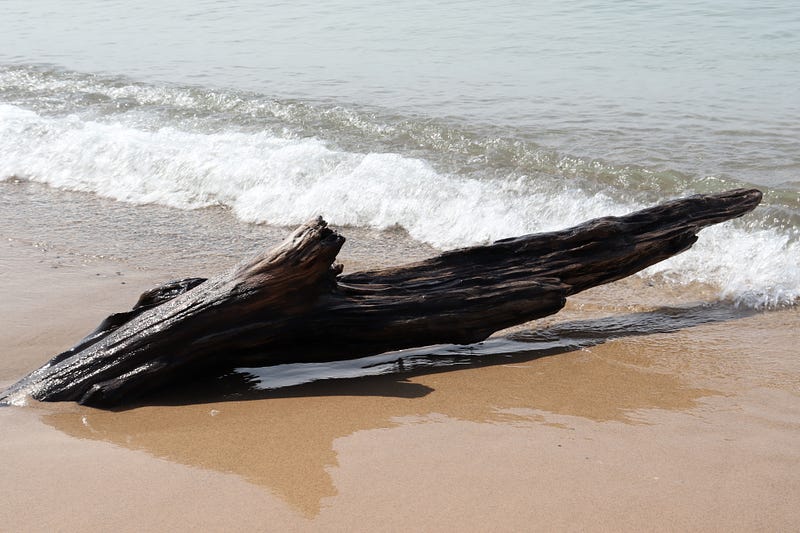
I made my way west from there to Dunbar Beach. It was such a nice day that I decided to get in the water — yes, it was frigid, but I still thoroughly enjoyed it.
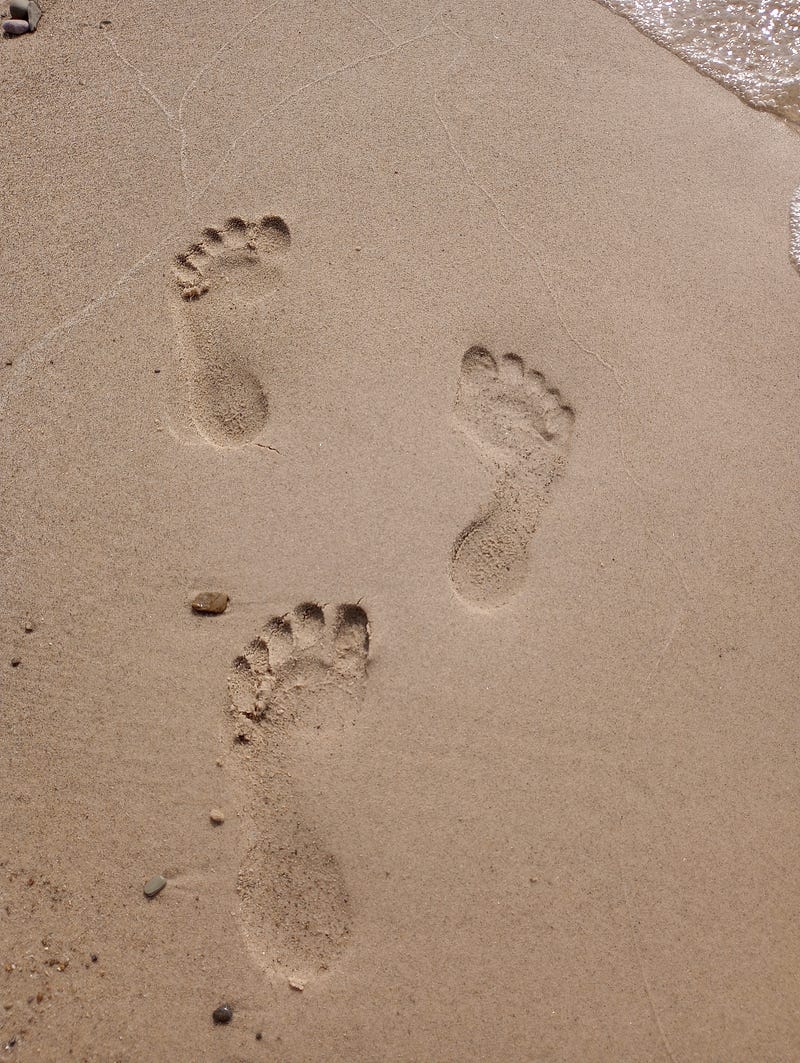
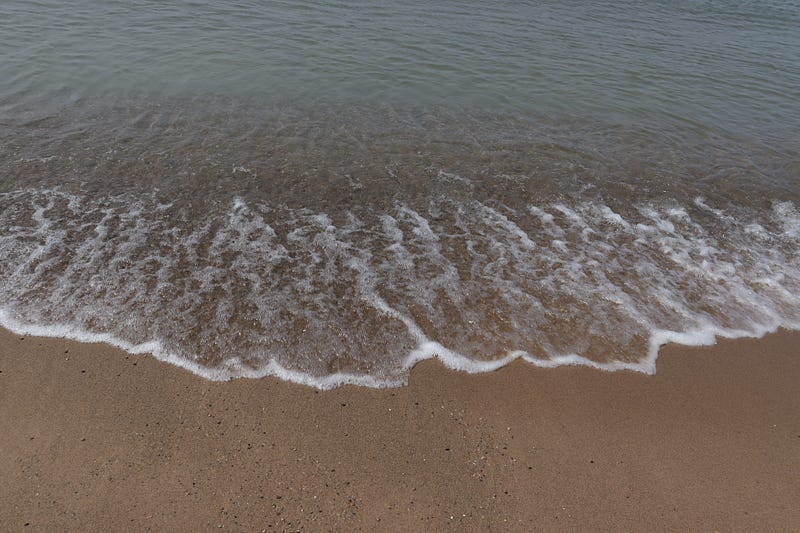
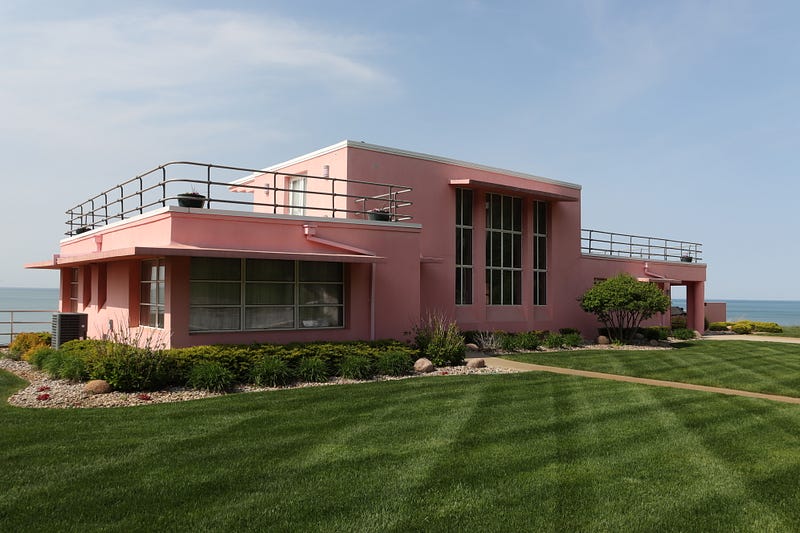
Nearby was one of the most interesting parts of the park: the Century of Progress homes. Built for the 1933 Chicago World’s Fair, the houses showcased both modern architectural style and new technologies. My favorite was the “Florida House.” As you might be able to guess from the name, it was sponsored by the state of Florida, and inspired in part by an ocean liner.
In case you’re getting the impression that the lakeshore is all there is at Indiana Dunes, though, let me just take this opportunity to say that it’s much, much more than that! There are many hiking trails to choose from, some of which take you through forests and marshes. I particularly enjoyed the Dune Ridge Trail.
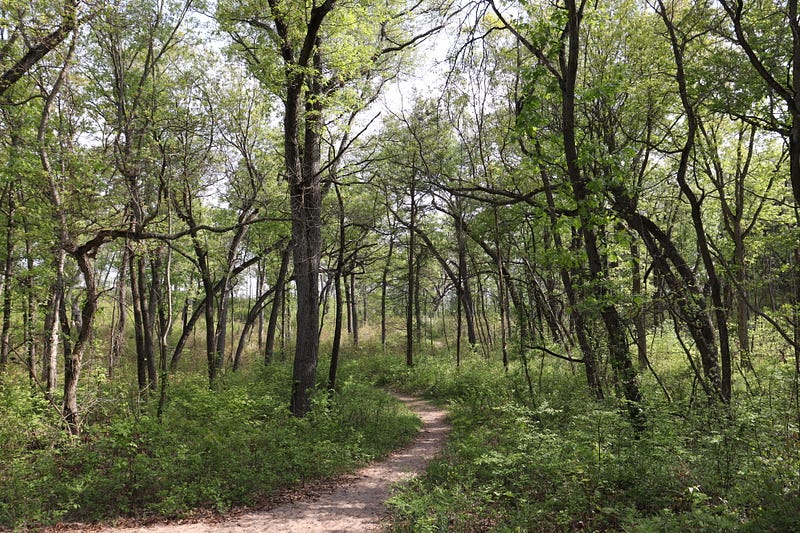
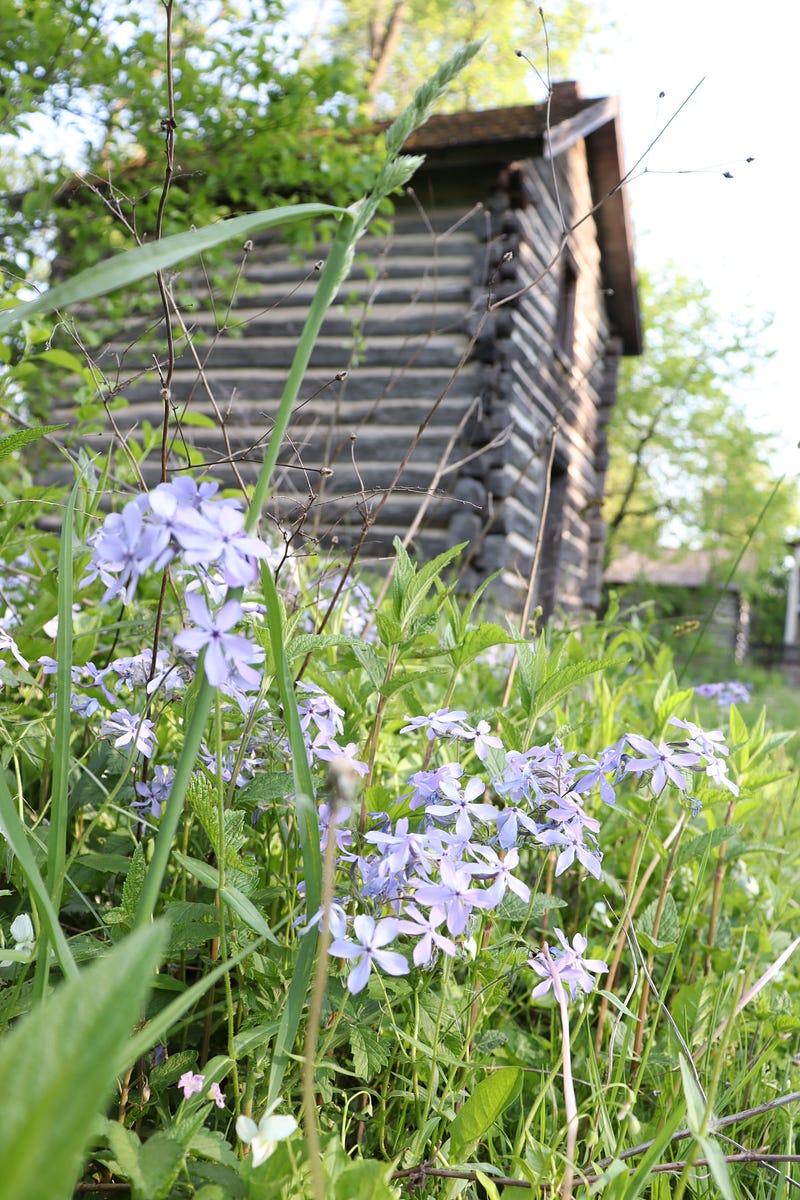
At first I was surprised to learn that Indiana Dunes is the fourth most bio-diverse park in the national park system, but once I started exploring it was obvious that this was true! I was completely awed by the many varieties of plants, especially the flowering ones.
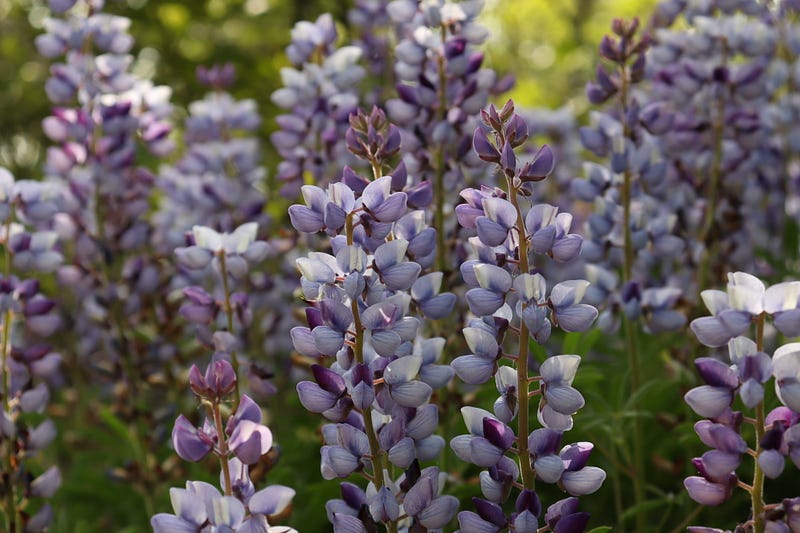
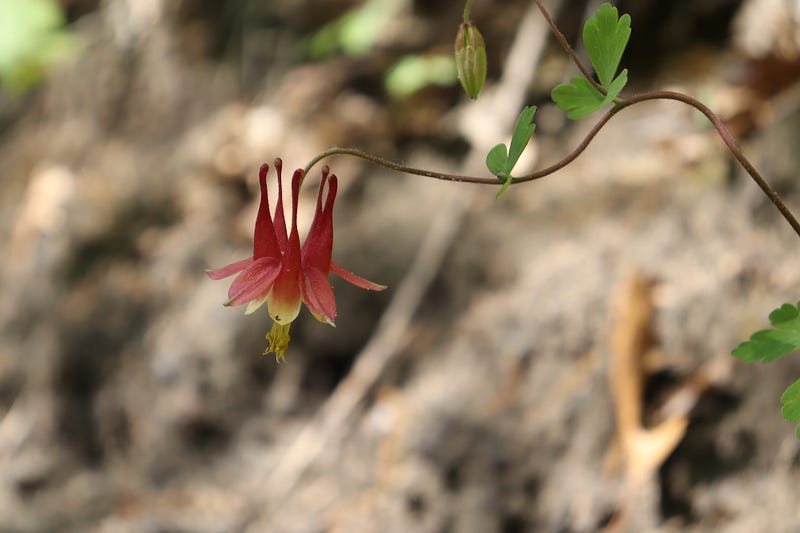
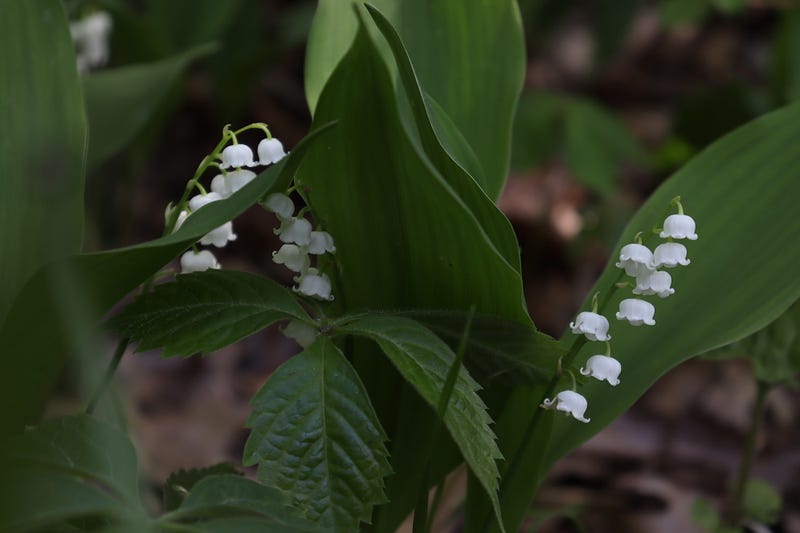
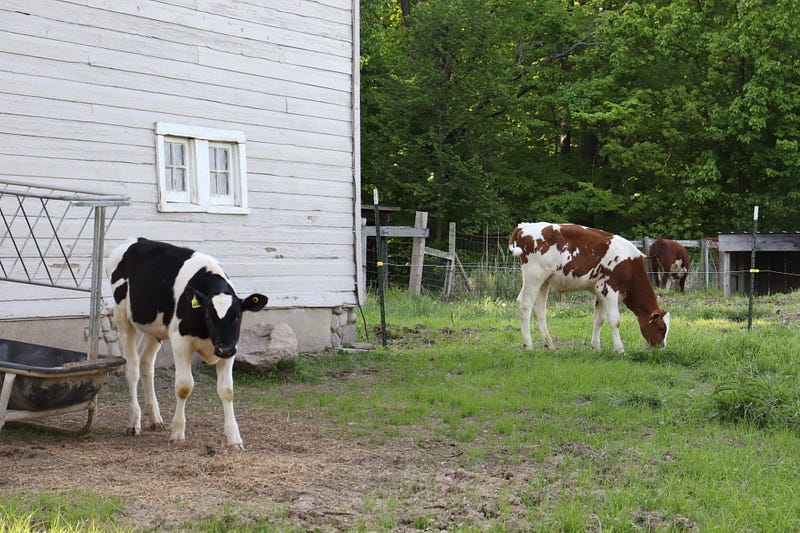
The final hike that I did was the Bailly Homestead and Chellberg Farm trail. It was a very pretty wooded trail that went past a couple of historical sites, and though I was tired from hiking up and down the dunes all day, I was glad not to have missed these — especially the baby cows!
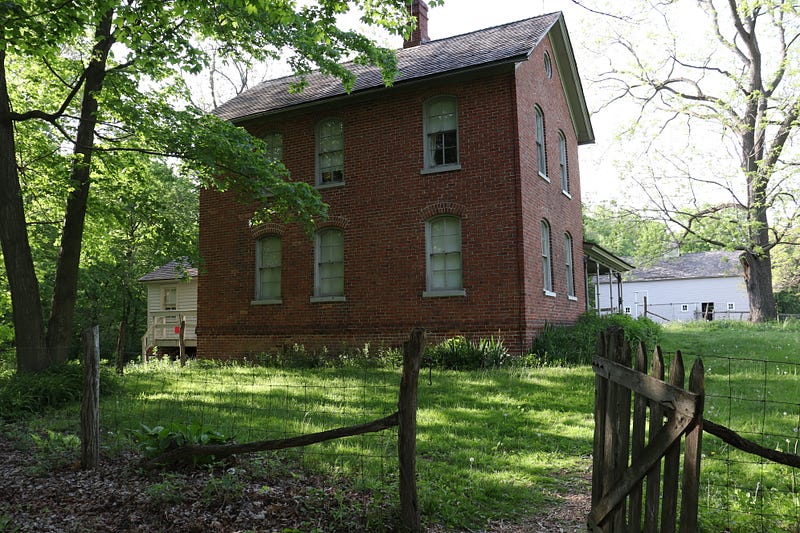
Want to read about my other national park adventures? Check them out here:
A Trip Through Wyoming’s National Parks: Yellowstone and Grand Teton
Parks #1 and 2 of 63
medium.com
If you would like to support my writing, please consider clicking the follow and subscribe buttons! Additionally, you can sign up to be a Medium member here: https://medium.com/@claireelizabeth21/membership (I will get a small commission). It’s only $5 a month, and gives you access to an unlimited number of stories by me and many other writers!


