
I Fled the Land of the Free for an Authoritarian Regime
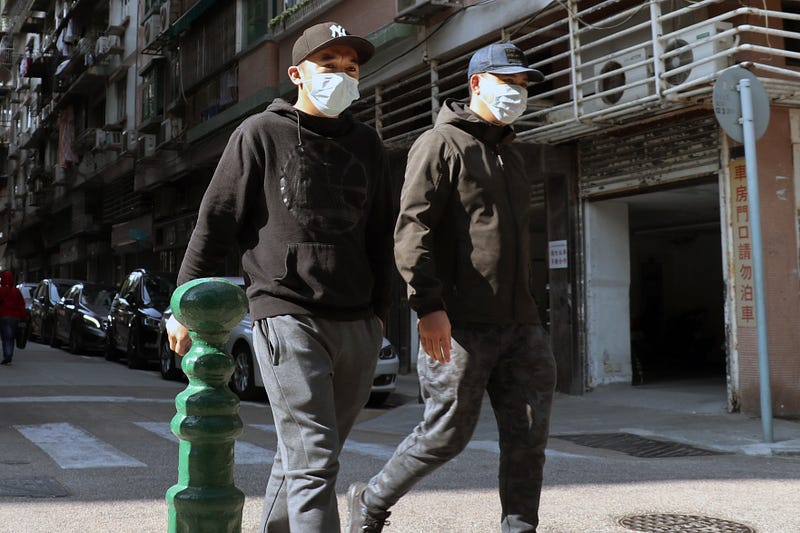
In 2020 January 20th, I was in a Massachusetts high school worrying about the fate of my parents in China amid the coronavirus outbreak. On March 19th, 2020, my parents in Shanghai were worrying about my fate as I started the 40-hour journey home.
March 19th, 9:30 pm in New York at John F. Kennedy Airport. Most people did not seem bothered by the 18,170 infected cases in the United States that day. Many were not wearing masks as they waited in crowded lines. I stuck out like a sore thumb with my surgical gloves and mask until I saw the winding path of mask-wearing Asians in front of my boarding gate.
March 20th, 6 pm at Shanghai Pudong Airport. After we landed, the flight captain broadcasted the names and dates of birth of individuals who transferred via designated places. Officials asked them to leave first. For the rest of us, we were “dismissed” from the planes in rows. All the volunteers and health workers wore full suits and visors. It reminded me of the sci-fi movies I have watched. Detectors automatically recorded every passenger’s temperature. I was ordered to scan various QR codes to fill out declaration forms that asked for my flight number, passport number, recent travel history, and current health. I reported my final destination and was ushered, along with other Shanghainese residents, into a bus that took us to the mandatory quarantine center.
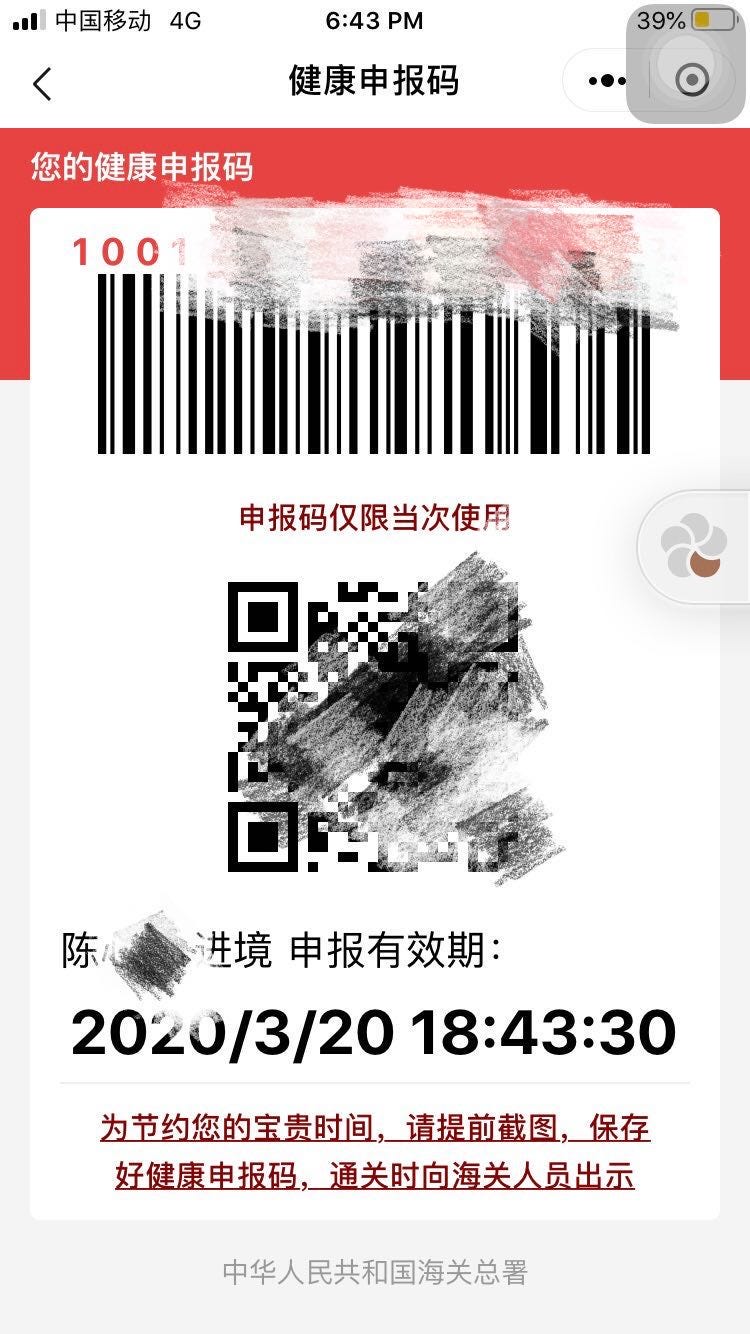
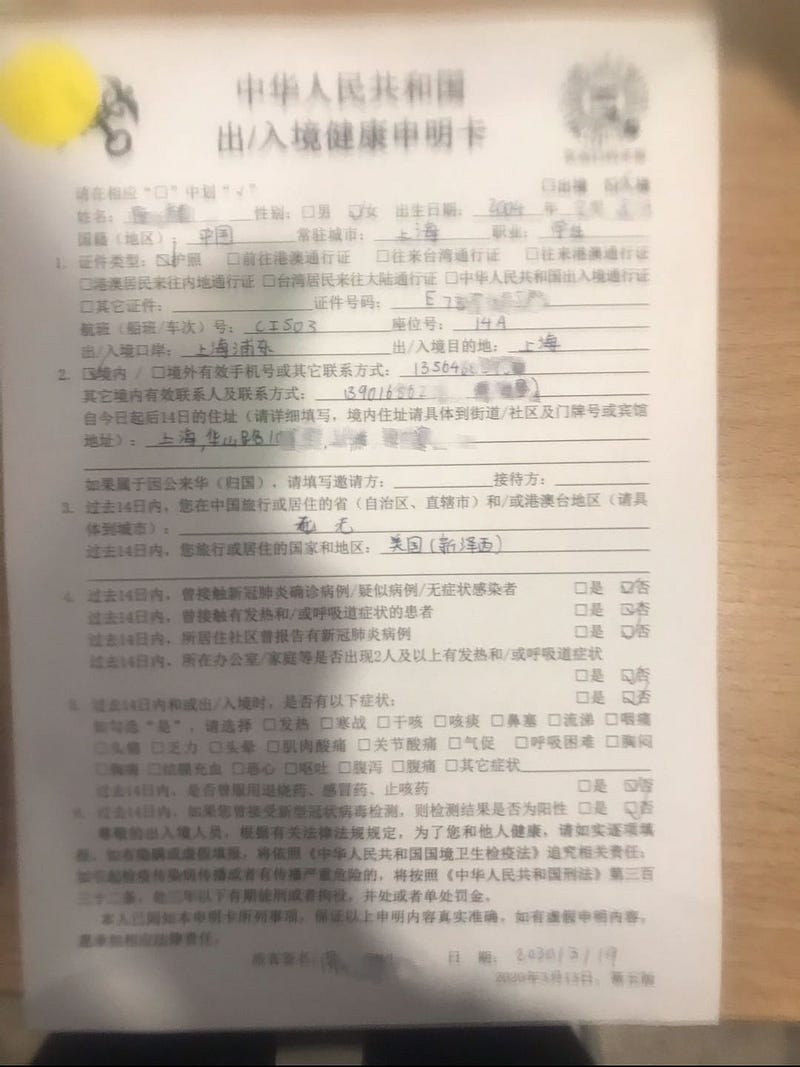
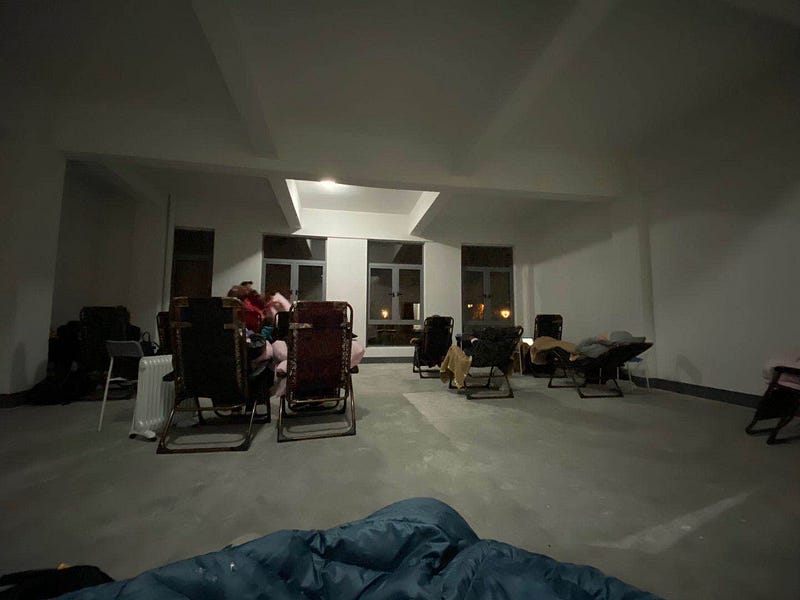
March 20th, 11:45 pm in a quarantine center. Workers disinfected and stored our suitcases away. Free nucleic acid testing was mandatory and provided to every single one of us. As we shivered in the darkness, the nurses offered us blankets and a bag of food. They directed us into a spartan room furnished with lounge chairs 1 meter apart from one another. I was in the same room with a Netherland family, an American family, and a few Chinese students. They proclaimed how good it was to be back home. We spent the next 8 hours dozing as we waited for the test results.
March 21th, 6:00 am in the austere waiting room. As dawn’s rosy fingers repainted the sky, my frozen body thawed. Our results came out as negative, and I boarded a small car driven by two young government officials. They joked and cursed in Shanghainese as they drove me back home, where my parents greeted me with disinfectant spray and hand sanitizers.
March 21st- April 4th in my room. In these 14 days, I was restrained to the 20 square meter room due to strict quarantine measures. My parents were also quarantined because of my presence. They would place food outside of my door and skirt away as I opened and retrieved it. We conversed with our faces pressed on the two different sides of a closed door.
9:30 am every day. The neighborhood committee takes our temperature, delivers five masks for 9.99 yuan, sends groceries, and empties the trash for us.
4:00 pm every day. I am reminded of Instagram live streams as I video call the neighborhood committee and take my temperature for them.
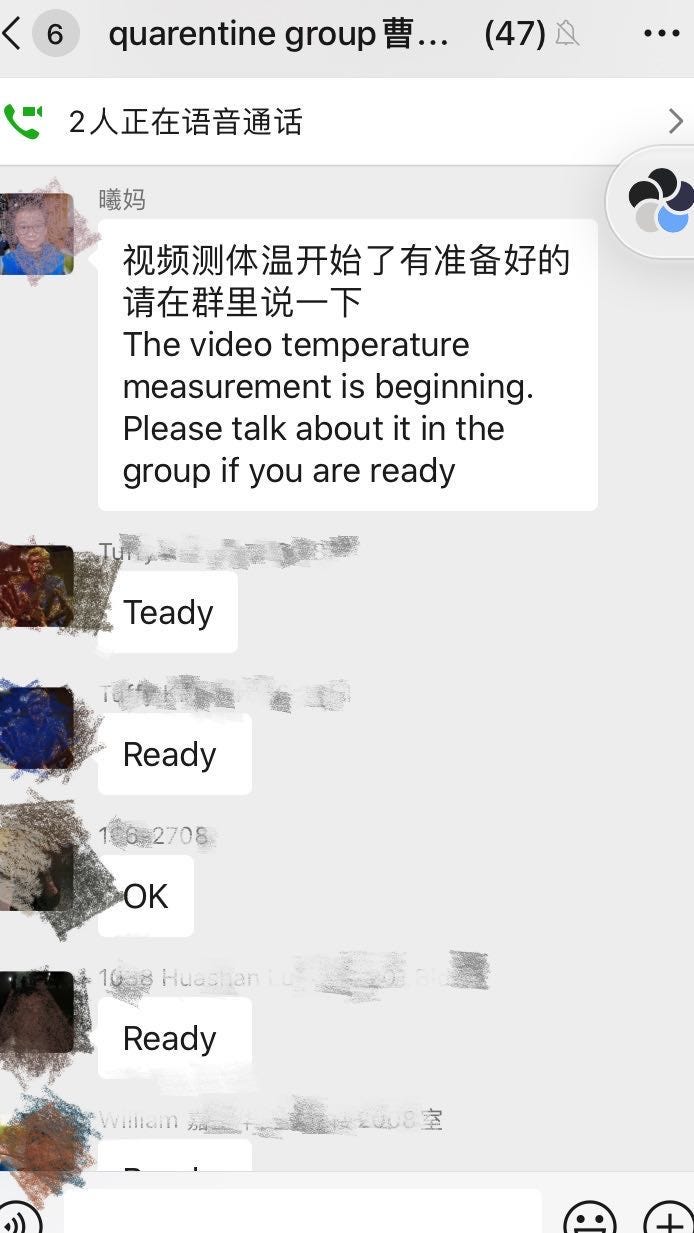
Similar tight measures are widespread across China during the outbreak. Under the jurisdiction of the government, neighborhood committees have helped many citizens complete daily activities.
The extent of the authoritarian government doesn’t just end there. Companies take employees’ daily temperatures and report the names of present workers to the government. Parks, malls, subways, and other communal places require people to display their electronic passes and wear masks at all times. The government tracks the movement of individuals through cell phone signals and assigns various electronic passes based upon travel history. People who have been to the Hunan province (where Wuhan is situated) or other foreign countries with a coronavirus outbreak will have a yellow or red pass. People with red and yellow passes are not allowed in some public places. The green pass is reserved for healthy people who have stayed in their cities.
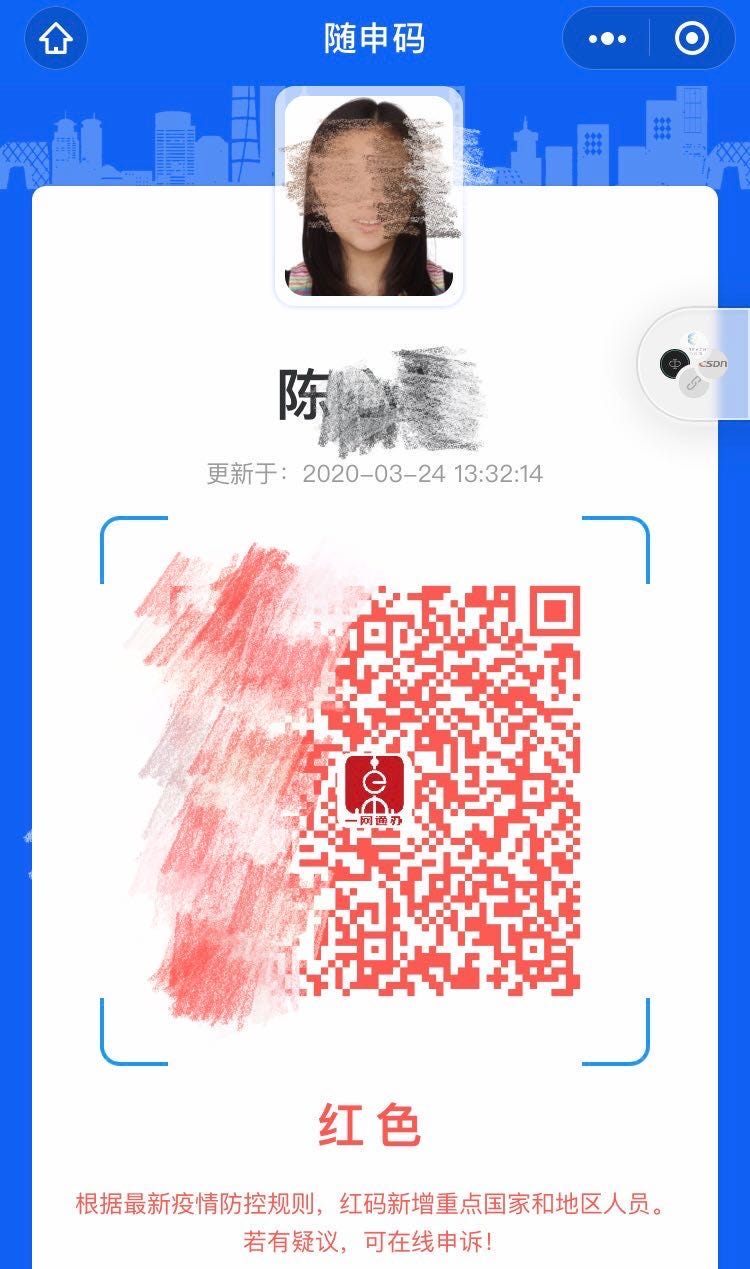
Governments also monitor the movement of citizens through optional QR codes in subway compartments. If someone in your subway compartment catches the coronavirus, the government alerts anyone who has been in the same compartment and scanned the QR code. Furthermore, many websites and apps have developed a method that accurately informs citizens about infected patients and their movements across the city in the past few days.
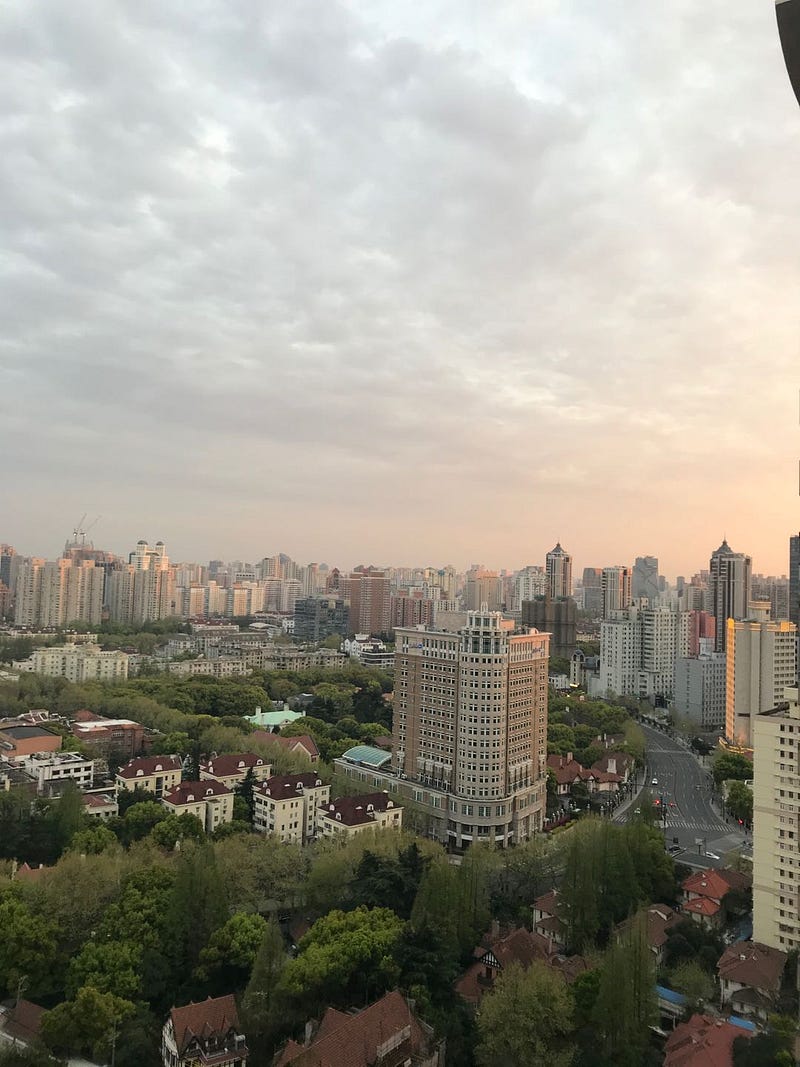
Even though these measures might be effective, many have criticized the Chinese government’s response as draconian and a “great cost to people’s livelihoods and liberties”. What are my thoughts on this? Three days ago was April 8th, the day that the government lifted the Wuhan lockdown. I’m sitting in a cafe for the first time in 35 days. I am alive as I breathe in the fresh air and taste liberty.