
9 Ways My Mother Says ‘I Love You’
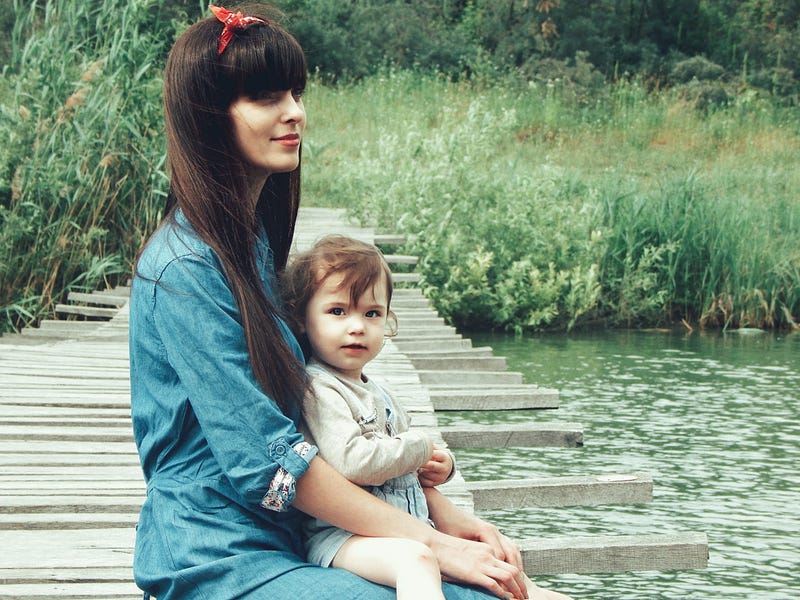
As Mother’s day approaches — a day that can be more painful than joyful for many — I’ve been reflecting on the somewhat strained relationship with my mother. Mother-daughter relationships are both sacred and complex, and most women feel a little less whole when their mother is absent from their life.
Studies estimate 30 percent of women have been estranged at some point from their mother. A sad fact, but is it surprising?
We will always inevitably hurt one another in relationships — whether or not we’re aware of it is another question. It’s just part of the human condition.
It is only through understanding and forgiveness that we can heal broken relationships, even though we sometimes fiercely resist this.
“To err is human; to forgive, divine.” — Alexander Pope
Understanding my mother’s trauma
Like many immigrants from the boomer generation, my mother is a thick-skinned, hardworking woman. She didn’t have any easy upbringing: growing up with seven siblings in a poor Italian village with no encouragement to follow her dreams, only expectations to get married and have children.
When a scholarship opportunity to travel to Australia came up, she jumped on it and found love (my father). She had dreams to keep studying, become a lab researcher, teacher or lecturer — use that big, beautiful brain of hers to be something great. Instead she accidentally fell pregnant. Three times. The marriage didn’t last long either.
I know she has regrets (even resentment), not only because she’s told me, but because I’ve seen the way she struggles with receiving and giving affection. I’ve seen her crying, yearning for her family back in Italy, yet she didn’t return to see them for decades. I’ve seen the hurt and isolation she endured through her divorce; her confusion trying to figure out where she belonged on this island so far away from home.
I used to feel angry thinking about the lack of affection I received from her as a child. I used to believe a mother’s love was in constantly hugging and kissing her children, boasting about them to everyone, buying them new clothes and toys, and packing extravagant school lunches.
But now I realise, she’s always showed me love.
All the things she said and did that I thought were annoying or insulting were actually her way of showing love for me. As a single mother with unresolved trauma, she did the best she could — it’s just taken me a while to understand.

The Unorthodox Ways My Mother Says ‘I Love You’:
- Collecting supermarket catalogues for specials and hand-me-down clothes and toys — all so she could save enough to afford a family holiday every couple of years.
- Forcing me to do my homework every night, even if it meant staying up until 1am at the kitchen table.
- Criticising my cooking and telling how I should make it better next time.
- Warning me to be careful on the road as I walk to my car and then following up with a message to check that I got home safely.
- Liking and commenting on every single thing I post on Facebook, without fail.
- Telling me I look thin and pale and asking if I’m depressed (‘No mum, I’m just tired and not wearing any makeup’).
- Sending me YouTube videos of old Italian songs she used to tape and sing to when she was happy.
- Urging me to go to church with her and (when I refuse) reassuring me that she’ll pray for me and my sinful ways.
- Hugging me at night when I was asleep — she didn’t know I was awake and I held still, hoping she’d never leave.
Love was always there. It still is.
I love you too, mum.


