
GUIDE TO CHILE
9 Tips for Traveling in Chile Safely
Tips every tourist needs to know to travel in Chile safely.
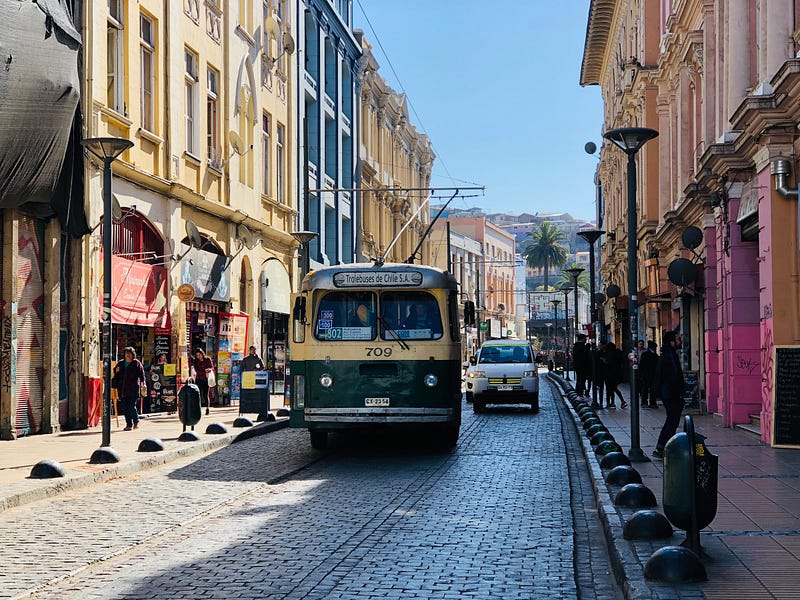
How safe is Chile for travelers?
During the pandemic, we stayed in an area south of Santiago. Everyone was spending a lot of time at home during the lockdown phases.
One day, I walked to this little green space and sat on the grass. Most of the time, there wasn’t anybody else there.
This time, however, after I’d been there for a short time, two young men sat down on the grass not too far from me. They were glancing over at me and I began to feel uncomfortable.
Even though I was the only White person in this neighbourhood most of our neighbours were familiar by now with who I was as Hugo’s wife. But this felt different.
Suddenly, one of the young men came over and asked in Spanish, “Do you know what time it is?”
I understood what he was saying but something about the whole interaction felt uncomfortable. I held my phone in my lap and said, “I don’t speak Spanish” or “I don’t know.”
He walked back to his friend and they continued to whisper to each other while glancing over at me.
I decided it was time to leave so I quickly got up and walked back to where we were staying.
When I told my husband about the interaction and how I felt uncomfortable, he said, “They could have been asking you the time to see what kind of valuables you had. I think it’s better you don’t go back there alone.”
I agreed with him as we were hearing more stories about how this neighbourhood had become less and less safe.
Nothing happened to me but it drove home the reality that being in Chile isn’t the same as living in Canada and I needed to be more careful than I was used to being.
Follow these 9 tips for safe travels in Chile
When I travel in Chile, I always travel with my husband who is Chilean, so my travel experience will likely be different than yours. But I have learned a lot from traveling to Chile four times.
So here are nine tips I recommend following that can help you to travel safely:
1. Be aware of your surroundings (especially when in Santiago or other cities)
Santiago isn’t a safe city. A lot of migrants have been moving to the capital and that has changed the culture making it more dangerous. If you’re a tourist, then you need to be aware of your surroundings.
Always keep an eye on your belongings (which is good sense anywhere that you’re traveling!) and be aware of pickpockets. Try to stick to touristy areas and avoid neighbourhoods that look rougher (common sense, right?). And travel and visit attractions during the day when it’s generally safer.
One last tip is to avoid taking taxis from the Santiago airport. Instead, take one of the two public buses that will take you to the heart of Santiago (although you can get off at other stops as well). These buses depart right from the airport and they are not only safer but they’re also a lot cheaper.
2. Avoid dressing like you have a lot of money
The more you dress like you have a lot of money, the more you make yourself a potential target for pickpockets or other potential scams. And as a tourist, you already stand out as someone who has some money. Instead, dress simply and avoid overt displays of wealth, such as wearing expensive clothes, jewelry, and watches.
3. Don’t keep your phone (or other valuables) on your lap on the bus
If you’re taking public transit, keep your smartphone and other valuables inside your pockets or bag. Don’t hold your smartphone on your lap in plain sight as there have been instances where someone hops on the bus quickly, grabs a phone off of someone’s lap and then runs off the bus. If that happens, then you can say goodbye to your new shiny iPhone.
If the bus isn’t busy, then try sitting at the back of the bus where you can keep an eye on the passengers coming on the bus and what’s going on. If the bus is pretty full, try to find a seat next to an older woman or a mom.
4. Don’t carry lots of cash on you
I already talked about this in another article about Chilean pesos but it’s worth repeating — don’t carry a lot of cash on you. You’ll only make yourself a target. Take out money as needed from ATMs. There are a lot of ATMs available around the country, especially in tourist areas so it’s fairly easy to get more cash as you need it.
The other thing to keep in mind is to not flash all your money when you’re paying for things. Pay with smaller bills and be discreet.
5. Travel in groups
Even if you’re traveling solo, book a group tour for a day or the whole time you’re in an area that’s considered less safe. I’ve met solo female travellers in Chile who joined a tour for part of the day. This can really help to keep you safe, it’s more affordable, and you get to meet some cool new besties for a day.
6. Stay on the good side of the police
The main police force in Chile is called the carabineros. You can recognize them by the green and white cars they drive and the green and white buildings. The level of corruption among the carabineros in Chile is a lot lower than in many other Latin American countries so if you do run into problems, it’s usually safe to go to them.
That being said, you don’t want to get on the wrong side of the carabineros: know the laws of Chile, stay out of trouble, avoid hanging out with people who might cause trouble, and you should be fine.
7. Know the dangerous areas in the country
Right now, the most dangerous areas of Chile would be Santiago and areas in the north of Chile. Crime rates are increasing in Santiago and include things like pickpocketing, mugging, assaults, drug use, and vandalism.
In the north of Chile, the level of safety has changed a lot since the last time I was there. A lot more migrants are entering the country and while many are in the country legally, some have crossed the border illegally.
Many immigrants are hard-working and want a better life for themselves and their families. But unfortunately, not all migrants have good intentions. Some are causing problems for locals by stealing or physically assaulting them and in extreme cases, killing people.
When I first went to Chile in 2016, I rarely saw people begging in the streets. Chileans tend to be very hardworking people and it simply wasn’t part of the culture. The last time I was in Chile in 2020, I was surprised by the number of foreigners begging in the street. So the culture is shifting quickly.
This is a complicated issue that I won’t get into here. However, as a tourist, it is important to know that immigration is changing the cultural landscape and in some areas of the country, the level of safety. So just be aware of that as you travel.
8. Spend more time in the safer areas in Chile
A lot of the rural areas are quite safe to travel to. Chileans that are from smaller, country communities tend to still be more community-minded and helpful.
One of the safest areas to travel is in the south. Most of the problems that the huge influx of migrants is causing in Chile are in the very north or the larger cities, like Santiago. Immigrants are often coming to look for work and there’s not much work available in the rural countryside or in the south.
I encourage you to spend more time in these areas because especially in the south, a lot of Chileans rely on tourism for income and because it’s safer, you can have a more relaxing trip. Chileans are lovely people and the further south you go, you may find people are warmer and more friendly to tourists.
9. Be aware of the areas where drug trafficking happens most often
Drugs are becoming a greater problem in Chile. The three areas that are being affected the most by drug trafficking are Santiago, Iquique, and Antofagasta. So keep that in mind if you travel to those areas.
That being said, Chile’s climate isn’t favourable for growing drugs like cocaine or marijuana so the problem with drugs comes from drug smuggling into the country.
Travel smart and stay safe
Chile is one of the safer South American countries to travel to. Thanks to a more stable economy, people overall enjoy a higher standard of living than in some other Latin American countries. So you can enjoy traveling around the country without worrying too much about your safety as long as you exercise the right precaution and travel smart.
I’d love to hear from you! What are your questions about traveling in Chile?
This article is part of a series of 30 blog posts I’m writing about traveling to Chile. If you’d like to read more from this series, visit Guide To Chile.
Hannah Visser Pavez is a writer, blogger, and digital marketer. She splits her time between Canada and Chile with her Chilean husband. She’s also working on a children’s fantasy series that she hopes to finish before her nieces and nephews grow up.


