
9 Inspirational Women in Math: Meet the Pioneers Who Paved the Way
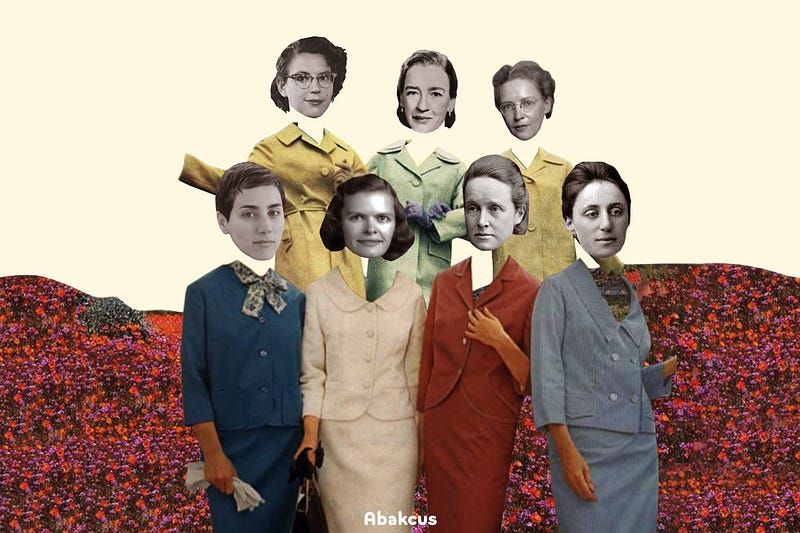
Women mathematicians have made invaluable contributions to mathematics from ancient times to the present day. Despite facing various obstacles due to gender-based discrimination and societal expectations, some female mathematicians have become renowned in their fields.
While many are still unknown or unrecognized for their accomplishments, [there were 1806 women names listed on Wikipedia as a mathematician when I started writing this article] it is important that we take the time to recognize and celebrate these pioneering women who helped shape our understanding of math.
This article will explore the lives and works of famous female mathematicians such as Maryam Mirzakhani, Emmy Noether, Philippa Fawcett, and more, focusing on their specific contributions to mathematics.
Maryam Mirzakhani: The First Woman to Win the Fields Medal
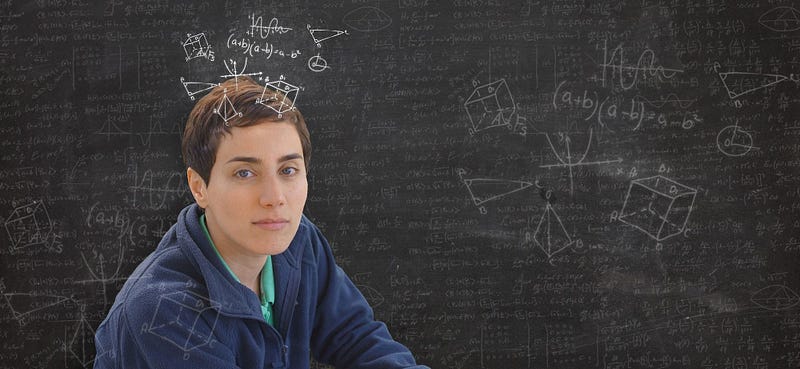
Maryam Mirzakhani was a brilliant mathematician who made history by becoming the first woman to receive the Fields Medal, the most prestigious award in mathematics, in 2014.
She was born in Iran in 1977 and showed an early aptitude for mathematics when she won gold medals in the International Mathematical Olympiad in 1994 and 1995. She then went on to earn her Bachelor’s degree from the Sharif University of Technology in Iran before attending Harvard University for her doctoral studies.
Mirzakhani’s research focused on the geometry of math surfaces and their dynamics. Her work has profoundly impacted various fields of mathematics, including hyperbolic geometry, Teichmüller theory, ergodic theory, and symplectic geometry. She was widely recognized for her contributions to understanding the moduli spaces of Riemann surfaces and for developing new techniques to study them.
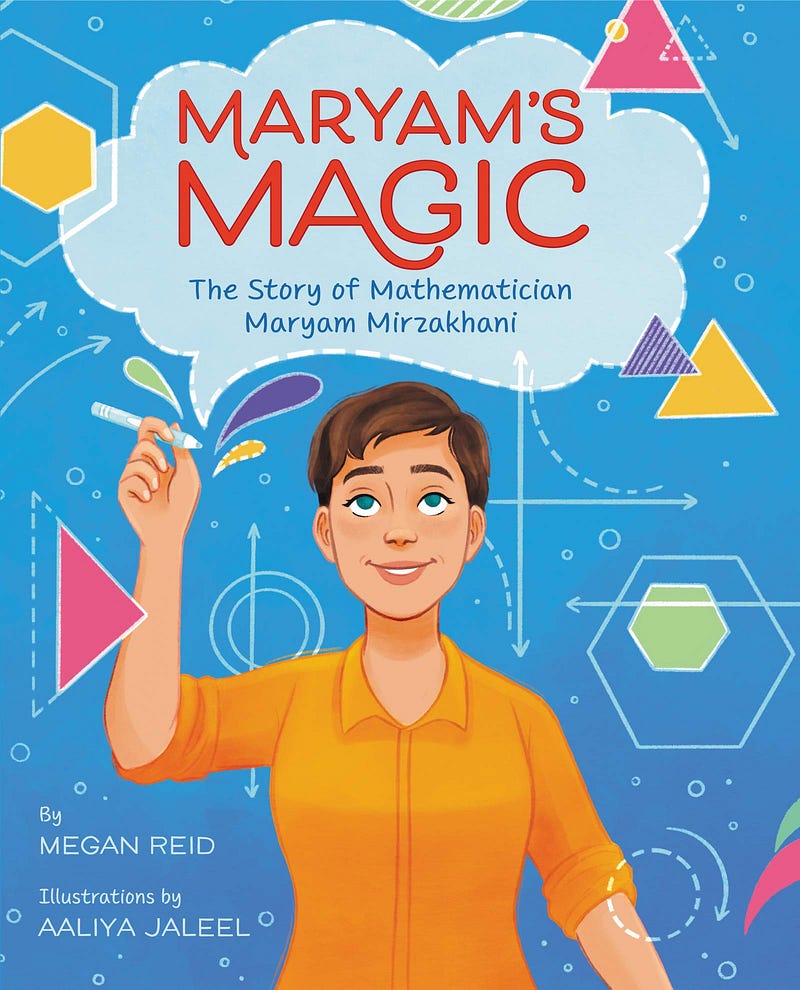
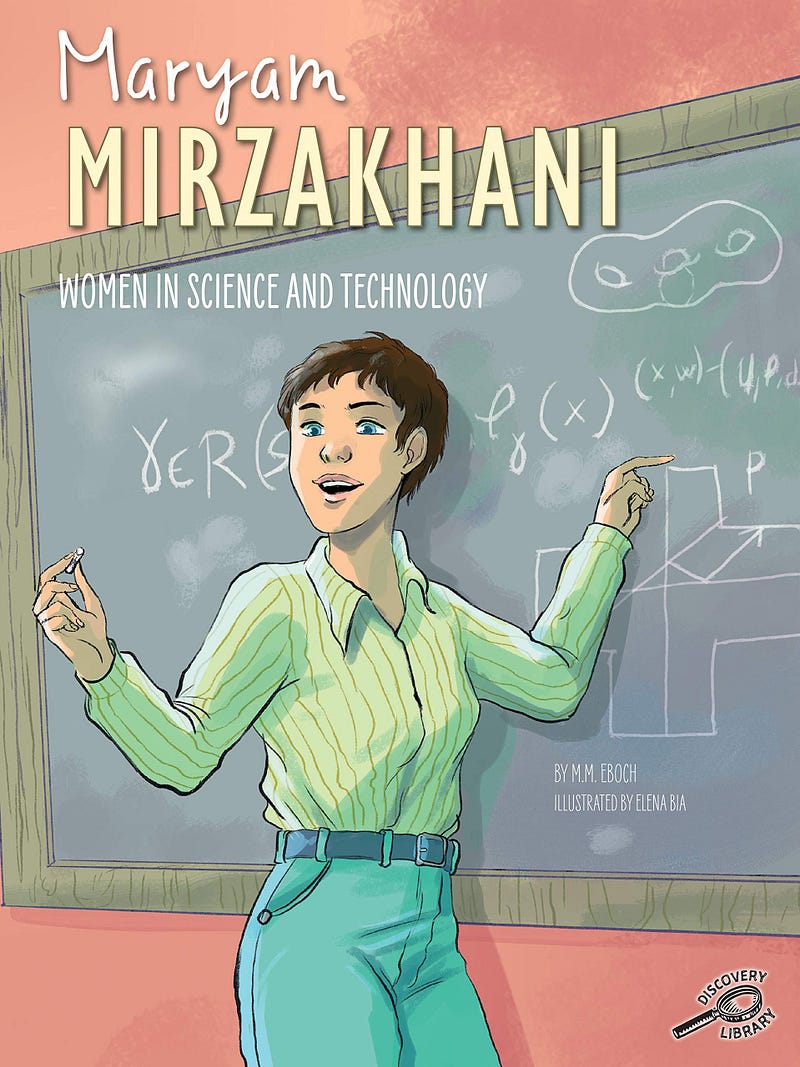
What made Mirzakhani’s work so groundbreaking was her ability to connect complex ideas from different fields in mathematics. Her unique approach to problem-solving involved creative thinking and visualizing mathematical concepts in new ways. She was able to use her deep understanding of mathematical structures to develop innovative methods that other mathematicians around the world later adopted.
In addition to her research, Mirzakhani was a passionate advocate for women in mathematics. She believed that diversity in science and mathematics was crucial to creating a more inclusive and productive environment for research. She encouraged young women to pursue careers in STEM fields and worked to break down the gender barriers that still exist in academia.
Unfortunately, Mirzakhani passed away in 2017 at the age of 40 due to complications from breast cancer. However, her legacy lives on through her groundbreaking contributions to mathematics and her inspiring advocacy for women in STEM.
She serves as a role model for aspiring mathematicians, especially women and girls, who can look to her life and work as a source of inspiration for their own pursuits.
Mary Somerville: The First Person To Be Called A Scientist
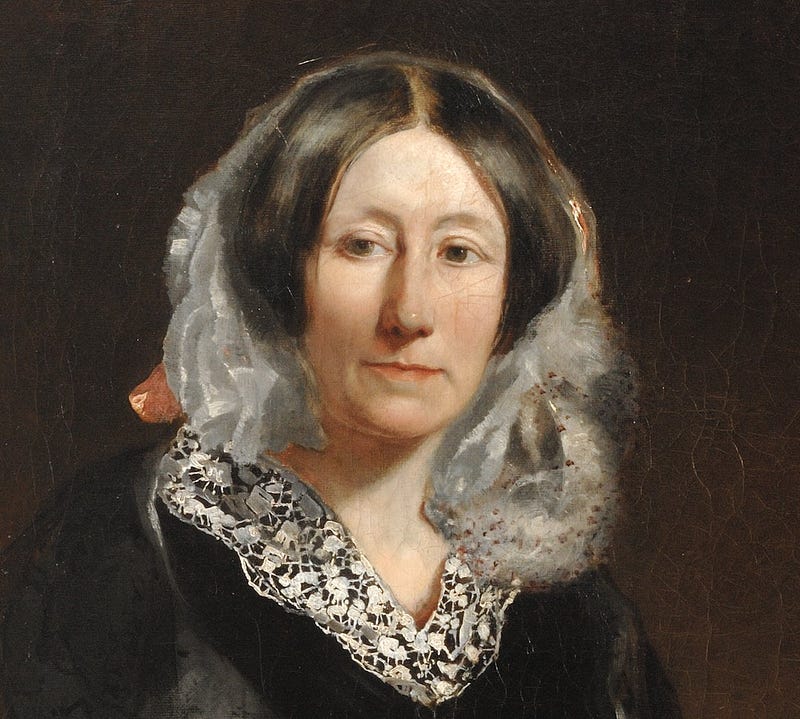
Mary Somerville was born in Scotland in 1780 and pioneered mathematics and science. She was the first woman to be called a scientist and to receive recognition for her contributions to knowledge. Despite growing up in a time when women were discouraged from pursuing educational and professional opportunities, Somerville found a way to thrive and make a name for herself in the academic world.
Somerville’s interest in mathematics began at a young age, and she received some education from her father before marrying and having children. However, her love of learning never faded, and she continued to pursue her academic passions throughout her life. Despite not having access to formal education, she was a self-taught genius who quickly challenged the gender norms of her time.
In 1831, Somerville published “The Mechanism of the Heavens,” a seminal work that synthesized cutting-edge astronomy, calculus, and physics discoveries into an accessible and engaging text. Her book was so influential that it was widely read by the scientific community, including many prominent mathematicians and scientists such as Sir John Herschel, Sir David Brewster, and Charles Babbage.
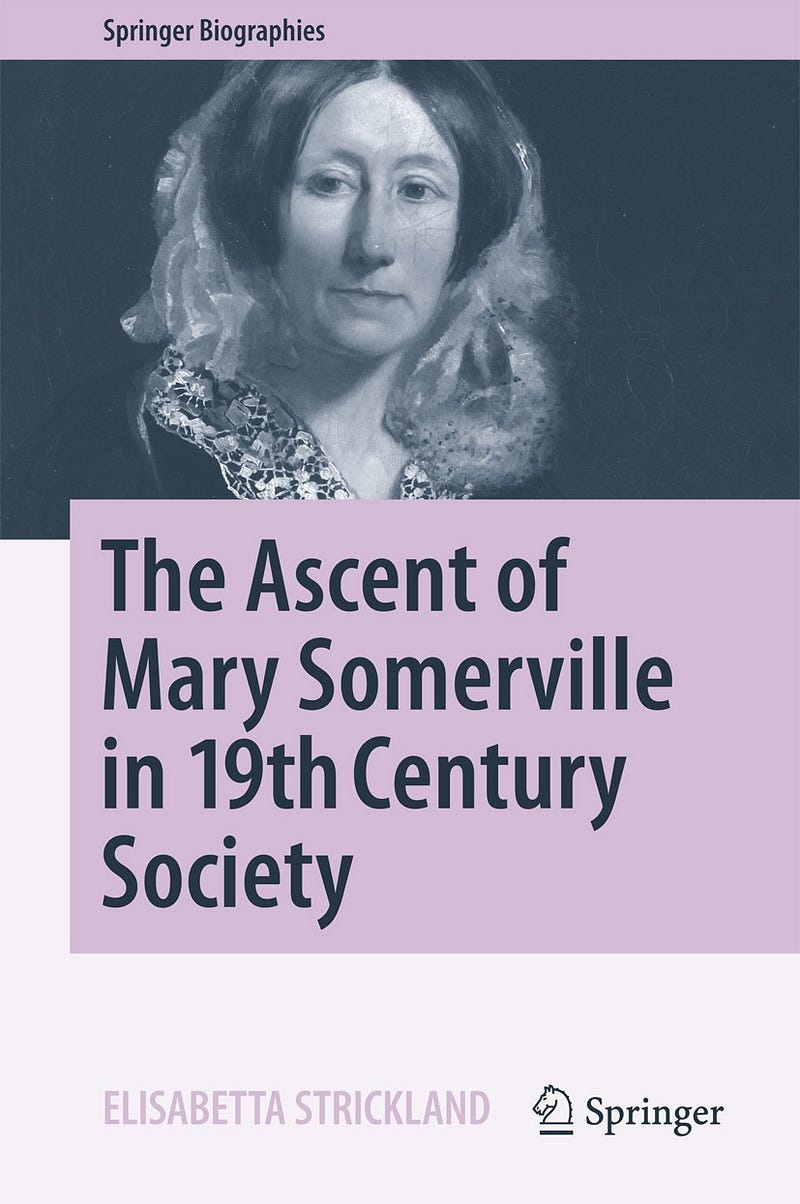
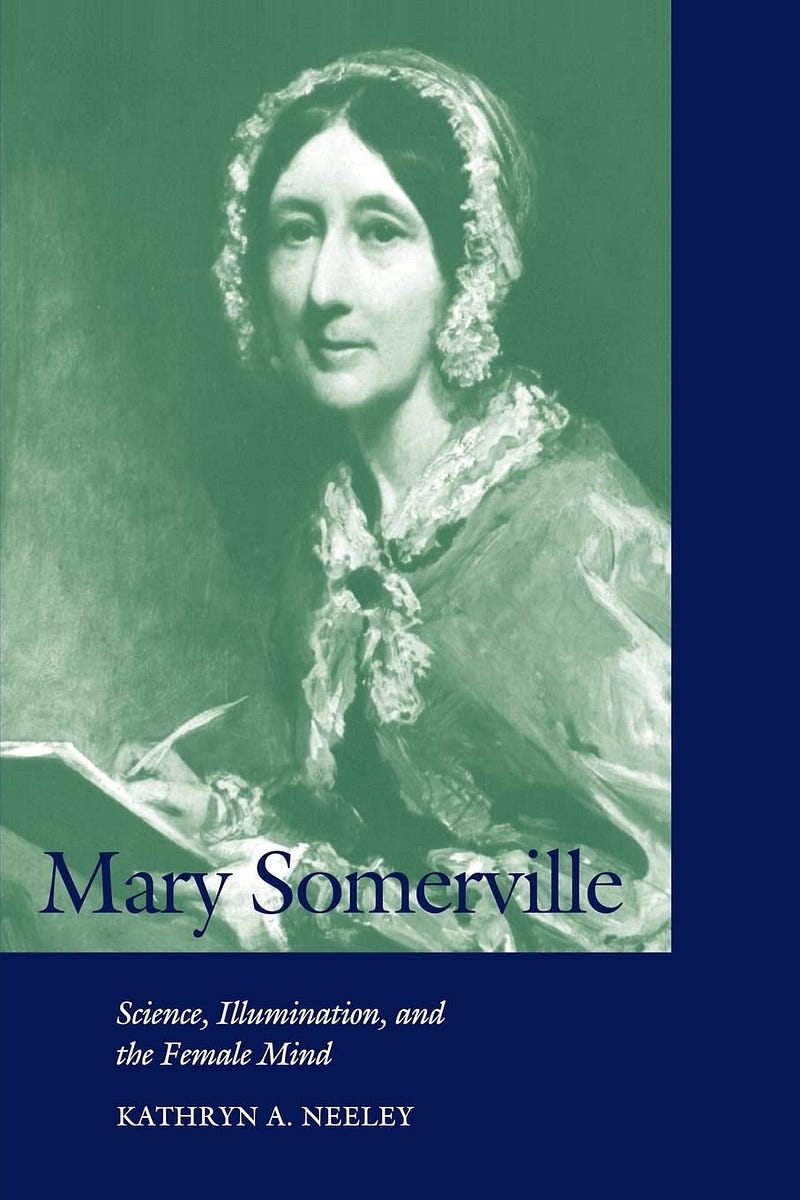
Somerville was a remarkable and pioneering figure in the history of mathematics and science. She was a member of the Royal Astronomical Society, a fellow of the Royal Geographical Society, and received honorary degrees from universities in Ireland and Scotland. She also deeply believed in the importance of education, especially for girls and women, and advocated passionately for their inclusion in scientific fields.
In addition to her contributions to science, Somerville also helped expand women’s role in academic circles. She was instrumental in establishing Girton College at Cambridge University, which helped provide women with access to higher education. She also played a key role in founding the British Association for the Advancement of Science (now known as the British Science Association), which aimed to make science accessible to everyone, regardless of gender or social class.
Somerville’s life and work are a testament to the power of education and perseverance in the face of social barriers. Her legacy continues to inspire generations of women mathematicians and scientists working to change the world through innovative and groundbreaking research.
Julia Robinson: The First Female President of the American Mathematical Society
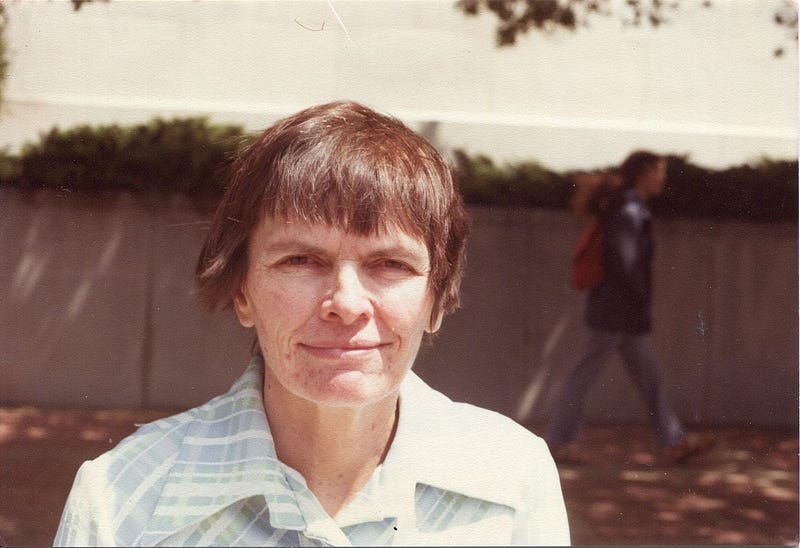
Julia Robinson may not be a household name, but she was a true trailblazer in mathematics. Born in 1919, Robinson was among the first women to receive a Ph.D. in mathematics from the University of California, Berkeley. She became a renowned mathematician for her groundbreaking work on Diophantine equations, an algebraic equation involving whole-number solutions.
Robinson’s research into Diophantine equations helped to solve a long-standing problem known as Hilbert’s Tenth Problem, which had baffled mathematicians for decades. Her contributions were so significant that President Ronald Reagan was awarded the prestigious Presidential Medal of Freedom in 1983.
Robinson’s achievements are even more remarkable considering the obstacles she faced as a woman in the male-dominated world of mathematics. Throughout her career, she experienced discrimination and struggled to gain acceptance from her colleagues. Despite these challenges, she persisted and became the first woman to be elected to the American Mathematical Society and, later, the first woman to serve as its president.
Robinson’s legacy extends beyond her mathematical contributions, however. She was a strong advocate for women in mathematics and worked tirelessly to promote their inclusion and advancement. She served as a mentor to many young women mathematicians, encouraging them to pursue their passions and break down the barriers that held them back.
In addition to her work in mathematics, Robinson was a devoted wife and mother. She balanced her academic pursuits with a deep commitment to her family, often working late into the night after her children had gone to bed.
Robinson’s life and work serve as an inspiration to women mathematicians everywhere. Her groundbreaking achievements and tireless advocacy for women helped to pave the way for future generations of female mathematicians. Today, more and more women are pursuing careers in STEM fields, thanks in part to the efforts of pioneers like Julia Robinson.
Maria Gaetana Agnesi: The Author of One of the First Calculus Textbooks
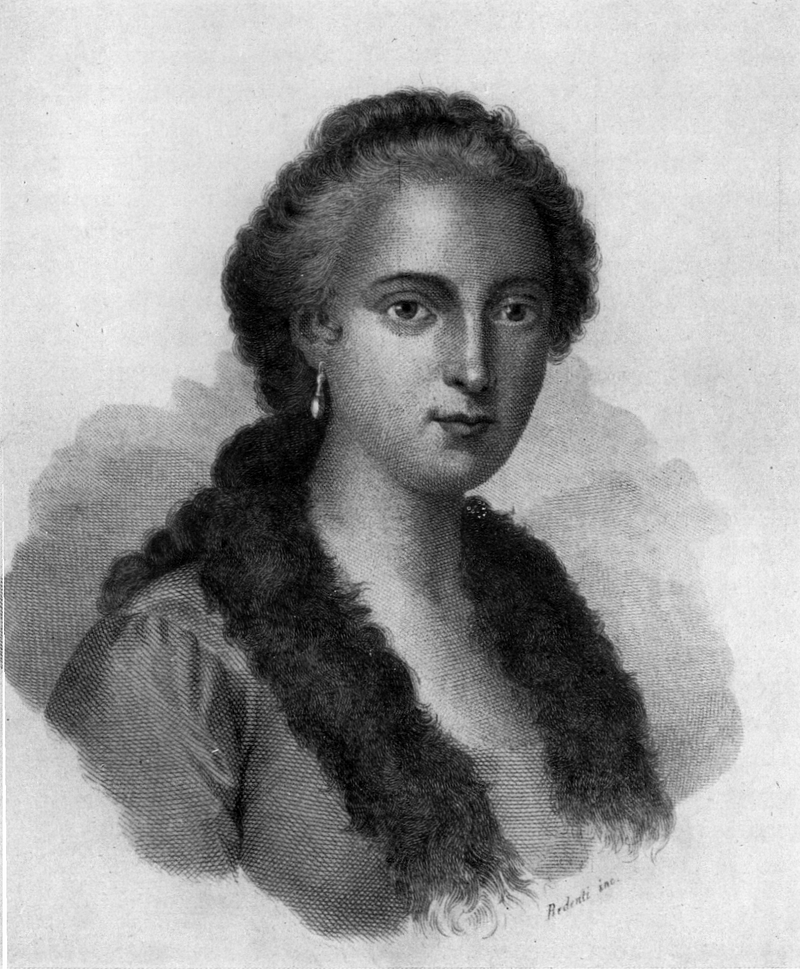
Maria Gaetana Agnesi was a brilliant mathematician, philosopher, and linguist living in Italy in the 18th century. She was the author of one of the earliest comprehensive textbooks on calculus, entitled “Institutiones Analyticae.” The book was originally written in Latin and was published in 1748, making Agnesi one of the first women to have written a major work on mathematics.
Agnesi’s contributions to mathematics were remarkable, given the societal expectations that women were not to pursue intellectual careers. Nonetheless, Agnesi’s father recognized her exceptional intellect and encouraged her to study and write. At the age of nine, Agnesi was already speaking five languages fluently, and by the age of twenty, she had become famous for her mathematical genius.
Agnesi’s “Institutiones Analyticae” was not only one of the first comprehensive textbooks on calculus but also made significant contributions to the field of algebraic geometry. She introduced the concept of the “wishbone curve,” also known as the “versiera,” which is a curve that crosses at its center point, forming a shape similar to a wishbone.
Agnesi’s book was widely read and respected throughout Europe, earning her recognition as one of the foremost mathematicians of her time. She was the first woman to be appointed as a math professor at the University of Bologna, where she taught calculus and algebraic geometry.
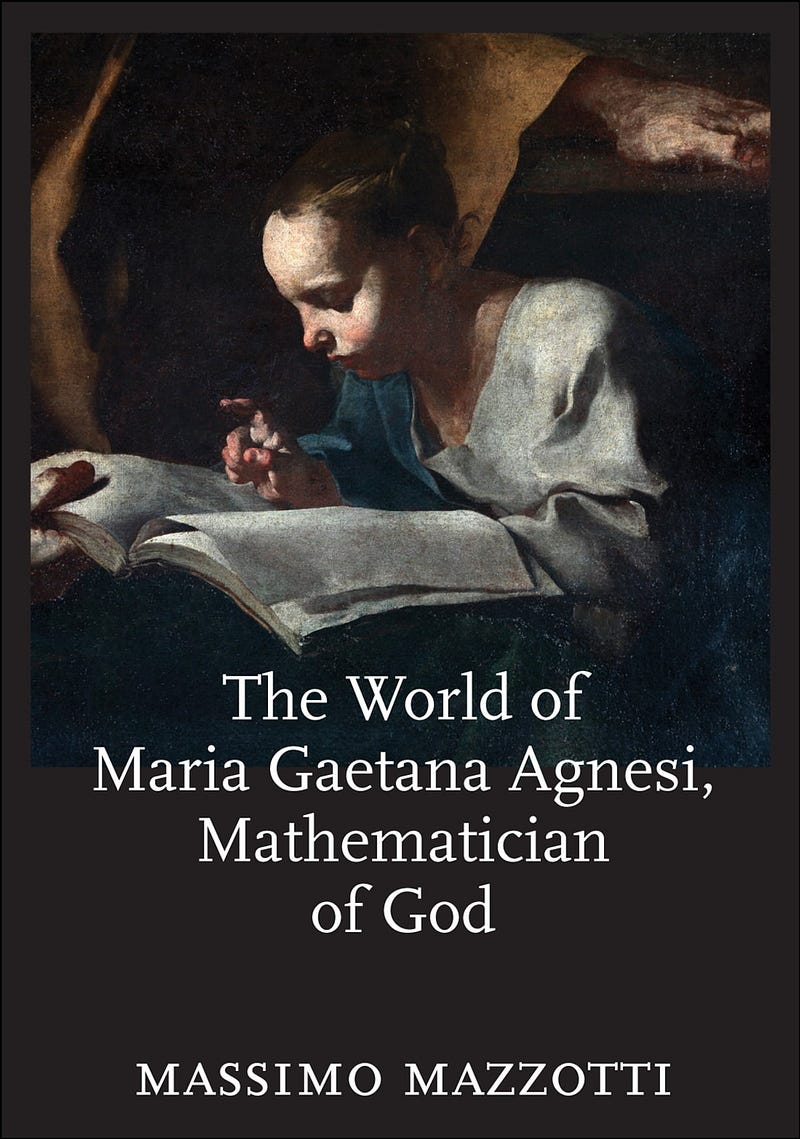
Despite her many achievements, Agnesi was often criticized for being a woman in a male-dominated field. In some cases, her detractors tried to discredit her work by claiming that she had not written the book herself or had plagiarized from other mathematicians. However, Agnesi’s work was ultimately recognized for its great merit and originality, and she remained a respected figure in mathematics throughout her life.
In addition to her mathematical work, Agnesi was also known as a philosopher and linguist. She wrote extensively on various topics, including ethics, the nature of free will, and women’s education. She was fluent in several languages and a passionate advocate for studying languages and literature as an essential aspect of intellectual development.
Agnesi’s remarkable accomplishments have left a lasting legacy in mathematics and have inspired countless women mathematicians to pursue their passions and overcome societal barriers. Today, she is remembered as a pioneering figure in mathematics and a trailblazer for women striving to attain intellectual and academic success.
Philippa Fawcett: The First Woman Who Got the Top Score in the Cambridge Mathematical Tripos Exams
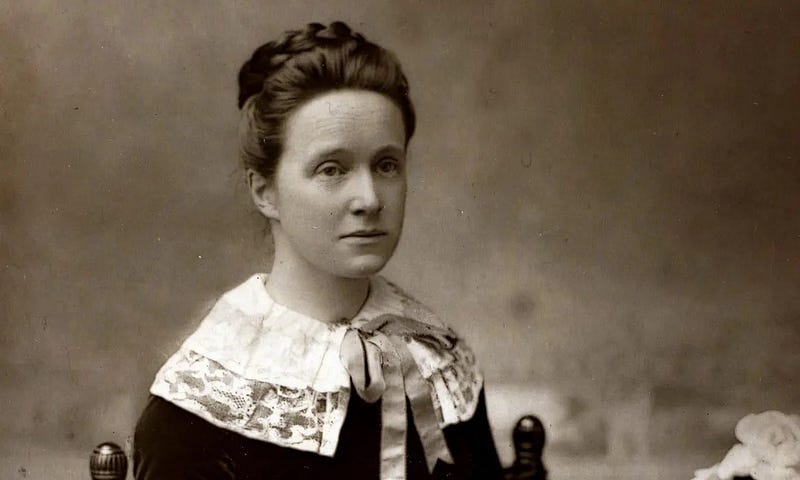
Philippa Fawcett was a British mathematician who made history by becoming the first woman to achieve the highest score on the Cambridge Mathematical Tripos exams in 1890. Fawcett’s results were so exceptional that they outperformed even the best male students of her year. Her achievement was a groundbreaking moment for women in these male-dominated fields, and it represented a significant step forward for gender equality in academia.
Fawcett’s remarkable intellect and talent for mathematics were evident from a young age. She was educated at Newnham College in Cambridge, a women’s college that was affiliated with the University of Cambridge. While studying there, Fawcett excelled in mathematics and quickly gained a reputation as one of the most brilliant and gifted students in her class.
In 1890, Fawcett took the Cambridge Mathematical Tripos exams, a challenging series of exams designed to test students’ knowledge and proficiency in mathematics. These exams were open only to men at the time, and women were not permitted to participate. However, a separate set of exams was created for women, known as the “Cambridge Women’s Examinations.”
Although women were not permitted to take the same exams as men, Fawcett decided to take the exams intended for men. She aimed to prove that women were just as capable as men in mathematics, and she succeeded beyond anyone’s expectations.
Fawcett’s score on the Mathematical Tripos exams was an outstanding achievement that earned her widespread recognition and praise. Her score was the highest of any student that year, male or female, and it clearly demonstrated her remarkable talent and skill as a mathematician.
Fawcett faced many challenges and obstacles throughout her career despite her exceptional achievements. She was often met with discrimination and hostility from her male colleagues, who were uncomfortable with the idea of a woman working in such a traditionally male-dominated field.
However, Fawcett’s determination and grit helped her to overcome these challenges, and she continued to work tirelessly to further her research and contribute to the world of mathematics.
Today, Fawcett’s legacy lives on as a powerful symbol of the strength and resilience of women in STEM fields. Her groundbreaking achievements have inspired countless women worldwide to pursue careers in mathematics and other male-dominated fields. She continues to be remembered as a trailblazer for gender equality in academia.
Hypatia: A Prominent Thinker
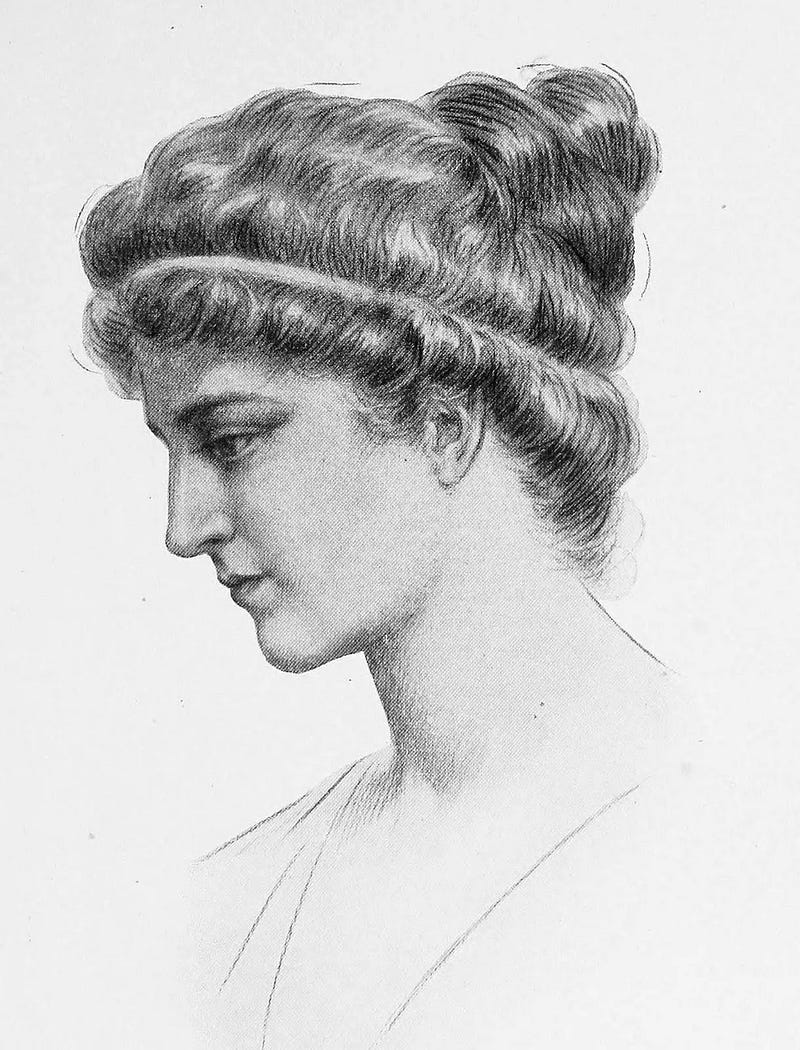
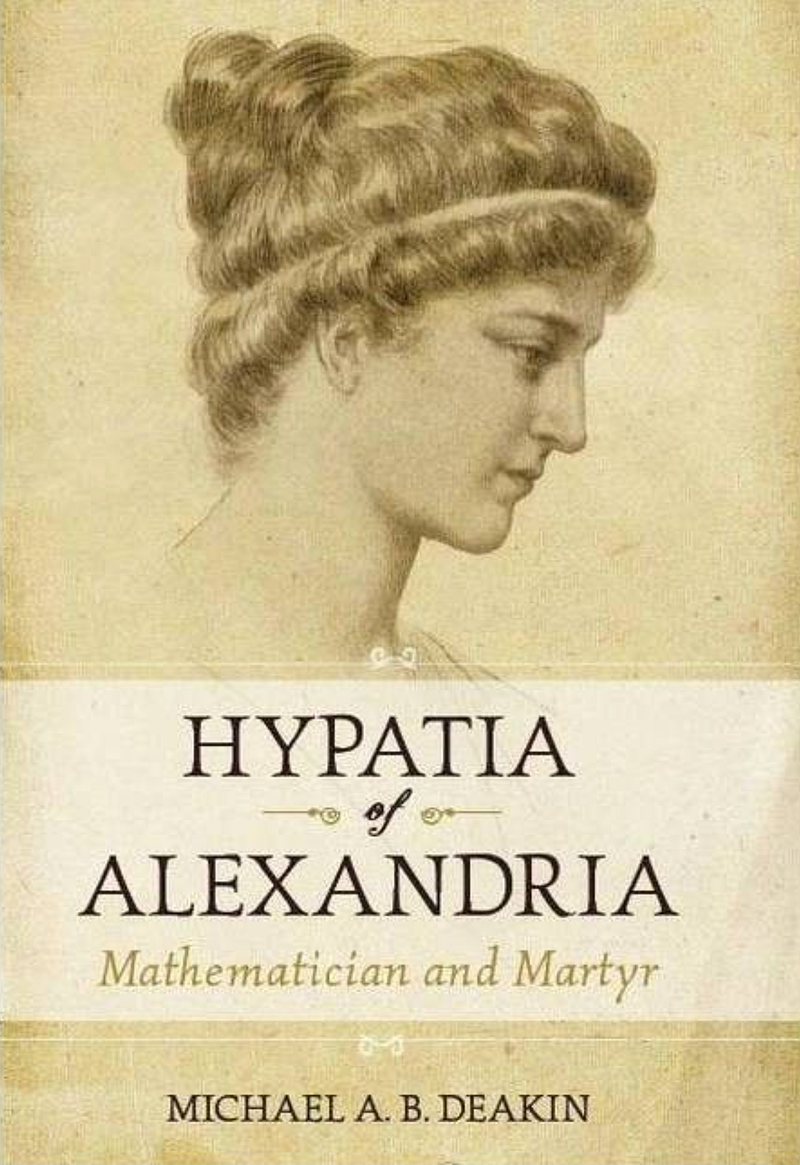
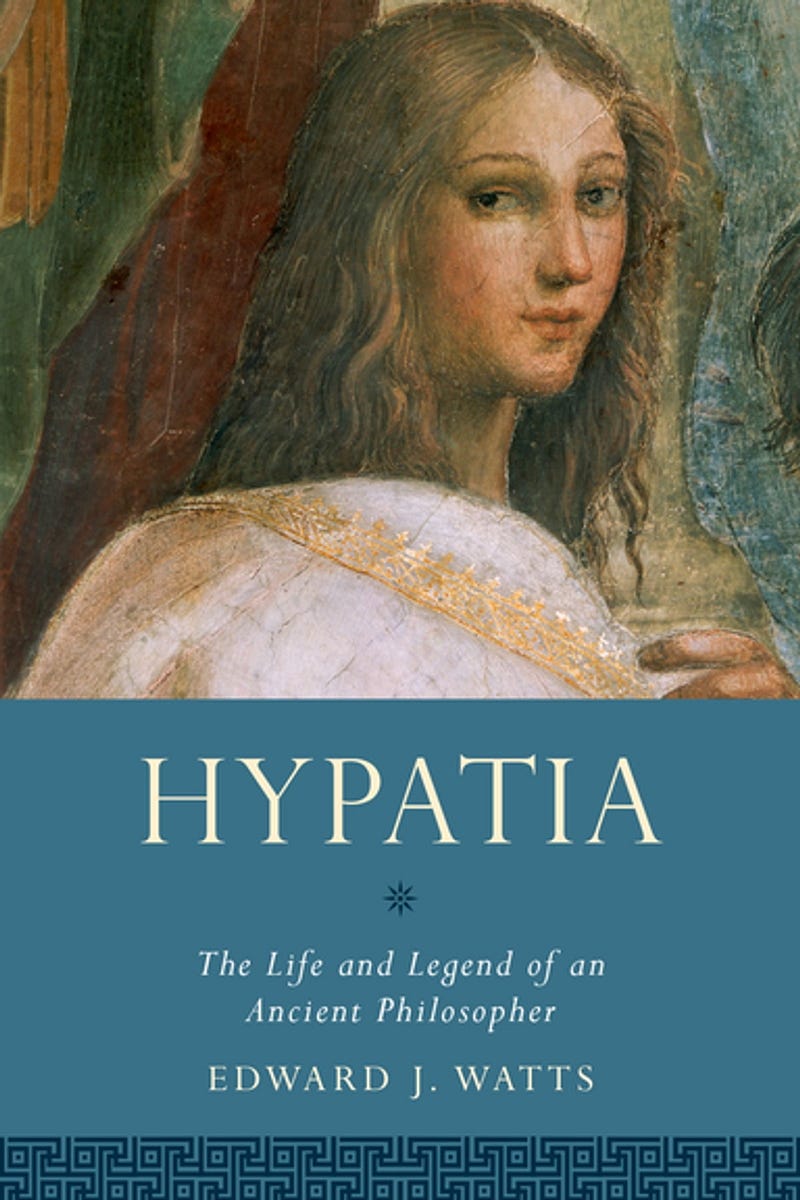
Hypatia of Alexandria was a prominent thinker, mathematician, and philosopher in the fourth century AD. Born in Egypt, she was the daughter of Theon of Alexandria, a famous scholar, and mathematician himself. Hypatia learned under her father’s tutelage and quickly exceeded his knowledge in mathematics and astronomy.
At a time when women’s involvement in academic pursuits was discouraged, Hypatia broke barriers and emerged as one of the most celebrated intellectuals of her era. She was a leading teacher at the University of Alexandria and was known for her eloquence and mastery of mathematics, astronomy, and philosophy.
Hypatia’s intellectual pursuits were not confined to the classroom; she was also an inventor and contributed significantly to the field of mathematics. She is credited with inventing the hydrometer, a device used to measure the density of liquids and a tool for finding the cube root of a number. Hypatia’s mathematical works, including her commentary on Diophantus’s Arithmetic, were widely read, translated, and valued for centuries.
Despite her remarkable achievements, Hypatia was not immune to women’s struggles in male-dominated fields. Her father’s fame and accomplishments helped establish her credibility, but she still encountered skeptics who doubted her abilities based on gender.
Unfortunately, Hypatia’s legendary status would ultimately lead to her downfall. She was a vocal proponent of paganism and opposed the growing influence of Christianity in her home city of Alexandria. Her outspoken beliefs and refusal to convert to Christianity made her an enemy of the Christian authorities.
In 415 AD, a mob of Christian zealots attacked Hypatia and brutally murdered her. Her death shocked the intellectual community and was regarded as tragic and unjust. Her memory and contributions lived on, and her legacy inspired generations of women to break barriers in fields that were once reserved exclusively for men.
Today, Hypatia is remembered as a trailblazer who defied societal expectations and emerged as one of the most celebrated intellectuals of her time. Her story is a testament to the resilience and strength of women in STEM fields throughout history, and her contributions to mathematics and philosophy continue to inspire generations of scholars and thinkers.
Sofya Kovalevskaya: A Pioneer for Women in Mathematics
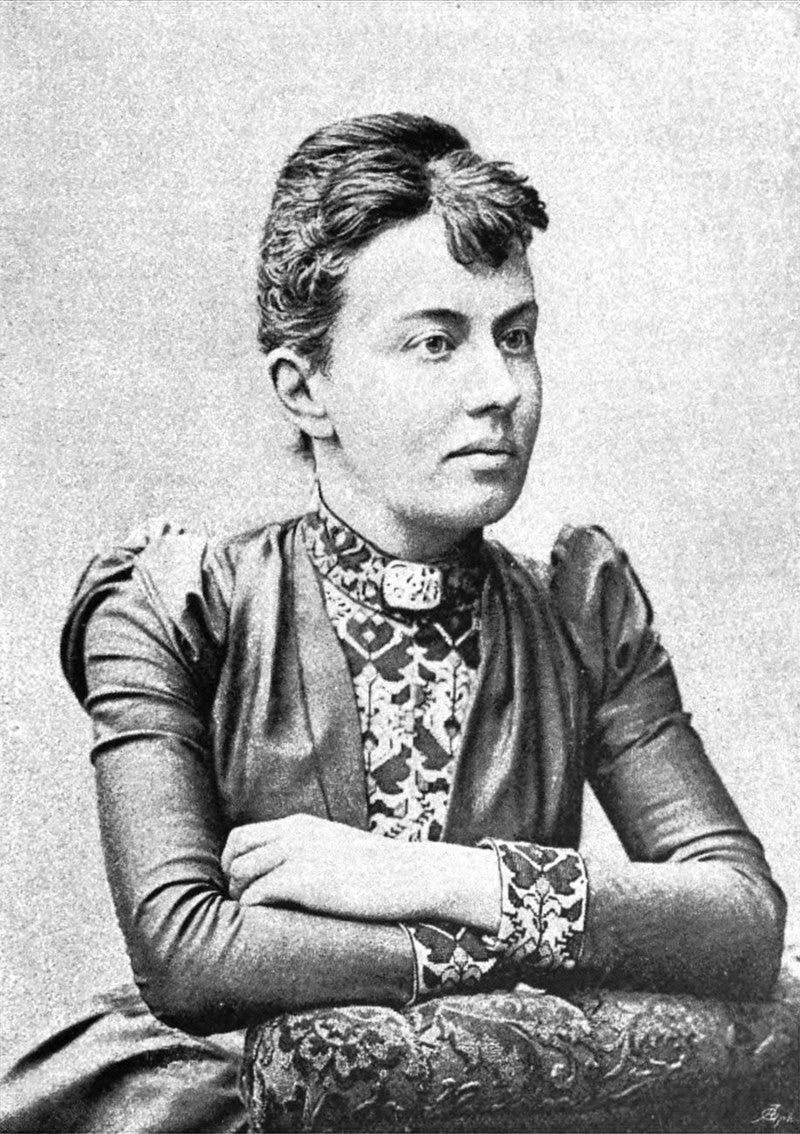
Sofya Kovalevskaya was a Russian mathematician who served as an inspiration for women in STEM fields all over the world. She was born in Moscow in 1850 and showed a remarkable talent for mathematics from an early age.
Kovalevskaya was determined to pursue her passion for mathematics, even though she faced tremendous obstacles due to her gender. Women were not allowed to attend university in Russia then, so Kovalevskaya was forced to leave the country to pursue her studies. She eventually settled in Berlin, where she could attend classes and pursue her research freely.
Kovalevskaya’s work focused primarily on differential equations used to model various phenomena in physics, engineering, and economics. Her research focused on discovering new analytical solutions for these equations, which could be used to make predictions about real-world systems.

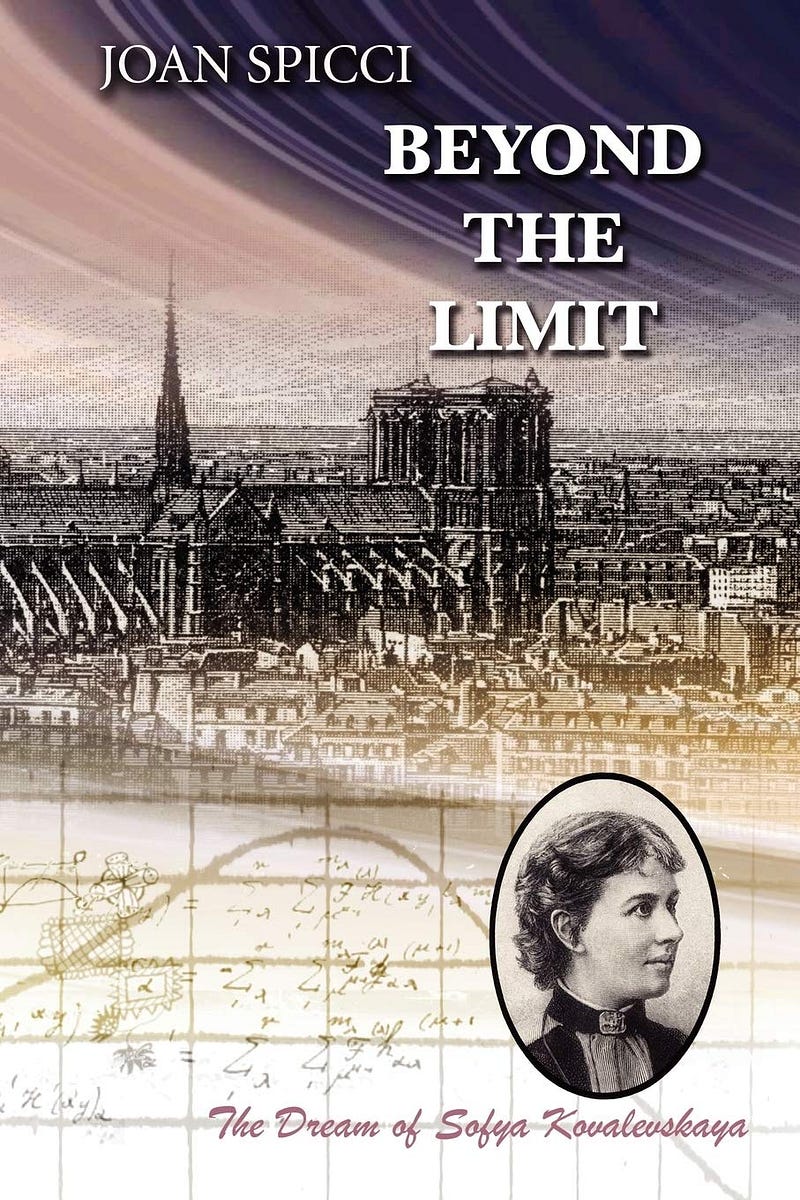
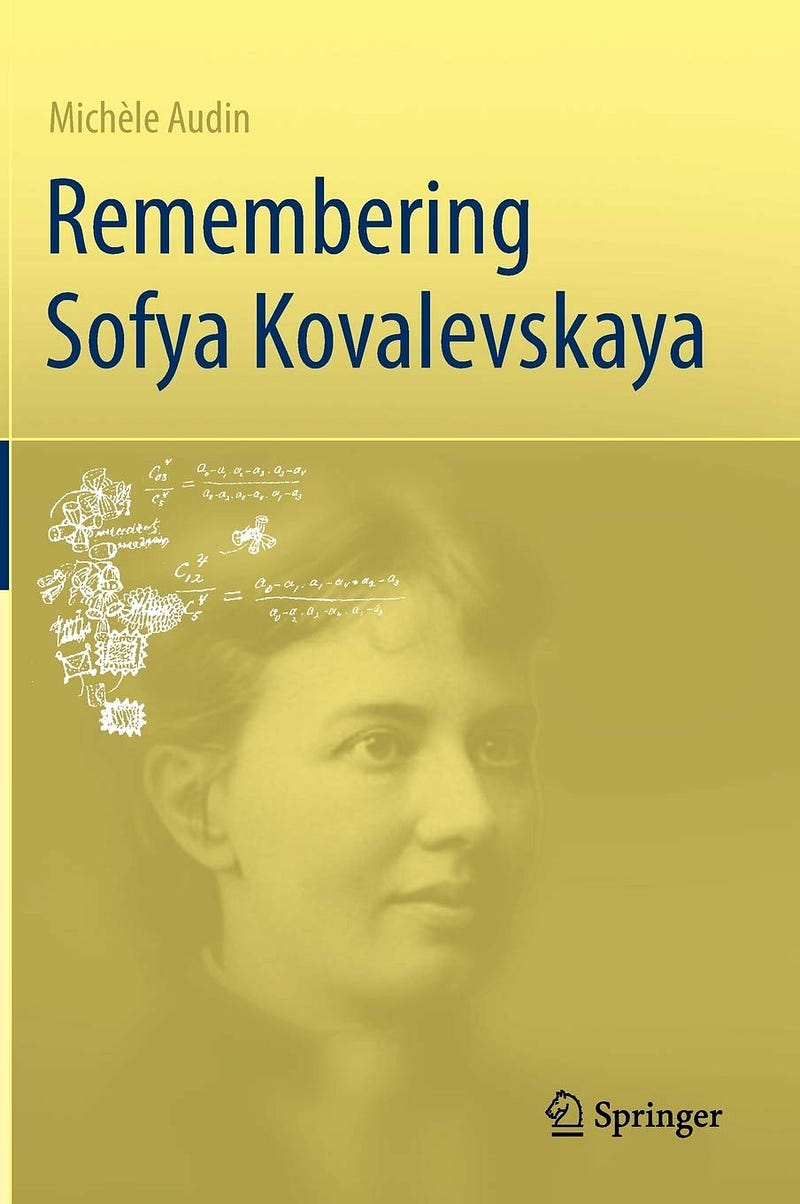
In 1874, Kovalevskaya made a breakthrough by proving a theorem that had been eluding mathematicians for decades. Her theorem, the Cauchy-Kovalevskaya theorem, is still widely used in differential equations today.
Kovalevskaya’s groundbreaking achievements in mathematics earned her numerous accolades throughout her career. She was the first woman to earn a doctorate in mathematics in Europe and the first woman to be appointed to a university professorship in Sweden.
Despite her many accomplishments, Kovalevskaya still faced discrimination and prejudice throughout her career. She was often excluded from professional circles and denied opportunities for advancement due to her gender.
However, Kovalevskaya’s determination and perseverance helped her transcend these barriers and become one of the most celebrated mathematicians of her time. She was passionate about encouraging other women to pursue careers in STEM fields, and her legacy as a pioneer for women in mathematics continues to inspire scholars and thinkers worldwide.
In recognition of her contributions to the field of mathematics, the Kovalevskaya Prize was established in her honor in 1985. The prize is awarded annually to women scientists from developing countries who have made significant contributions in their fields.
Sofya Kovalevskaya’s life and work are a testament to the power of determination, perseverance, and a love of learning. Despite facing tremendous obstacles, she never persevered in her knowledge and discovery pursuit. Her legacy serves as an inspiration for all those who are working to break down barriers and create a more equitable world for women in STEM fields.
Emmy Amalie Noether: The Most Important Woman in the History of Mathematics
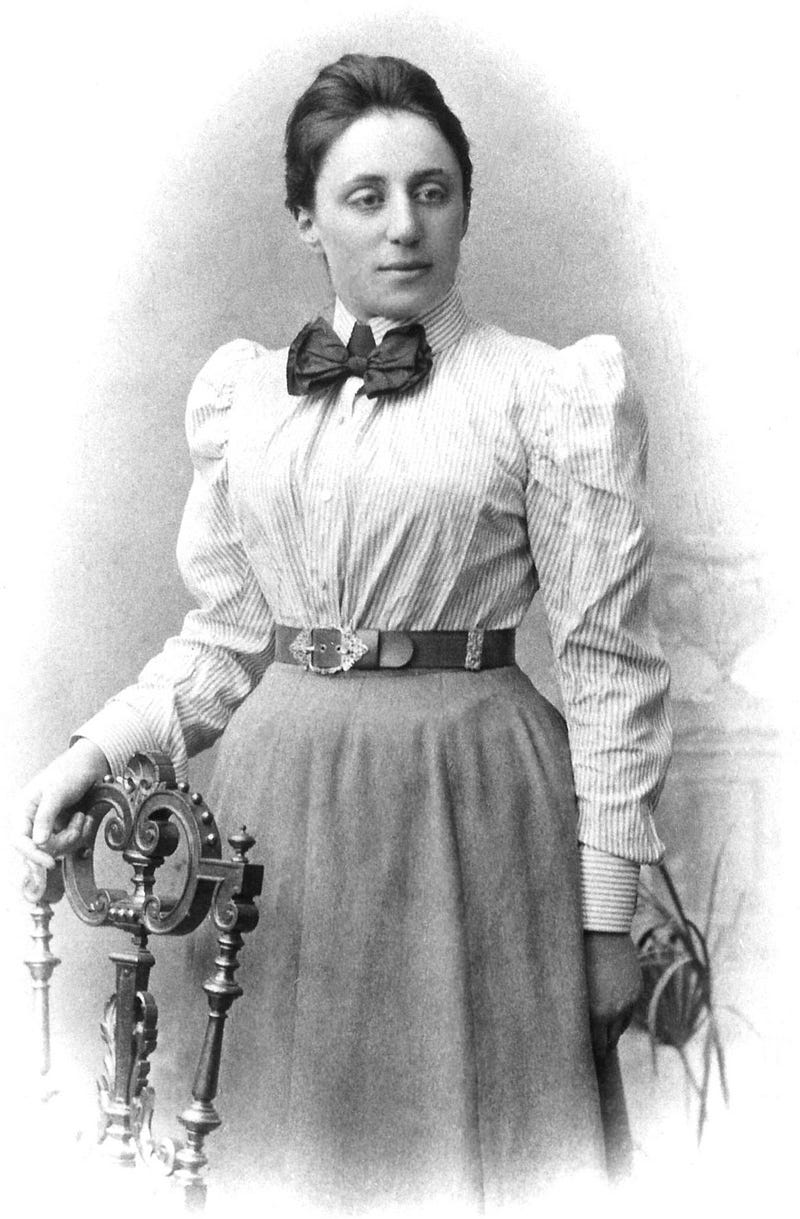
Emmy Amalie Noether stands as one of the most influential mathematicians of all time. Her work revolutionized the field of abstract algebra and laid the foundations for modern theoretical physics.
Noether was born in Germany in 1882 and was the daughter of a prominent mathematician. Despite her clear aptitude for mathematics from a young age, Noether faced numerous challenges as a woman seeking to pursue an academic career.
Noether’s early studies were restricted due to her gender, and she was barred from attending university lectures or receiving formal degrees. However, she was determined to continue her studies, and with the support of her father and mentor, David Hilbert, she could continue her work in isolation. She later attended Erlangen University, where her father was a professor, and completed her doctorate in mathematics, becoming only the second woman to earn a doctorate in that field.
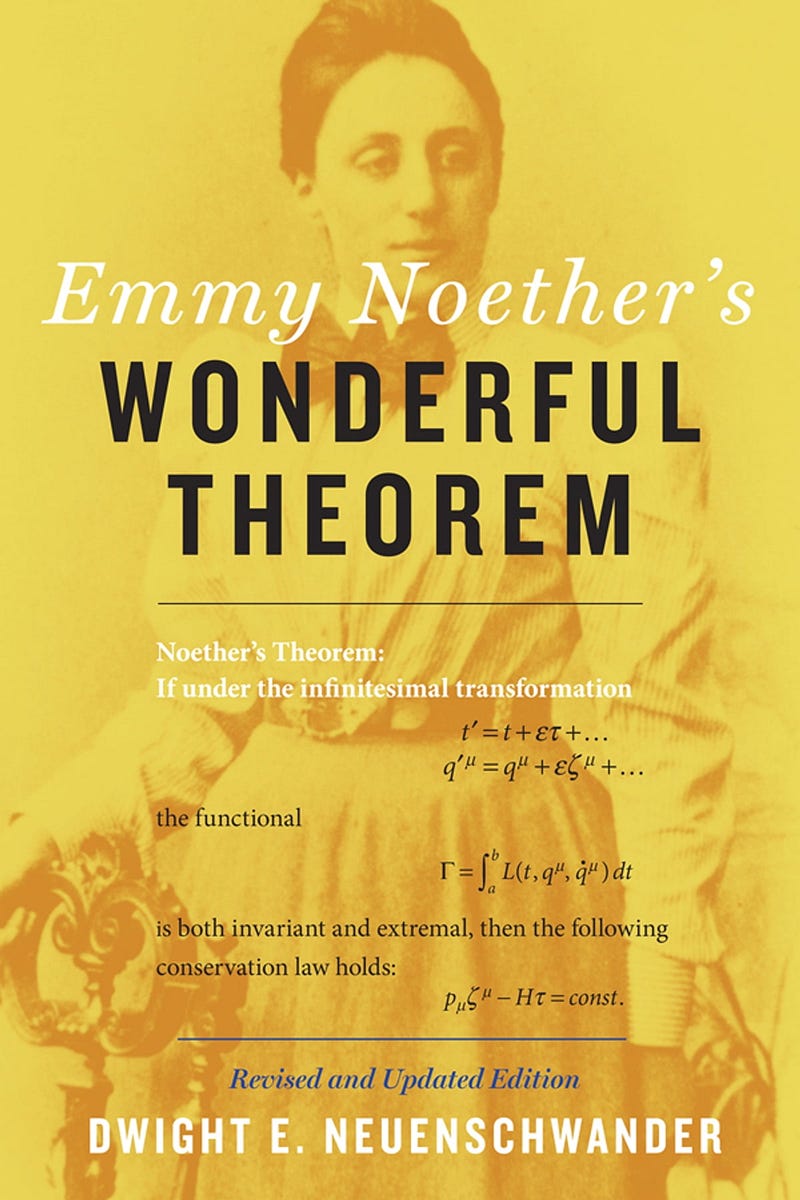
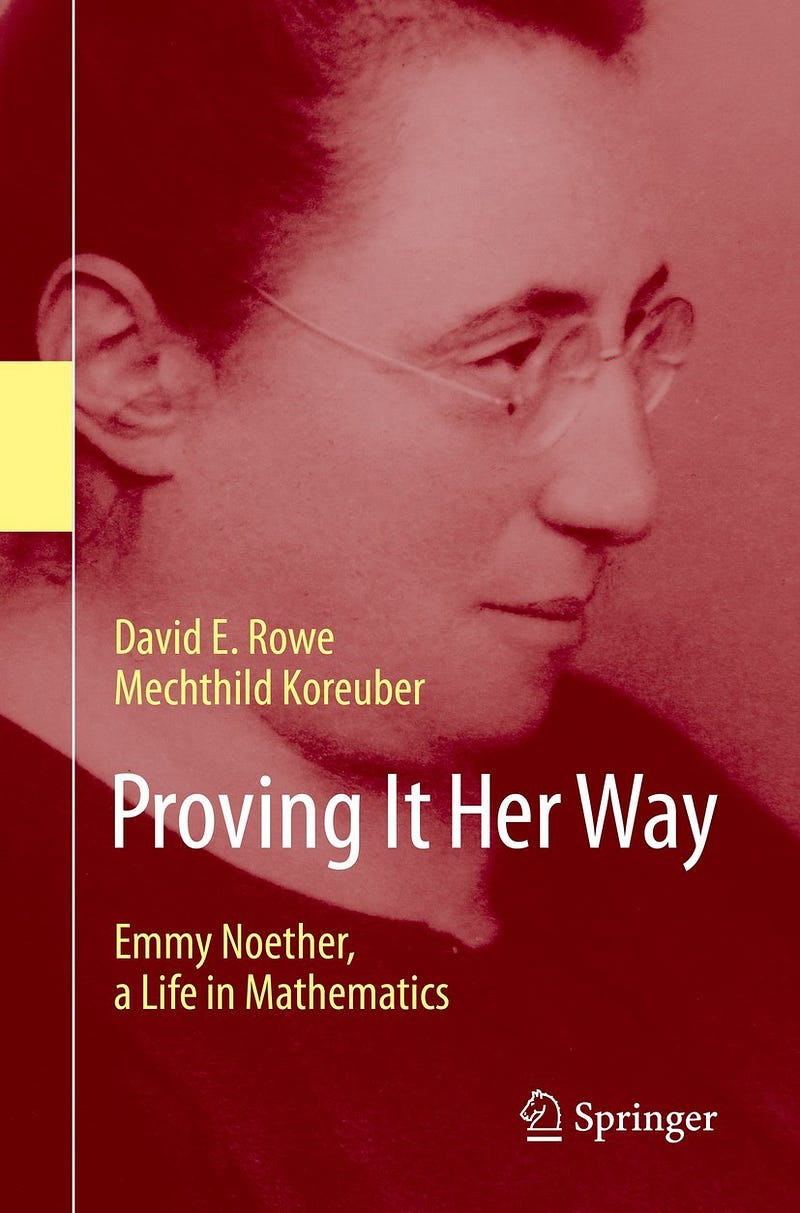
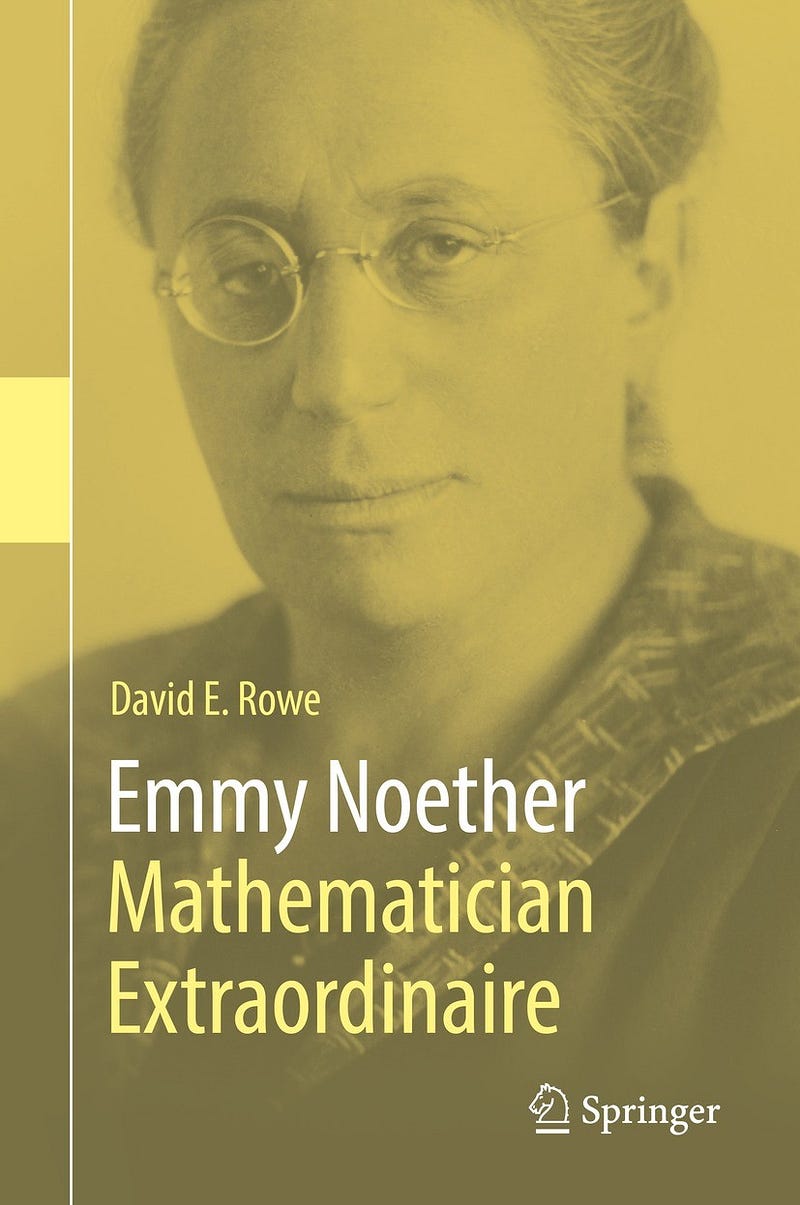
Noether’s groundbreaking contributions to mathematics were in abstract algebra, where she produced a series of groundbreaking theorems. Her work was revolutionary in focusing on the underlying structure of mathematical equations rather than specific numerical solutions.
Noether’s theorem, discovered in 1915, showed a strong relationship between conservation laws and symmetries in physics. This theorem has become a cornerstone of modern theoretical physics and has profoundly impacted our understanding of the universe.
Noether’s work on ring theory and the classification of simple Lie algebras laid the foundation for abstract algebra and transformed our understanding of the structure of mathematical systems. Her impact was further felt in the study of physics, where her theorems greatly influenced the work of Albert Einstein and helped shape our understanding of the laws of motion, conservation of energy and momentum, and even the nature of space and time.
Despite her achievements, Noether faced substantial hurdles because of her gender, and her male colleagues often overlooked her contributions to the field. She was barred from teaching at Gottingen University for many years and was only accepted as an unpaid lecturer thanks to the intervention of her father and Hilbert.
In conclusion, Emmy Noether’s influence on mathematics and theoretical physics cannot be overemphasized. Her profound contributions to the fields of abstract algebra and her theorem on symmetries in physics have fundamentally transformed our understanding of these subjects.
Noether’s story is inspiring, demonstrating the challenges women in mathematics and science have had to confront throughout history. Nonetheless, Noether’s contributions continue to inspire and shape scholarship in mathematics and science today, as her impact has been recognized and celebrated the world over.
Katherine Johnson: The “Hidden Figure” Mathematician at NASA
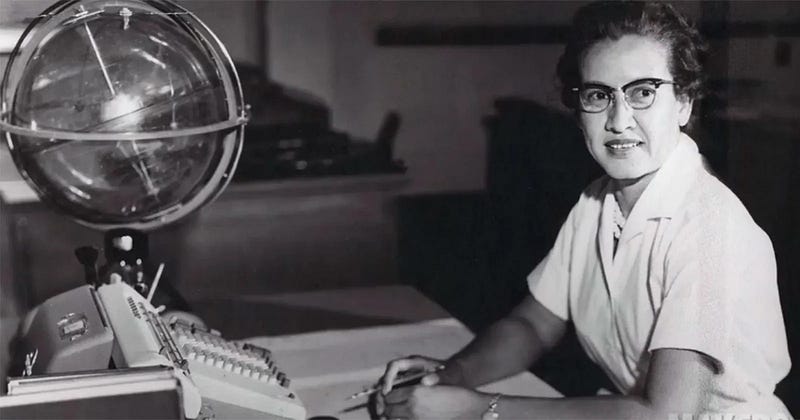
Katherine Johnson is a well-known mathematician who significantly contributed to NASA’s space missions. She was born in 1918 and grew up in West Virginia, where her family emphasized the importance of education. She showed an incredible aptitude for mathematics from a young age and was eager to pursue a career.
After completing high school at only 14, Johnson enrolled in West Virginia State College, earning a mathematics and French degree. She went on to become one of the few black women to work as a mathematician for NASA during a time when segregation was still very much a part of American life.
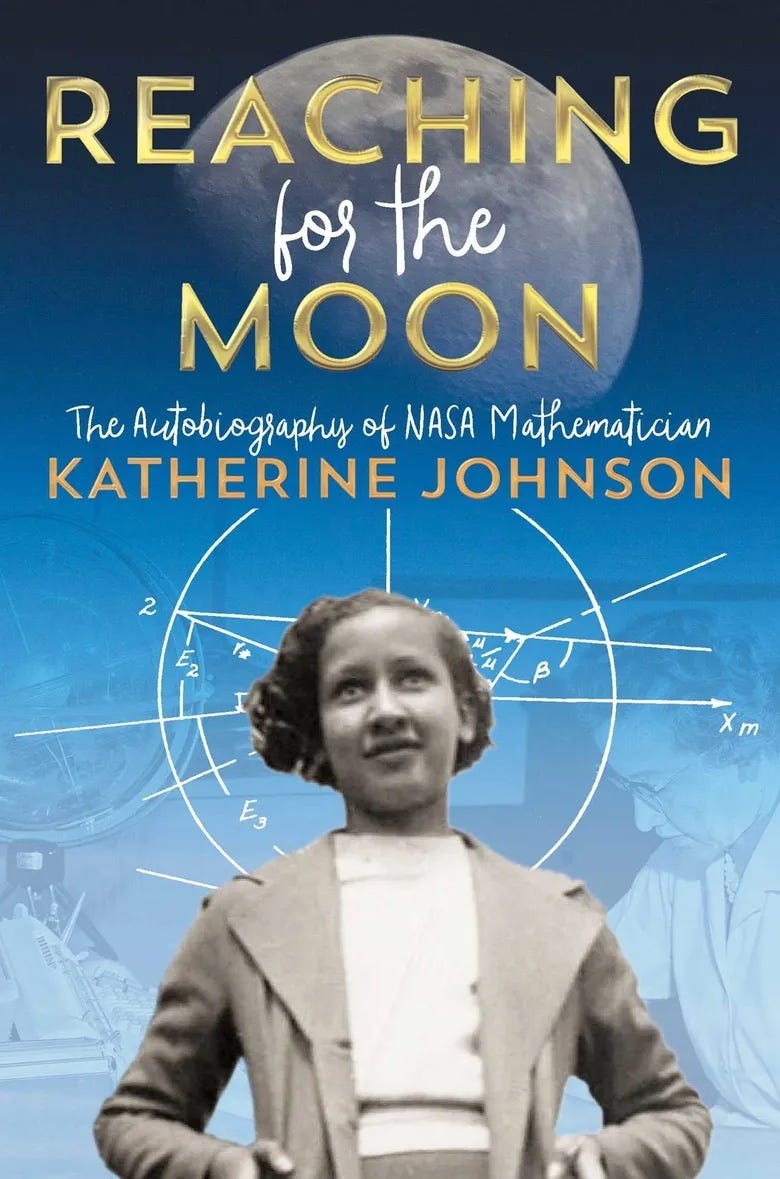
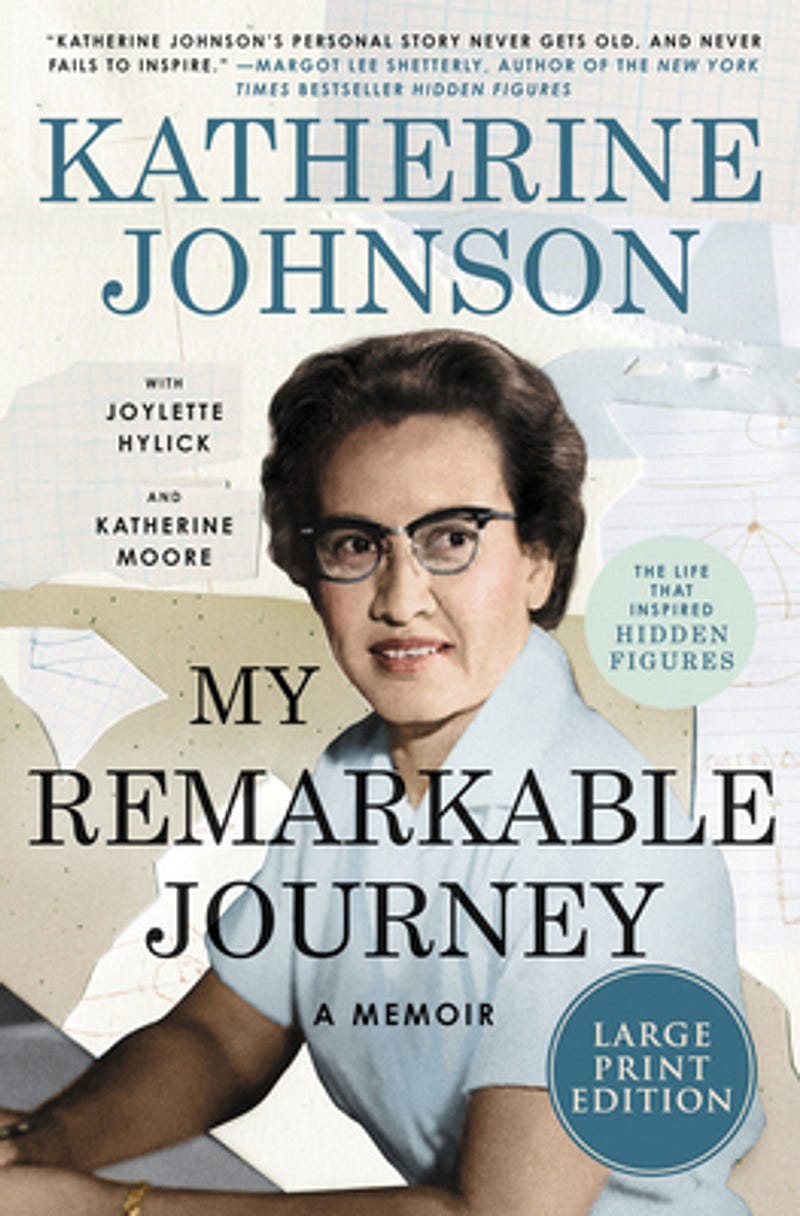
Johnson worked at NASA for over three decades, focusing primarily on the mathematical calculations needed for spaceflight. She played a crucial role in the early NASA missions, including those of John Glenn, Alan Shepard, and Neil Armstrong.
One of Johnson’s most significant contributions was calculating the trajectories of space shuttles. She was responsible for double-checking the calculations made by early computer systems to ensure the accuracy of the shuttle’s path in space. Her work was not only critical to the success of NASA’s missions, but it also paved the way for the development of modern digital technology.
Despite her remarkable achievements and contributions to NASA, Johnson faced numerous obstacles and discrimination throughout her career. She was often referred to as a “human computer.” She was initially assigned to the all-black “West Area Computing” group at NASA, where she worked separately from her white colleagues. However, after her exceptional work became known to her supervisors, Johnson was invited to join the team working on the Mercury mission. Eventually, she became an integral part of NASA’s mission control team.
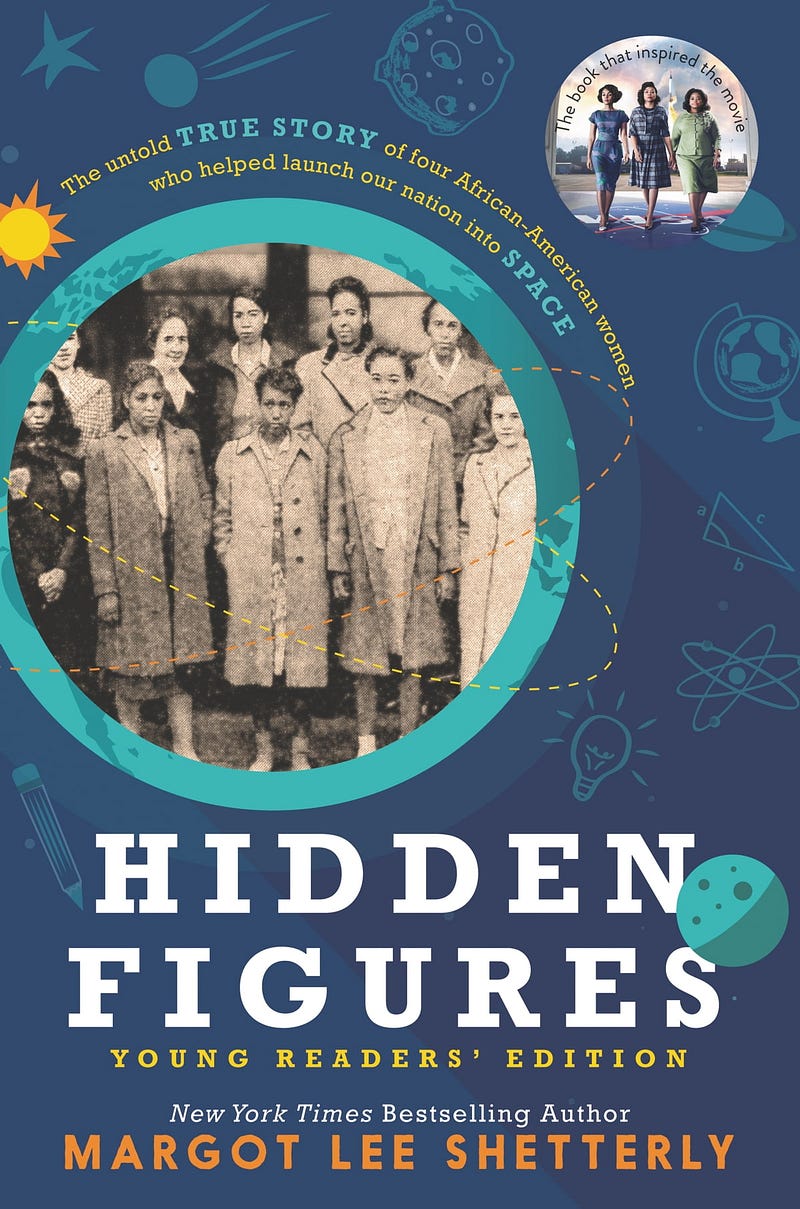
Johnson has since received numerous awards and honors, including the Presidential Medal of Freedom, for her pioneering work in spaceflight. Her story was also the inspiration for the 2016 movie “Hidden Figures,” which showcased the stories of Johnson and her fellow “human computers” who helped to make some of NASA’s most significant achievements possible.
In sum, Katherine Johnson’s contributions to NASA and space exploration are immeasurable. Her work as a mathematician and human-computer helped shape early space missions and has influenced the development of modern technology.
Johnson’s perseverance and dedication in the face of discrimination continue to inspire future generations of mathematicians and scientists to break down barriers and pursue their passions.
Note 1: Beyond Euclid! is my weekly newsletter that brings you only high-quality math and science stuff to ensure you are having a good week.  Please do yourself a favor by subscribing to Beyond Euclid and enjoy it!  And if you can be a member and support my work, that would be awesome! Thank you!

Note 2: I get commissions for purchases made through Amazon links in this post.


