avatarShamiha Said

Free AI web copilot to create summaries, insights and extended knowledge, download it at here

3986

Abstract

hi25_?utm_source=medium&utm_medium=referral">Mansi Gujarathi</a> on <a href="https://unsplash.com?utm_source=medium&amp;utm_medium=referral">Unsplash</a></figcaption></figure><p id="02f4"><b>2. Exhausted after social events</b></p><p id="fab1">I thought everyone felt flat-out exhausted after social events. Still, when I met my extroverted husband, I realised that many people feel energised by social interactions. Although many people may feel tired after a night out, a wedding or a corporate event, it isn’t normal to feel exhausted and need three working days to recover from social interaction.</p><figure id="7d97"><img src="https://cdn-images-1.readmedium.com/v2/resize:fit:800/0*Ud9mrMX79MNfMOdS"><figcaption>Photo by <a href="https://unsplash.com/@all_who_wander?utm_source=medium&amp;utm_medium=referral">Kinga Howard</a> on <a href="https://unsplash.com?utm_source=medium&amp;utm_medium=referral">Unsplash</a></figcaption></figure><p id="8f70"><b>3. Highly emotional</b></p><p id="4baa">Contrary to the stereotypes, autistic people, particularly some autistic women, <a href="https://www.ncbi.nlm.nih.gov/pmc/articles/PMC4801394/#:~:text=One%20study%20%5B34%5D%20found%20higher,group%20(d%20%3D%200.767).">can be highly emotional and have reported higher levels </a>of empathy. For myself, it wasn’t that I was incapable of empathy or didn’t feel emotion; I felt too much emotion, and I struggled to regulate my emotions. So, growing up, nobody picked up on the fact that I’m autistic. Instead, I was repeatedly told that I was too sensitive, so I learned to have my meltdowns behind closed doors, and I suppressed any display of sensory overload. This all changed when I became pregnant with my first child, and all my masking mechanisms went out the window!</p><p id="d004"><b>4. Intense rejection sensitivity</b></p><p id="21f8">Anyone can struggle with rejection in their lifetime, but to experience consistent, intense rejection sensitivity is often a key sign of neurodivergence. For myself, the slightest changes, or somebody telling me <b><i>‘no’,</i></b> would feel like a personal rejection. If someone rejected me, I would often have meltdowns in private or cry uncontrollably because rejection would bring me intense physical and emotional pain.</p><p id="e13c">For example, last year, I met with my manager, and he expressed that they weren’t happy with my performance (they didn’t implement reasonable adjustments, so I fell behind). I cried uncontrollably. I didn’t want to show my emotions and weakness, but it felt like someone had daggered my heart.</p><figure id="c7c8"><img src="https://cdn-images-1.readmedium.com/v2/resize:fit:800/0*vEeZ7x6lL4xnRCEt"><figcaption>Photo by <a href="https://unsplash.com/@louiscesar?utm_source=medium&amp;utm_medium=referral">Louis Galvez</a> on <a href="https://unsplash.com?utm_source=medium&amp;utm_medium=referral">Unsplash</a></figcaption></figure><p id="f51c"><b>5. Feeling inherently different</b></p><p id="da72">Many autistic women who present as ‘high-functioning’ may feel that they’re an alien and too different from the rest. I tried so hard to fit in with others, to make this feeling disappear, but no matter how well I performed, this feeling stayed. When I talked to neurodivergent people, I finally felt like I was understood and truly accepted.</p><p id="abe0"><b>6. Being a target for bullies</b></p><p id="f29d"><a href="https://www.york.ac.uk/news-and-events/news/2019/research/children-autism-bullied-home-school/#:~:text=The%20study%20revealed%20that%2C%20at,half%20of%20children%20without%20autism.">Autistic children and teenagers, particularly girls, may be deemed an easier target for bullies because they are exhibiting differences and challenges from their neurotypical peers.</a> If someone is struggling to communicate or mixes up social cues, then bullies may use this against autistic people. I was bullied as a young child because I never felt strong enough to stand up against them

Options

, and even when I wanted to say something, I would become selectively mute.</p><figure id="ce2c"><img src="https://cdn-images-1.readmedium.com/v2/resize:fit:800/0*jlW7uXSNXH-P1kF4"><figcaption>Photo by <a href="https://unsplash.com/@jakaylatoney?utm_source=medium&amp;utm_medium=referral">Jakayla Toney</a> on <a href="https://unsplash.com?utm_source=medium&amp;utm_medium=referral">Unsplash</a></figcaption></figure><p id="260d"><b>7. Controlling facial expressions</b></p><p id="aaff">It wasn’t until I was diagnosed with autism that I realised that controlling your facial expressions isn’t normal. Our allistic peers’ facial expressions happen naturally and can change innately without conscious control. I have always been very aware of my facial expressions, and I would give myself internal reminders such as; ‘<i>Look up at his forehead to show you’re paying attention, ‘Smile because they said hello’, ‘Look sad when you hear someone’s passed away’</i> and countless more. Rehearsing and controlling facial expressions can be a clear indicator that someone who is high-functioning is autistic.</p><p id="e1ad"><b>8. Acting submissive</b></p><p id="c3b1">Some autistic women may act submissive so that they can seem as normal as possible and so that they are accepted in society. When I was younger, I would often agree with whatever my friends, family or teachers said, even if I didn’t agree, because I didn’t want to warrant unnecessary attention to myself.</p><p id="e157">One of the reasons why autistic women are less likely to be diagnosed with autism is because we ignore our inner voice and concerns and allow other people’s images of us to be at the forefront. This was highly damaging for me and meant that I felt deeply unhappy with myself and my values, and I had no sense of self. Finding out I was autistic and going to therapy allowed me to highlight my voice and find a sense of self.</p><p id="d640"><b>9. Struggling when you don’t have a clear role</b></p><p id="da80">One of the critical things I struggle with as someone who is ‘high-functioning’ and autistic is knowing what to do when I don’t have a clear role. If I am working on a project and I am expected to contribute, I need to know what my role is and what is expected from me. When I am just expected to find my role or ‘<i>chip in’</i>, I struggle to get involved as I can’t function if I don’t know my purpose. Autistic people need clarity, and in the absence of clarity, our autistic traits and needs become much more apparent.</p><figure id="b265"><img src="https://cdn-images-1.readmedium.com/v2/resize:fit:800/0*v4GThKXOS1CRxp2Y"><figcaption>Photo by <a href="https://unsplash.com/@iamsherise?utm_source=medium&amp;utm_medium=referral">Sherise Van Dyk</a> on <a href="https://unsplash.com?utm_source=medium&amp;utm_medium=referral">Unsplash</a></figcaption></figure><p id="9051"><b><i>Disclaimer: I know it is not politically or medically correct to say ‘high-functioning’, and when I say high-functioning, this means someone with level 1 ASD.</i></b></p><p id="2c68"><b><i>I hope you found this helpful. Is there anything you’d add? Please comment if you found this insightful or enjoyed reading it, as Medium writers are now paid for engagement, including comments, claps, and highlights!</i></b></p><p id="05de"><b><i>If you found my content relatable and insightful, please do all three. I love reading your comments; it keeps me going!</i></b></p><p id="f7e2"><b><i>I frequently write about the Neurodivergent experience and write on Medium, so follow me for more content and subscribe to be the first to learn about my upcoming book! Thank you for all of your support!</i></b></p><p id="c281"><b><i>Follow my socials; I recently started making daily TikTok videos and would love your support! Leave me a comment, and let me know if you came from Medium.</i></b></p><p id="9e60"><a href="https://linktr.ee/shamihasaid"><b><i>https://linktr.ee/shamihasaid</i></b></a></p></article></body>

9 Hidden Secrets Of ‘High-Functioning’ Autistic Women

9 Overlooked Traits That Autistic Women Struggle With Behind Closed Doors
Image created on Canva by Author.

Autistic women are four times less likely to be diagnosed than men, and the majority of us are diagnosed with autism late in adulthood. As devastating as this statistic is, it isn’t surprising, as gender bias plays a key role when being diagnosed with autism and has even resulted in misdiagnosis in women.

I was diagnosed with autism and ADHD at the age of 27, and before that, doctors diagnosed me with depression and anxiety. They had previously alluded that my symptoms were probably caused by borderline personality disorder (BPD). At the time, I was a confused 21-year-old who had all these big feelings she was trying to control and hide because she wanted to seem as ‘normal’ as possible; and in my gut, I knew that although my symptoms did resonate with BPD, it just didn’t feel like the right diagnosis.

Research suggests that BPD is a shockingly common misdiagnosis for autistic women, and my experiences aren’t unique. To add, when I highlighted this on my TikTok channel, many women commented that they had been misdiagnosed with BPD in the past, which further indicates the role of gender bias in autism diagnosis.

One of the reasons why I was almost misdiagnosed with BPD is because I have always been high-masking and presented as ‘high-functioning’. And so, whenever I would showcase my true autistic traits or have meltdowns because I was in sensory overload, I was seen as being emotionally unstable. My inability to regulate my emotions wasn’t because I couldn’t find stability but because my brain is wired differently as I’m autistic.

Being a high-masking autistic woman often means that you can be high-functioning or someone with low support needs. This means that we are less likely to realise that we could be autistic or to be diagnosed with autism. Sometimes, the mask is so opaque that we cannot see our truths.

Here are some of the hidden secrets that I was autistic and ‘high functioning’:

1. I used to be a perfectionist

I became so obsessed with maintaining appearances that I didn’t even realise when this began to translate into perfectionism. Although anyone can be a perfectionist, autistic people have a strong need for order and control, so we may set ‘perfect’ standards to help avoid chaos and uncertainty. Because I am an ‘all or nothing’ person, my black-and-white thinking means I believe things are done the ‘right’ way or not at all. On many occasions, I have met these standards, but inevitably, I have become chronically exhausted. Although I present as high functioning with low support needs, I still have unmet support needs because I’m autistic. Through therapy, I realised that I needed to work through my perfectionist tendencies so that I could free up my spoons and accept imperfections.

Photo by Mansi Gujarathi on Unsplash

2. Exhausted after social events

I thought everyone felt flat-out exhausted after social events. Still, when I met my extroverted husband, I realised that many people feel energised by social interactions. Although many people may feel tired after a night out, a wedding or a corporate event, it isn’t normal to feel exhausted and need three working days to recover from social interaction.

Photo by Kinga Howard on Unsplash

3. Highly emotional

Contrary to the stereotypes, autistic people, particularly some autistic women, can be highly emotional and have reported higher levels of empathy. For myself, it wasn’t that I was incapable of empathy or didn’t feel emotion; I felt too much emotion, and I struggled to regulate my emotions. So, growing up, nobody picked up on the fact that I’m autistic. Instead, I was repeatedly told that I was too sensitive, so I learned to have my meltdowns behind closed doors, and I suppressed any display of sensory overload. This all changed when I became pregnant with my first child, and all my masking mechanisms went out the window!

4. Intense rejection sensitivity

Anyone can struggle with rejection in their lifetime, but to experience consistent, intense rejection sensitivity is often a key sign of neurodivergence. For myself, the slightest changes, or somebody telling me ‘no’, would feel like a personal rejection. If someone rejected me, I would often have meltdowns in private or cry uncontrollably because rejection would bring me intense physical and emotional pain.

For example, last year, I met with my manager, and he expressed that they weren’t happy with my performance (they didn’t implement reasonable adjustments, so I fell behind). I cried uncontrollably. I didn’t want to show my emotions and weakness, but it felt like someone had daggered my heart.

Photo by Louis Galvez on Unsplash

5. Feeling inherently different

Many autistic women who present as ‘high-functioning’ may feel that they’re an alien and too different from the rest. I tried so hard to fit in with others, to make this feeling disappear, but no matter how well I performed, this feeling stayed. When I talked to neurodivergent people, I finally felt like I was understood and truly accepted.

6. Being a target for bullies

Autistic children and teenagers, particularly girls, may be deemed an easier target for bullies because they are exhibiting differences and challenges from their neurotypical peers. If someone is struggling to communicate or mixes up social cues, then bullies may use this against autistic people. I was bullied as a young child because I never felt strong enough to stand up against them, and even when I wanted to say something, I would become selectively mute.
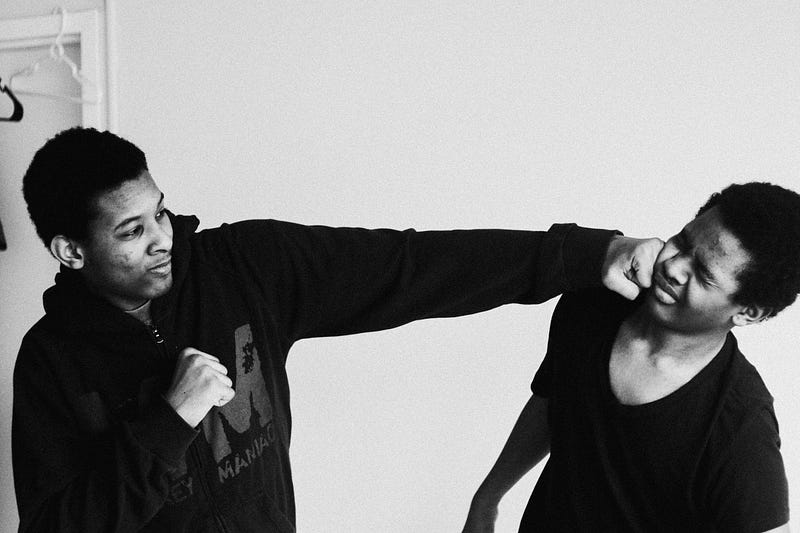
Photo by Jakayla Toney on Unsplash

7. Controlling facial expressions

It wasn’t until I was diagnosed with autism that I realised that controlling your facial expressions isn’t normal. Our allistic peers’ facial expressions happen naturally and can change innately without conscious control. I have always been very aware of my facial expressions, and I would give myself internal reminders such as; ‘Look up at his forehead to show you’re paying attention, ‘Smile because they said hello’, ‘Look sad when you hear someone’s passed away’ and countless more. Rehearsing and controlling facial expressions can be a clear indicator that someone who is high-functioning is autistic.

8. Acting submissive

Some autistic women may act submissive so that they can seem as normal as possible and so that they are accepted in society. When I was younger, I would often agree with whatever my friends, family or teachers said, even if I didn’t agree, because I didn’t want to warrant unnecessary attention to myself.

One of the reasons why autistic women are less likely to be diagnosed with autism is because we ignore our inner voice and concerns and allow other people’s images of us to be at the forefront. This was highly damaging for me and meant that I felt deeply unhappy with myself and my values, and I had no sense of self. Finding out I was autistic and going to therapy allowed me to highlight my voice and find a sense of self.

9. Struggling when you don’t have a clear role

One of the critical things I struggle with as someone who is ‘high-functioning’ and autistic is knowing what to do when I don’t have a clear role. If I am working on a project and I am expected to contribute, I need to know what my role is and what is expected from me. When I am just expected to find my role or ‘chip in’, I struggle to get involved as I can’t function if I don’t know my purpose. Autistic people need clarity, and in the absence of clarity, our autistic traits and needs become much more apparent.
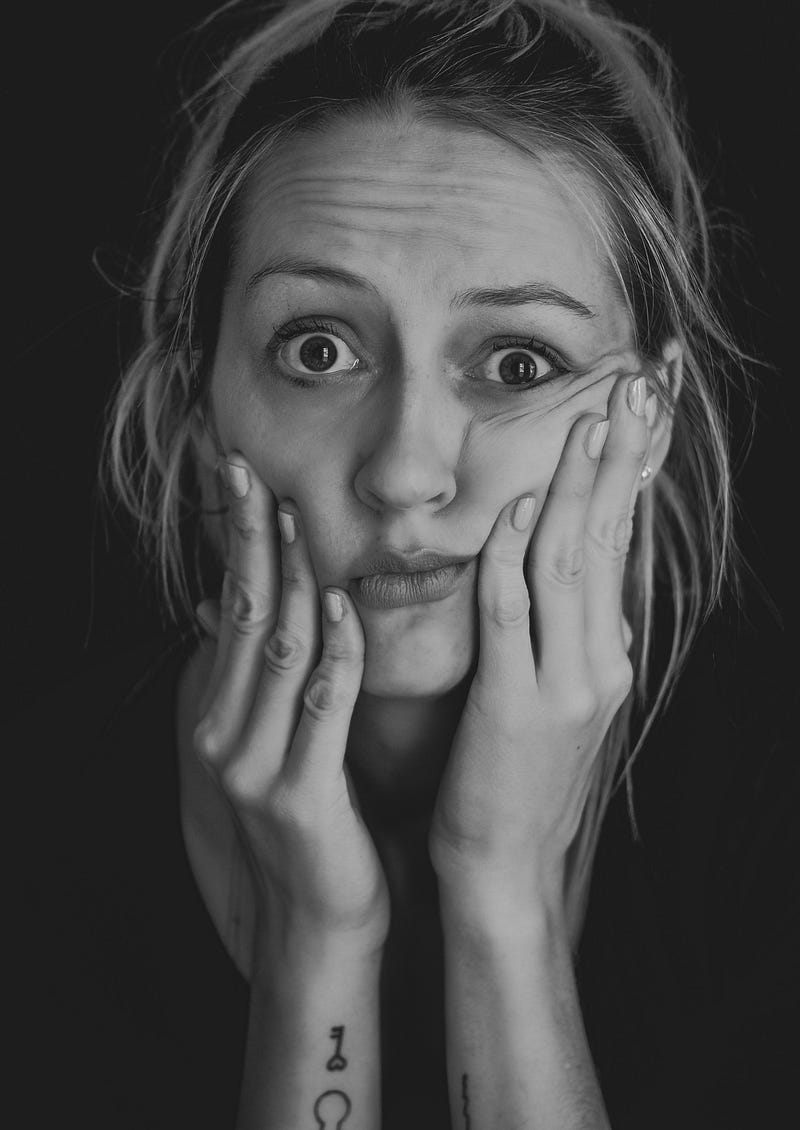
Photo by Sherise Van Dyk on Unsplash

Disclaimer: I know it is not politically or medically correct to say ‘high-functioning’, and when I say high-functioning, this means someone with level 1 ASD.

I hope you found this helpful. Is there anything you’d add? Please comment if you found this insightful or enjoyed reading it, as Medium writers are now paid for engagement, including comments, claps, and highlights!

If you found my content relatable and insightful, please do all three. I love reading your comments; it keeps me going!

I frequently write about the Neurodivergent experience and write on Medium, so follow me for more content and subscribe to be the first to learn about my upcoming book! Thank you for all of your support!

Follow my socials; I recently started making daily TikTok videos and would love your support! Leave me a comment, and let me know if you came from Medium.

https://linktr.ee/shamihasaid

Mental Health
Psychology
Autism
Advice
Life Lessons
Recommended from ReadMedium