
9 Haiku Poems for Inner Peace
My haiku poems from Twitter
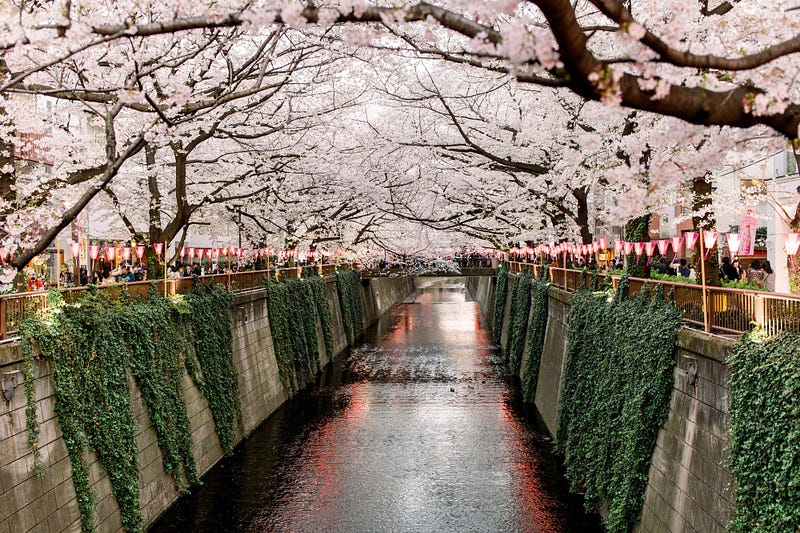
note: Haiku is a form of very short poetry -or micropoetry- that originated in Japan. Traditional Japanese haikus, with few exceptions, have only three verses consisting of 5/7/5 syllables, but these are the shorter ‘on’ syllables. So, rather than 17 syllables in total their English variants would need to have ~12 syllables in total (4/4/4, 3/6/3 etc) to correspond phonetically.
Such a syllable count is difficult to crack in English because English ≠ Japanese. It think it’s a bit too concise for English, so I prefer to write haikus up to 17 syllables in total, and I usually stick to a 5/7/5 scheme for consistency and simplicity.
Below I present the haiku poems I wrote for Twitter’s #haikuchallenge the last few days, which I polished further to publish here. The numbers refer to the syllables per verse and each theme is in bold:
(kiss)
Our non stolen kiss still haunts me my Moon our abandoned kiss
(5/5/5)
(bend)
A man who can bend is not easily broken bendable hearts mend
(5/7/5)
(desire)
No more desire or its sister lust I need to be free
(4/5/5)
(crave)
I no longer crave pleasure and hedonism I want inner peace
(5/6/5)
(war)
Mankind’s childhood stage that is what war is childhood needs to end
(5/5/5)
(calm)
The calm before the storm we need to mollify our inner tempest
(6/6/5)
(long)
Long is the distance a man has to drive to get some solitude
(5/5/6)
(crave)
I crave for the taste of her strawberry lips every year in spring
(5/6/5)
(sorrow )
Within my sorrow wisdom fragments lay dormant they are awakened
(5/7/5)
post-note: I’m not exactly sure how but the above haiku poems have made me feel calmer or, at least, quite less anxious since I started writing them. The title is not a click-bait, it reflects how I felt while and after writing them.
I realize now, after taking a deeper dive into haiku poetry, and having looked into renowned Japanese haiku poets and reading their poems, why it is considered the Zen or meditative form of poetry and why they need to be as simple and short as possible (hint: not for the sake of the poems).
I will try writing 11–13 syllable haiku nanopoems too, since haiku purists insist that is the ideal syllable count for phonetic equivalence with the Japanese originals. Since I managed to trim ‘desire’ down to 14 syllables I believe I can go further.


