
9 Best Paths For Conscious Breathing (Breathwork)
A Path to Enlightenment
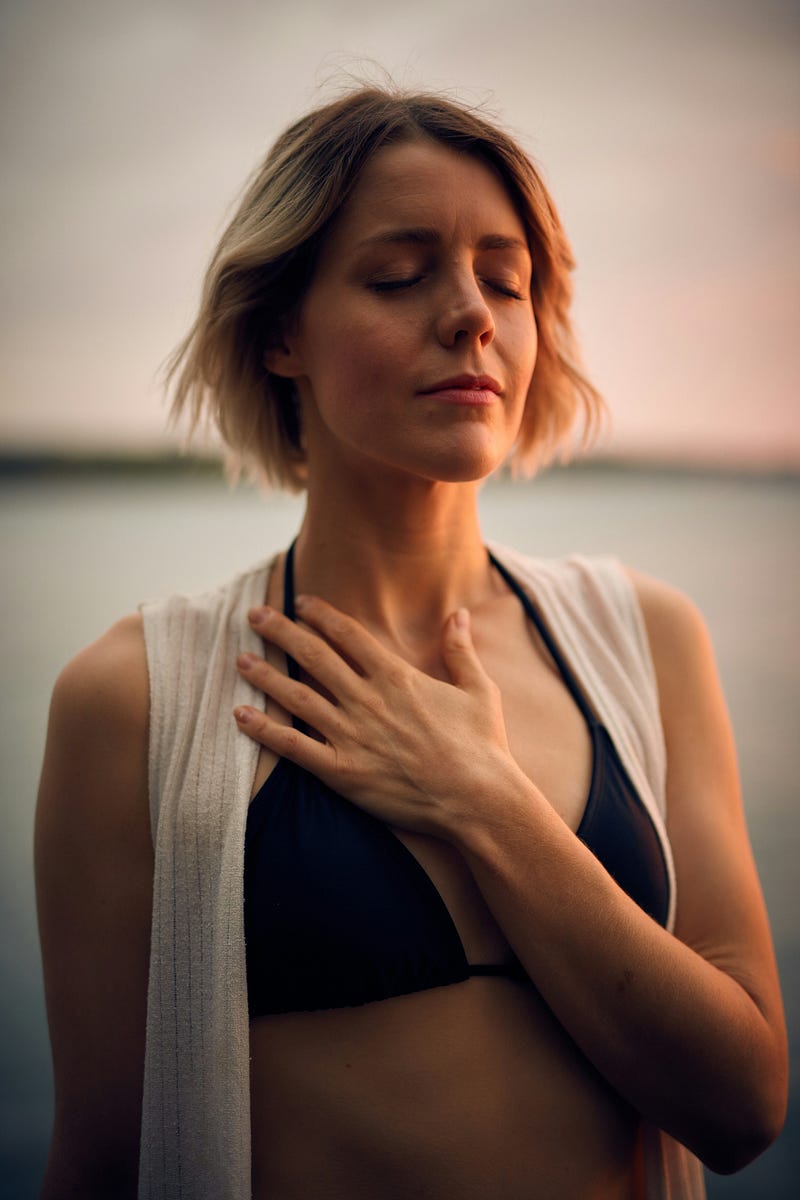
Conscious Breathing, also called Breathwork, is a Personal Growth term describing various breathing practices focused on the conscious control of the breath.
This intentional Breathwork is said to influence a person’s mental, emotional, or physical state, with a therapeutic effect. It is also used as a tool to assist a person in entering altered states of consciousness.
My own history in Conscious Breathing originated with techniques devised by Leonard Orr in the 1970s, specifically in his “Rebirthing’ technique. These I applied in my own internal explorations in floatation tanks.
Edzard Ernst writes “Breathwork is the use of breathing techniques in order to achieve altered states of consciousness and to have a variety of effects on physical and mental well-being.”
Conscious Breathing goes back to ancient times and is a multicultural method derived from multiple spiritual and pre-scientific traditions from around the world.
Master teachers of Conscious Breathing believe it can “dissolve limiting Regenerating Thought Processes” that are “stored” in the mind and body. Conscious Breathing can increase one’s ability to handle more “qi”. Conscious Breathing practitioners believe that an individual’s particular pattern of passive breathing can lead to insights about their unconscious mind, and even influence lucid dreams and astral projection.
The Practice
During a Conscious Breathing session, individuals typically lie down on a bed, a massage table, or a mat. Here, if they are beginners a guide will instruct them to breathe using particular methods, depending on the sub-type, or particular technique of Conscious Breathing.
Initially, most Conscious Breathing sessions last around an hour. When done regularly it may be done by individuals alone, for shorter periods.
Consciousness Shifts
What I call a “Consciousness Shift” might be referred to as a “side effect” by a psychologist.
One of the common experiences in personal growth, and self-improvement is that there may be unique, and unexpected shifts in awareness, intuitive sensibilities, and ordinary mental, emotional, and physical patterns and experiences. These Consciousness Shifts may include sleepiness; tingling in the hands, feet, or face; and a sense of altered consciousness that can be distressing to some.
Conscious Breathing is generally considered safe if done with a skilled practitioner. Still, there can be some negative experiences and contraindications for individuals suffering from cardiovascular disease, glaucoma, high blood pressure, mental illness, severe asthma, or seizure disorders, among others.
Let’s Go Deeper Here…
Conscious breathing involves methods directing awareness to the breath. This serves many purposes including
- improving respiration,
- building mindfulness,
- helping a person enter an altered state of consciousness
In martial arts like Aikido tai chi and qigong, conscious breathing exercises strengthen the diaphragm muscles and protect organs. Here reverse breathing is a common method. Reverse breathing is commonly referred to as Taoist breathing, or Qi gong breathing. It consists of expanding the abdomen while breathing out through the nose and then compressing it while inhaling through the mouth, which is the opposite of what an abdomen would do during natural, instinctive breathing
Meditation traditions, including yoga, Zen, Kundilini, and Tantra, emphasize breath control.
“More smiling, less worrying. More compassion, less judgment. More blessed, less stressed. More love, less hate.” ― Roy T. Bennett, The Light in the Heart
Yoga’s pranayama elevates life energies (prana), while Buddhist vipassanā uses rhythmic inhalation and exhalation — paying attention to the breath, even when using a mantra. This promotes mindfulness of breath. Coherent breathing involves conscious inhalation and exhalation to achieve relaxation.
Specialized Forms of Conscious Breath Include:
- For wind instruments: In music, circular breathing enables wind instrument players to produce a continuous tone.
- For Singing: Singers rely on breath control through consciously managed breathing stages. The Buteyko method in physical therapy focuses on breathing exercises for conditions like asthma, emphasizing nasal breathing and relaxation. In psychology, Integrative Breathing combines various techniques to address specific needs, particularly in cases of drug abuse disorders and post-traumatic stress disorder.
- Personal growth: Holotropic Breathwork and Rebirthing-breathwork, developed in the late 1960s and 1970s, use deepened breathing for accessing altered states of consciousness and purging repressed memories.
- In martial arts: In tai chi, aerobic exercise is combined with breathing exercises to improve posture, strengthen the diaphragm muscles, and make better use of the body’s qi.
- In meditation: Different forms of meditation and yoga advocate various breathing methods.
- In yoga: Combined, the various methods are called pranayama. In yoga, breath is associated with prana, thus, pranayama is a means to elevate life energies (Qi). Methods include prolonging the in and outbreaths, holding pauses on the in- or out-breath or both, alternate nostril breathing, and breathing with the glottis slightly engaged.
- In psychotherapy: “Integrative Breathing” is a non-dogmatic approach that combines specific benefits of various schools of conscious breathing according to the needs of clients
- Inner child work: Rebirthing-breathwork was developed by Leonard Orr in the 1970s. It uses conscious breathing to purge repressed birth memories and traumatic childhood memories.
- Entering Altered States: Holographic Breathwork was developed by Stanislav Grof in the 1960s. It uses deepened breathing to allow access to non-ordinary states of consciousness.
My Own Experiences
In qigong, reverse breathing is a breathing technique which consists of expanding the abdomen while breathing out through the nose and then compressing it while inhaling through the mouth, which is the opposite of what an abdomen would do during natural, instinctive breathing. The technique is also widely practiced in a number of martial arts. Some notable ones include kung fu, baguazhang, and tai chi.
Reverse breathing is believed to activate healing and protective qi as the practitioner is consciously controlling the breath in a way opposite to normal breathing. By expanding the abdomen while delivering some technique (e.g. punch), the martial artists also protect the inner organs from any received counterattack.
The Takeaway
Many people have different approaches, and lots charge money to teach people how to use their own breath. They are usually called facilitators and it involves deep inhaling and exhaling. Breathwork can often be considered in the realm of taking classes like you would yoga, either with a group or privately.
From my standpoint, drawn from Mystic Taoism and Essential Zen you don’t need that and you would just follow your breath, there are different ways and you might need to experiment to see what works best for you. One way is to feel/watch the breath from its inhale through the nose, down the chest into the abdomen, and then follow the exhale the same way. Another is feel/watch the chest rising and collapsing with each breath, also can feel/watch it at the tip of the nose when you are exhaling. Whatever the method this can be done sitting, standing, or lying down either at any point in the day or especially at nite before bed. Your not trying to control the breath or breathe fast or hyperventilate, it’s just a normal breath but your watching it. This will calm the mind which in turn calms the body. This is all for free, you don’t have to pay anyone and take it anywhere you go.
This story is an excerpt from my course “The Mystic’s Academy”
©Lewis Harrison, all rights reserved.
Before you go…
I am Lewis Harrison, a successful entrepreneur, and advisor to philanthropists. I am also the award-winning author of over twenty books on business, leadership, personal growth, and strategic thinking. I offer programs, courses, and coaching. I also teach seminars and speak on personal development and life strategies. Reach out to me at askLewis.com
Here are a few stories in a similar vein:
@barry4th
@LewisCoaches:
Published by Annelise Lords