
Food/Travel/Travel Writing
9 Awesome Bites Of Fukuoka Captured By My Lens
My encounter with the food, produce and restaurants of Fukuoka
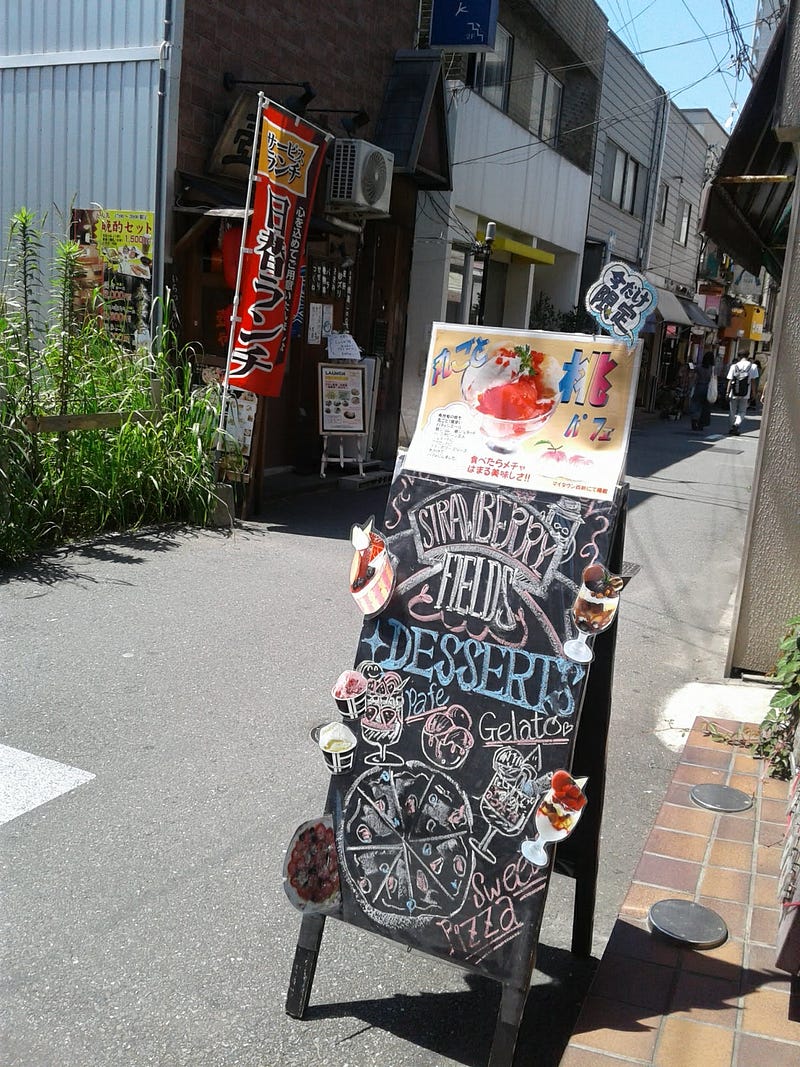
Fukuoka is one of the prefectures of Japan. Its capital bears the same name. Fukuoka is the sixth largest city in Japan.
I went there a few years ago. The city is not as vibrant and crowded as the other cities in Japan. As most visitors put it into words —an unhurried, mellow and province-like kind of city.
It has its own charm, food for every taste bud and arrays of streets that allow you to be all alone.
It is a good starting point for every curious taste bud. Acquainting you of what is around without the crowd shattering your peace.
I stayed in a hotel across from the Hakata station. Hakata is a ward in Fukuoka. An “I have it all” kind of station, from the train station, bus terminal, mall, supermarket, food haven, and restaurants. In the basement are countless ramen houses, sushi bars and izakaya ( a type of informal Japanese bar).
Now, let me walk you into my gastronomic encounters captured by my lens.
1. Hakata Ramen
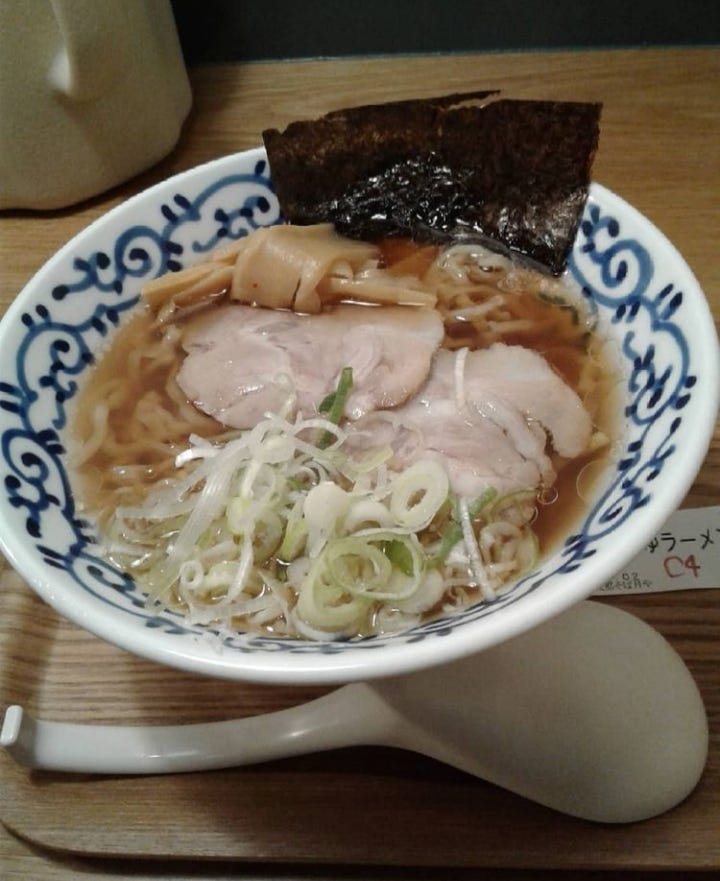
Hakata Ramen is the specialty of the city.
It is a hot noodle dish whose rich broth is brought out by cooking pork backbones, head, and other ingredients. There’s a nutty flavor in the broth as if peanut butter was added.
If you can’t get enough of the ramen, you can take them home with their packs of to-go versions.
I rarely eat pork. And Hakata Ramen was one of the rare times. I didn’t want to be a killjoy just because of my food preference. It’s like, I went to Hakata and didn’t eat Hakata Ramen.
It’s not bad to break the rules of life once in a while. It’s a matter of mind over taste buds. But pork is pork. And I just don’t like the taste of pork. I didn’t want to be rude, so I had eaten it all, up to the last drop of the soup.
There are kinds of ramen that are not pork-based. I tried that one, too. Though simple in taste, the generous amount of spring onions that accompanied the soup enhanced the flavor.
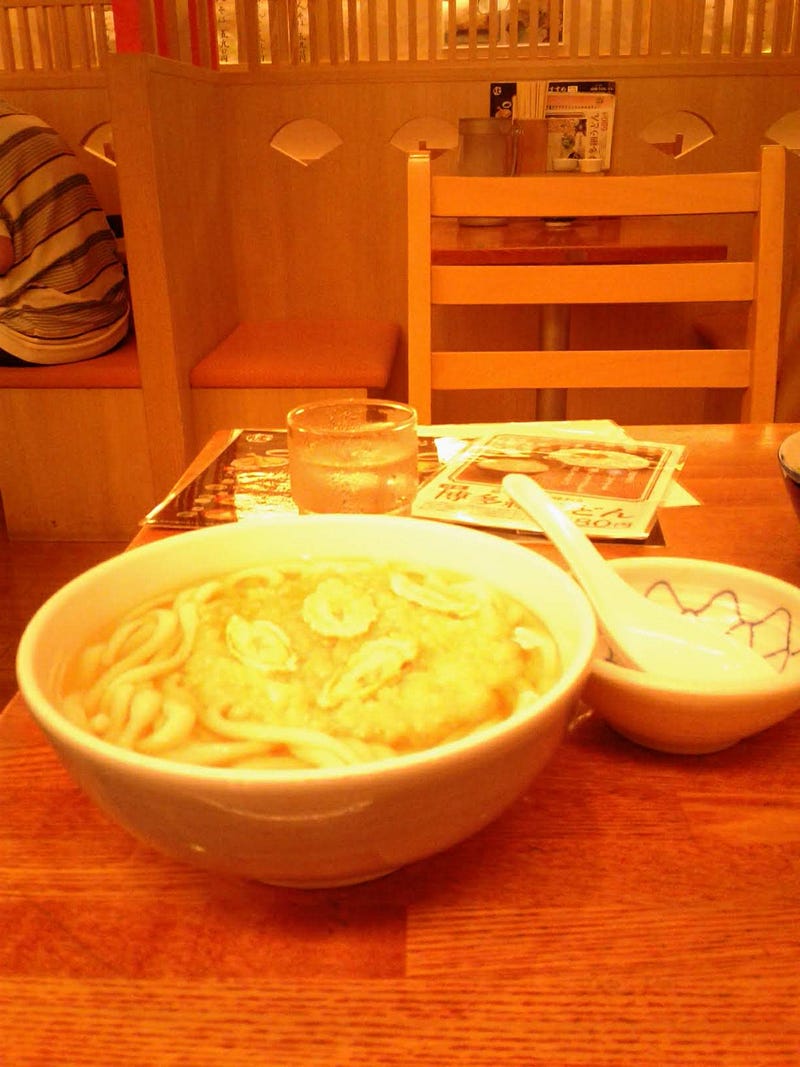
2. The food ticket vending machine
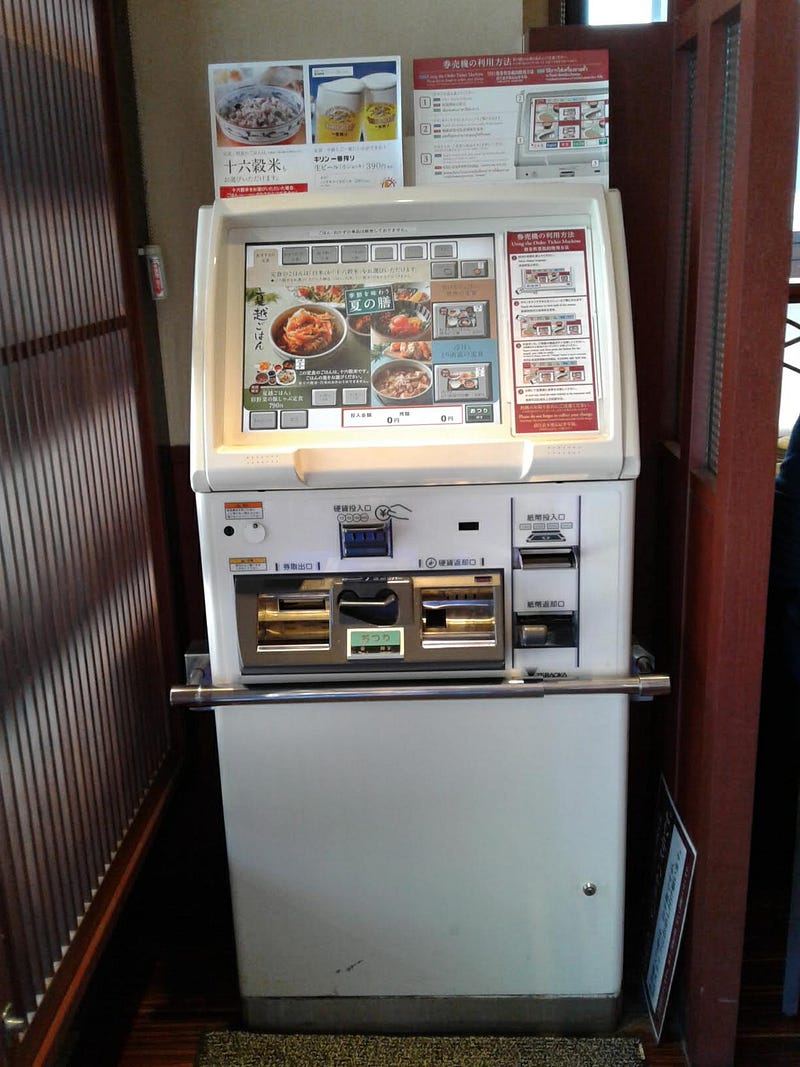
Most of the restaurants are contactless. I had to deal with this ATM-looking structure to order and pay for my meal.
The menu is with English names anyway. But if you are not familiar with Japanese dishes, it’s a challenge. The pictures are your allies. Just press the desired meal and insert the bill for payment. A stub will come out. It’s as easy as purchasing a train ticket. Give your ticket to a staff member. Choose your preferred seat and wait for the food to be served.
Sometimes it’s better to deal with the machine because you know it’s a machine than be lost in translation with the staff😁.
3. McDonald’s
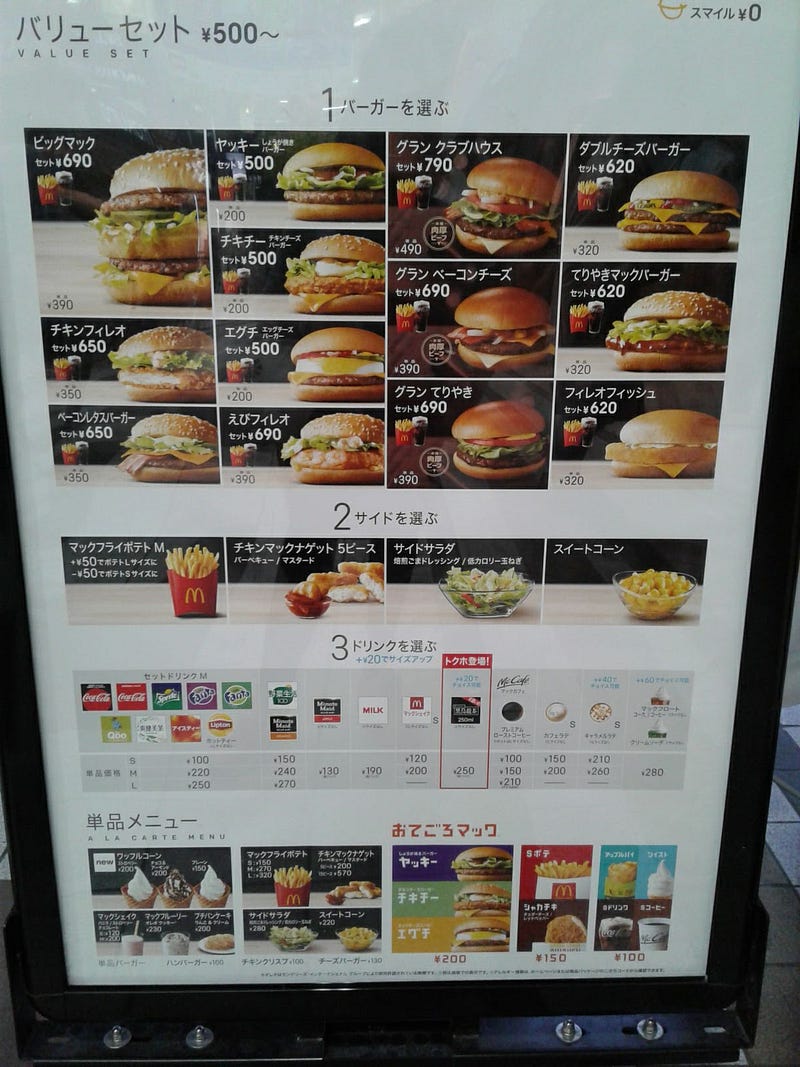
In my past travels, the $1 to 2 cheeseburger of McDonald’s was my savior for my growling stomach. But not in Fukuoka. It was expensive. I rather buy a bento or the sandwiches in 7/11. And have my tummy be filled to the brim and treat my taste buds to something new.
4. Vending Machines
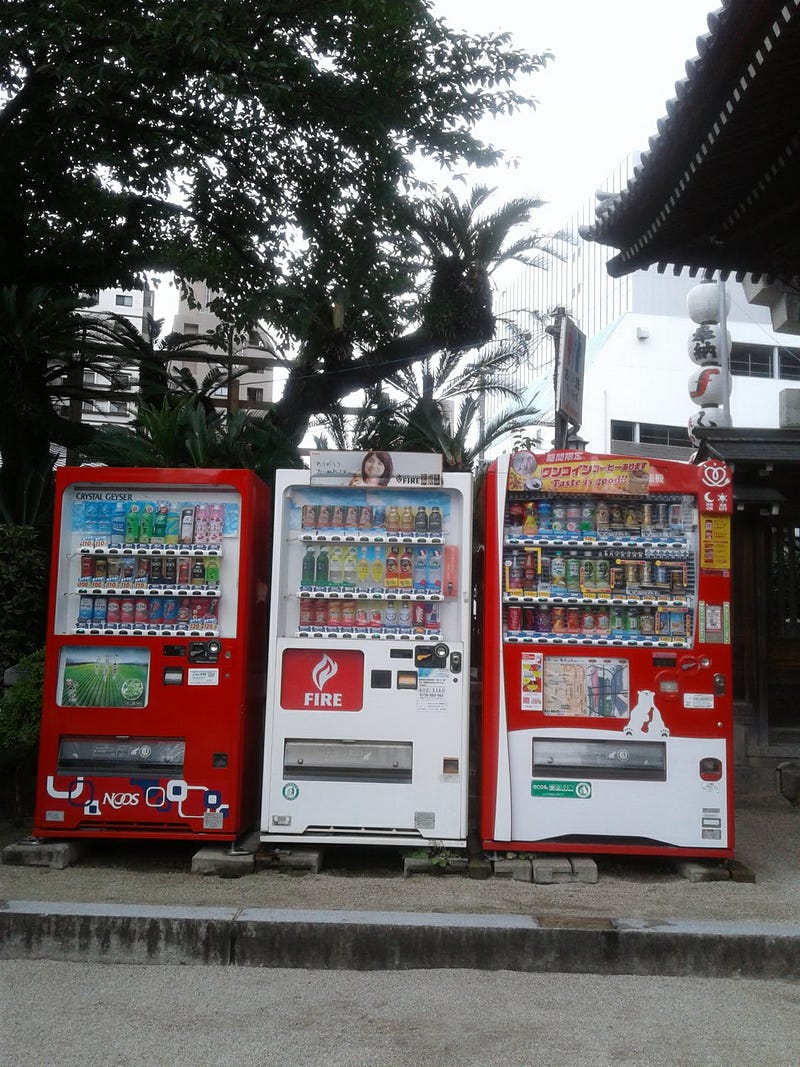
Vending machines are permanent characters in Japanese culture. There are 5.5 million of them that can be found all over the country, even in the countryside. They’re made for the high-speed life and culture, thus giving every Japanese convenience wherever they are.
The machines are not exclusively for drinks and snacks. You can even buy pizza with toppings of your choice, ramen and sake.
With the presence of Covid around, there are vending machines where a covid test kit can be purchased.
5. Vegetables and Fruits
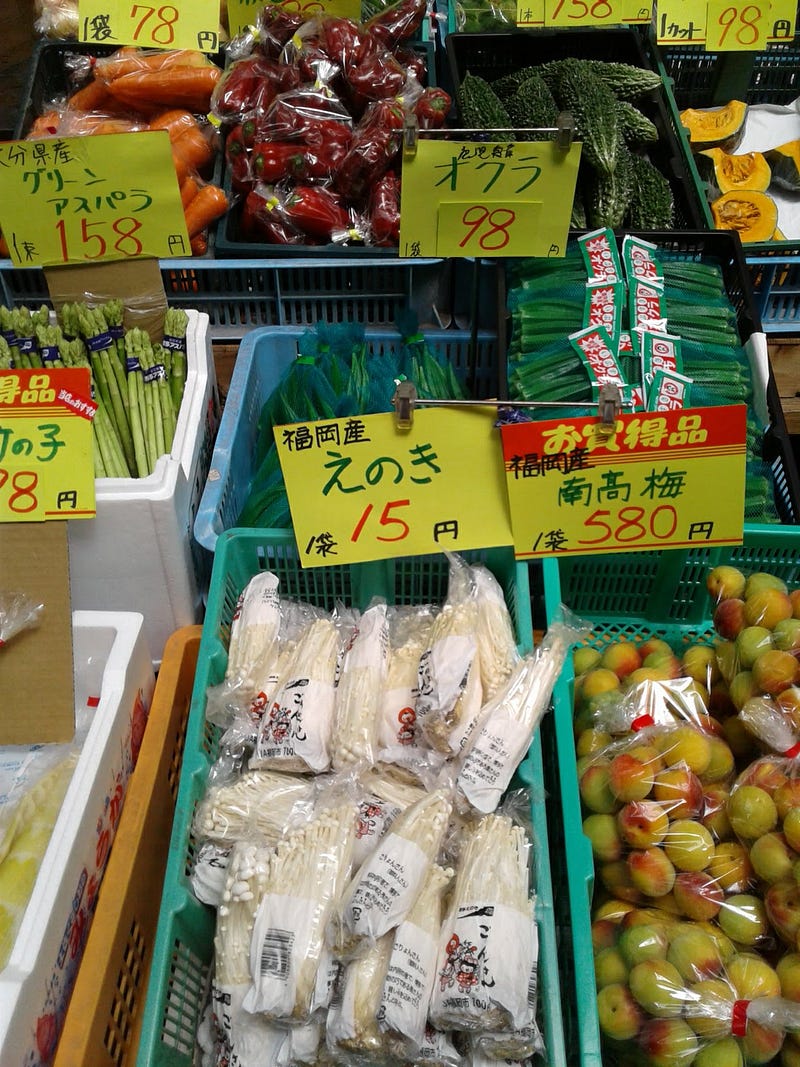
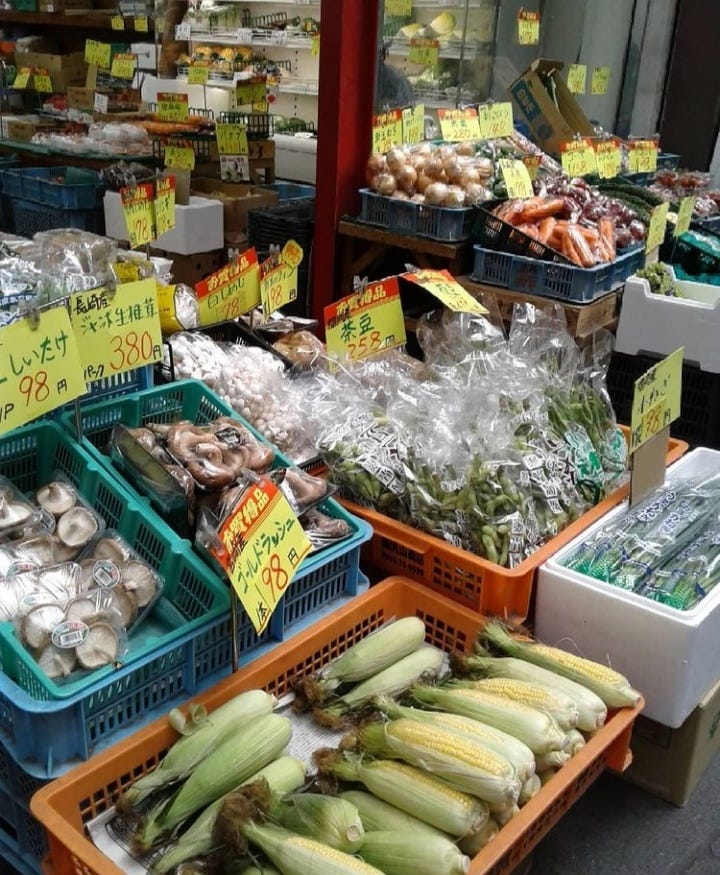
One morning, I took the bus to the nearest market. Sadly, the only ones left to buy were different kinds of seafood. As I crossed the street, I found an alley selling fresh produce.
I was surprised that mushrooms were cheaper than what we have here. If only I can take home all the mushrooms, I will.
The plums were in season. I should have bought more. It’s my first time tasting the plums; we don’t have them here.
6. Starbucks
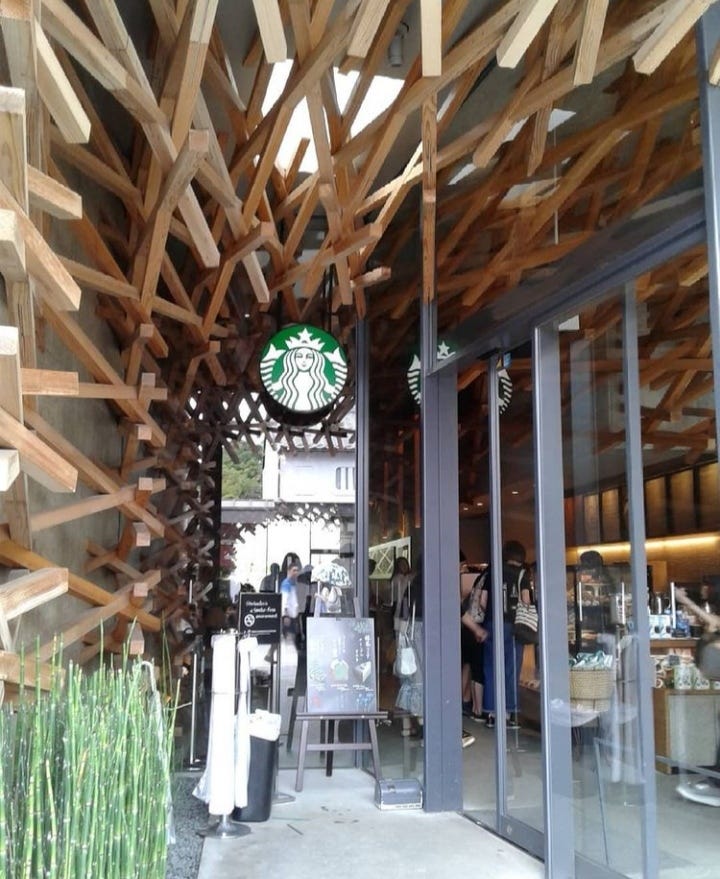
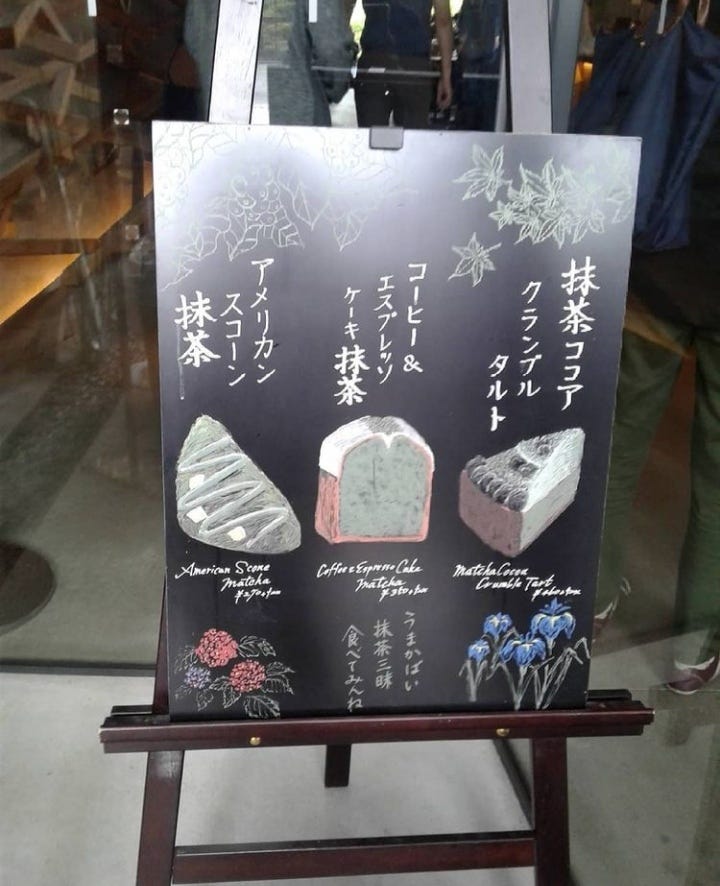
This Starbucks shop located along a pathway leading to Dazaifu Tenmangu Shrine is an iconic one. It is an hour train ride from Hakata Station.
The coffee shop features an intricate matrix of more than 2000 wooden sticks that reflects the neighborhood’s traditional artistic roots and the modern energy of the tourist destination.*
It is said that this one in Dazaifu is one of the most beautiful and photographed Starbucks in the world.
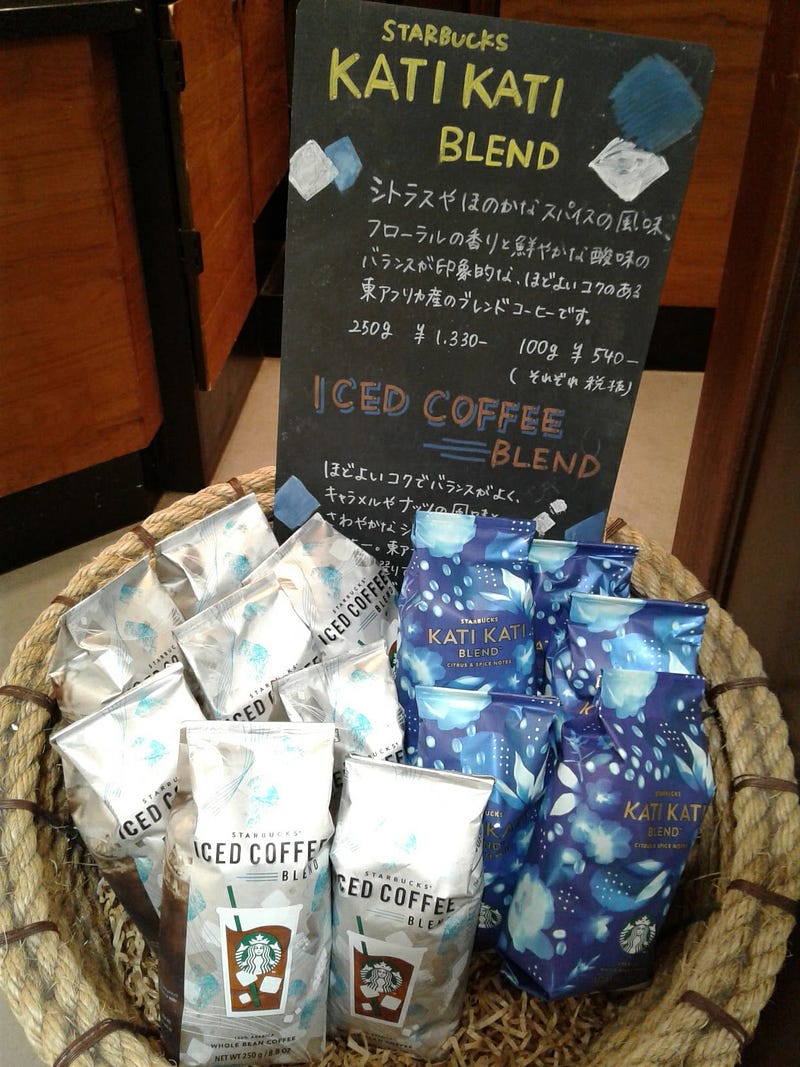
The Kati Kati Blend is an East African coffee. A Swahili word for “between”. It's only available for a limited time. I’m not sure if it made a comeback in the market.
By the way, in my native tongue, kati-kati means so itchy.
7. Kit Kat
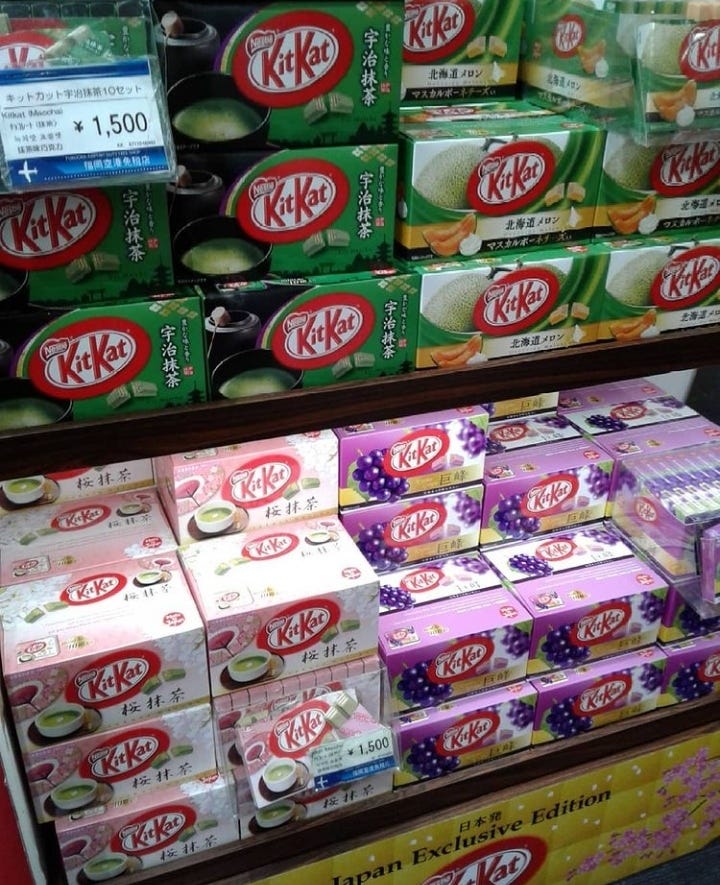
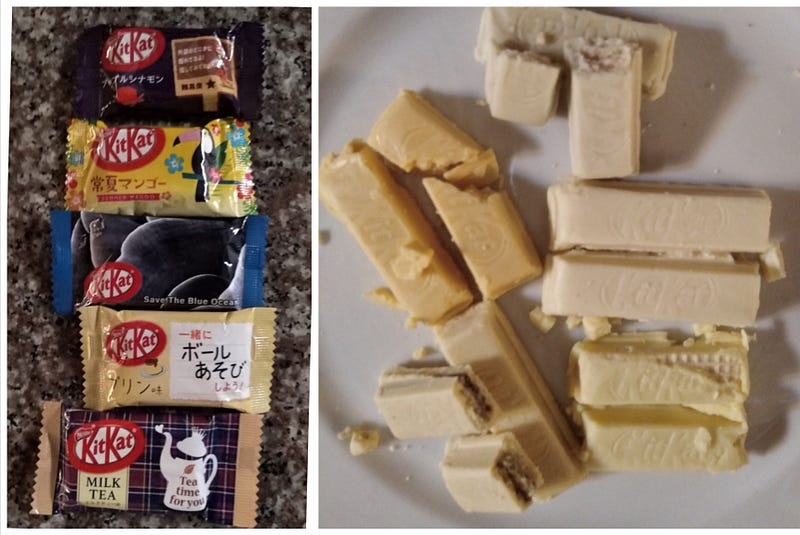
Have you ever tasted the other flavors of Kit Kat? The Japanese Kit Kat?
There are about 300 flavors in Japan. Even though some flavors are seasonal, still, you’ll never run out of flavors.
In Japan, Kit Kat is known as a symbol of luck. Japanese parents would give their children Kit Kat before a big exam as a good luck charm. When given, they are not to be eaten but used as an amulet for a successful exam.*
Japanese pronounced Kit Kat as “kitto katto” which sounded similar to the Japanese phrase “kitto katsura” meaning “you will surely win”.
Some interesting flavors are Cherry Blossom, Purple Sweet Potato, Ginger Ale, Hot Japanese Chili and Wasabi.
Out of curiosity, I bought quite a number of flavors. My favorite flavor — -Sake. It’s an acquired taste but at least it’s not sweet.
8. Royce Chocolate
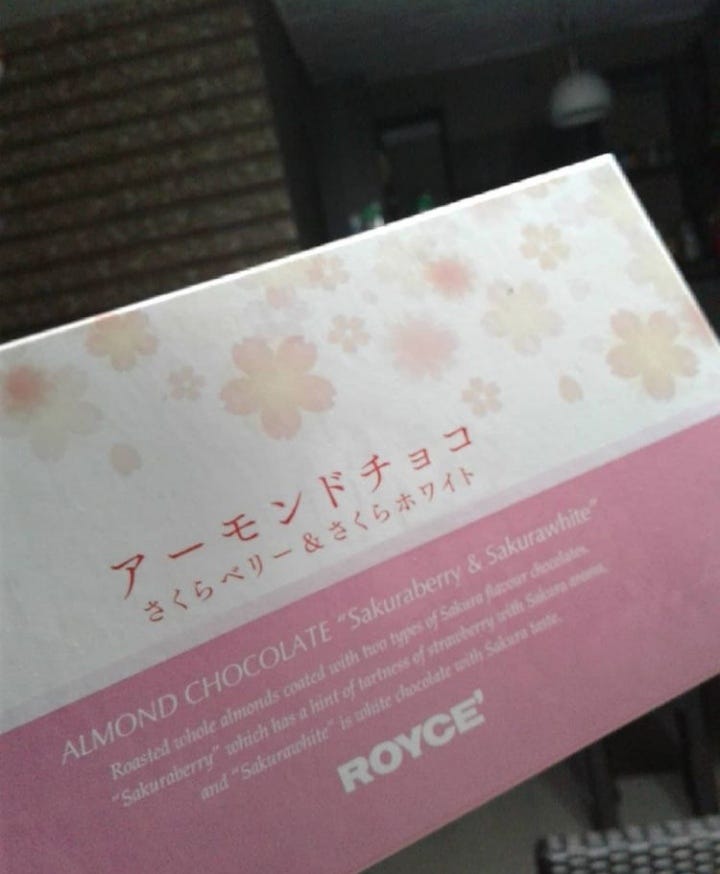
Royce Chocolate is a specialty of Hokkaido. It is made of Nama chocolate which is a type of ganache made from a mixture of melted cacao and fresh cream. Nama means raw.
I spent unsuccessful hours in supermarkets and malls to look for it. Only to find out that it was only available at Fukuoka Airport.
But — they are sooo good. I don’t have a photo of the chocolate-coated potato chips. It’s another good one, so easy to consume an entire box in one sitting.
9. Coke Clear
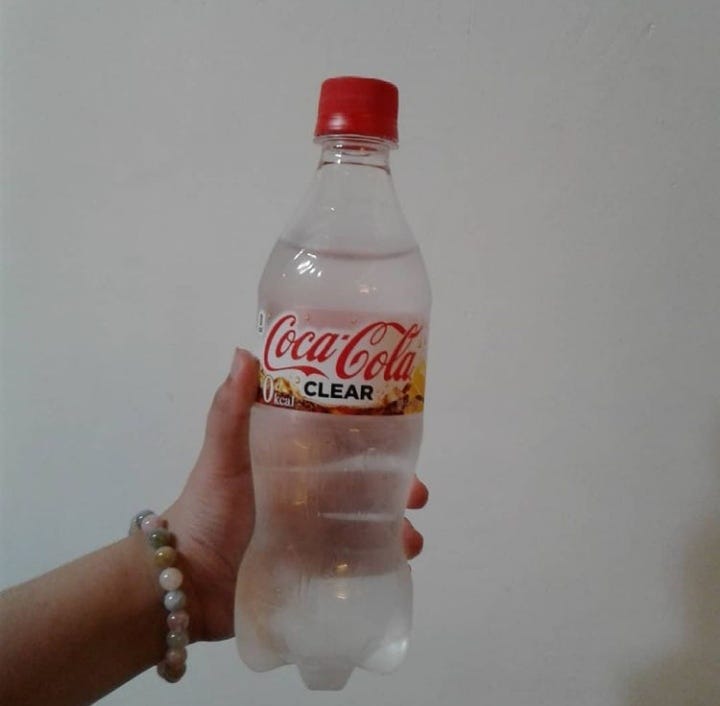
It’s not your eyes and it’s not water either. It is Coke without the color. Though the taste is more of Sprite than Coke. Yes, it is Coke Clear like crystal clear.
It is made as lemon-flavoured to compensate for the removal of caramel. It was launched in Japan in 2018.
A year after, a lime-flavored variation was launched. Coca-Cola Clear Lime is sweetened with high-fructose corn syrup.
Both are officially available in Japan, but also available in Taiwan and China through imports.*
There are still other must-try and must-eat in Fukuoka, like menbei (spiced cracker) and mentaiko (fish cod roe). And I forgot to take a photo.
Next time. Though the possibility of solo and budget traveling there at this time is a wait-and-see.
Sources of some information:
bokksu.com
en.m.wikipedia


