avatarShamiha Said

Free AI web copilot to create summaries, insights and extended knowledge, download it at here

2804

Abstract

ience emotional outbursts.</a> For myself, I’ve always found it difficult to control my crying, my reactions, or how excited I get. Even as an adult, I was having regular ‘emotional outbursts’, and nobody knew why I was so emotional, but I now realise they were autistic meltdowns that were misunderstood.</p><p id="1fef"><b>3. Anxiety and depression </b> I was diagnosed with anxiety and depression multiple times as a teenager and young adult, and I was prescribed anti-depressants. They never once worked and instead got rid of my emotions altogether. All the big feelings I once had were not anxiety and depression but were autistic meltdowns, shutdowns, autistic burnout and recovery from autistic burnouts. A<a href="https://www.ncbi.nlm.nih.gov/pmc/articles/PMC5676829/">lthough autism, depression and anxiety share symptoms, </a>they are not the same.</p><figure id="7885"><img src="https://cdn-images-1.readmedium.com/v2/resize:fit:800/0*C5vkChzVHHgVHAES"><figcaption>Photo by <a href="https://unsplash.com/@towfiqu999999?utm_source=medium&amp;utm_medium=referral">Towfiqu barbhuiya</a> on <a href="https://unsplash.com?utm_source=medium&amp;utm_medium=referral">Unsplash</a></figcaption></figure><p id="4977"><b>4. Very shy and introverted </b> I’ve always been timid and often described myself as introverted. Although this alone doesn’t mean someone’s autistic, it can often be a strong indicator that they’re neurodivergent. As a child, I struggled to initiate conversation and make friends. I would spend much of my time alone and was often told to put my hand up more often in class. As an adult, I struggle to make small talk; I am a loner at work, prefer to work from home, and cannot meet more than one friend at a time.</p><p id="6535"><b>5. May be described as a dreamer</b></p><p id="e8e9">Autistic people can create entire fantasies in their minds, and for this reason, we are often found daydreaming. I’ve always loved to create multiple fantasies, and sometimes, I prefer to be daydreaming about a fantasy world rather than reality. Although this can happen to all people, autistic people do this at a greater intensity and frequency.</p><p id="9052"><b>6. Often high-achieving </b> One of the main reasons why autism can go unnoticed is because many of us are high-performing and high-achieving at school, and as a result, our performance isn’t questioned. <a href="https://www.researchgate.net/publication/317644794_Stereotype_threat_anxiety_instructor_gender_and_underperformance_in_women">Professionals and teachers are more likely to suspect that someone is on the spectrum when they are underperforming rather than over-achieving. </a>I was a high achiever in high school, and I was in the gifted and talented class. Although I was performing well at school, I struggled wit

Options

h other aspects of school, such as Gym class, making friends and emotional regulation.</p><figure id="0999"><img src="https://cdn-images-1.readmedium.com/v2/resize:fit:800/0*_0X3CqkegbHHwasi"><figcaption>Photo by <a href="https://unsplash.com/@cdc?utm_source=medium&amp;utm_medium=referral">CDC</a> on <a href="https://unsplash.com?utm_source=medium&amp;utm_medium=referral">Unsplash</a></figcaption></figure><p id="5e3e"><b>7. Difficulty in finding love</b></p><p id="27d3">If someone is continually struggling to find and connect with someone on a deeper level, this can sometimes indicate that they might be on the spectrum. It is significantly more challenging for autistic people to initiate and maintain communication, which is a crucial enabler for love. Furthermore, with dating apps becoming the norm, some autistic people may struggle with this because we hate to be perceived!</p><p id="dfdf"><b>8. Struggles to work in a team </b> I’ve always hated working in a team, and I still do. I would much rather work independently and complete an entire project alone than work with a group of people I barely know. Working in a team often involves a high level of masking, and it is an aggravating conversation to figure out ‘who’s doing what’ and work on other people’s timelines.</p><p id="adac"><b>9. Take things literally </b> If someone says something to me, I will take that at face value and take it literally. When my husband tells me he will be down in two minutes, I believe that he will be downstairs within 120 seconds, and I am always left feeling furious when he doesn’t come down in the time given. In other ways, if someone is ‘<i>joking’ </i>or tells me <i>‘it’s a piece of cake’</i>, I will take their joke literally and believe cake is involved. I’ve often been disappointed when I realised there was never any cake!</p><figure id="cd5e"><img src="https://cdn-images-1.readmedium.com/v2/resize:fit:800/0*r5Og_BTpjMKOzKLK"><figcaption>Photo by <a href="https://unsplash.com/@cowink_?utm_source=medium&amp;utm_medium=referral">Coralline Clin</a> on <a href="https://unsplash.com?utm_source=medium&amp;utm_medium=referral">Unsplash</a></figcaption></figure><p id="cb74"><b><i>I hope you found this helpful. Is there anything you’d add? Please comment if you found this insightful or enjoyed reading it, as Medium writers are now paid for engagement, including comments, claps, and highlights!</i></b></p><p id="526a"><b><i>If you found my content relatable and insightful, please do all three. I love reading your comments; it keeps me going!</i></b></p><p id="df76"><b><i>I frequently write about the Neurodivergent experience, so follow me for more content and subscribe to be the first to know about my upcoming book! Thank you for all of your support!</i></b></p></article></body>

9 Autistic Signs That Are Overlooked In Adults

Nine Autistic Signs That I Wish Everyone Else Picked Up On
Image created on Canva by Author.

Autism can easily be misdiagnosed or undetected in adulthood, particularly if they are camouflaging their autistic traits and are high-masking. Autistic adults who have learnt to mask their autistic needs from a young age can participate in society, which means that our autism is overlooked. I was diagnosed with both Autism and ADHD at the age of 27, and when I finally got my diagnosis, I couldn’t believe that no one around me knew that I was autistic and couldn’t see my struggles for what they were; they were autistic meltdowns.

I realise now that the reason why my autism went unnoticed is because I was heavily performing to act as neurotypical as possible; I was desperate to fit in, to be loved and accepted.

It was only when I stopped people-pleasing that the mask drastically dropped. Without the desire to please people, I was unable to hide my authentic self and, in essence, unable to conceal my autistic traits and needs.

Here are some of the unnoticed autistic signs that were overlooked throughout adulthood:

1. Obsessive Interests

In my early 20s, I was obsessed with makeup, and although many women love makeup, I was genuinely obsessed with makeup. I would collect eyeshadow palettes, foundations, concealers, and lipsticks and constantly buy new releases. Not just that, I would spend all of my time watching makeup tutorials and makeup hauls and spend the rest of my time practising different makeup looks. I wasn’t a make-up artist, so there was no need to spend this much time and money on it, but I was utterly obsessed. If I were collecting trains instead, then maybe my autism would have been picked up.
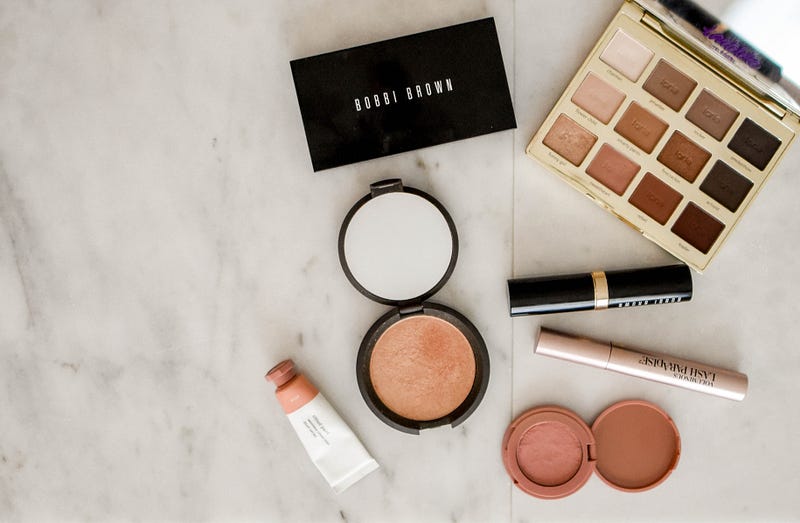
Photo by Element5 Digital on Unsplash

2. Difficulty with emotional regulation

Autistic and neurodivergent people can struggle to regulate their emotions and can frequently experience emotional outbursts. For myself, I’ve always found it difficult to control my crying, my reactions, or how excited I get. Even as an adult, I was having regular ‘emotional outbursts’, and nobody knew why I was so emotional, but I now realise they were autistic meltdowns that were misunderstood.

3. Anxiety and depression I was diagnosed with anxiety and depression multiple times as a teenager and young adult, and I was prescribed anti-depressants. They never once worked and instead got rid of my emotions altogether. All the big feelings I once had were not anxiety and depression but were autistic meltdowns, shutdowns, autistic burnout and recovery from autistic burnouts. Although autism, depression and anxiety share symptoms, they are not the same.

Photo by Towfiqu barbhuiya on Unsplash

4. Very shy and introverted I’ve always been timid and often described myself as introverted. Although this alone doesn’t mean someone’s autistic, it can often be a strong indicator that they’re neurodivergent. As a child, I struggled to initiate conversation and make friends. I would spend much of my time alone and was often told to put my hand up more often in class. As an adult, I struggle to make small talk; I am a loner at work, prefer to work from home, and cannot meet more than one friend at a time.

5. May be described as a dreamer

Autistic people can create entire fantasies in their minds, and for this reason, we are often found daydreaming. I’ve always loved to create multiple fantasies, and sometimes, I prefer to be daydreaming about a fantasy world rather than reality. Although this can happen to all people, autistic people do this at a greater intensity and frequency.

6. Often high-achieving One of the main reasons why autism can go unnoticed is because many of us are high-performing and high-achieving at school, and as a result, our performance isn’t questioned. Professionals and teachers are more likely to suspect that someone is on the spectrum when they are underperforming rather than over-achieving. I was a high achiever in high school, and I was in the gifted and talented class. Although I was performing well at school, I struggled with other aspects of school, such as Gym class, making friends and emotional regulation.

Photo by CDC on Unsplash

7. Difficulty in finding love

If someone is continually struggling to find and connect with someone on a deeper level, this can sometimes indicate that they might be on the spectrum. It is significantly more challenging for autistic people to initiate and maintain communication, which is a crucial enabler for love. Furthermore, with dating apps becoming the norm, some autistic people may struggle with this because we hate to be perceived!

8. Struggles to work in a team I’ve always hated working in a team, and I still do. I would much rather work independently and complete an entire project alone than work with a group of people I barely know. Working in a team often involves a high level of masking, and it is an aggravating conversation to figure out ‘who’s doing what’ and work on other people’s timelines.

9. Take things literally If someone says something to me, I will take that at face value and take it literally. When my husband tells me he will be down in two minutes, I believe that he will be downstairs within 120 seconds, and I am always left feeling furious when he doesn’t come down in the time given. In other ways, if someone is ‘joking’ or tells me ‘it’s a piece of cake’, I will take their joke literally and believe cake is involved. I’ve often been disappointed when I realised there was never any cake!

Photo by Coralline Clin on Unsplash

I hope you found this helpful. Is there anything you’d add? Please comment if you found this insightful or enjoyed reading it, as Medium writers are now paid for engagement, including comments, claps, and highlights!

If you found my content relatable and insightful, please do all three. I love reading your comments; it keeps me going!

I frequently write about the Neurodivergent experience, so follow me for more content and subscribe to be the first to know about my upcoming book! Thank you for all of your support!

Autism
Life
Psychology
Advice
Mental Health
Recommended from ReadMedium