9 Amazing Scientific Reasons Behind Hindu Traditions & Culture
1. Significance of Namaste

This is the traditional Indian greeting, a gesture which marks respect, reverence, and love for the person we greet. So why do we greet people in this way?
In yoga this gesture is called the anjali mudra. It is a well known fact that the tips of the fingers are major energy points. When we bring together the palms of our fingers linking the tips of our fingers, the nerve circuits of the brain are linked to those of the upper body. A feeling of calmness and well being immediately descends.
Also in yoga each finger is representative of a certain energy the pinky represents dullness, the ring finger represents activity, the middle finger represents refinement, the index finger is individual soul, and that thumb is the paramatma or the ultimate soul.
2. Why do Hindu temples have bells?

Traditional Indian worship always starts with the ringing of the Bell. The temple Bell is a beautifully crafted object made of an amalgam (combination of many metal) of several metals including zinc, copper, bronze, cadmium and many other alloys. The quantity of each metal was based on very accurate scientific calculation.
When the bell is rung there is a resonation, which creates an immediate harmony between the right and left lobes of the brain. The echo lasts 7 seconds, touching the Seven chakras of the body (7 energy point). The sound of the Bell creates an instant calm, increasing the powers of concentration and helping you to focus on the higher. A well designed temple Bell could also produce the sound OM.
3. Why are silk clothes worn during worship?

Silk has the capacity to attract and absorb electromagnetic energy. The constant friction between the cloth and the body creates an electromagnetic attraction. When the devotee does puja wearing silk clothes there is an instant absorption of the energy created. Which is then transmitted to the devotee, creating a feeling of instant calm.
The silk also prevents loss of that energy thereby leading to increase concentration. This is the reason why devotee’s all over India and the world prefers to do worship wearing silk clothes.
4. Why do we worship idols?
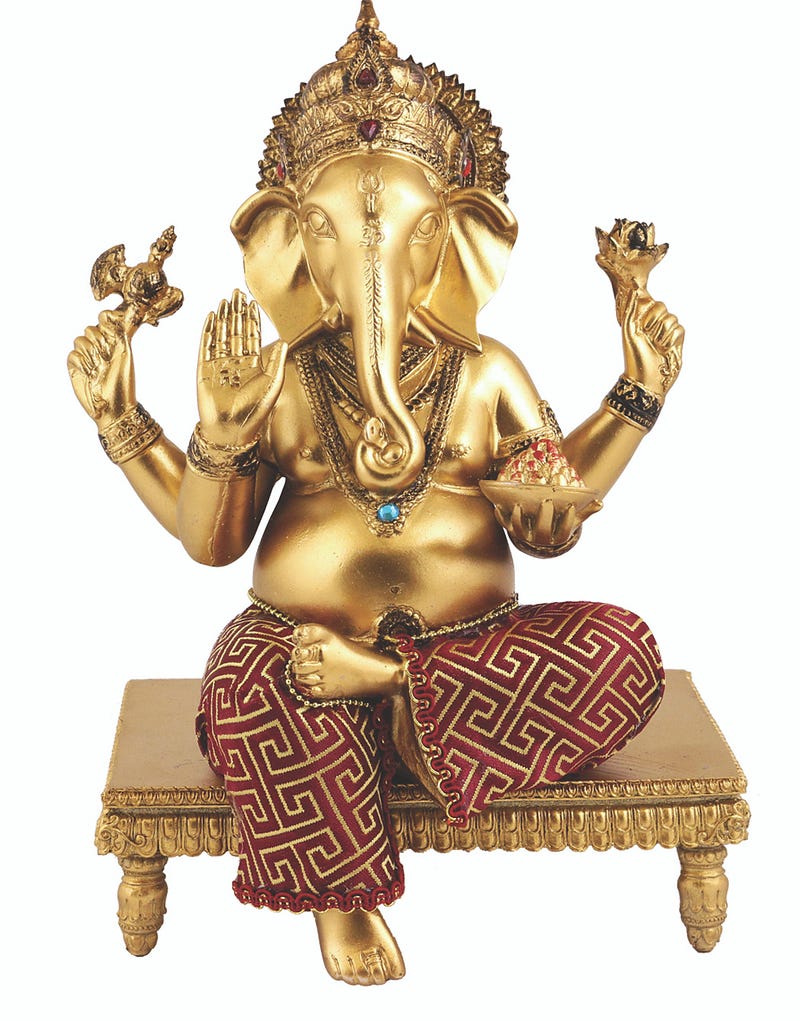
Hindus have a long history of worshipping idols. Scientifically the cognitive power of the mind comes from symbols. For example when we hold a coin in our hand we are aware of the power of Money. Power of money itself is intangible.
Our ancestors understood that it was difficult for a simple mind to comprehend abstract truths. So, idol worship was the answer. When an Idol is placed before the devotee, it helps them to focus instantaneously increasing concentration and thus enabling them to move easily to thier higher selves and realms beyond.
5. What is the red paint on the women's head?

It’s called sindoor, and only married women wears it. Sindoor is made from a mixture of lime, turmeric, and Mercury. Mercury helps decrease blood pressure and also enhances sexual drive. Hence widows were not allowed to use sindoors. Mercury also helps bring down feelings of stress and strain. For best results sindoor is used all the way from the forehead right down to the pituitary glands, the seat of all thoughts and emotions.
6. Why is there a red dot on the forehead?
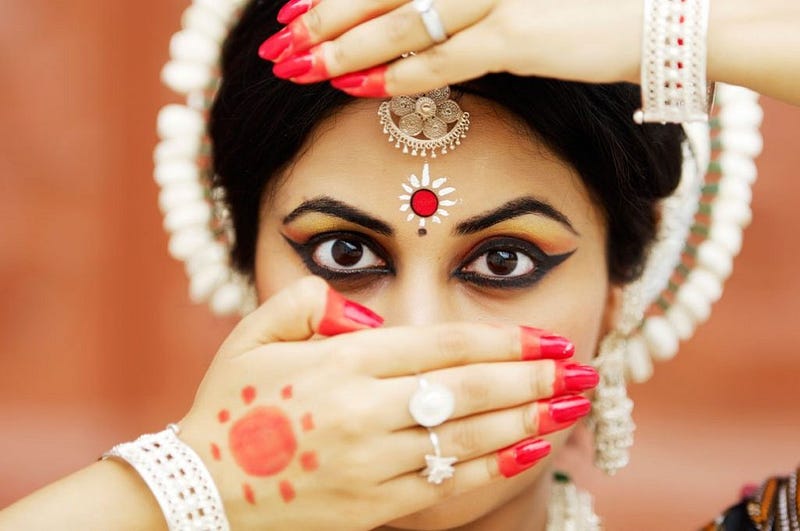
Indian women traditionally wear kumkum. It is applied on the forehead between the eyebrows, today it is scientifically proven that this is a major nerve Point. The priests of ancient India understood this to be the seat of the anya chakra (center of infinite intuition).
By wearing kumkum on the mid brow area the power of intuition is increased. The center of intuition is opened up and increases concentration. It also helps to increase blood circulation to the facial muscles.
7. Why is turmeric considered holy & what are the uses?
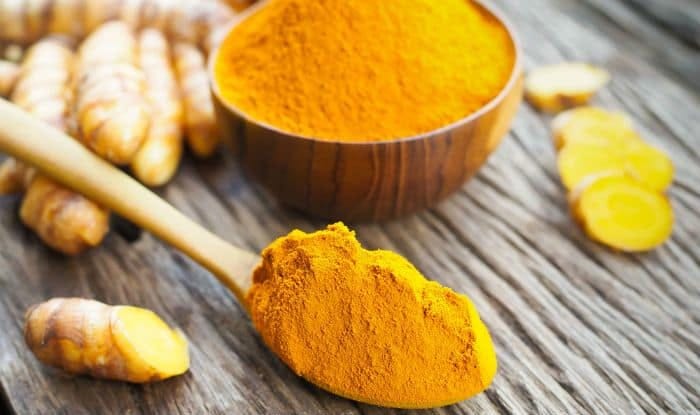
Turmeric is an important part of all Indian cuisine. It is well known for its anti-inflammatory and antioxidant properties. All Curry powder in India contains turmeric, it's also considered holy and is a part of all auspicious occasions worth its weight in gold, like the color of the spice.
Turmeric is an important anti-inflammatory agent in combination with other antioxidants, it helps to contain inflammation. Turmeric has been widely used in traditional Indian medicine through the centuries. Today turmeric finds an important place in conventional medicine and helps to cure diseases like cancer, Alzheimer’s, diabetes, and arthritis.
8. Pronunciation of OM

The chanting of OM helps the mind calm down. Thoughts recede and there is an instant feeling of peace and calm. OM is considered the primordial sound of the universe, the first sound.
This universal sound is a combination of three syllables A U M. When we pronounce OM, as we say “A” the lower portions of the body up to the stomach are activated. As we say “U” the chest area is activated and with “M” the face and the brain gets activated. (Try saying it and feel it for you-self) The proper pronunciation of OM ensures good intake of oxygen required for a good body and mind.
9. Worshipping of Tulsi (Basil) plant
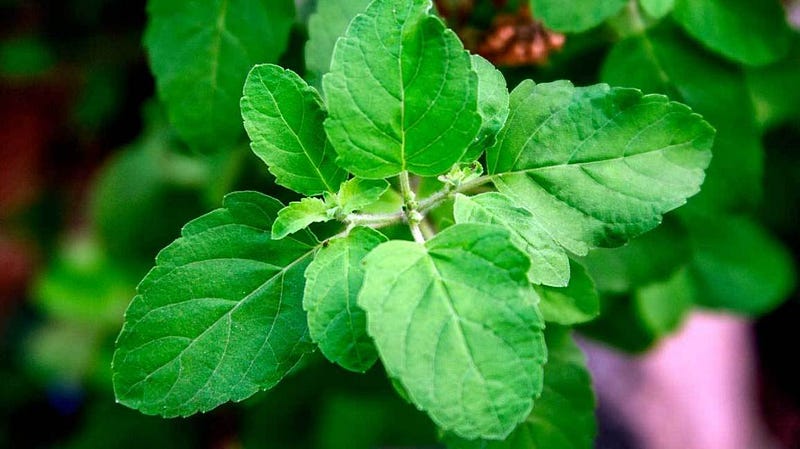
In hindu religion tulsi is accorded the status of mother. Its also called holy or sacred basil. The spiritual and medicinal properties of tulsi are renowned throughout the world. Holy basil is an important adaptogenic herb which helps reduce stress and is a remarkable antibiotic.
Containing no caffeine or other stimulants, tulsi helps to increase physical endurance. Taking a single tulsi everyday helps to maintain the physiological balance in the body and increases immunity. It also increases your lifespan.
In India every traditional household to this day has the tulsi plant for both its spiritual and medicinal significance.
Hope you enjoyed these fun facts about our traditions.


