
GPT-4: The ChatGPT Successor With Amazing New Features
OpenAI just released GPT-4. Here’s why GPT-4 is better than ChatGPT, the new functionalities, and how to access GPT-4.
The wait is over. OpenAI just released GPT-4!
GPT-4 is a large model better than ChatGPT’s GPT-3.5 with many new features. GPT-4 is smarter and more creative than ChatGPT and now it can process more words, accept images as inputs to generate captions, and more!
In this article, we’ll see everything GPT-4 has to offer and how you can access GPT-4.
Note: GPT-4 is available for ChatGPT Plus subscribers but there are other 3 ways to access it. In this article, I’ll be referring to the free version of ChatGPT (running GPT-3.5) that we all know as “old ChatGPT” to avoid any confusion.
GPT-4 can read your images
Probably the most amazing feature of GPT-4 is visual input. With GPT-4, you can upload your images as inputs to generate captions, classifications, and analyses.
In the presentation of GPT-4, OpenAI’s Co-Founder used his phone to take a photo of a hand-drawn mockup and after it was uploaded, GPT-4 converted the drawing into a website using HTML and Javascript code in less than a minute!
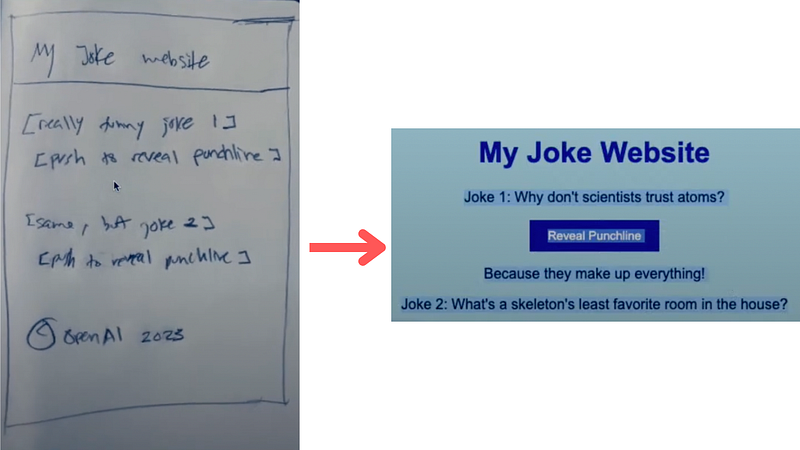
But this new feature isn’t exclusive to code generation, it can also generate captions of images. Here’s an example.
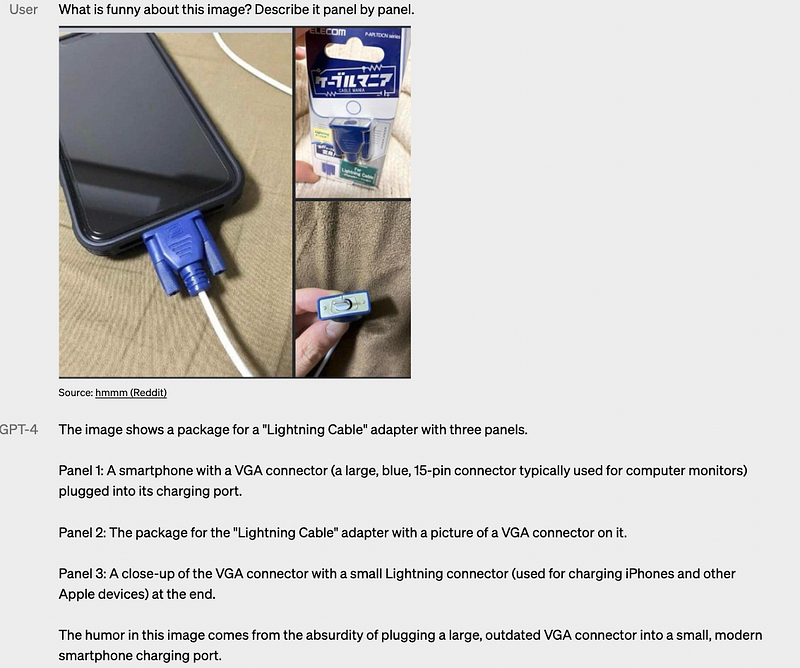
As you can see, GPT-4 was able to describe the 3 images and, in the end, could tell what was funny about the images.
GPT-4 visual input feature has many applications from describing what’s on your charts and answering exam questions from a piece of paper to telling what’s possible to cook based on ingredients shown in a photo or even explaining the meaning of a meme.
GPT-4 is more creative than old ChatGPT
GPT-4 can handle creative tasks that the old version of ChatGPT would struggle with.
For example, if you ask old ChatGPT to create a story where each word has to begin with the all letters in the alphabet from A to Z, it will fail.
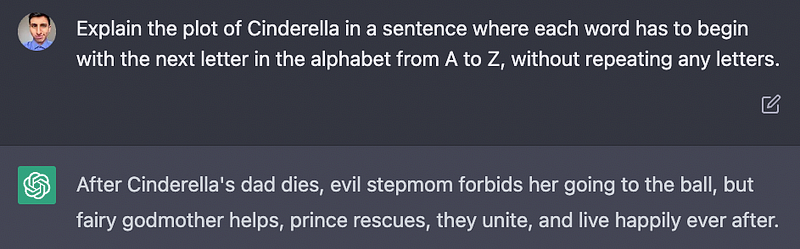
GPT-4, however, will do this task with greater accuracy.
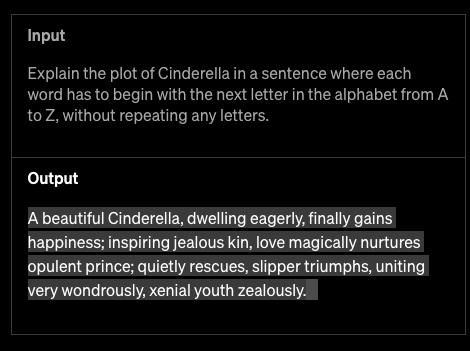
Now, I doubt we might ever need to write a paragraph where every word has to begin with all the letters from the alphabet, but this proves that GPT-4 can solve difficult problems.
You can use GPT-4's creativity to compose better songs, write creative screenplays, etc. According to OpenAI, it can even learn your writing style.
GPT-4 outperforms ChatGPT in advanced reasoning capabilities.
Old ChatGPT usually struggles to solve problems that require advanced reasoning capabilities. You’d need to use some prompting techniques to increase the accuracy of old ChatGPT’s output on arithmetic, commonsense, and symbolic reasoning tasks.
GPT-4 surpasses ChatGPT in advanced reasoning. Here’s a comparison of a math problem solved by old ChatGPT and GPT-4.
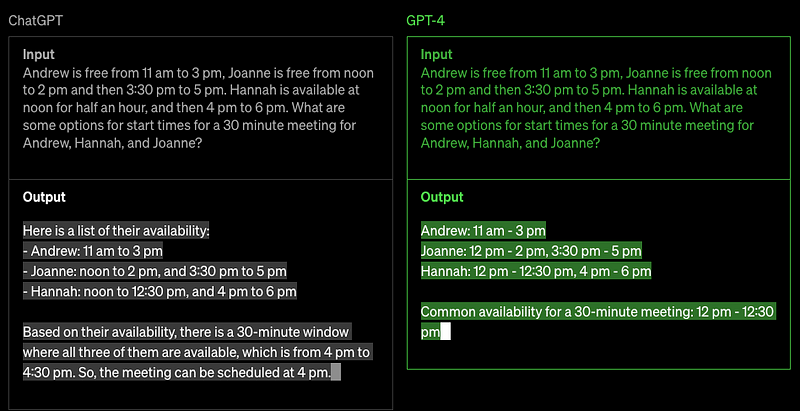
As you can see ChatGPT fails to spot the 30-minute window where Andrew, Joanne, and Hannah are available. However, GPT-4 successfully found that they’re free from 12 pm to 12:30 pm.
It’s no surprise why, GPT-4 outperforms ChatGPT by scoring higher in simulated exams such as Uniform Bar Exam, SAT exam, GRE (quantitative, verbal, and writing), USABO, and more.
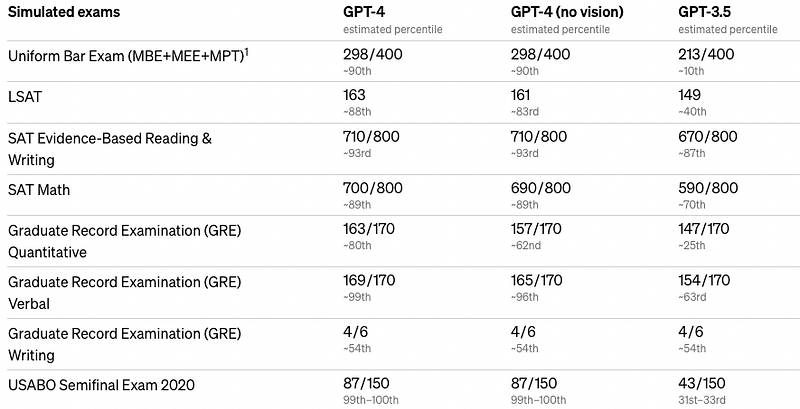
GPT-4 can handle over 25,000 words of text
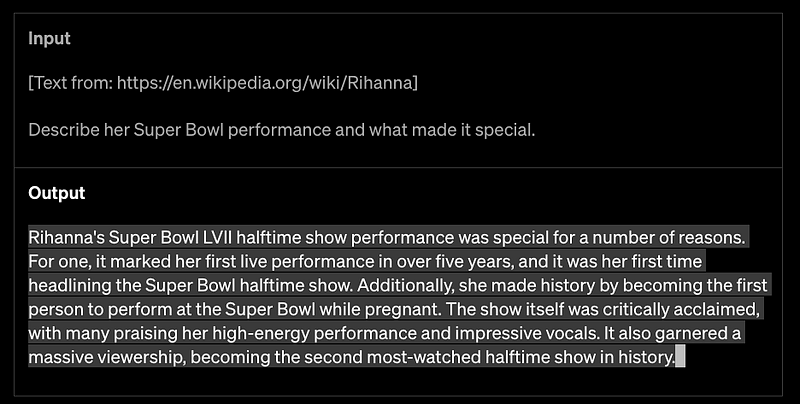
With old ChatGPT you could only work with a couple of thousand words, which is enough for some tasks, but it’s sometimes not enough when you need to create content for long blog posts, documents, and books.
In the example below, GPT-4 is able to read a Wikipedia page with thousands of words and make a summary.
Products Build with GPT-4
You can see GPT-4 in action in products such as Duolingo, Be My Eyes, Stripe, and Morgan Stanley.
Be My Eyes uses the new visual input capability of GPT-4 to transform visual accessibility, while Duolingo is using GPT-4 in its premium plan: Duolingo Max. This plan has 2 main new features: “explain my answer” which helps language students get AI-powered personal feedback in their lessons and “roleplay” which simulates a conversation in a foreign language with an AI language partner.
Probably, we’ll soon see GPT-4 incorporated into more products.
How to access GPT-4
Currently, GPT-4 is only available to premium ChatGPT Plus subscribers.
However, it has a usage cap that would be adjusted by OpenAI depending on demand and system performance. You could also access GPT-4 with the API, but you have to sign up for OpenAI waitlist.
If you don’t have a ChatGPT Plus subscription (or don’t want to wait), click here to see 2 ways to access GPT-4 for free today.
Join my newsletter with 20K+ people to get my free ChatGPT cheat sheet.
If you enjoy reading stories like these and want to support me as a writer, consider signing up to become a Medium member. It’s $5 a month, giving you unlimited access to thousands of Python guides and Data science articles. If you sign up using my link, I’ll earn a small commission with no extra cost to you.


