
A New Testament was found with a ‘new’ speech by Jesus
The story of Charles Lang Freer’s strange gospel
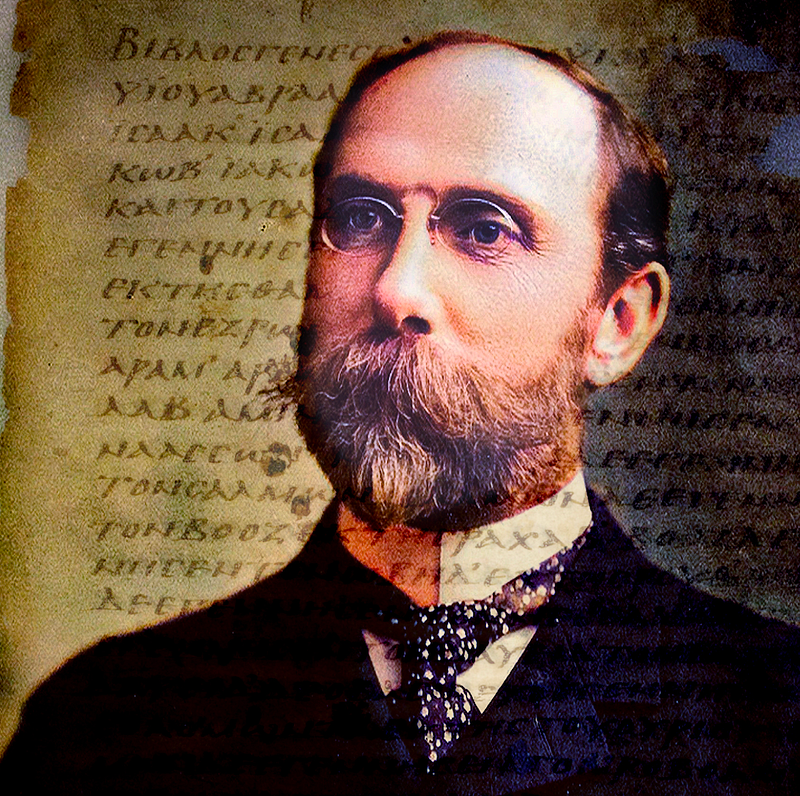
Here’s a story I never heard in church. Charles Lang Freer was an industrialist, born in New York in 1854. He seemed an American tale of ‘rags to riches’.
As a child, his mother died, as his father had a mysterious paralysis. Charles supported his family since he was age 14. He worked his way up from a store clerk to an accountant. Then a partnership in a railcar manufacturing company made him a fortune.
At age 45, he retired. Why? It was unclear. He’d been plagued by ‘neurasthenia’ and assorted nervous conditions, was the talk.
He’d gone on to buy a lot of art, from Asian art to the paintings of his friend, James McNeill Whistler. He created a museum.
A century later, the real story emerged.
Freer had never married. He’d joked about “my well-known objection to women.” When pressed to name a female he admired, he’d named one who, as known in retrospect, was lesbian.
It’d all been there — for those with eyes to see.
“He was clearly homosexual,” notes Mosette Broderick in a 2010 study of Freer’s social circle.
In 2019, Helen Tomlinson’s biography, West Meets East: Charles L. Freer, Trailblazing Asian Art Collector, wasn’t verifying Freer being gay, but she added a startling fact that re-wrote his story.
The talk of Freer’s ‘neurasthenia’ had been, she established, a public mask for a private problem. He had syphilis.
What was his story? It appears that on learning he’d contracted the deadly disease, he quit his job, and began touring the globe.
In his time left, he’d assemble an art collection. It would be his gift to life.
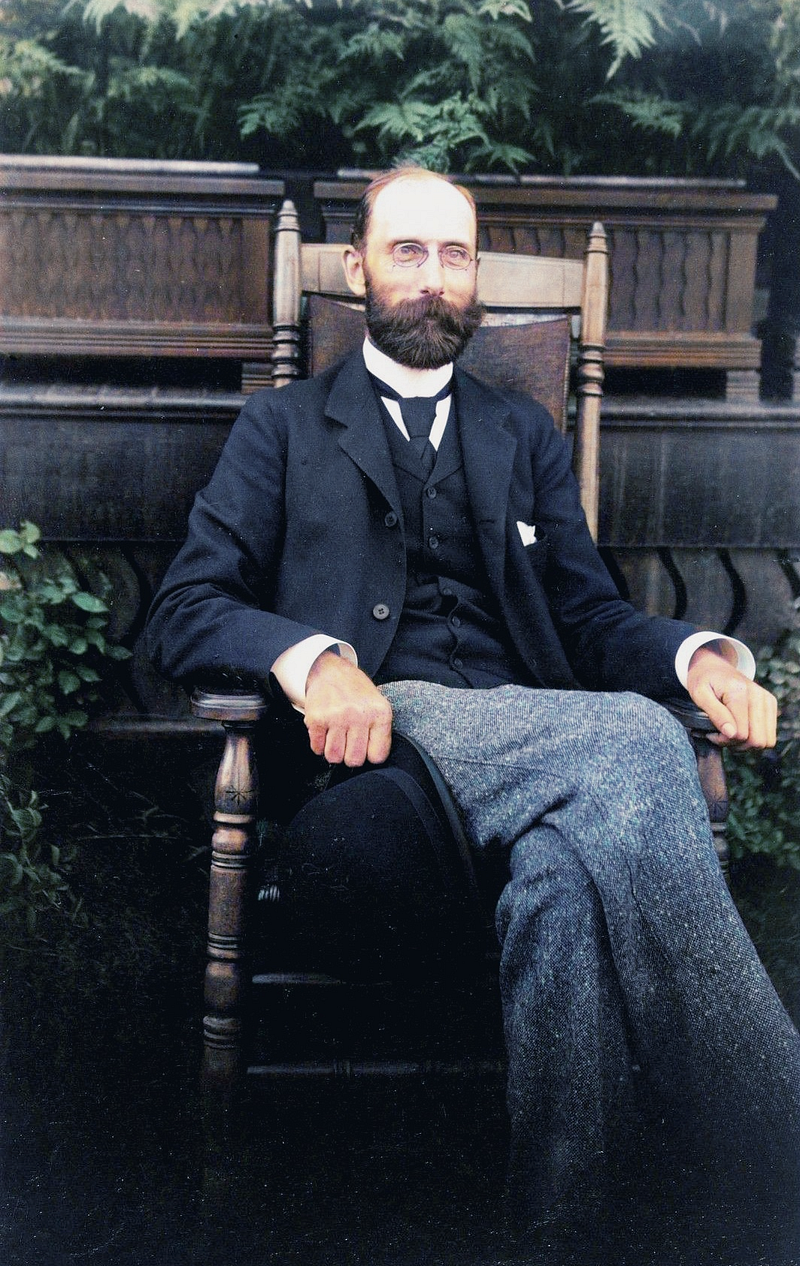
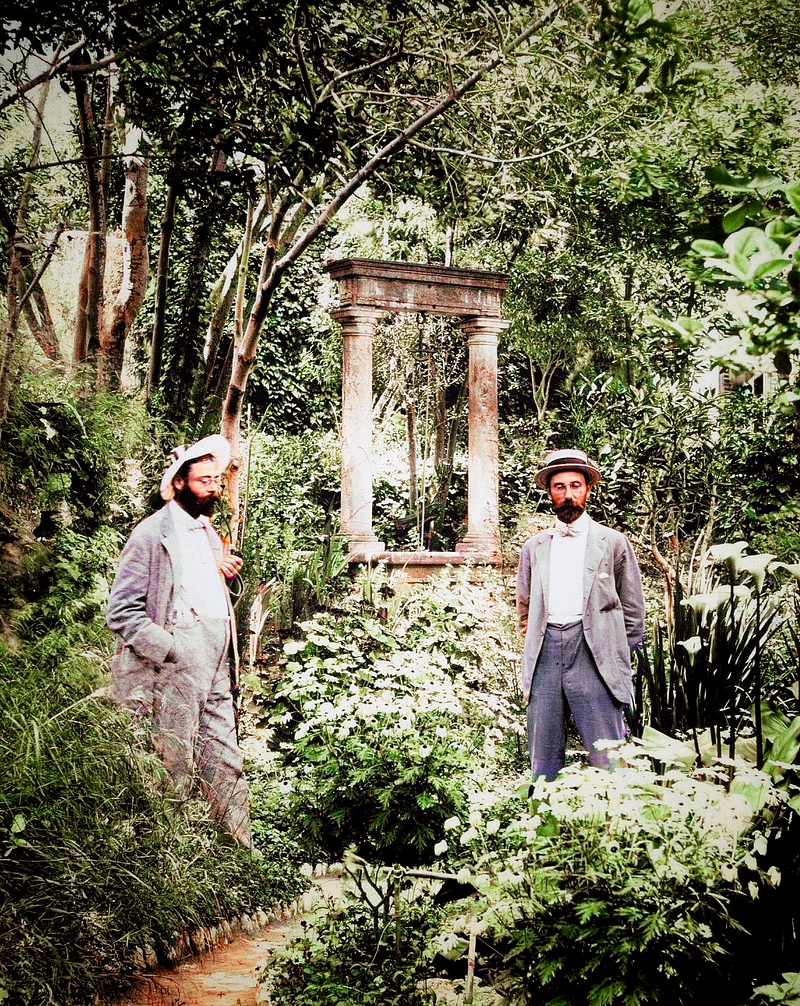
In 1906, he was shopping in Cairo, Egypt.
He noticed an old book. “The beautiful writing first attracted my attention,” he’d tell a friend.
Or had it been the cover?
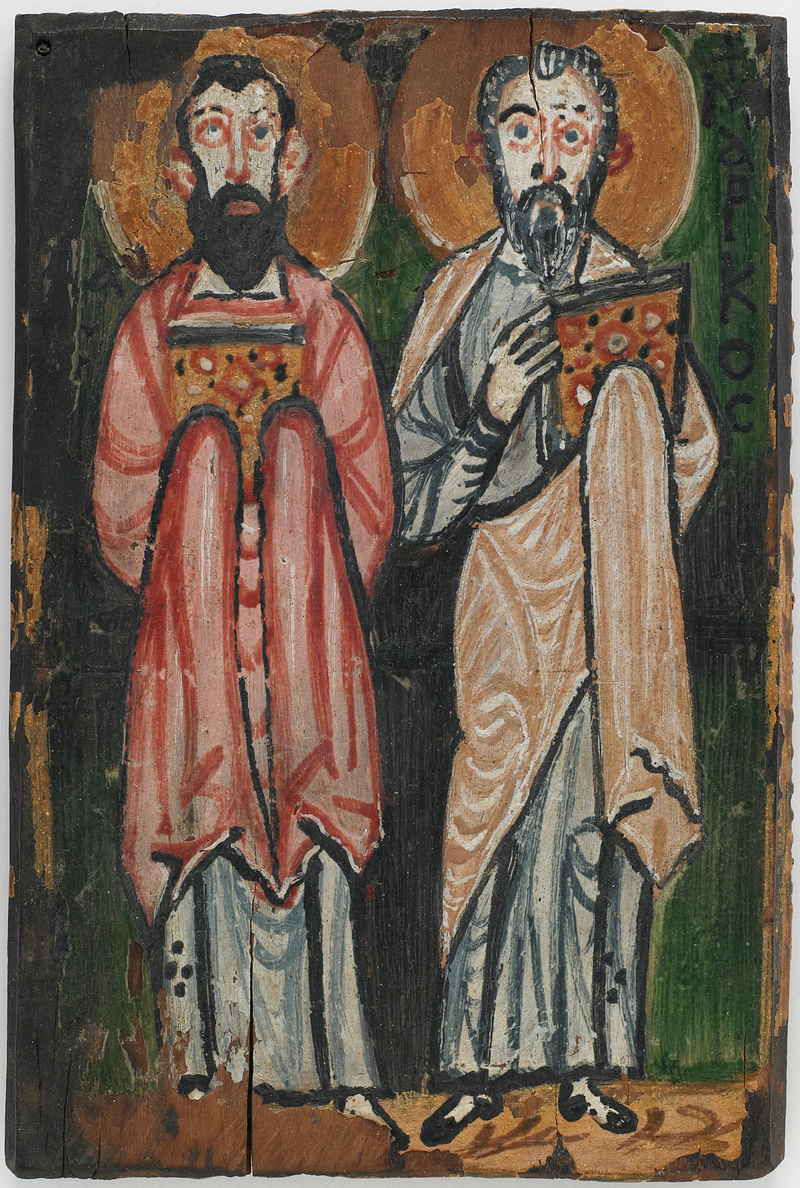
Freer was wary of it being fake.
Egyptian merchants, he’d believed, are “the worst gang of high and low scoundrels in the whole universe.”
After consulting with a few Greek scholars, he purchased it—though with a bit of buyer’s remorse. He recalled that, in a fit, he’d almost thrown it into the Red Sea.
The book turned out to be the third oldest known copy of the gospels of the New Testament. And it packed quite a surprise. After the standard text of Mark 16:14, a ‘new’ scene appeared, featuring a speech by Jesus unknown to the official history of Christianity.
The deity speaks:
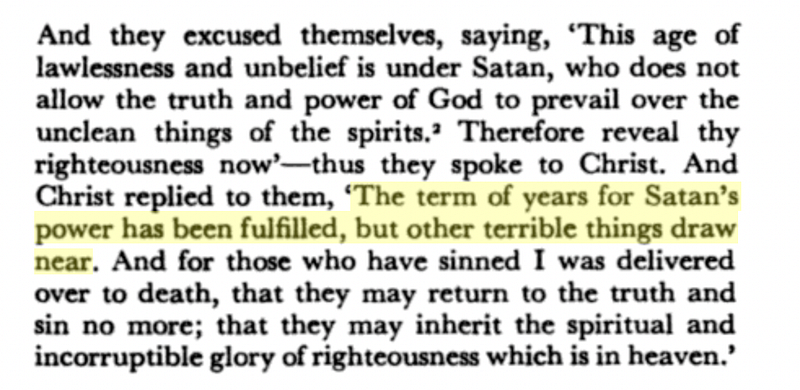
“The term of years for Satan’s power has been fulfilled, but other terrible things draw near.”
The villain Satan—is past tense?
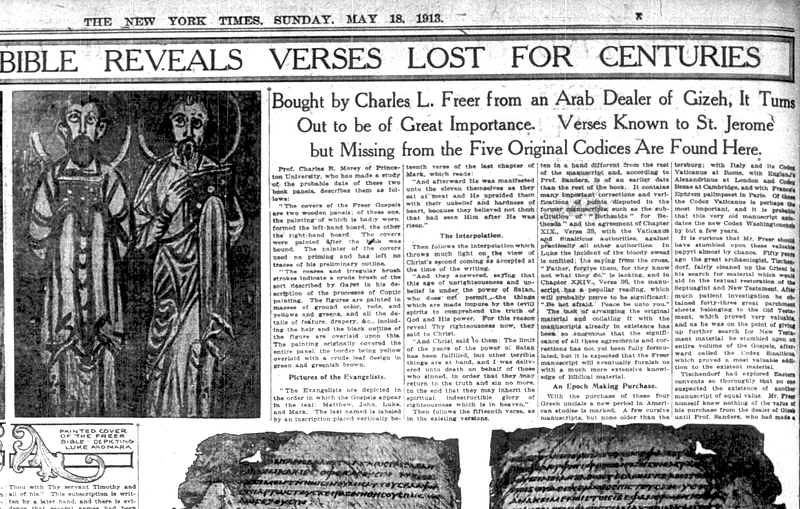
The discovery had political implications.
Old Bible manuscripts were seen, for some reason, as representing God’s recognition of a global superpower. As the New York Times explained in its coverage of Freer’s discovery, there were five known ‘codices’ in the world. Russia had Codex Sinaiticus. France had Codex Ephraemi Rescriptus. Britian had two—Bezae and Alexandrinus.
As the report continues: “America can now lay claim to the honor of a sixth codex which promises to rival the other five in importance.”
It would be called the ‘Freer Gospels’ by scholars, but officially was called Codex Washingtonianus, and was received as a recognition that God now saw the United States as a world power.
Freer funded the publication of his ‘Gospels’.
He made great efforts to locate where the book had come from. Every lead disappeared into the wind.
He monitored discussion of the new passage, or ‘logion’. A curator at the Smithsonian later summarizes a newspaper file Freer had kept:
“The fact that it said that the reign of Satan was over seemed really potentially outrageous. People were in a tizzy over it.”
Scholars noted that the Freer Logion was known. The 4th century translator Jerome had referred to seeing it in copies of Mark’s gospel.
But the idea of ‘Satan’ being defeated hadn’t been too interesting to Christianity. Even quotations of Jerome had removed that part.
There was some receptivity.
A Bible translation published in 1913 by James Moffatt included it in brackets, saying the new speech by Jesus “originally belonged,” and had been “excised for some reason, at an early date.”
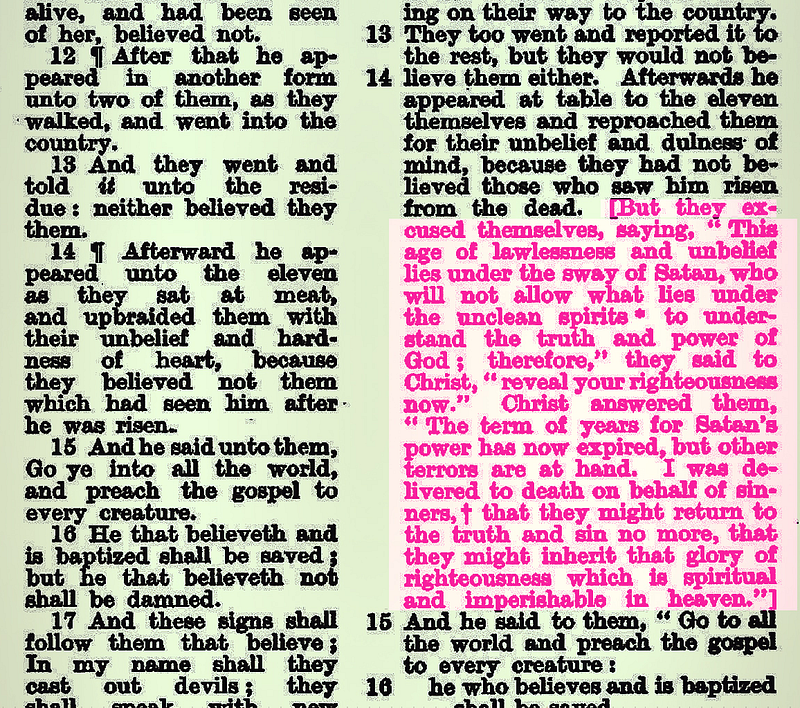
Let’s read the passage?
Some female followers of Jesus had seen him resurrected. They’d told the male disciples—and were not believed. This is noted in Luke 24:11, where the male disciples hadn’t believed the women, we learn, “because their words seemed to them like nonsense.”
A follow-up scene happens in Mark 16:14, which is part of a ‘longer’ ending to the gospel that some Bibles leave off.
“Later Jesus appeared to the Eleven as they were eating; he rebuked them for their lack of faith and their stubborn refusal to believe those who had seen him after he had risen.”
The ‘new’ scene in the Freer Logion expands this scene. A resurrected Jesus goes to the male disciples and asks: Why had they not believed the women?
The disciples “excused themselves” — that is, made an excuse for their failure—by saying that Satan had blinded them. They’d been incapable, they said, to “understand the truth and power of God.”
They criticized Jesus for it: Why had he allowed Satan to do this to them?
How spiritual were the male disciples?
The Freer Logion presents them as being at odds with Jesus and even antagonistic with him. As the scholar Calogero A. Miceli notes:
“From the Freer Logion, it is clear that the apostles are not believers and that they are disgruntled with what has transpired thus far after Jesus’ death.”
But as Christians don’t usually realizes, even in the canonical Mark, the presentation of the male disciples is quite negative. Jesus reprimands them over and over.
As the scholar Leif E. Vaage notes, Jesus has “a growing sense of frustration at their unflagging failure to grasp what he embodies and displays before them.”
By the end of the gospel, Vaage thinks, “the Twelve are effectively written out of the script of Christian beginnings, certainly as noteworthy disciples.”
Christianity wasn’t into any of that.
And the Freer Logion continues to challenge key Christian assumptions. As it continues, Jesus rebuked the disciples. Satan’s power is over, he said. His own crucifixion made possible the “return to the truth.”
A Christian reader is confused. Who or what is “Satan”? What does it mean to “sin no more”?
What is ‘sin’? As I noted in my post “10 Key Bible Terms That Christianity Misunderstood,” the definition isn’t so clear. Rather than some idea of “bad things” or “bad behavior,” the concept is complex, and often associated in the Bible with blindness, darkness, and an inability to find the right path.
Perhaps ‘sin’ is not some evil force associated with bad behavior. Perhaps it’s something involving—the inability to see.
And ‘Satan’ might be a power that prevents our spiritual sight.
“The god of this age has blinded the minds of unbelievers…” —2 Corinthians 4:4
Women knew Jesus better.
That is the final takeaway of the Freer Logion, and seen throughout all the gospels. When he’s crucified, the men flee — as the women stay. They’d gone to the tomb, when the men stayed away. When he’s resurrected, women recognized him—as the male disciples disbelieved them.
The Freer Logion seemed to be a glimpse of a different Christianity, one that saw women as more faithful, and that placed the focus on the ability to see.
The spiritual practice might be—to learn to see.
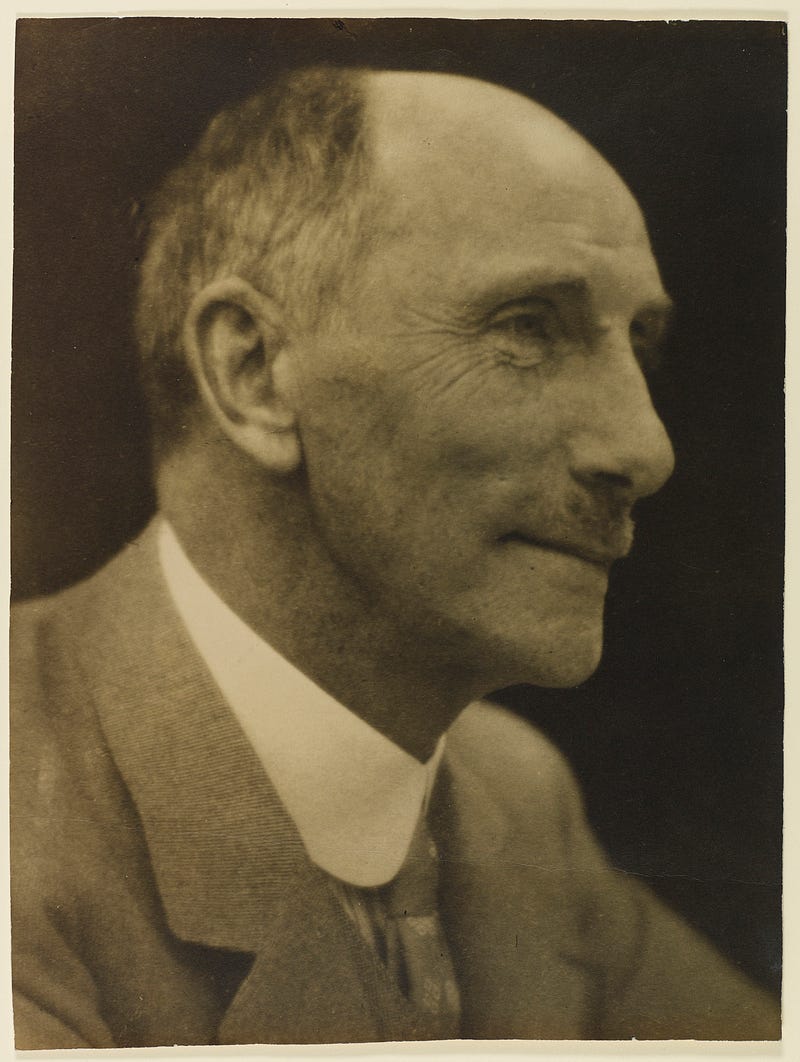
Charles Lang Freer died in 1919.
A friend later recalled visiting him in his last days:
“Indelibly in my memory is impressed the figure in the twilight by the window, the wasted sufferer waiting for the call, the shadowy substance of the man we had loved and admired…”
His syphilis was noted on his death certificate, but the newspapers reported he had died from “a stroke of apoplexy.”
Four years later, the Freer Gallery of Art opened in Washington D.C. (now a part of the Smithsonian). When the Christian ‘God’ had seemed to fade, he had only the ‘beautiful’. He created a temple to that.
The museum put on display some nine thousand objects, from many places and many periods, intermingled. As Freer had said, “all works of art go together, whatever their period.”
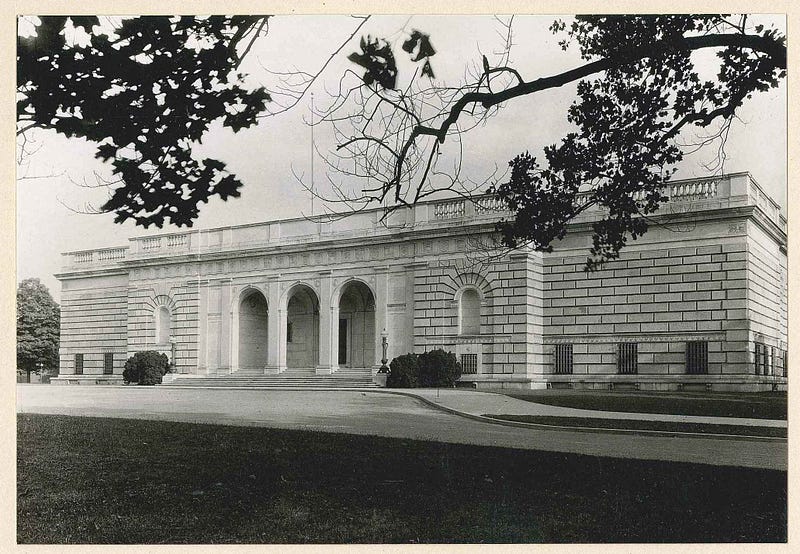
To curators, each artwork seemed part of a living organism Freer had created.
Kathleen Pyne concludes in a 1996 study:
“In short, he invested certain objects with the talismanic powers of a life force, with regenerative powers that could fill the void at the center of his universe created by the loss of parents and siblings, by the loss of faith in a higher power, and by the prospect of his own mortality.”
Like the Bible’s Temple in Jerusalem, the inner sanctum of the Freer Gallery was a room—not the ‘Holy of Holies’, but the Peacock Room, painted in green and gold by Whistler, and featuring various artworks.
Freer had displayed there the six Bible manuscripts he had found, among the paintings and pottery—all ‘beautiful’ objects.
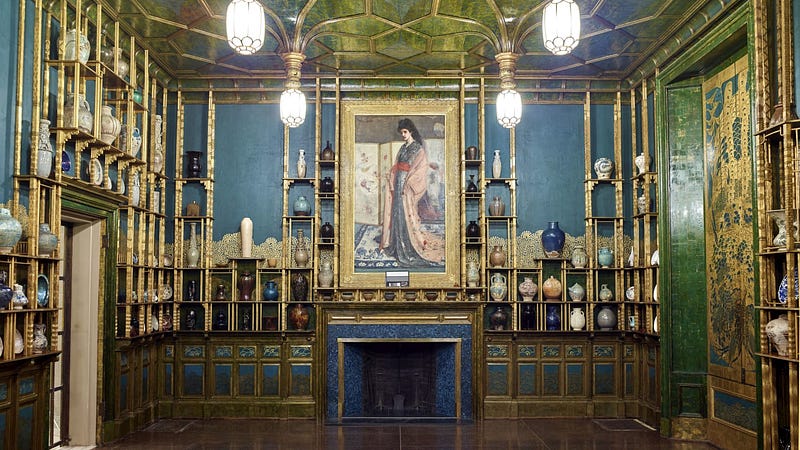
The museum remained rather obscure.
Freer’s collection was “little known by the American public,” a scholar writes in 1970. And Freer himself was an “enigma.”
In later years, owing to their fragility, Freer’s Bibles were rarely displayed. Over the years, they fell out of all public consciousness.
Scholars write of the Freer Gospels, on occasion. In 2018, Brent Nongbri notes that “it illustrates how little we know with any certainty about the dates and provenance of many early Christian manuscripts.” 🔶


