
How to Use CBD for the Best Benefits
It takes a little tweaking to get it right, but then…you’ll love CBD.
If you are having trouble viewing this content, here’s how to fix that.
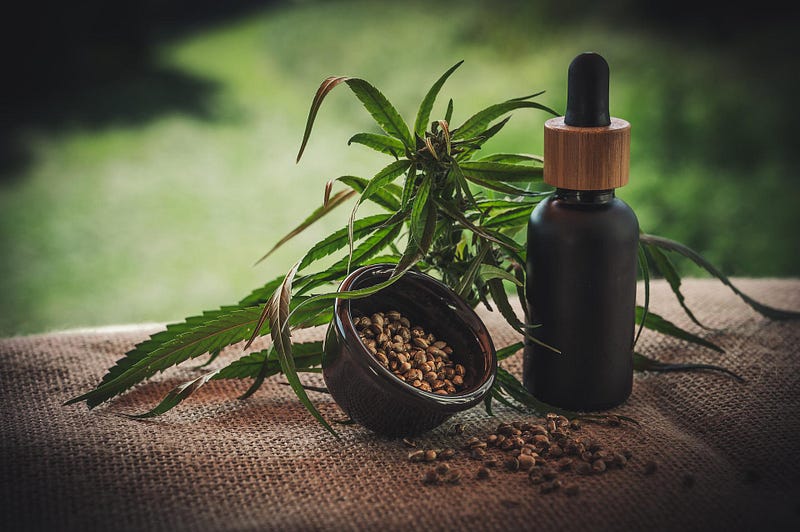
If you’ve been considering CBD, you’ve come to the right place — because this article isn’t to promote any particular CBD product or brand. It’s to talk with you about what you need to know (the dummy version) so you can get started with CBD.
I’m a CBD writer for big companies — but I am writing this article on my own…because I want to help you get started on a better life.
CBD has changed my life. This is NO understatement. So, today, I’m bringing what I’ve learned as a professional cannabis writer to help you find the same relief and peace in your life.
- I’ll explain why CBD could help you too.
- And, I’ll help you get some of that tricky CBD terminology sorted out.
- Finally, I’ll tell you how to choose and use the CBD products which are right for you (The generic version so you can choose whatever brand you want to use.)
Your time is precious, so here’s the quick navigation box: (you’re welcome)
∘ Meet your author:
· No Frills — Here’s What YOU Need to Know About CBD — What it IS, etc.
  ∘ First, what the hell is CBD?
  ∘ What are endocannabinoids?
  ∘ What is the endocannabinoid system?
  ∘ How does CBD work in the body?
  ∘ Does CBD break the blood-brain barrier?
  ∘ What Can CBD Do for You?
· Does CBD work? What are the CBD benefits?
· What we can say — legally
  ∘ Anecdotal Evidence Suggests:
  ∘ Research is Looking into These Potential Uses for CBD:
· How Do You Take CBD Oils for the BEST Benefits?
· Exact steps to get started with various CBD products
Meet your author:
CBD writer, Christina M Ward
3 1/2 years as a professional CBD and cannabis writer for 3+ international CBD/Cannabis derivative brands.
This means that 3–5 (or more!) days a week, I am researching cannabis and CBD and writing about it.
No Frills — Here’s What YOU Need to Know About CBD — What it IS, etc.
Whatever brought you here, dear reader, let’s see if we can address it together. Is it your scrambled mind? Your chronic pain? Your anxiety or depression? Your moods? Maybe you heard about CBD at the gym?
Whatever brought you here, I appreciate you, I see you, and 3 years ago — I WAS you. Before CBD products became a regular part of my life, inside and out.
Enough about me…
First, what the hell is CBD?
CBD is a cannabinoid. Cannabinoids are plant-based compounds much like the endocannabinoids our bodies produce. Yes, your body makes its own CBD-like molecules that serve a wide and variable purpose within your body.
CBD, cannabidiol, is one of the 100+ cannabinoids that come from industrialized hemp plants: Cannabis sativa. Yes, this is the same plant that marijuana products come from — only there are different strains cultivated for different uses. Low THC (the component in marijuana that makes you get high) varieties are called industrialized hemp. Very high THC Cannabis sativa varieties are called marijuana and these are rarely used for CBD purposes.
For further reading: What Are the Benefits of CBD?
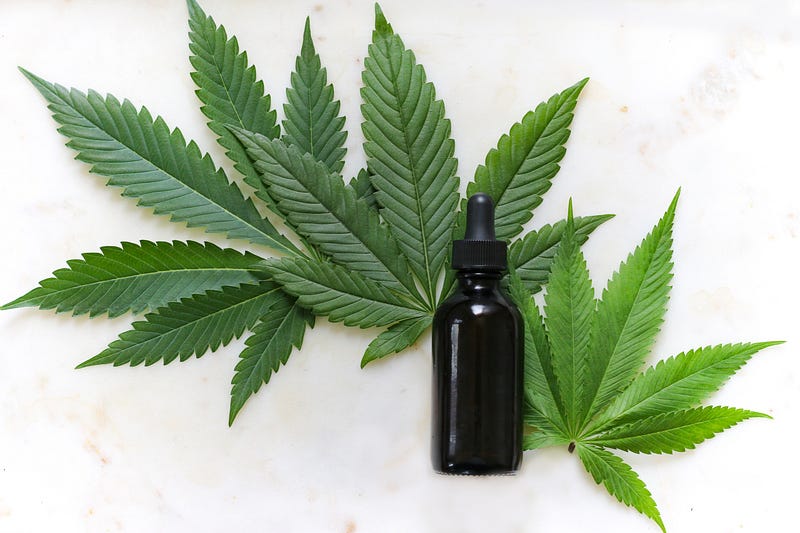
Thanks to the 2018 Farm Bill, products made from hemp were decriminalized and separated in the law language so that rope or clothing or CBD products — created from hemp — are not lumped into the same legal category as marijuana.
What is regulated is the amount of THC allowed in any given CBD product — THC levels must be less than 0.3% by dry weight to be legally sold, distributed, transported, and used in the US.
Note: States have their own CBD laws so check with your state’s laws! In fact, do that right here in one of my professional articles for a client — In What States Are Delta 8 and Delta 9 Legal to Buy?
CBD is one of the most popular cannabinoids because it is abundant in hemp, has many benefits, and because it will NOT and cannot get you high. It is completely non-psychoactive. THC, however, which is in some CBD products, can get you high if you consume enough of it. In CBD products, the THC levels are so low that unless you’re really sensitive to THC, it should not get you high.
A few quick facts:
Broad spectrum CBD — CBD products without THC
Full spectrum CBD — CBD products with THC (type of THC varies by brand)
Both broad spectrum and full spectrum will likely have other cannabinoids like CBG or CBN
The more cannabinoids, terpenes, and flavonoids present in a formula the better. A wider hemp plant profile creates a more well-rounded product with more versatile benefits.
Most CBD oil products are made with a carrier oil like MCT oil.
What are endocannabinoids?
Endocannabinoids are produced by your body. Two are of the highest interest: anandamide and 2-arachidonoylglycerol. There are others, but these are the two most widely studied.
Your body’s endocannabinoids help to regulate homeostasis in your bodily systems and help them to function more smoothly:
- Appetite
- Digestion
- Immune function
- Inflammation, including neuroinflammation
- Mood
- Sleep
- Reproduction/Fertility
- Motor control
- Temperature regulation
- Memory
- Pain
- Pleasure/reward
What is the endocannabinoid system?
The endocannabinoid system or ECS is a system in your body that includes receptors and enzymes to process the endocannabinoids your body produces or any phytocannabinoids (which are plant-based cannabinoids like CBD) that you take.
The cannabinoid molecules attach to CB1 and CB2 receptors, each of which communicates with different bodily systems. Naturally, if your body is endocannabinoid deficient (a condition called Endocannabinoid Deficiency, or CECD), then any cannabinoids you take would fill in any deficiencies as they mimic your body’s endocannabinoids.
How does CBD work in the body?
CBD binds to these receptors in the ECS system and then works with your body’s systems to make things run more smoothly. Think of each CB1 and CB2 receptor as a blank space if you don’t have enough endocannabinoids in your system. Flushing in cannabinoids from CBD products ensures that all these receptors are functioning and processing plenty of endocannabinoids and phytocannabinoids.
It’s simple: the more of these little molecules you have working in your system, the better you feel. That’s the general idea.
Fun fact: Most people who try CBD and think it doesn’t work for them — didn’t try it long enough or at high enough levels for the cannabinoids to build up in the system and reach that homeostasis.

Does CBD break the blood-brain barrier?
Researchers are particularly interested in how CBD may affect traumatic brain injury. This is due, in part, to suspicions that CBD does pass the permeability of the blood-brain barrier — meaning it can affect the brain itself.
Again — anecdotal evidence but thin on other studies, for now.
Researchers also suspect that CBD can help with seizures, seizure disorders, Parkinson’s, and other diseases. In fact, one branded CBD product has been approved by the FDA for the treatment of seizures.
What Can CBD Do for You?
Now that you have an idea of what CBD is and how it interacts with your body, let’s take a look at what CBD can do for you. I’ll also show you why the language around CBD can get so tricky — and why it sometimes feels like CBD companies aren’t being straight with you.
Does CBD work? What are the CBD benefits?
(The UNCUT and UNCENSORED version. Don’t Come AT me FDA — I’ll be clear about what’s fact and what’s anecdotal.)
There are a wide variety of benefits associated with CBD (as it corrects CECD and therefore makes your body work more efficiently) but it’s important to understand a few things about what CBD can do and what it cannot:
What we can say — legally
- Because the CBD industry has grown exponentially (due to the Farm Bill’s decriminalization of hemp-based products and also due to very strong anecdotal evidence) the scientific research simply has not had the time to keep up. Because of this — very few statements about the benefits of CBD can be made — legally and ethically. For example — we know it helps with pain and inflammation — but legally, because there are no studies definitively showing this, we cannot say that legally.
- We can say — CBD helps create a better sense of calm and wellness, and that it helps regulate a healthy sleep cycle. Though this, alone, is worth using CBD products — it’s not even CLOSE to the wide variety of benefits you can get from a regular CBD regimen.
Anecdotal Evidence Suggests:
That CBD may help with ALL KINDS of conditions. Again, scientific research is either in the works, proposed, not completed, or inconclusive at this time.
Research is Looking into These Potential Uses for CBD:
- Pain management
- Parkinson’s
- Alzheimer’s disease
- Cardiovascular disease
- Neurological illnesses
- Neurodegenerative conditions
- Neurodevelopmental conditions
- Treatment for various psychiatric illnesses
- Acute and chronic kidney disease
- Autoimmune diseases
- Chronic inflammatory diseases
- Chronic pain conditions
How Do You Take CBD Oils for the BEST Benefits?
This article is one of a series of CBD articles by the author. Please be sure to follow and subscribe for email notices when the author releases new topics.
Let me be clear — many people who do not feel CBD worked for them, simply did not understand how to use the product for the best benefits.
To begin, choose the right CBD products to get started with — and if you are a beginner with CBD I highly recommend a low concentration broad spectrum CBD oil. You may also use a variety of topical CBD products for localized pain and stiffness.
Exact steps to get started with various CBD products
Your CBD oil will have some information on the label that's important for how you begin taking it. First, look for the concentration. You’ll start out with a low concentration of 500–750 mg of CBD per bottle. There will be a recommended serving size, but you won’t start out with that. Cut it down to half or 1/4 of a serving size for the first few days until you get used to the oils.
During this time you may notice some mild side effects:
- nausea
- tummy upset
- dry mouth
- tiredness
After you’ve taken this small amount (remember, take it morning and night, the same amount each time and try to take them at the same times each morning and evening) then you may begin increasing your serving sizes a few drops each day until you are taking a full serving size morning and evening.
Once you are taking the full serving size — do this morning and evening for a full month, even if you feel like it’s not really helping.
At the end of a month think — is this helping some, a lot, not at all? If you need more benefits from your CBD then you may go to the next concentration up and use that for 2–3 weeks and then reevaluate again. You want to work your way up to the serving amount that seems to help you the most — and then, stay the course.
You can always add in other CBD products (like transitioning to the full spectrum if you need more help with calm or sleep) or add in a sleep formula with melatonin at night. There are also gummies you can take midday if you need that middle-of-the-day boost.
For more reading:
- In Defense of My Full-Spectrum CBD Oil
- CBD Oil Bath Salts — Home Made Recipe
- CBD Oil for Chronic Pain — Does it Really Work?
- This CBD Cream Is Your Summer Secret Weapon
- What Are the Benefits of CBD?
Thanks for reading today on the benefits of CBD and how CBD may improve your health.
Note: The author of this article uses CBD products from Asé Pure Naturals.
Take care, dear human.
~Christina M. Ward: Freelance CBD, health, wellness, & beauty writer for 3 international companies; ghostwriter for several others. Writing is paving her way to the ocean. Here’s how you can learn more about writing for a living.