
8 Sad Things Nuns Face Upon Leaving Roman Catholic Church
Can’t wish to leave? Rules and facts you didn’t know they follow.
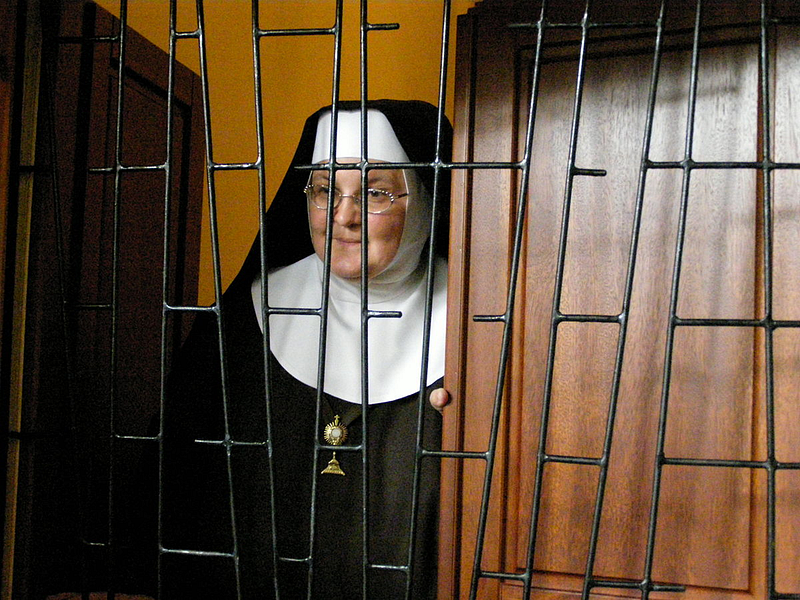
Suppose the reason given to leave or renounce the oath is valid, and the monastery can’t ease it.
It will depend on the order or bishopric to decide the proceedings, and he will eventually sort some kind of package similar to a retired priest. Still, unlike a priest’s retirement plan, a nun’s box is for a specific period.
So, what happens when a Nun decides to leave the Roman Catholic Church, and can she?
Well, the answer is yes! Sort of. Generally, a Nun is required to see their higher ranking order, who will try to find out why they want to leave their devotion. Depending on the cause, a Nun is given more time to think about it.
So what brought about these changes? And how did it affect the overall structure of religious proceedings and the community’s mindset?
The answer lies in various political backgrounds and personal reasons that instigate nuns to take such a step.
1. Political and Social Reforms
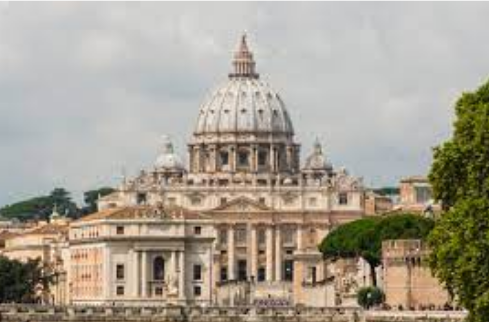
The Catholic transformation from uncompromising religious doctrine to a more flexible attitude towards religion encouraged freedom.
Nun’s life changed in 1965 after the second Vatican council ended, giving the nuns a chance to revise the choice they had made previously.
Approximately, around 40,000 nun’s revoked their status between 1966 and 1981.
2. The outside world and cultural upset
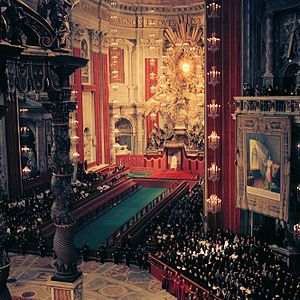
It didn’t take long after the second Vatican council ended that an extensive withdrawal of nuns began — mainly in the late 1960s and early 80s.
While the whole life of a Nun was spent in the confined space of a church or monastery, the concept of the secular world, with all its uncertainty and conflicts, was often a shock to an Ex-nun.
Ex-nuns didn’t find it easy to soak up the way of socializing or the way the outside folks met each other.
The desire to try new activities and have new experiences often kept them going, but on the flip side, some Ex-nuns missed their fellowship. Many of the Ex-nuns haven’t seen all this for most of their life.
3. Resistance over the church and its teachings
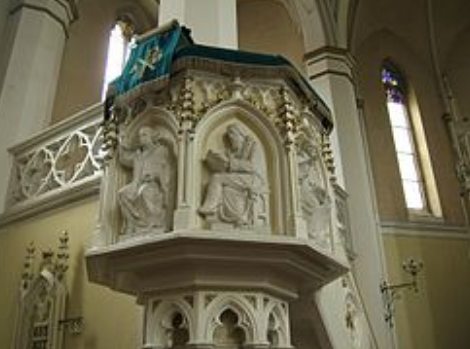
A Catholic nun is a woman who lives a contemplative life in a monastery — usually enclosed or semi-enclosed.
Her prayers and devotion are centered within, around the sanctuary for the good and the betterment of this world.
A Catholic nun professes the everlasting solemn vows of living a life according to the evangelical counsels of poverty, celibacy, and obedience — this might lead to feelings of constriction.
Moreover, it develops an increased curiosity for the outside world that instigates one to take the step of departure.
Her step into the comparatively bold world that she has experienced otherwise may fascinate her. Still, it may soon translate into feelings of longing for her previous life.
4. From hymns to singing
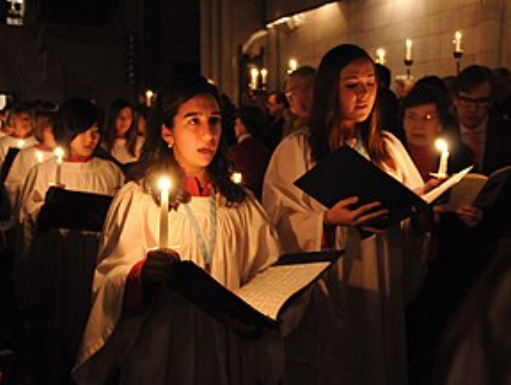
Hymns have been written and sung for centuries now. A hymn is a song, usually religious, specifically written for devotion or invocation, and generally sermonizes the lord.
Now you may ask where a Nun comes in all this well. A Nun, an integral part of the church, plays her role here too in writing and especially in singing; consequently, many ex-nuns try to pursue singing as a profession, whether joining their local choir or running an online singing channel.
5. Catholic to Protestant or unquenchable thirst to prove themselves
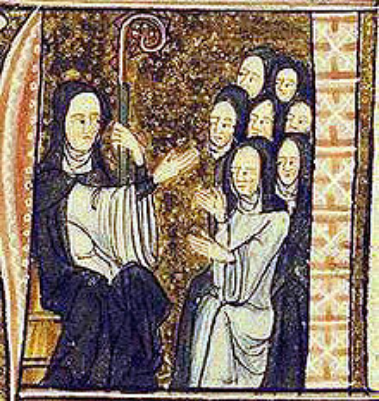
Catholics Churches have been dominated by men, particularly regarding hierarchy or the power structure. A Nun is a highly respected identity but has no say in administration, and this often harms Nun’s.
Some Ex-nuns took part in church services in their communities and some attended Protestant churches because church has long been a part of their lives.
Protestant churches being a bit more open minded and give women more rights than Catholics churches is a more relaxed approach towards religion which some Ex-nuns regret the absence of or it’s just nostalgic for them.
This negativity followed when a Nun has renounced her vows and stepped into a secular world.
Ex-nuns even tried to go for a minister in their local Protestant Church, and this gave them the confidence in themselves that they had always desired.
6. Many reasons to leave

Nun’s who left the church later spilled the beans to their close ones and some on media regarding quitting spiritual walk of life.
There were many reasons, and some were fundamental rights that the common individuals had outside the world.
Some of the reasons were ill treatment by the bishop towards the priest or other church employees, the fact that the women are not allowed to be any administrators or the very stance the church had on sexuality or sexual identity.
7. Psychological disputes between Nuns and Ex-Nuns

The Second Vatican Council, which ended in 1965, stimulated fundamental changes and switched the lives of women religiously.
Suddenly, Nuns moved from a harsh and stiff, rationalized system to a free and versatile design.
Before the Vatican ll Council, Nuns were manipulated by their seniors. There was no choice for nuns to exit from their duty and, in case; if she wanted such and talked to her seniors, they treated themselves as apostates.
There were several reasons in the life of Nuns why they wanted to leave and move on. The one who tried to quit smuggled out at midnight or before the early morning prayer.
Nuns were demoralized to get in touch with her fellow sister Nuns, with whom they would build a secure and robust relationship — and then were not allowed to come back to the convent.
They were briefed about their ex- sister to treat them in a way like they remain no more.
Such attitude generates psychological disputes between nuns and ex-nuns.
8. They often opt for social work
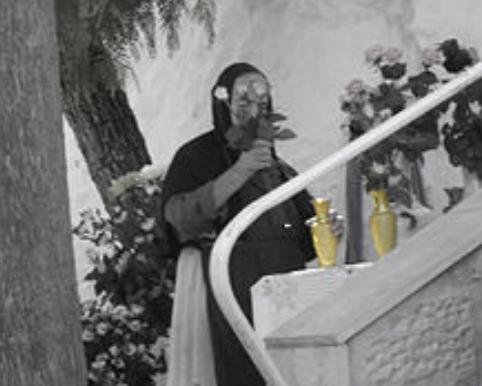
Once a Nun has renounced her vows and steps into a secular world, the transition is not usually trouble-free.
The poverty bit of the earlier vows follows because of no formal education; therefore, many end up in some helping professions, social work, hospice care, or the hospitality industry. Thus, a nun’s vow of poverty endures until death.
More from the author:


