avatarHailey

Free AI web copilot to create summaries, insights and extended knowledge, download it at here

3689

Abstract

d="867a">In Jewish culture, people strongly believe in ayin hara, which means “evil eye.”</p><p id="99a0">In Hebrew, the “evil eye,” ayin ha’ra is the idea that a living being can harm or bring hardship to an individual merely by them — bad omens are often blamed when bad things happen.</p><p id="f643">Over the centuries, Jews have introduced numerous superstitious practices believed to ward off the Evil Eye, such as spitting three times after a vulnerable person’s name is uttered or saying, when discussing some plan, “let it be without the evil eye” and use of amulets.</p><p id="71cf">There are some ways that Jews has been used to avoid “ayin hara,”: by wearing a red band around their wrist, hanging a Hamsa in their home, wearing a chain around their neck.</p><p id="6957">The evil eye would bring physical and mental illness, and any unexplained disease was attributed to the evil eye.</p><h1 id="3b42">5. Ritual bathe or the Mikveh</h1><figure id="bcc1"><img src="https://cdn-images-1.readmedium.com/v2/resize:fit:800/1*ot12lAzQd19Ncc5tChF_jQ.png"><figcaption>Source: <a href="http://bit.ly/3JiwK24b">Wiki</a></figcaption></figure><p id="cb05">Mikveh is a Jewish ritual bath, and it is mandatory to immerse in a mikvah before getting married for men and women and after the menstrual cycle for women. It is also performed before converting to Judaism.</p><p id="591a">Many Jewish men immerse themselves in mikvah every day and some on Friday before Shabbat.</p><p id="e5f0">Jewish women have been making a ritual bath in a mikvah pool to purify her selves — almost every Jewish community has a mikvah, and in larger communities.</p><h1 id="e69d">6. The Eruv</h1><figure id="639d"><img src="https://cdn-images-1.readmedium.com/v2/resize:fit:800/1*algLFPdikrdc4PxSeLVCWA.png"><figcaption>Source: <a href="http://bit.ly/3CPtvwIbit">Wiki</a></figcaption></figure><p id="e11c">The term eruv refers to mixing or combining and is shorthand for eruv, the mixing of domains, in this case, the private and the public — it does not mean that a neighborhood is enclosed entirely by a wall.</p><p id="fbde">Instead, the eruv can be comprised of a series of pre-existing structures, walls, fences, electrical poles, and wires or structures created expressly for the eruv; often a wire mounted on stakes.</p><p id="6abc">In practice, the eruv is a symbolic distinction of the private discipline, one that communities come together to create.</p><p id="e804">An eruv restricts carrying items which are Jewish law on Shabbat prohibits — like cell phones or money.</p><h1 id="cea5">7. Rebbe Piller of the Hasidic community</h1><figure id="3481"><img src="https://cdn-images-1.readmedium.com/v2/resize:fit:800/1*b0EZX3MXf5agJIrNMNoWYA.png"><figcaption>Source: <a href="http://bit.ly/3KO1cBj">Wiki</a></figcaption></figure><p id="a3d2">Rebbe is referred to as a religious leader of the Hasidic group where some people devoted their lives to God and to His service.</p><p id="6fa9">But they often removed themselves from the common individuals to immerse themselves in study, contemplation, and prayer.</p><p id="ae4e">There is no formal job description of a rebbe, nor is there an application or selection process to become one.</p><p id="cb0d">The original leaders of the Hasidic movement assigned such people to provide guidance and inspiration to each member of their community so that every person could feel close to God and serve Him with love, awe, and joy.</p><p id="64c9">The relationship between a Hasid and their Rebbe is a close and intimate one much more than that of teacher and student.</p><p id="bfac">Hasid must make his own decisions and work hard to achieve his goals, but the R

Options

ebbe is there at every stage to guide and assist.</p><h1 id="c716">8. Marriage contract or Ketubah</h1><figure id="e81b"><img src="https://cdn-images-1.readmedium.com/v2/resize:fit:800/0*hQkChKcuQUv3e3PA"><figcaption>Source: <a href="http://bit.ly/3iuhROtbi">Wiki</a></figcaption></figure><p id="83b6">The Ketubah is a formal and legal Jewish marriage contract written in Aramaic (traditional language of Ketubah spoken by the Jews of that time), signed by two witnesses and by bride and groom, which guarantees a bride a certain future rights before her marriage.</p><p id="23dd">Approximately 2500 years ago, it was introduced in a Jewish wedding ceremony.</p><p id="753a">Since Jewish religious law permits a man to divorce his wife for any reason, the Ketubah was introduced in ancient times to protect a woman’s rights and make divorce a costly matter for the husband.</p><p id="ef7b">The conditions stipulated in the document also guarantee the woman’s right to property when her husband dies. A Jewish wife carefully preserves the Ketubah, not as evidence of marriage but for its future value.</p><h1 id="132e">Final Words</h1><p id="4b50">Jews were not only aware of their own culture and tradition, but they also paid close attention to the moves of their rivals.</p><p id="f8a6">They are a perfect example of the diverse groups of religion and beliefs still present in the world and are proud of it.</p><p id="db1a">Many may not agree with their practice, some might find them a bit eccentric for their liking — but the fact that they refuse to comply or conform to the world’s norms and blend in speaks of their authenticity in itself.</p><p id="bce1">More from the author:</p><div id="91ec" class="link-block"> <a href="https://readmedium.com/10-rules-you-had-no-clue-amish-women-had-to-follow-4e0be7f2ccb2"> <div> <div> <h2>10 Rules You Had No Clue Amish Women Had to Follow</h2> <div><h3>Peek inside some strict restrictions they wish we didn’t know.</h3></div> <div><p>medium.com</p></div> </div> <div> <div style="background-image: url(https://miro.readmedium.com/v2/resize:fit:320/0*TpAFHAcLlKEbahUX)"></div> </div> </div> </a> </div><div id="d401" class="link-block"> <a href="https://readmedium.com/11-unbelievable-historical-events-that-happened-at-the-same-time-ddff3d4be632"> <div> <div> <h2>11 Unbelievable Historical Events That Happened at the Same Time</h2> <div><h3>Weird historical facts that will mess with your idea of time.</h3></div> <div><p>medium.com</p></div> </div> <div> <div style="background-image: url(https://miro.readmedium.com/v2/resize:fit:320/1*n_K0fHbVj_ACkWgmd87I2w.jpeg)"></div> </div> </div> </a> </div><div id="4e80" class="link-block"> <a href="https://readmedium.com/8-surprising-discoveries-that-changed-history-as-we-know-it-today-d8943d650eee"> <div> <div> <h2>8 Surprising Discoveries That Changed History as We Know It Today</h2> <div><h3>Archeological findings that will leave you completely astounded.</h3></div> <div><p>medium.com</p></div> </div> <div> <div style="background-image: url(https://miro.readmedium.com/v2/resize:fit:320/1*PDYSQLKNH__wlO_-z6iNlg.png)"></div> </div> </div> </a> </div></article></body>

8 Strict Rules of Hasidic Judaism

A glimpse inside the hidden world of Hasidic Jew.

Source: Wiki

Hasidic Judaism is a relatively new sect found in the 18th century in Eastern Europe. The word Hasidic derives from Hasidism or “pious ones” in Hebrew — the sect is known for its unambiguous dress and rules, which they follow sacredly.

The Hasidic live in clannish communities that are spiritually centered around the imperial leader known as Rebbe.

Hasidic men and women live their life in defined rules and manners. These people may be odd to some, but they take pride in being different, who have followed their traditions and long since stuck to them without hesitance.

Their culture may not be known to many since it hasn’t received much exposure globally, but it certainly makes an exciting read for those intrigued by cultural and religious diversity.

To know more about this fascinating group of people, read on.

1. Gender segregated prayers

Source: Wiki

Hasidic Jews segregate men and women during worship; it is part of their culture.

The mechitzah is a Hasidic synagogue to separate men from women. Mechitzah can be of anything from a simple curtain to plants — its purpose is to part the two genders during the congratulations prayers in a Hasidic synagogue.

2. Attires rules of Hasidic Jews
Source: Wiki

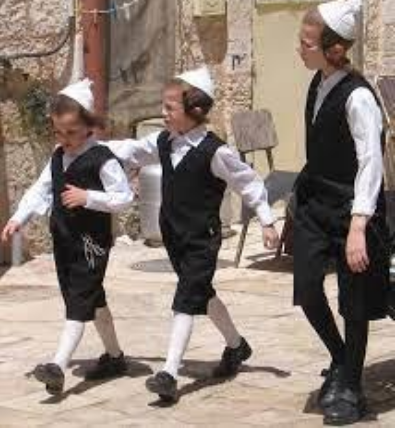
Clothing has long played a significant role in Judaism, reflecting their religious identification and social status.

Hasidic Jews clothing is generally loose and dark in color. It consists of five layers, including underlining, shirt, long shirt, waisted coat, and a long coat, and all this is crowned by headgear, a hat, or other traditional fur-made head coverings.

When it comes to Hasidic women, their clothing is also dark in color and comprises skirts and long dresses. Women’s clothing also includes headgear but after marriage to stipulate the marital status.

The religious head of the community traditionally wears the tallest hat, as does the spouse of the Rebbe.

3. Women are not time-bound
Source: Wiki

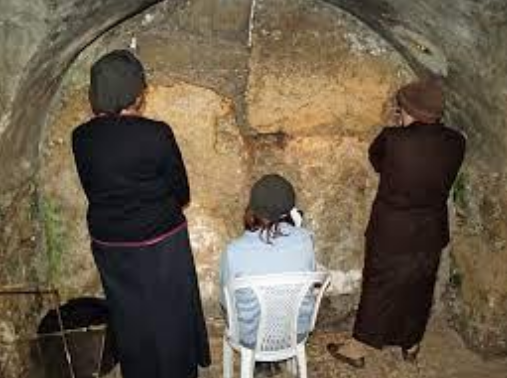
Like many other virtues of Hasidic Jewish, women are also not left behind but rather given some extra relief.

One of many is they have been excused from time-bound commandments that require them to pray or study at a particular time of the day.

Hasidic Jewish women’s principal role is a wife and a mother; therefore, they are spared from the time-bound commandments. According to some Hasidic connotations, women are naturally blessed with more apprehension than men.

4. Evil eye or ayin ha’ra

In Jewish culture, people strongly believe in ayin hara, which means “evil eye.”

In Hebrew, the “evil eye,” ayin ha’ra is the idea that a living being can harm or bring hardship to an individual merely by them — bad omens are often blamed when bad things happen.

Over the centuries, Jews have introduced numerous superstitious practices believed to ward off the Evil Eye, such as spitting three times after a vulnerable person’s name is uttered or saying, when discussing some plan, “let it be without the evil eye” and use of amulets.

There are some ways that Jews has been used to avoid “ayin hara,”: by wearing a red band around their wrist, hanging a Hamsa in their home, wearing a chain around their neck.

The evil eye would bring physical and mental illness, and any unexplained disease was attributed to the evil eye.

5. Ritual bathe or the Mikveh

Source: Wiki

Mikveh is a Jewish ritual bath, and it is mandatory to immerse in a mikvah before getting married for men and women and after the menstrual cycle for women. It is also performed before converting to Judaism.

Many Jewish men immerse themselves in mikvah every day and some on Friday before Shabbat.

Jewish women have been making a ritual bath in a mikvah pool to purify her selves — almost every Jewish community has a mikvah, and in larger communities.

6. The Eruv

Source: Wiki

The term eruv refers to mixing or combining and is shorthand for eruv, the mixing of domains, in this case, the private and the public — it does not mean that a neighborhood is enclosed entirely by a wall.

Instead, the eruv can be comprised of a series of pre-existing structures, walls, fences, electrical poles, and wires or structures created expressly for the eruv; often a wire mounted on stakes.

In practice, the eruv is a symbolic distinction of the private discipline, one that communities come together to create.

An eruv restricts carrying items which are Jewish law on Shabbat prohibits — like cell phones or money.

7. Rebbe Piller of the Hasidic community
Source: Wiki

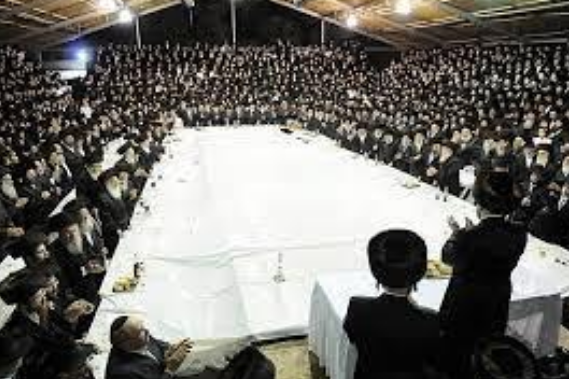
Rebbe is referred to as a religious leader of the Hasidic group where some people devoted their lives to God and to His service.

But they often removed themselves from the common individuals to immerse themselves in study, contemplation, and prayer.

There is no formal job description of a rebbe, nor is there an application or selection process to become one.

The original leaders of the Hasidic movement assigned such people to provide guidance and inspiration to each member of their community so that every person could feel close to God and serve Him with love, awe, and joy.

The relationship between a Hasid and their Rebbe is a close and intimate one much more than that of teacher and student.

Hasid must make his own decisions and work hard to achieve his goals, but the Rebbe is there at every stage to guide and assist.

8. Marriage contract or Ketubah
Source: Wiki

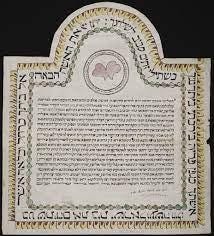
The Ketubah is a formal and legal Jewish marriage contract written in Aramaic (traditional language of Ketubah spoken by the Jews of that time), signed by two witnesses and by bride and groom, which guarantees a bride a certain future rights before her marriage.

Approximately 2500 years ago, it was introduced in a Jewish wedding ceremony.

Since Jewish religious law permits a man to divorce his wife for any reason, the Ketubah was introduced in ancient times to protect a woman’s rights and make divorce a costly matter for the husband.

The conditions stipulated in the document also guarantee the woman’s right to property when her husband dies. A Jewish wife carefully preserves the Ketubah, not as evidence of marriage but for its future value.

Final Words

Jews were not only aware of their own culture and tradition, but they also paid close attention to the moves of their rivals.

They are a perfect example of the diverse groups of religion and beliefs still present in the world and are proud of it.

Many may not agree with their practice, some might find them a bit eccentric for their liking — but the fact that they refuse to comply or conform to the world’s norms and blend in speaks of their authenticity in itself.

More from the author:

Culture
History
Education
Entertainment
Religion
Recommended from ReadMedium