

8 Mandatory Books to Become a Better Person (and a Manipulator) in 2024
Read them if you want to become a better leader, more productive and objective-oriented, and a life warrior in the new year.
As we enter a new year, I find myself reflecting on the books that have profoundly influenced my approach to goal-setting, personal effectiveness, and professional growth.
One recommendation stands out among the rest, a gem introduced to me by my friend JC — John Doerr’s “Measure What Matters”. This is not just a book; it’s an experience that reshapes how one perceives and achieves success.
Then, towards the end of my literary journey this year, I encountered a book that veered from the tactical frameworks of success to the psychological underpinnings of personal achievement. “The Psychology of Slaying Dragons” by Kristian Bell is a clarion call to the modern warrior spirit lying dormant within us all.
Kristian, my coach and mentor, weaves together a narrative that confronts the reader with a stark reality: the battlefields have changed, but the essence of the warrior remains crucial to personal and societal achievements.
Here are the eight books that helped me become a better leader, entrepreneur, warrior, and manipulator (?) over the last year.
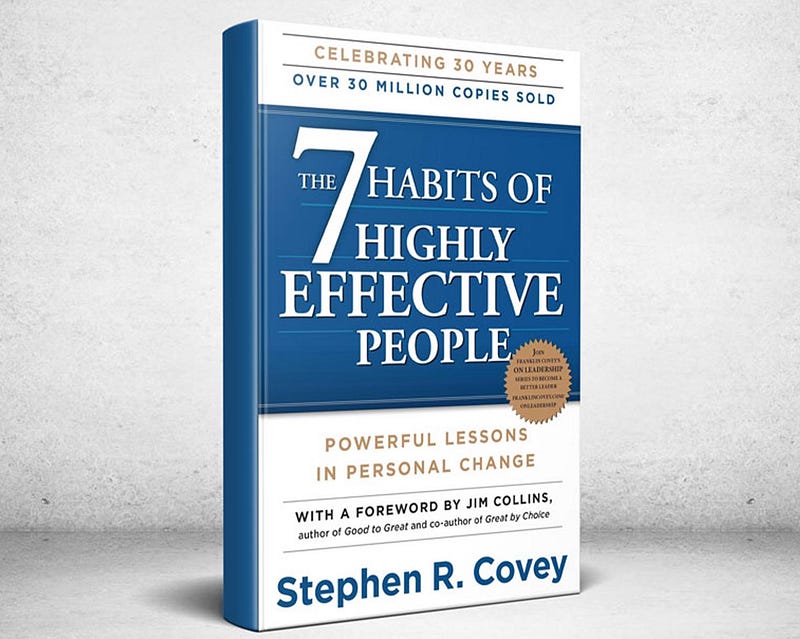
“The 7 Habits of Highly Effective People” by Stephen Covey
This is a highly mandatory book!
“The 7 Habits of Highly Effective People” is a classic self-help book (I used to hate self-help books!) written by Stephen R. Covey. It is considered one of the most influential books ever written on personal and professional effectiveness and development.
This book explains that the way we see the world is entirely based on our own perceptions, and to change a given situation, we must change ourselves first. He also believes that the most enduring way to change ourselves is to focus on our own character, not on our attitudes and behaviors alone.
The seven habits in the book are:
- Be Proactive: Take responsibility for your own life and your choices.
- Begin with the End in Mind: Define what you want to achieve in life and work towards it with a clear vision and mission.
- Put First Things First: Prioritize your tasks based on importance rather than urgency, and manage your time accordingly.
- Think Win-Win: Approach conflicts and negotiations with a mindset that seeks mutually beneficial outcomes.
- Seek First to Understand, Then to Be Understood: Practice empathetic listening to genuinely understand others before trying to be understood yourself.
- Synergize: Work effectively with others to achieve goals by leveraging individual differences to create a whole greater than the sum of its parts.
- Sharpen the Saw: Continually renew yourself in the physical, mental, social/emotional, and spiritual domains to create a sustainable, long-term, effective lifestyle.
Amazon rating: 4.6
My rating: 4.7
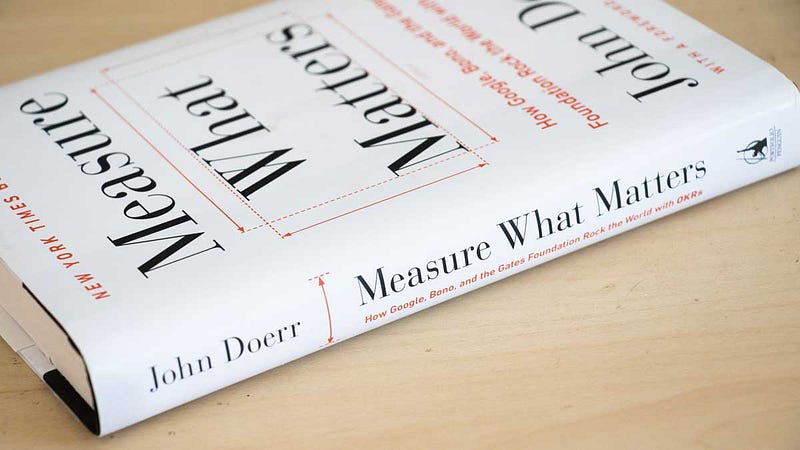
“Measure What Matters” by John Doerr
This was the best book recommendation I had this year from my friend JC.
“Measure What Matters” is a book by John Doerr, venture capital OG at Kleiner Perkins Caufield & Byers. The book discusses the goal-setting system of Objectives and Key Results (OKRs), which Doerr learned about from Andy Grove while at Intel and later introduced to many technology companies, including Google, to help them achieve explosive growth.
The core of the book is about how to set clear, ambitious goals with measurable results.
The book outlines the following key aspects of OKRs:
- Objectives: These are the significant, action-oriented goals that are set on a company, team, or personal level.
- Key Results: These are the measurable outcomes that indicate progress towards an Objective. They should be specific, time-bound, and verifiable.
Setting up OKRs helps align and engage an organization’s teams by linking the goals from the top to the bottom, ensuring that everyone works collaboratively towards common objectives.
The book was extremely useful to me, and it helped me get involved in implementing OKRs in the company where I work and led me to read the 2 other books in this list.
Amazon rating: 4.5
My rating: 4.7
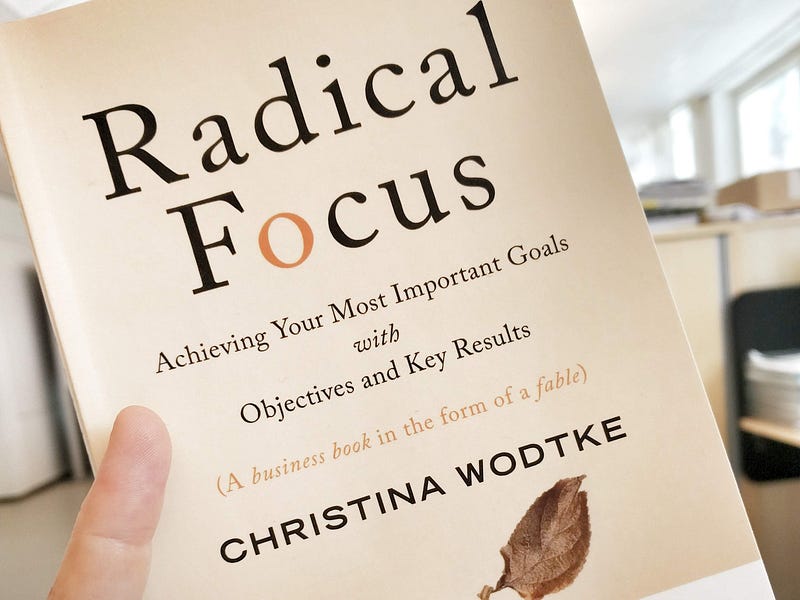
“Radical Focus” by Christina Wodtke
At the end of “Measure What Matters”, John Doerr recommends Radical Focus to readers who want to continue their OKR journey.
“Radical Focus: Achieving Your Most Important Goals with Objectives and Key Results” is a book by Christina Wodtke. The book has amazing storytelling and offers a practical guide to setting and achieving goals using the Objectives and Key Results (OKRs) framework.
“Radical Focus” stands out for its unique approach to explaining OKRs by weaving the principles into a narrative and sharing practical stories. Wodtke uses a fable about a startup company to demonstrate how OKRs can be effectively applied in a real-world setting. The storytelling format makes the methodology more relatable and the principles easier to grasp.
I really had a great time reading this book, where I also learned how to implement OKRs in my personal life.
Amazon rating: 4.4
My rating: 4.6
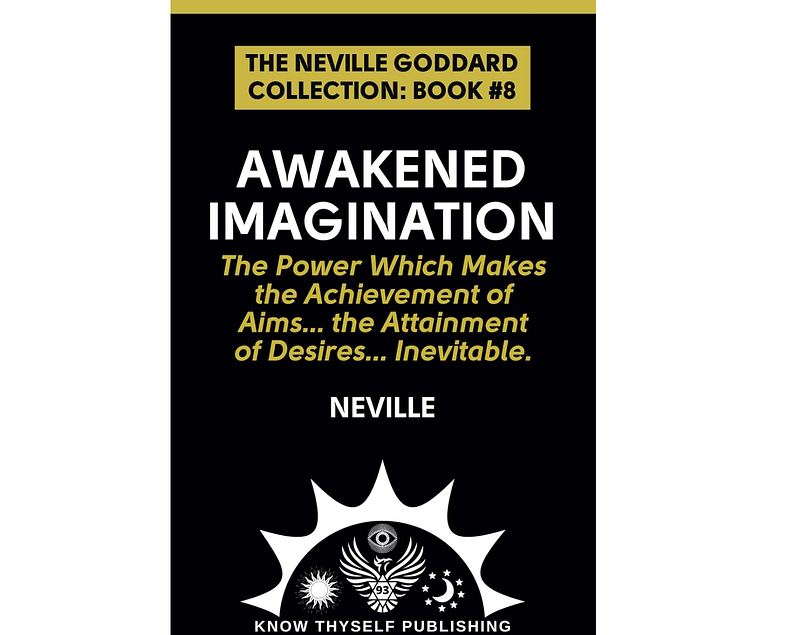
“Awakened Imagination” by Neville Goddard
“Awakened Imagination” is a genial book by Neville Goddard. In his books, Neville explores the power of imagination and consciousness and explains how you can create your reality by using your imagination and feelings.
“Awakened Imagination” will turn some of your perceptions upside down. The book explores the idea that we all have the power to bend the world according to our imagination.
Human imagination is a powerful, creative force in the universe, and the book goes as far as claiming that you can visualize your desires and ambitions in order to bring the outcomes closer to you.
Have you heard of the book “The Secret” and all the Law of Attraction theories? They probably got inspiration from Neville Goddard.
In a nutshell, “Awakened Imagination” will show you how the power of positive thinking and the belief in the ability of the mind can and will affect your physical reality. Great book!
Amazon rating: 4.7
My rating: 4.5
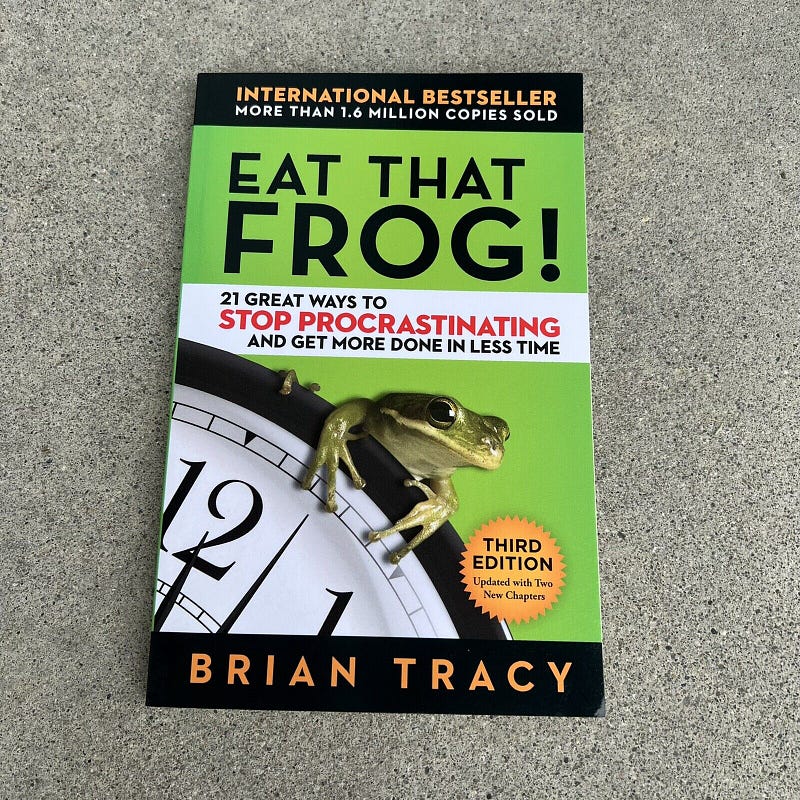
“Eat That Frog” by Brian Tracy
This is a short but extremely useful book.
“Eat That Frog!: 21 Great Ways to Stop Procrastinating and Get More Done in Less Time” by the one and only Brian Tracy tells you that the first thing you need to do each morning is to eat a big frog.
In the context of the book, the “frog” is a metaphor for the most challenging task of your day, the one you are most likely to procrastinate on, but also possibly the one that might have the greatest positive impact on your life.
The central message of “Eat that Frog” is about prioritizing tasks, focusing on the most important and challenging ones first. Tracy offers a step-by-step framework to organize daily, overcome procrastination, and improve productivity. It's simply an amazing book.
Amazon rating: 4.7
My rating: 4.8
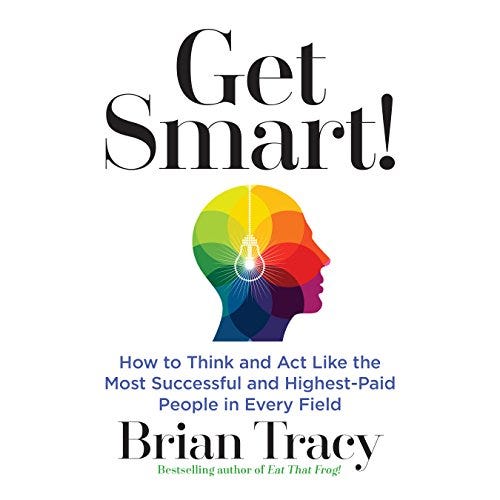
“Get Smart” by Brian Tracy
This other Brian Tracy book was free on Audible, so I decided to give it a try!
“Get Smart: How to Think and Act Like the Most Successful and Highest-Paid People in Every Field” is another book by Brian Tracy that focuses on ways to increase your brainpower and improve your thinking skills.
The “Get Smart” book explores principles and habits that can help individuals make more intelligent decisions, solve problems more effectively, and achieve better outcomes in their personal and professional lives. It highlights the importance of critical thinking and strategic planning.
- Strategic thinking: Learning to look at the bigger picture and plan long-term strategies for success.
- Creative thinking: Developing the ability to think outside the box and approach problems from different angles.
- Analytical thinking: Enhancing the ability to break down complex problems and make decisions based on data and logical reasoning.
- Learning from mistakes: Encouraging a mindset that views failures as learning opportunities.
Amazon rating: 4.5
My rating: 4.6
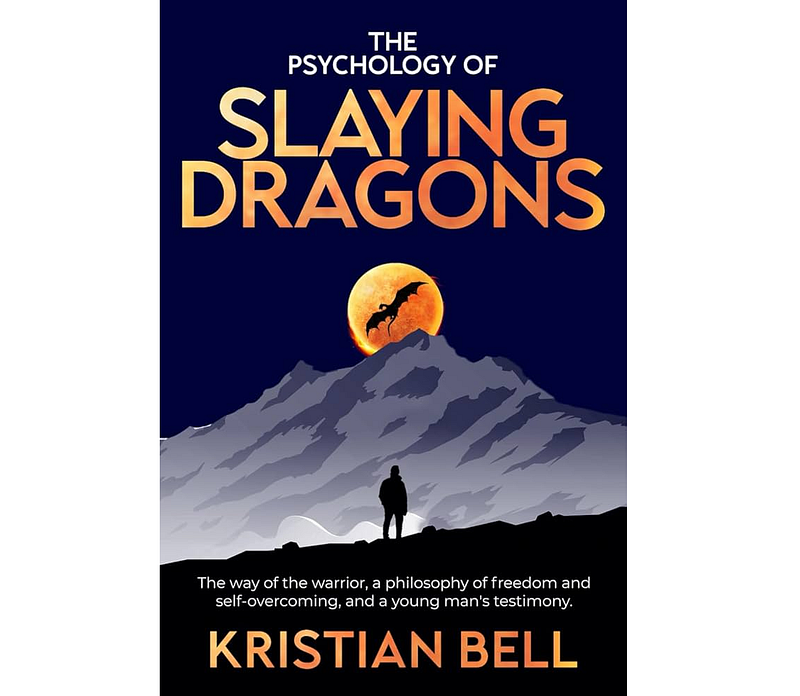
“The Psychology of Slaying Dragons” by Kristian Bell
“The Psychology of Slaying Dragons” was written by my coach, Kristian Bell, and it’s a guide on how to be a warrior in the current world.
The book guides the reader to push past their fears and dependencies, tackle obstacles, and live a life of strength and filled with success.
We live in a world full of distractions, and most of us live an easy life when compared to the warriors of the past. The “Psychology of Slaying Dragons” will help you wake up the warrior within you and live according to your highest potential.
This book is a tribute to reawakening the champion within men and sparking a renewed ethos of unity and distinction if you want to become an effective leader.
Kristian has amazing storytelling skills, and the book is packed with psychological and philological treasures that can help anyone on their journey.
You can also check out his YouTube channel.
Amazon rating: 4.9
My rating: 4.9
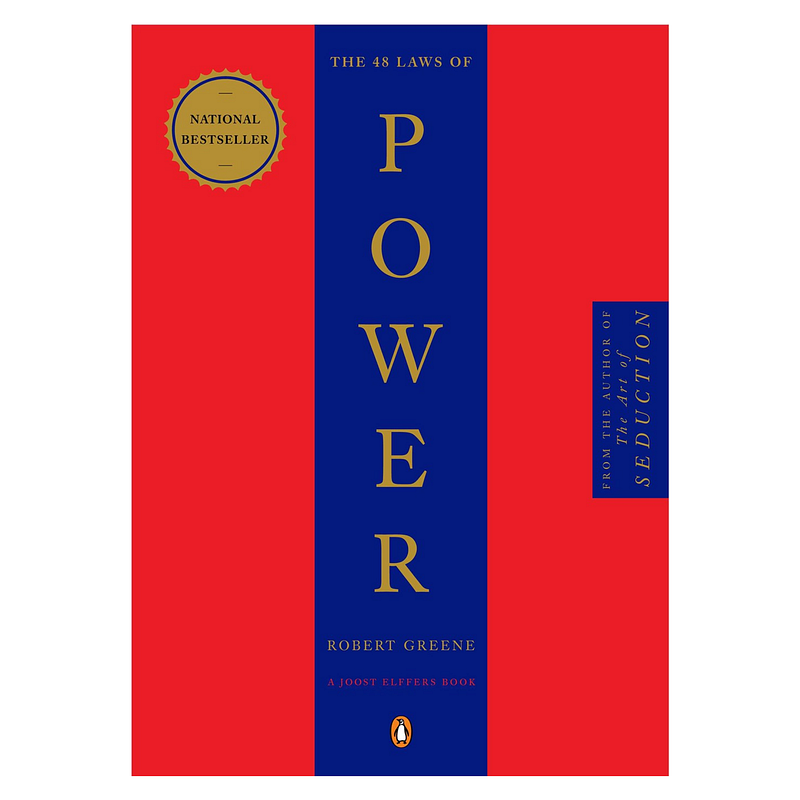
“48 Laws of Power” by Robert Greene
After reading this book, you will feel like you have gained a new superpower. This is why I think the 48 laws can turn you into a “manipulator”:
“The 48 Laws of Power” is a book by Robert Greene. The book is a manual that synthesizes centuries of history, philosophy, and personal anecdotes to distill 48 laws that Greene asserts can be used to amass and maintain power in personal or professional relationships.
Each law is presented with historical examples that illustrate the principle in action, involving figures from various epochs and cultures, such as Niccolò Machiavelli, Louis XIV, Sun Tzu, and many others. The laws cover various topics, from learning to keep people dependent on you to protecting your reputation to being adaptable and avoiding the limelight when necessary.
On one side, you can see “The 48 Laws of Power” as an educational book, but on the other hand, it’s a guide for a cynical and manipulative view of human relationships, and it has some morally questionable tactics. Nevertheless, you can use it for good!
Did you know that the 48 Laws of Power is banned from American prisons?
Amazon rating: 4.7
My rating: 4.9
Which of these books have you read, and which is your favorite? What other personal growth books should I read next?
*This article contains Amazon affiliate links.
If you found this article valuable, throw us some Medium love!
🥰 What you can do to support us: Clap up to 50, leave a message, highlight some text if you see fit & be sure to follow. 💌
🌞 Stay in touch with us:


