
8 Management Tips From Observing Salad
Your next meal could make you a better manager

Do you ever concentrate on your dinner so much that you start to feel like your food is trying to send you a message? Yeah, me neither.
But the other day I was really enjoying a salad and started to reflect on why it was so tasty. Upon my careful analysis, I realized that there are many working parts to a salad that need to be considered. I naturally then started to draw parallels with managing a team and discovered a few insights that my appetizer was trying to share with me.
Whether these insights will be useful to you romaines to be seen, but here they are anyway. Lettuce begin.
1. Diversity is a superpower
The whole point of salad is to mix different ingredients together to form a delicious combination of tasty goodness. Eating a bowl of just lettuce doesn’t do anything for me. But including a range of vegetables, each with a different flavor and texture, creates a blend of yummy worth eating.
Creating a team is the same. Of course, you can have a team consisting of only a specific demographic. But if you were to instead have a group of people from different backgrounds, age groups, experiences, and cultures, you’d be able to tap into a variety of perspectives, strengths, and approaches. Because of this, diverse teams have been shown to be more resilient and innovative.
Diversity for diversity’s sake is pointless. But when forming your team, it’s beneficial to look out for people who bring different ideas and experiences to the table. Which brings me to the next point.
2. Certain people work better together
There are a select few people in this world who would enjoy papaya, tomato, broccoli, and watermelon salad. For the large majority of us, that combination wouldn’t fly.
Teams are like salads in the sense that it’s important to know what works well together. Certain people have different working styles, personalities, levels of experience, and ways of communicating. To allow the team to prosper, it’s important to create a team that shares the same values, attitude, and work ethic.
Chemistry and synergy are key to a successful team.
3. Team goals and missions are key
It’s important to understand what your goal as a team is. What does each member contribute?
The goal of a salad can be anything from being a high-protein fitness meal to being a fruity dessert. What does your team hope to achieve and what does each person offer?
Spinach has antioxidants, broccoli has vitamins C and K, and chickpeas have lots of protein. Each has its part to play in the overall vision.
It’s important for each team member to know what they contribute to the whole and how that will help the team achieve its goal. Each member should also acknowledge and respect the values that others bring and recognize that everyone has an important part to play.
4. Mix and mingle
The whole point of a salad is to have everything together. Let each flavor complement the other and create a new taste that enhances each individual. You don’t keep each vegetable and fruit to itself. You give it a good mix.
Your team should interact. Communicate. Spend time with and invest in each other. Work together. Each member working in isolation and keeping to themselves misses out on the incredible growth, morale, and joy that comes with teamwork and collaboration. Not everyone has to be best friends with each other, but it’s important to cultivate a culture of friendship, support, and reciprocity.
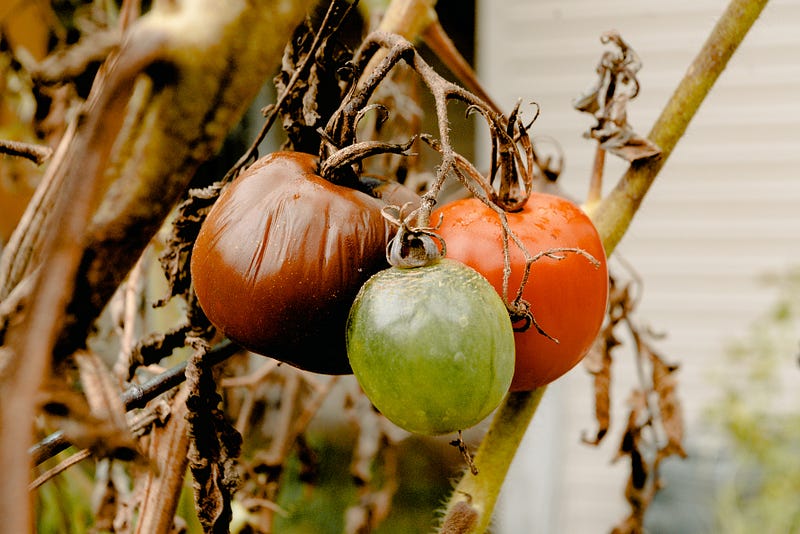
5. One bad veggie can ruin the whole salad
There’s nothing worse than having a perfectly good salad ruined by a bad tasting ingredient. Likewise, having a single toxic member could negatively impact your entire team.
You can usually recognize a rotten tomato as you cut it and immediately omit it from your salad. But sometimes an overripe or spoilt ingredient will find its way into your salad and completely ruin it. Sorting out the ‘bad eggs’ in your team is important to do as early as possible. Because just like in a salad, once it’s all mixed up and been in your salad a while, it’s taste and impact are much more difficult to get rid of.
6. You need a balance
A good salad is one that has the right ratio of ingredients. A huge bowl of lettuce with just 3 cherry tomatoes is scandalous. You expect me to eat 10 mouthfuls of plain lettuce for every bite of tomato? Don’t think so.
Don’t create a team of one type of person or skill. It wouldn’t make much sense to have 7 salesmen and only 1 app developer. There’s too much expectation on the cherry tomato of the team and probably way too many salesmen. Find a balance and your salad will go places.
7. Your team needs achievable goals and the resources to achieve them
If the goal of your salad is to act as a side for your Nandos meal, a small bowl will suffice. But if you’re bringing a salad as your contribution to a wedding reception, you’ll need to not only make enough, but use the best ingredients you can find.
Being clear on your goals and the required resources allows you to create reasonable and achievable expectations for your team. No point overburdening them till they burnout and quit. But also don’t undersell them. Understand their abilities and potential and set the right goals.
8. You’ll need to uh… dress things at some point
Sorry for the corny dad-joke-header but addressing situations and transparency is extremely important.
Dressing a salad often makes all the difference. It brings all the flavors together and makes everything taste and flow so nicely together.
Addressing problems right when they surface, being transparent about successes and failures and building trust with your team is really the foundation of a successful team. Create a culture of mutual respect. Don’t be afraid to address uncomfortable situations. Those are the circumstances that lead to the most growth, learning, and bonding.
Who says you need to read books and get a certificate to become a good manager? Well, most people. But there’s nothing like a healthy salad to hammer home the messages you learn.
Next time you run into a management issue, observe your salad.
- It may teach you how to dill with the problem.
- It may help you beet your biggest obstacle.
- Its lessons may sprout new ideas.
- It may show you what you’ve bean doing wrong
I yam not sure if these tips will help. Only thyme will tell.
But I do know in life there is so mushroom for improvemint and that you will be amaized at what you find from just looking around you.