
8 Lessons from “The Alchemist”
What everyone can learn from Paul Coelho’s classic story about spiritual journeys
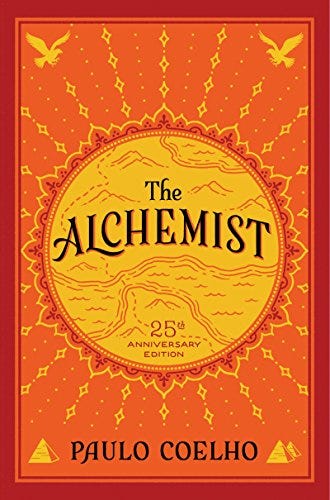
The Alchemist is the type of book that everyone has heard about at some point but either has not gotten around to reading it or has read and found inspiring. It even set the world record as the most translated book by any living author. Personally, I only got around to reading it this month but it came at a perfect time in my life.
Paul Coelho’s story is a fable following the life of a shepherd boy named Santiago who is on a physical and spiritual journey to achieve his Personal Legend. It is an incredibly accessible story and a short read at less than 180 pages. The power of The Alchemist is in its simplicity. Not only does it use simple language but the themes it focuses on are universal and relatable. And that is why everyone can close this book, a little more inspired about the world.
Though I include some spoilers, The Alchemist is still worth reading from beginning to end again after this article for your own interpretation.
Here are a few of my key takeaways:
Explore and See the World for Yourself
The first big step that Santiago takes is leaving his hometown village to travel the world as a shepherd. His parents had wanted Santiago to be a priest, and he had long put in the work, studying Latin, Spanish, and theology. However, he always knew he had a curiosity to know more about the world.
At first, Santiago’s father insisted that Santiago did not need to go elsewhere and that the village was already the best, but after realizing Santiago needed to figure that out for himself, his father eventually gave him money and his blessing to travel. When Santiago left, he even saw in his father his suppressed desire to travel even after all these years. Years later, Santiago remembered the conversation fondly and felt happy that he was now able to live out his dream every day.
“‘Those people, when they see our land, say that they would like to live here forever,’ his father continued.
‘Well, I’d like to see their land, and see how they live,’ said his son.”
Lesson: I believe in the power of travel. Like Santiago said, seeing how others live will invite more appreciation and understanding of new perspectives. I think it is important for people to step outside of their hometown and if they desire to, take courage in living out their dreams elsewhere. It is also crucial for parents to support and let their children chase their own passions, even if it does not match their own.
Think Creatively and Long-Term about Any Negotiation
When Santiago is first informed about a hidden treasure by a gypsy woman, the gypsy woman tells him that she will not charge him anything for her interpretation of his dream. Instead, she makes Santiago swear that he will give one-tenth of the treasure if he finds it. Santiago thinks he is getting a great deal, even laughing out of happiness that he is saving money because of a dream about hidden treasure.
In the end, Santiago finds the immense treasure, which he must give part of to her. The gypsy woman ends up benefitting much more than if she had been short-sighted. She also did not have to put in any of the work that Santiago did to find the treasure.
Lesson: There’s always another way in a negotiation, and sometimes that way requires giving up something in the short-term for more benefits in the long-term. If you believe in your own power (like the gypsy woman did in her interpretation of his dream), you can see things others don’t.
Hold on to Your Childlike Wonder that Everything is Possible
When Santiago meets the king of Salem, he learns about what a Personal Legend is.
“It’s what you have always wanted to accomplish. Everyone, when they are young, knows what their Personal Legend is.”
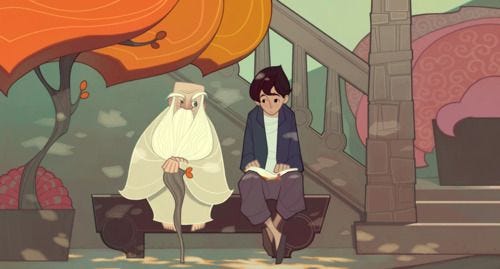
“At that point in their lives, everything is clear and everything is possible. They are not afraid to dream, and to yearn for everything they would like to see happen to them in their lives. But, as time passes, a mysterious force begins to convince them that it will be impossible for them to realize their Personal Legend.”
The King makes an incredibly timeless point. When we are young, we believe everything is possible. We want to do everything — fly, build rockets, run around, and make friends. Nothing seems out of reach. I know I dreamed of many possibilities when I was younger. I wanted to be an architect, teacher, superhero, journalist, and travel writer. For one reason or another, I left behind those paths as I got older.
Lesson: We should hold onto that courage we once had when we were young to dream and go after what we want even if it was not “practical.” Over time with external influences like societal pressure we sometimes lose sight of those initial dreams we had. But our childhood selves and dreams were the most inspiring because we were the most unafraid.
Your Personal Journey is More Important Than What Other People Think
The King points out a baker to Santiago and describes the baker’s life. The baker once wanted to travel but decided to first put money aside to buy a bakery. When the baker gets older, the King explains, he will spend a month in Africa and wish that he could have gone after what he dreamed of, which was being a shepherd. The man chose to be a baker, because bakers were seen as more important people than shepherds. Bakers have more financial security, and parents rather see their children marry bakers than shepherds.
“In the long run, what people think about shepherds and bakers becomes more important for them than their own Personal Legends.”
We often get caught up in the prestige of our jobs (society’s view) instead of whether our work is actually what we want to do. Our personal journey involves listening to our heart. It is how you answer the perpetual question: What would you do if money wasn’t an issue?
Lesson: The road to going after what you really want, especially if it is against society’s traditional views, is undoubtedly more difficult and involves more sacrifice. But often people give up on it right when they are about to realize their Personal Legend. If you realize your reason for being, do not give up on it.
Other People Can and Will Inspire Us to Change
Santiago meets a merchant who sells tea and ends up working with him for a year. During this year, Santiago proposes to the merchant that they start selling the tea in crystal glasses. That way people will not only want to buy the tea but also the glasses.
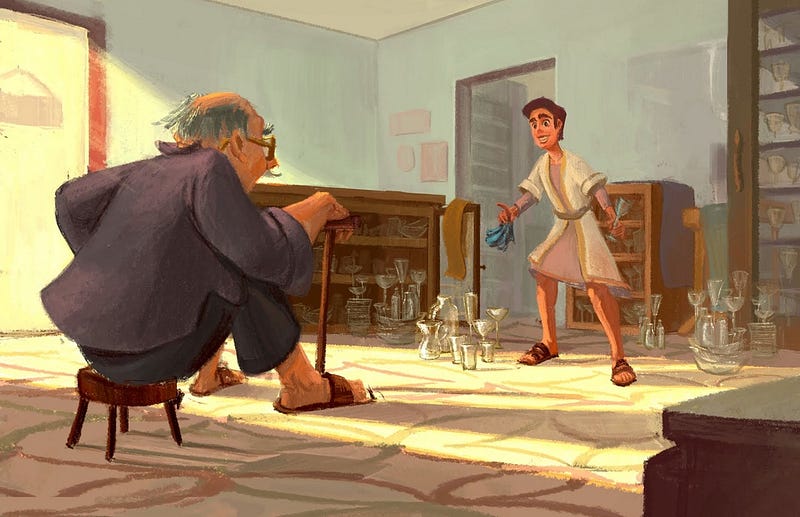
The merchant at first refuses. He knows that if they serve tea in crystal, the shop will have to expand and he will have to change his way of life.
“Santiago (the boy): ‘Well isn’t that good?’
Merchant: ‘I’m already used to the way things are…I don’t want to change anything because I don’t know how to deal with change. I’m used to the way I am.’”
Dealing with change — being confronted by it — is always difficult to process. The merchant gradually realizes that Santiago has actually empowered him by showing him new possibilities that he was too afraid to discover for himself. He now sees what he is able to accomplish.
Lesson: The people we meet in our life, even if temporary, show us who we can be. Who we think we are teaching (it seemed like the merchant was teaching the boy) may actually be teaching us. We should not be afraid of being inspired to change.
Enthusiasm Is Our Universal Language
This was one that took me a while to wrap my head around. In this case, enthusiasm means accomplishing things with love and purpose. Enthusiasm is striving for what we believe in and desire.
Everyone, no matter where they are from, understands this enthusiasm. As a shepherd, Santiago realizes his sheep have taught him this language of enthusiasm. The Alchemist also says that courage is the quality most necessary to understand our enthusiasm.
This is what enthusiasm feels like:
“When you want something, all the universe conspires to help you achieve it.”
That truly is one of my favorite quotes from the book.
Lesson: When we are living our life with enthusiasm, it feels like the universe is helping us with signs (The Alchemist calls them omens). I know I have felt this when I am inspired to do something, like write this article. You know you are doing it right when you are doing it with enthusiasm.
Making A Decision is Only the Beginning but an Important One
Santiago makes many decisions, including selling his sheep and going into the desert, without knowing what would come after. The most fundamental decision he made was to seek out his treasure. He did not know he would work in the crystal shop or meet the people he did.
“When someone makes a decision, he is really diving into a strong current that will carry him to places he had never dreamed of when he first made the decision.”
Looking back on the “what-ifs” made the journey even more incredulous to Santiago. He realizes the strange way God chose to show him his treasure. It required him to believe in the significance of recurrent dreams, which led him to the Gypsy woman. One decision led to another.
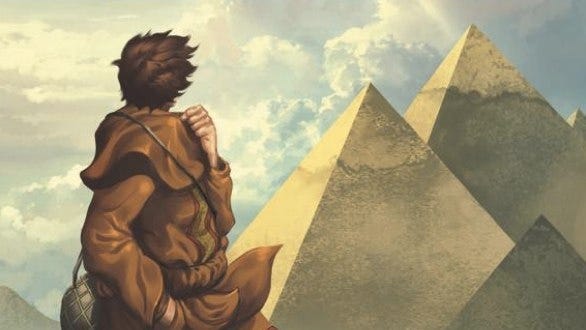
Lesson: To me, this very much mirrors any spiritual journey or personal reflection. That initial decision to go on the journey is deeply personal and difficult. But it often leads to beautiful things we never expected.
We All Play a Role in the World by Going on Our Personal Journeys
The alchemist Santiago meets tells him a story about ancient Rome where on his deathbed a father wishes to see his son’s words. The man had two sons: one who was a poet and one who was a soldier. The father thought that it would be his son’s poems that lasted, but it turns out that the son who was in the military ended up having a larger impact in history when he meets Jesus. This story ends up being written in the Bible.
“No matter what he does, every person on earth plays a central role in the history of the world. And normally he doesn’t know it.”
The alchemist tells Santiago this to emphasize that even as the boy goes after his own Personal Legend and listens to his heart, he is playing an important role in the world.
Lesson: We might not know how we influence the world or the people we meet in our journeys, but the role we play is important. Our obligation is not to feel pressured to do something grandiose. Realizing our own “destiny” has an impact we may never expect.
Best of luck on all your Personal Journeys.


