
7 Habits That Keep Me Vibrant At 70
The time to build them is when you're a young whippersnapper.
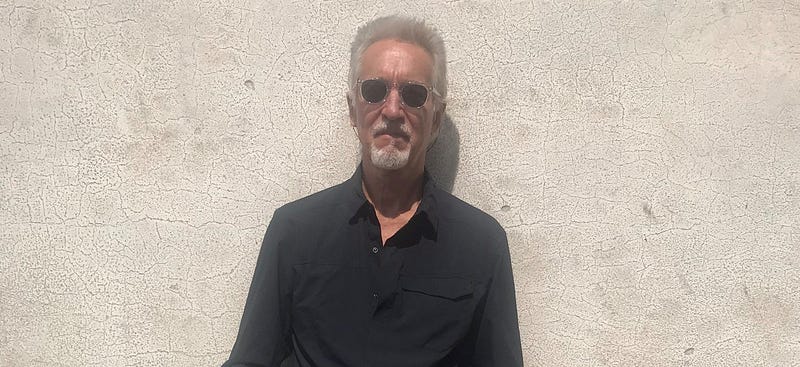
I'm seventy now, and it isn't what I thought it would be — it's way better.
In my fifties and sixties, I had my share of personal and professional challenges, but now I'm more peaceful, vibrant, productive, and committed to helping the world get back to better as ever.
That's what this article is about — seven habits that contribute mightily to my well-being.
Of course, you can get on board with these at any age, but I’m suggesting if you're young and they become part of your daily routine, they'll likely serve you well as you get older.
1. Develop a mindset of abundance.
Worrying about money at any age is a drag, but you sure don't want to be worrying about it as you get older. When you're younger, the typical things to do are investing wisely, living within your means, staying as debt-free as possible, and so on.
But there's something more important because you can do all that and still be a mental wreck.
The real game-changer is what goes on in your head. An abundant mindset includes financial, spiritual, mental, emotional, work, and relationship dimensions. The abundant mindset knows deep inside your needs are being satisfied and will continue to be fulfilled.
Therefore, there is no need to struggle — you only need to make an effort toward your goals and aspirations and have unwavering trust and faith that your needs will be satisfied.
I didn't understand the whole mechanics of abundance until a few years ago. I wish I'd paid more attention to it when I was younger — it would have eliminated a lot of unnecessary worrying and stress.
What helped me develop an abundant mindset was doing inner transformation through holotropic breathwork and rewiring my brain through listening to Deepak Chopra's 21-day meditation challenge repeatedly.
These experiences removed negative thought patterns and replaced them with the clarity that I not only have enough, but I don't have to struggle anymore. It was profoundly liberating and freed up stuck psychic energy that I now use for creative purposes.
Key point: A life of abundance begins with how you think. The sooner in life you can embrace abundance, the better.
2. Take good care of your spirit.
Someone told me recently they're never fully present — their mind is always racing all over the place, all the time.
When I heard this, I recalled that my mind was also running rampant before I began my meditation practice fifty years ago. Now, I've built a consistent, effective practice that effectively tames the wild horses in my head, allowing me to tap into a beautiful experience of stillness and peace within.
Building a mindfulness/meditation practice is no different from exercising regularly — you build strength and develop a habit that will serve you throughout your life. So if you commit to staying in shape when you're younger, it's no big deal to keep it going when you're seventy.
The same thing applies to taking care of your spirit.
Mindfulness or meditation may not be for you. Perhaps you do something else that nurtures your spirit. But if you don't do anything, now is the time to start.
Key point: A consistent inner practice nurtures your spirit, bringing you peace and joy through good times and bad. The older you get, the more you'll appreciate it.
3. Have goals.
I've always had goals in my life — learn to play guitar, win a tennis championship, find the love of my life, get promoted.
Goals create a sense of purpose, a focus, and a feeling of pride and accomplishment when achieved.
Now, I'm finding goals are important as ever because I'm thinking more about what kind of mark I want to leave in the world, my legacy. When I was younger, my goals reflected what I wanted to accomplish, minus the legacy part.
Thinking about your legacy can take your goals to a whole new level and bring out your deeper and perhaps unconscious aspirations to make a significant difference throughout your life. So why not think about your legacy when you're young?
Key point: No matter what age, goals help keep you focused, engaged, and motivated. Thinking about legacy takes goals to another level.
4. Take care of your body.
No health, not much of an active life.
We take a lot for granted when we're younger, as if we'll never wear out. I did. As an athlete, I pushed my body hard but took care of it as best I could. Over the past ten years, I've upped my game and feel better than ever.
I'm still six feet tall, one hundred and sixty-five pounds, and can slip into the patched-up jeans I wore in college, and for what's it worth, I haven't been sick in over fifteen years — not a cold, not the flu, nothing. Knock on wood.
What works for me may not work for you, but here's how I take care of my body.
- No dairy and virtually no processed foods or refined sugar.
- Organic fruit and vegetables as much as possible.
- Yoga regularly to maintain flexibility.
- Lift weights twice a week to maintain strength.
- Limited alcohol intake. Plenty of filtered water and herbal tea.
- More skincare, especially the face.
- Walk, play tennis, or golf regularly.
- Daily doses of vitamins with an emphasis on vitamins D and C.
- Get plenty of sleep. Regular sixteen to eighteen-hour fasts.
Key point: Treat your body with care and love. You'll want as much health as you can as you age.
5. Do work that is enjoyable, meaningful, and of service.
Enjoying what you do creates positive energy that nourishes the body, mind, and soul — bringing creativity, joy, and optimism to your life.
Sure, there are times in life when we take a job just for a paycheck. But if you're on stable ground and in a situation, you don't enjoy, don't settle — take a look at your self-talk. Is your inner dialogue helping you move ahead or hindering you? What are beliefs are you holding?
Knowing what you want and shedding any limiting thought patterns is critical to finding work you enjoy.
Long-term health and happiness are functions of a healthy, satisfied mind, and enjoyable work contributes significantly to inner peace.
At seventy, I'm not interested in "retiring." I'm clear on what work I choose to do. If it doesn't fit the criteria of being enjoyable, meaningful to me, and of service to others, I don't do it. If it does, I'm all in.
Key point: Define what's important to you. Don't settle for good enough. Draw boundaries and say no to what doesn't energize you.
6. Chose your company wisely-emotions are contagious.
Whether at work, with friends, family, or your lover, relationships either light you up or drag you down. The emotions of others are contagious, so knowing your boundaries is essential if you don't want relationship drama.
A big part of my mental, emotional and spiritual health is directly related to the relationship with my wife. We love each other, share the same values, and are committed to doing ongoing inner work. Of course, there are times we trigger each other, too, and we have to work through what comes up. But that’s all part of continuous growth and learning.
I try my best to approach all my personal and business relationships with the same attitude I have with my wife: I'm willing to listen to different points of view, committed to reducing tensions if they arise, and quick to forgive my failings as those of others.
My policy on people is simple: I only invest in relationships with pleasant people.
Key point: If you want peaceful, loving relationships in your life, commit to doing your inner work and bring humility, love, and compassion to all your relationships.
7. Be friendly, kind, and grateful.
It sounds like a cliche, but if you want to be happy, healthy, and vibrant as you get older, they're as important as the food you eat.
When you're happy and at peace with yourself, it's easy to be with other people. They feel your energy and want to hang out with you. It's not that complicated.
It's the little things that count — being friendly to people in the shops you frequent, taking an interest in their world, listening more than you talk—this stuff matters.
And here's what I have to say about gratitude.
It's not a buzzword or some trendy new-age thing. When we're grateful, we're in touch with our heart — our higher self. We tap into our Chi, our life force. When we do this, we heal ourselves. It's like drinking from the fountain of youth.
I practice gratitude as much as I can from the moment I open my eyes in the morning until I close them in the evening. It's energizing, and it keeps me humble and in awe of being alive — the ultimate gift, no matter what my circumstances.
Key point: Being friendly, big-hearted, and grateful allows you to express your humanity. The more you express it, the livelier you feel.
Summary
I don't know what life has in store for me, but I want to make the most out of it while I'm here.
Here are the seven principles that help keep me full of life and love.
- Develop a mindset of abundance
- Take good care of your spirit.
- Have goals.
- Take good care of your body.
- Do work that is enjoyable, meaningful, and of service.
- Choose your company wisely.
- Be friendly, kind, and grateful.
Have a wonderful day, and if you have made it this far, thanks for reading. — Don
If you enjoyed this article, you might like, Wisdom Begins When You Ask This One Question
By joining my mailing list, you’ll get a relaxed note every few months or so and updates on my soon-to-be-published book, Be More Conscious — A Guide For Living, Learning, and Loving.


