
8 Bizarre Medical Records Prove How Humans Have Always Been Stupid
Illogical rejections of medicine in history will astound you.
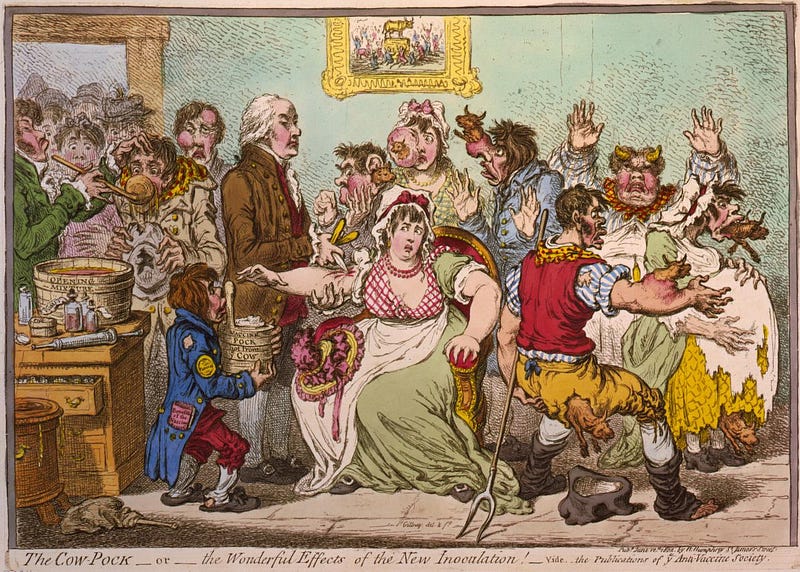
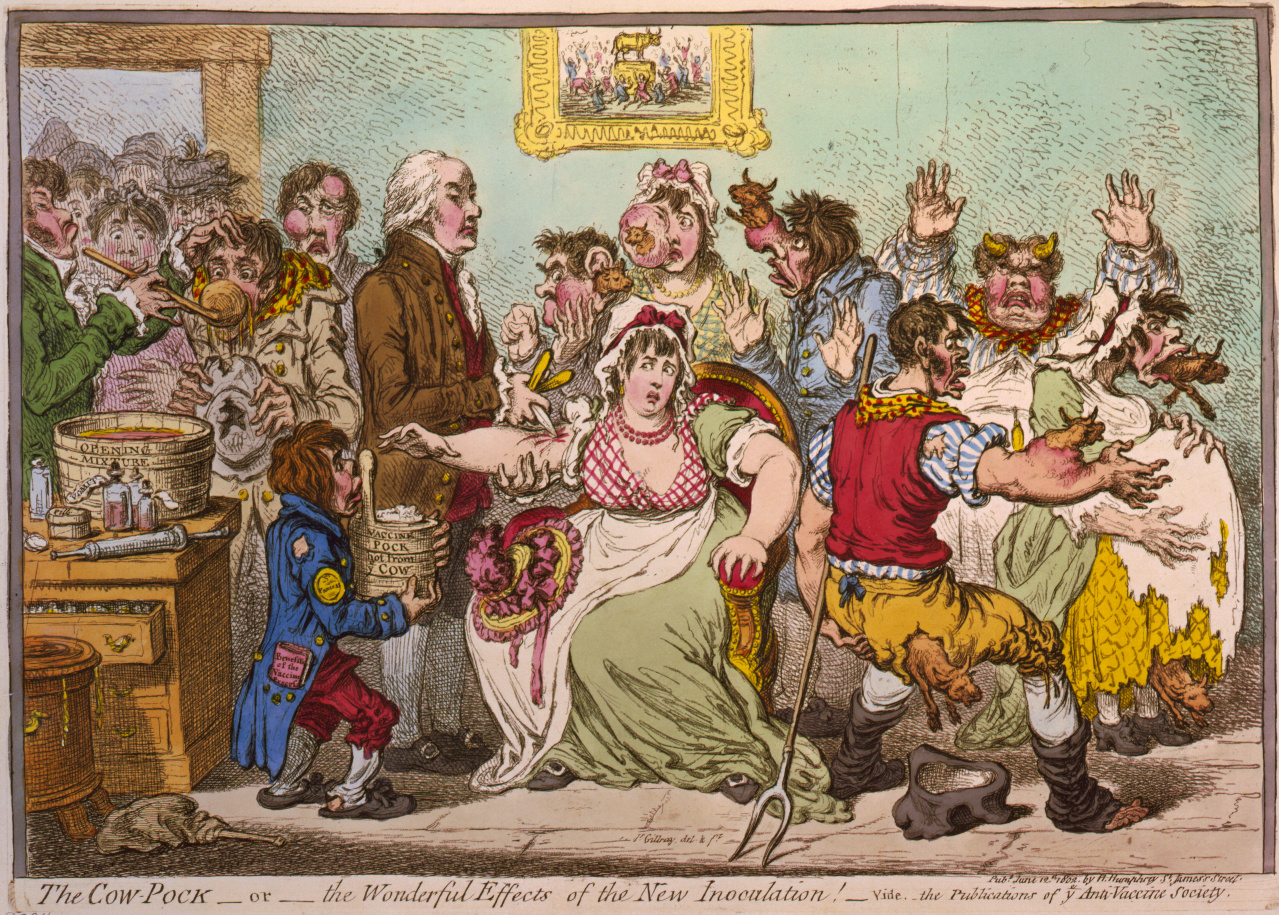
There have always been controversies and resistance towards the vaccine drive. But, you would not have came across of stupid resistances which are detailed below. Let’s dive in:
1. The Anti-Vaxxer Movement of the Nineteenth Century
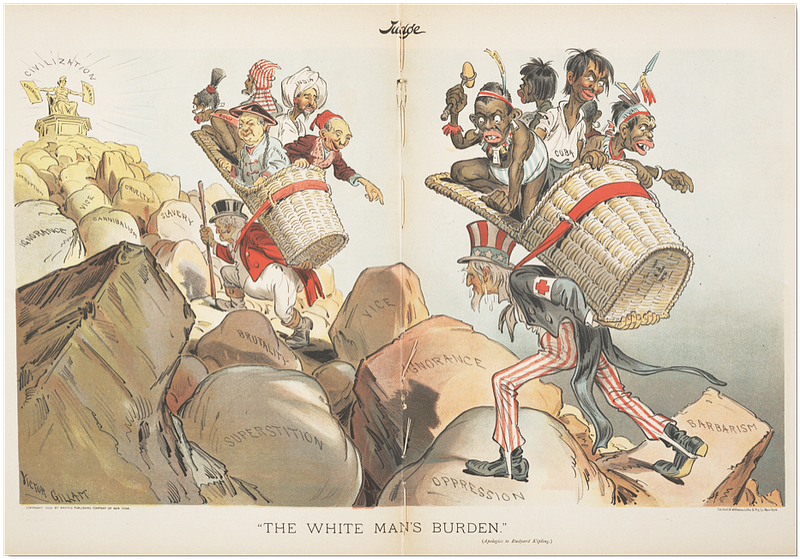

Ultimately, the British Parliament passed the Vaccination Act of 1853, which required all children to be vaccinated within three months after delivery or four months if they were in an orphanage.
Parents or guardians were to be informed of the obligation whenever a child was registered, and doctors were to return immunization certificates to the registrar of birth.
The age requirement was raised to fourteen in 1867, and fines were imposed on parents who refused to vaccinate their children.
Guess what? Many people immediately objected to the transition from optional to mandatory vaccination — they wanted the authority to monitor their own and their children’s bodies.
The Anti-Compulsory Vaccination League and the National Anti-Vaccination League are two anti-vaccination organizations formed.
2. An Untrustworthy Anti-Vaxxer of the Nineteenth Century
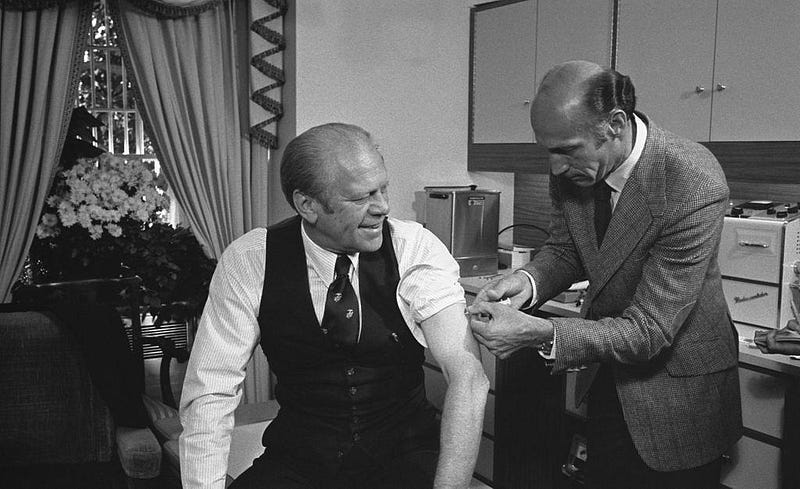

As smallpox spread throughout Montréal in 1885, anti-vaxxers such as rogue Dr. M. Ross launched a vaccine refusal campaign.
His newsletter, The Anti-Vaccinator, mocked the vaccinated as stupid animals and wrongly claimed that “vaccination does not protect smallpox in any circumstance — that was awful.
But, far worse was the fact that Ross had discreetly inoculated himself at the onset of the pandemic. Nonetheless, he advised others not to get vaccinated and spearheaded an anti-vaxxer movement since it allowed him to portray himself as a hero.
Even though we are nearly a century apart from Dr. Ross, his approaches in the 19th century were strikingly like those utilized by anti-vaxxers in the twenty-first.
3. An Unethical Anti-Vaccination Campaign Which Aimed the Poor and the Illiterate
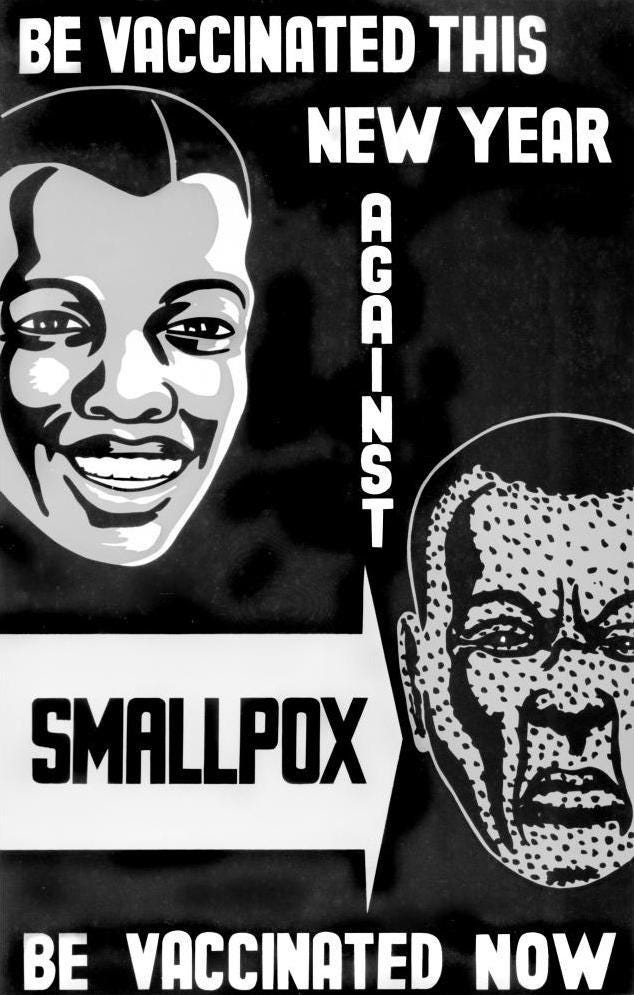

When smallpox came in Montréal in the springtime of 1885, Edward Jenner’s vaccine had been around for over a century, and its efficacy was well recognized.
Nonetheless, Montreal saw an epidemic that claimed the lives of 40% of those infected with a disease that should have been simply avoided.
The rationale was a successful anti-vaccination campaign that generated illogical objections to and fueled unwarranted anxieties about the vaccine.
Fear-mongering was especially effective on Montreal’s east side — primarily populated by lower and less literate French Canadians.
4. The 1885 Montreal Anti-Vaxxer Riot


On September 2nd, 1885, Montreal’s Board of Health estimated 2,000 instances of smallpox inside the city, but within a few days, the figure had more than doubled to over 4,000.
That is when the government began to adopt more stringent steps to combat the disease.
They included the compulsory evacuation of persons from housing situations that made isolation impossible — usually in poor communities, such as those dominated by French Canadians on the city’s east side.
Vaccination became necessary on September 28th. The reaction was a screaming crowd, which had been prepped for months and riled up by publications like Dr. Ross The Anti-Vaccinator.
They besieged and demolished the East End Local Branch of the Board of Health.
5. The United States Supreme Court Upheld the Government’s Authority To Require Vaccines for Contagious Diseases.

Henning Jacobson opposed being vaccinated, claiming that he should be entitled to do whatever he wanted by his health.
He was accused of a crime, condemned, and challenged all the United States Supreme Court.
The Supreme Court recognized the ability of states to implement forced vaccination laws to protect the public from dangerous diseases in Jacobson v. Massachusetts, 197 US 11 (1905).
It also determined that personal freedom is not unlimited and must yield to the police power of the state.
Subsequent cases, such as Zucht v. King in 1922, upheld Jacobson and the primacy of the state’s control over personal liberty regarding public health — holding that schools might reject admission to kids who failed to receive mandatory vaccinations.
6. In a Bizarre Twist, America’s First Anti-Vaccination Activists Forced the Inoculated To Be Quarantined.
Only 2% of those variolated by Zabdiel Boylston died. That was significantly better than the 15% mortality rate among Bostonians who spontaneously contracted the virus.
Nonetheless, the City Council of Boston denounced vaccination, and Dr. Boylston was beaten on the roads and forced to flee — religion was a primary motivator for most of the opponents.
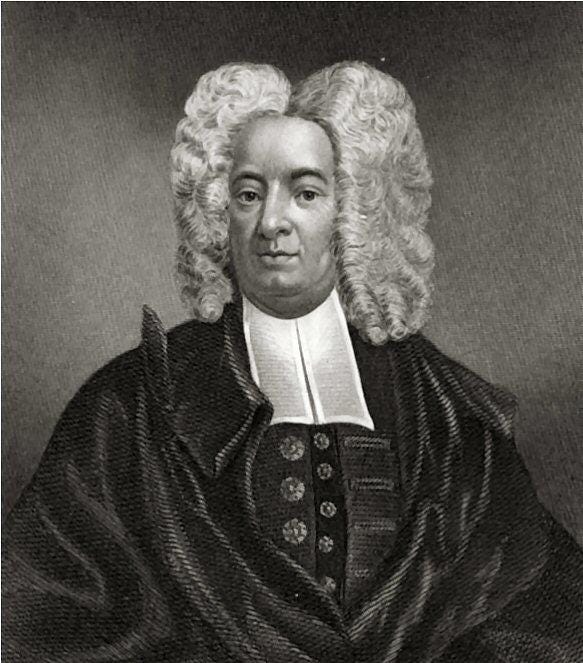
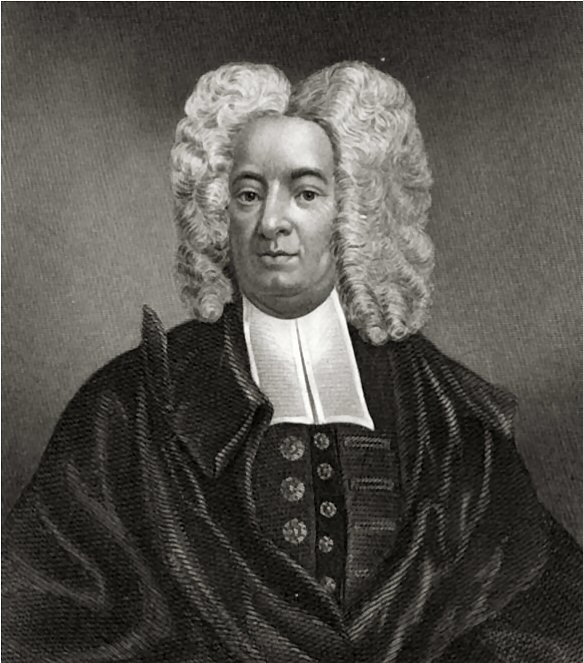
A renowned Boston preacher, for example, declared that vaccination was wicked since it was not in the Laws of Natural Physics.
7. Creating a More Effective Smallpox Vaccine Derived From Cowpox
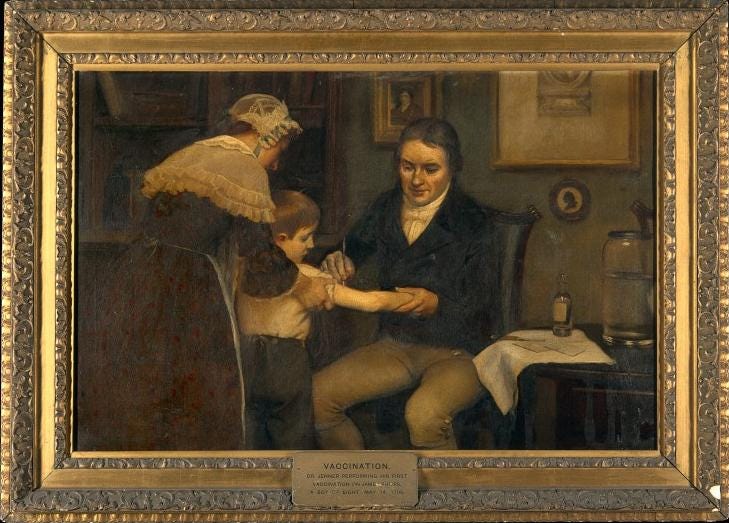
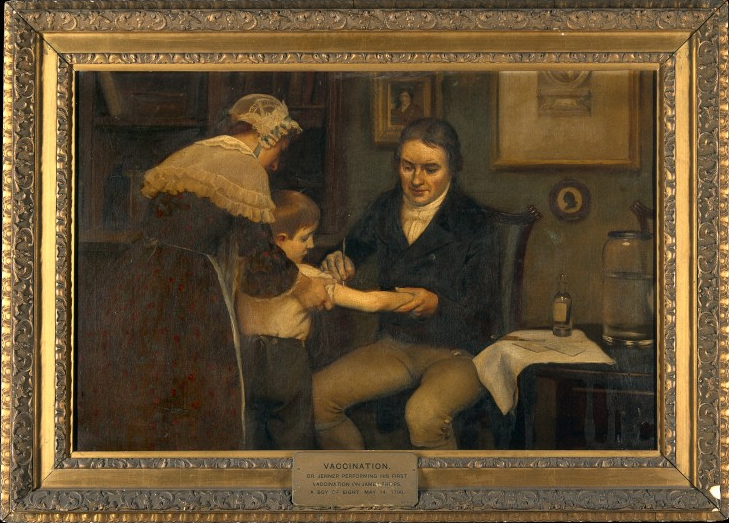
Variolation showed magic in preventing smallpox, yet a small percentage of the population amongst some of the variolated.
Interestingly, Voltaire calculated that smallpox infected almost 60% of the people — around 20% died, and even those who recovered remained left blind or with severe facial pockmarks.
In 1796, British doctor Edward Jenner produced the smallpox vaccine, which revolutionized the fight against the disease.
In contrast to immunity to smallpox, which uses smallpox samples for vaccination, Jenner employed the harmless cowpox virus, which affects cattle, for immunization.
Resistance against the fatal and more deadly smallpox was acquired by cowpox vaccination.
8. Stupid Anti-Vaxxer References the 1800s
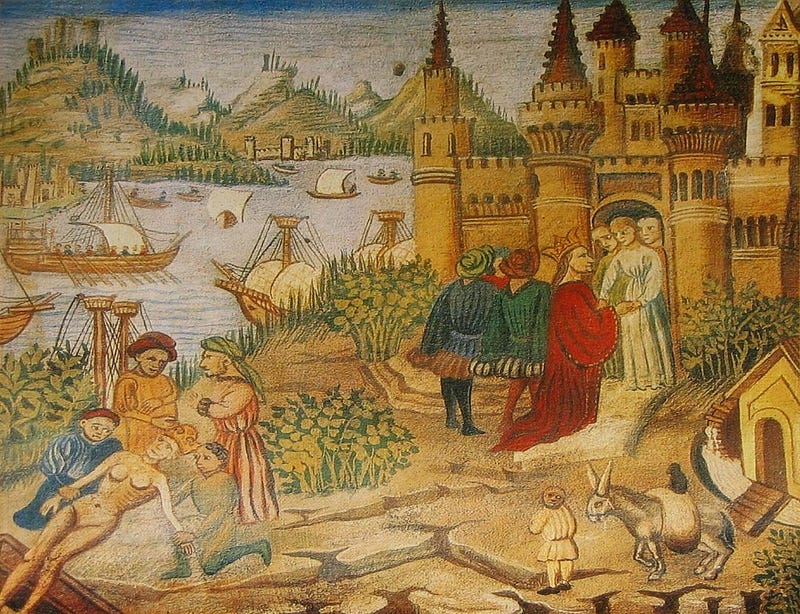
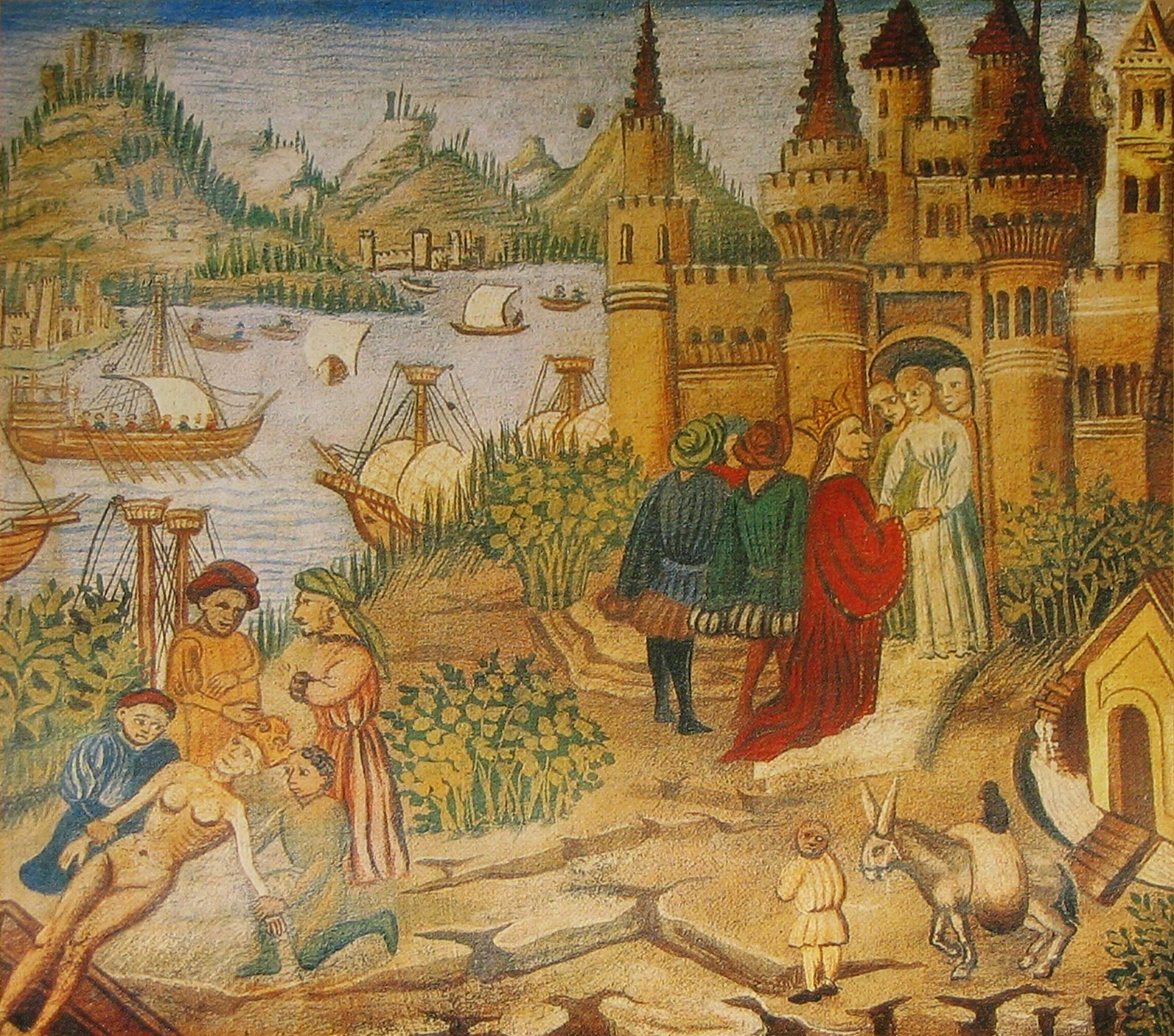
Some public members were vehemently opposed to Edward Jenner’s smallpox vaccination — their justifications ranged from religious to hygienic to political to science sounding drivel.
Some people, especially many clergies, believed that vaccination with cowpox was unchristian because it originated from an animal.
Some people simply turned down the medicine in general. They disputed Jenner’s theories about how the sickness propagated, believing that smallpox was transmitted by decomposed particles in the atmosphere rather than spread from person to person.
Some parents were concerned about the immunization process itself. Needle syringes were not produced, forcing inoculation to be done through an incision in the arm of child, into which fluid from a person inoculated around a weak before was injected.
Final Words:
Vaccine plays a vital role in eradicating viruses. We know that many misconceptions emerged for vaccinations and other medical treatments. The question stands that have changed or are we similar version of our ancestors? Interestingly, we know the answer.
More from the author: