
8 Best Ways to Lose Weight Without Dieting

It can be difficult to stick to a traditional diet and exercise plan. However, there are several tried-and-true methods for eating fewer calories with ease. These are effective methods for losing weight and preventing future weight gain. People can lose weight by increasing their metabolism or metabolic rates, according to research. You don’t need to follow any strict difficult diet plan; all you need to do is boost your metabolism.
To begin, you must understand what metabolism is:
Your metabolic rate is the process by which your body generates and expends energy from food.
It’s a common misconception that increasing your metabolism will help you burn more calories and lose weight.
Here are 8 non-diet, non-exercise ways to lose weight. They are all based on scientific evidence.
#1. Recognize a variety of calories you consume

The most important thing for you to do is figure out how many calories you typically consume in order to maintain your weight. So, how did you come up with that figure? To estimate your caloric requirements, use an online calculator. You can also combine different methods to get a more accurate estimate.
The best way to determine your caloric needs, however, is to keep a food log for a week. This method takes more time, but it produces the best metabolism-boosting results.
#2. Increase Your Daily Movement

When you know how many calories you consume each day, it is time to boost your metabolism. The key to this metabolism diet trick is to begin the diet slowly. Begin each day with a non-exercising movement. Increase your walking frequency, use the stairs instead of the elevator, carry your groceries home from the store, or incorporate several simple exercise sessions into your daily routine. To find out how many steps you take and how much fat you burn, click here. Make use of the activity tracker.
Your body will adjust to a much more active lifestyle after a week or two. That’s when it’s time to start including metabolism-boosting workouts.
#3. Control your food intake

Your hunger may increase as your regular movement improves. As a result, the final step in this metabolism-boosting program is to control your food intake.
Based on the caloric intake you gathered in Step One, evaluate your current diet plan. Replace starchy white foods with small amounts of whole grains to increase your fiber intake and reduce hunger. Also, make protein a part of the majority of your meals. Finally, try to replace empty calorie foods (such as crackers, chips, candy, or soda) with fruits and vegetables, which provide more nutrition for fewer calories.
#4. Drink Water Regularly

Drinking water before a meal can help you eat less and lose weight.
One adult study discovered that drinking half a liter (17 ounces) of water 30 minutes before meals reduced hunger and calorie intake.
#5. Consume Fiber-Rich Foods

Eating fiber-rich foods may increase satiety, allowing you to feel fuller for longer.
Concentrates also show that one type of fiber, thick fiber, is especially beneficial for weight loss. It increases totality while decreasing food consumption.
#6. Sleep Well and Stay Stress-Free

People frequently overlook sleep and stress when it comes to their health. Both have a significant impact on your appetite and weight.
Sleep deprivation can interfere with the appetite-regulating hormones leptin and ghrelin. When you are stressed, another hormone, cortisol, rises.
#7. Get Rid of Sugary Drinks

Added sugar may be the single most harmful ingredient in today’s diet. Sweet drinks, such as soft drinks, have been linked to an increased risk of a variety of illnesses.
Because fluid calories do not influence totality in the same way that strong food does, it is exceptionally simple to consume an excessive amount of calories from sweetened beverages.
#8. Eat Plenty of Protein
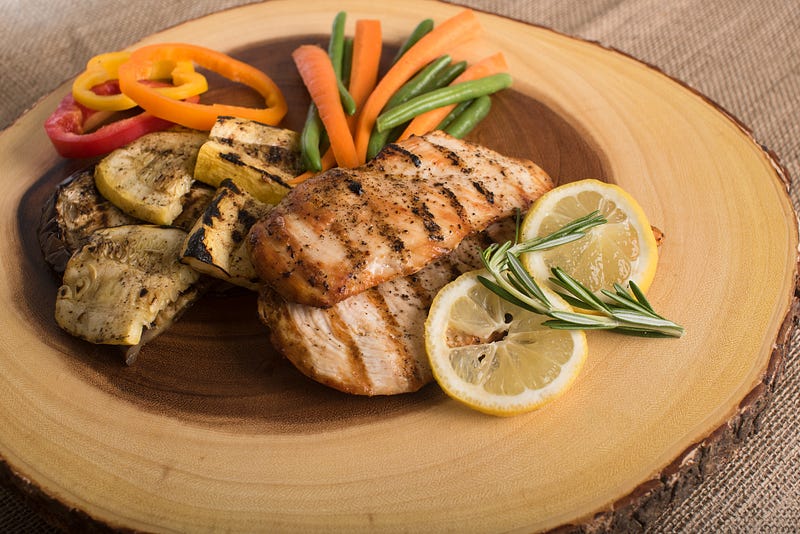
Protein has a powerful appetite suppressant effect. It can help you feel fuller longer, reduce hunger, and eat fewer calories. This could be because protein affects several hormones involved in hunger and fullness.
According to one study, increasing protein intake from 15% to 30% of calories helped participants eat 441 fewer calories per day and lose 11 pounds over a 12-week period without intentionally restricting any foods.
If you currently eat a grain-based breakfast, you should think about switching to a protein-rich meal, such as eggs.
Key Takeaway
Many simple lifestyle changes can assist you in losing weight. Some have nothing to do with traditional diets or exercise regimens. Even if you don’t follow a diet, you should try to exercise 3 times per week because it helps your hard work and will help you live a long and healthy life.
You may also read;
Get my free Ketogenic Diet Plan eBook.
Click below if you’d like unlimited access to more of my writing and everything else on medium. Please note: this is an affiliate link, and I will receive a portion of your membership fees.


