
8 Amazing Astronomical Events to Witness in a Lifetime
A wishlist of space-related events
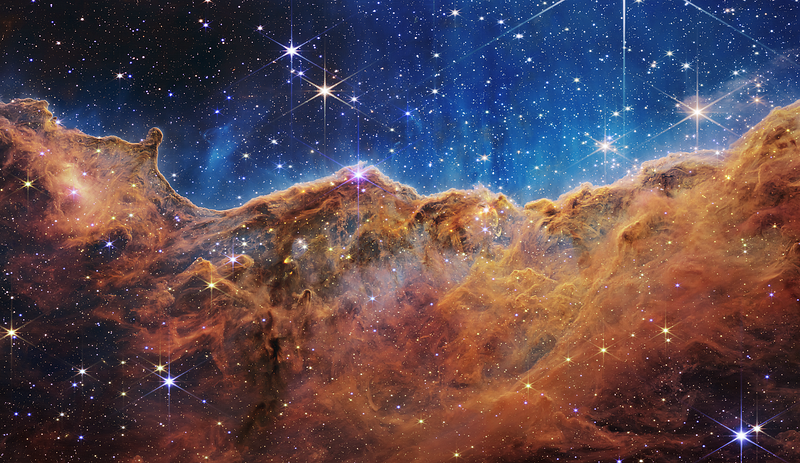
“All we ever see of stars are their old photographs”
— Alan Moore, Watchmen
NASA’s James Webb Space Telescope has given humanity the power to see further back in time than ever imagined — to see the stunning young galaxies in the earliest phase of their lives, as they were 13.1 billion years ago — dating back to the explosive beginnings of our universe!
And the pictures are breathtakingly beautiful.
I am sure most of you saw them on social media. If you have been living under a rock, here is the most popular one:
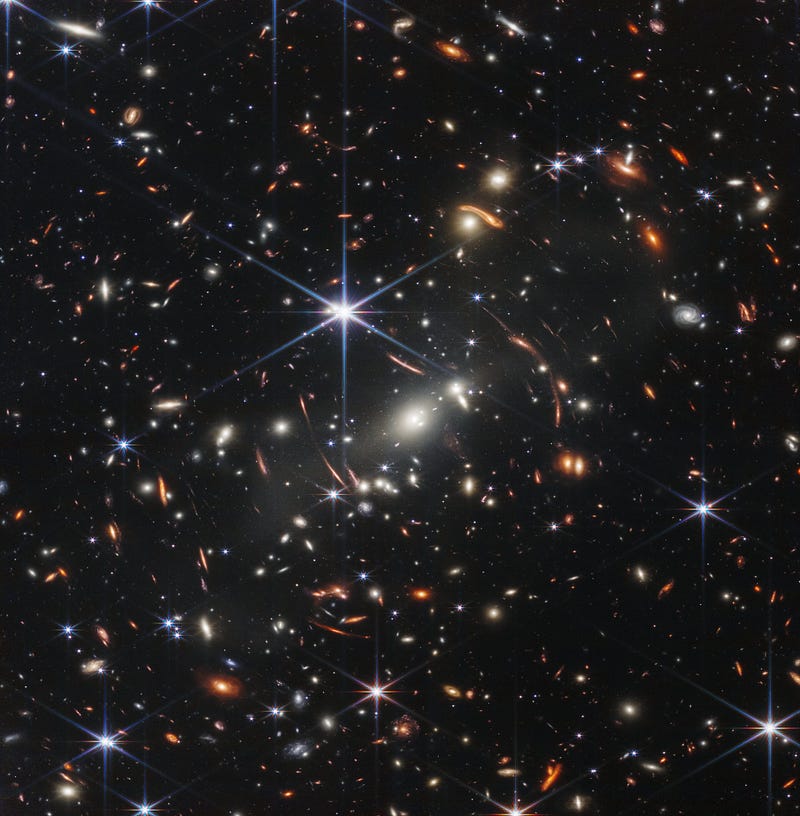
This is a human achievement at its zenith. One that we are lucky to even witness!
We are truly living at a unique point in history.
Which got me thinking.
What about some other astronomical events that we may be able to see in our lifetimes?
Some phenomena are precisely calculated events that we know will happen. Others may occur tomorrow — or in a million years!
From Supernovae brightening our night sky, to pitch black darkness due to the longest eclipses of the century — here are some breathtaking spectacles I deeply wish I will be able to witness!
So, let the countdown begin 🚀
8. Rare Planetary Alignment
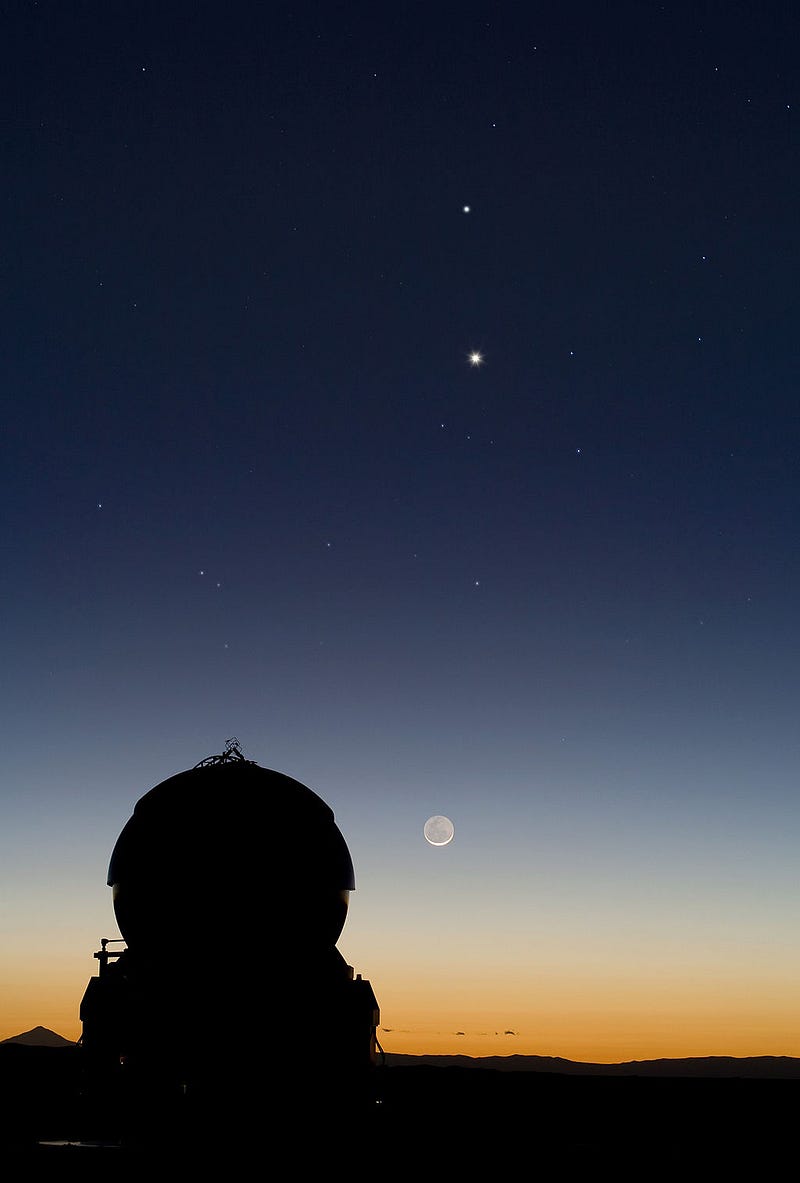


A planetary alignment occurs when three or more celestial bodies in a gravitational system roughly form a straight-line configuration.
In astronomy terms, it is called Syzygy.
Though seeing 3 bodies from the solar system in alignment is not too rare — an alignment of 5 definitely is!
And one such syzygy happened recently in June 2022 with Mercury, Venus, Jupiter, Mars, and Moon.
But don't worry — another will occur in 2040 when Mercury, Venus, Jupiter, Saturn, and Crescent Moon will all come in a straight line.
I hope you don’t miss it this time!
7. Apophis — Possibly Hazardous Asteroid
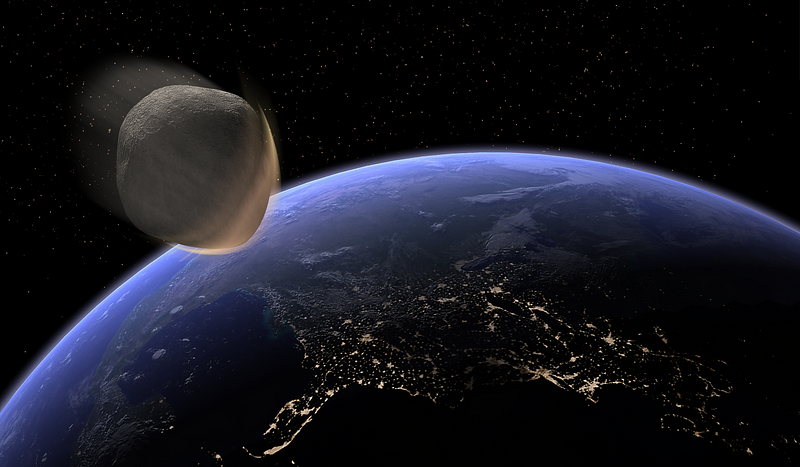
This is probably the scariest phenomenon on this list!
Asteroids that are large enough to cause significant damage and that have a high probability of colliding with Earth are classified as potentially hazardous asteroids (PHAs)
Apophis is one such PHA with a diameter of 370 meters.
It caused a great deal of concern in 2004 when initial observations indicated that it will likely hit Earth on April 13, 2029!
Later calculations corrected these estimates (phew!)
Even then, Apophis will do the closest flyby ever in recorded history — at 32,000 Kms!
That is closer than some of our own satellites in orbit.
A close call indeed.
If you are in Australia, southern Asia, southern Europe, or Africa, you will have a front-row seat to see this asteroid — it will appear as a bright light moving rapidly across the sky.
Set up your telescopes though, for the best view!
6. Halley’s Comet
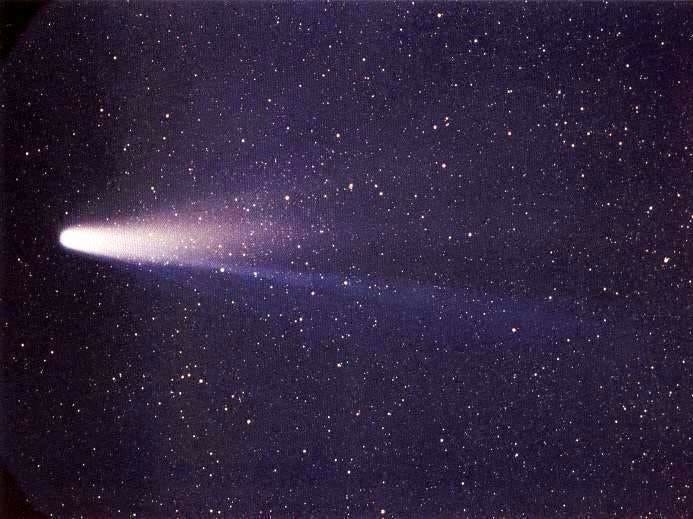
Talking about space rocks zooming across the night sky, how can we forget the most popular of them all!
Halley’s Comet is quite possibly the most famous comet in history.
It is named after British astronomer Edmond Halley, who examined reports of a comet approaching Earth in 1531, 1607, and 1682 and realized they all might be the same. He predicted that it would return in 1758.
As a comet with regular orbit, it returns near Earth about every 75 years. So if born in the correct years, it may even be possible for a person to see it twice in their lifetime.
In this century, it will be seen in the year 2061 — and this time it will be much brighter than in 1986!
Get ready to set up a tent, under a clear dark night sky to see the typical outgassing tail of our most famous cosmic visitor!
5. The Closest Supermoon of the Century
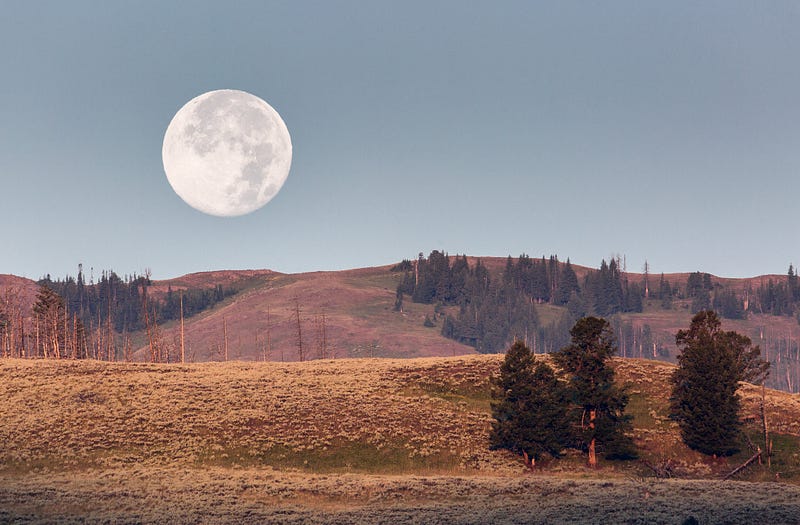
Many of us have probably already seen a Supermoon — just the last one this year occurred on June 14th. Supermoons are around 15% and 7% brighter than your average full moon.
So what makes the Supermoon on 6th December 2052 so special?
The Moon’s orbit is elliptical, and at its nearest point to Earth, the distance is 356,500 km on average.
So here comes the unique part — the Supermoon in 2052 will occur when this distance would be 356,425 km!
That is a magnificent feat, and it will not happen in the next century or the century after that. It has also been given a fitting name:
Ultimate Super Cold Moon
Watch out over the horizon, wherever you are in 2052!
4. The Longest Solar Eclipse of The Century
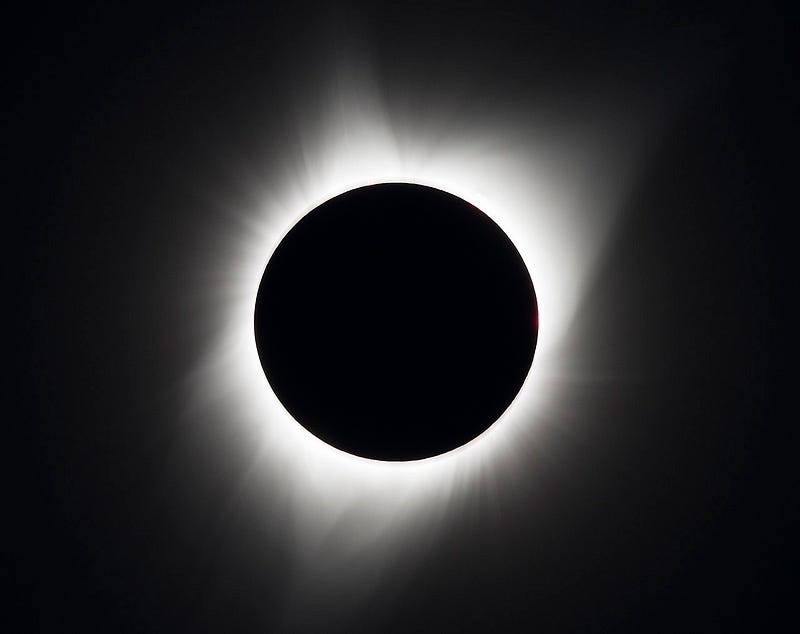

When the Moon completely obscures the Sun on August 2, 2027, it is going to be the spectacle of a lifetime — because it would be the longest duration total eclipse (at 6m 23s) for the rest of this century!
The best part is: that you can really have a front-row seat to this phenomenon — and a royal one at that!
Because one of the best locations where you can see this eclipse is the Valley of the Kings, just over the Nile from Luxor in Egypt.
Be prepared to watch this celestial phenomenon, like a modern Pharoah in 2027!
3. The First Human Step On Mars
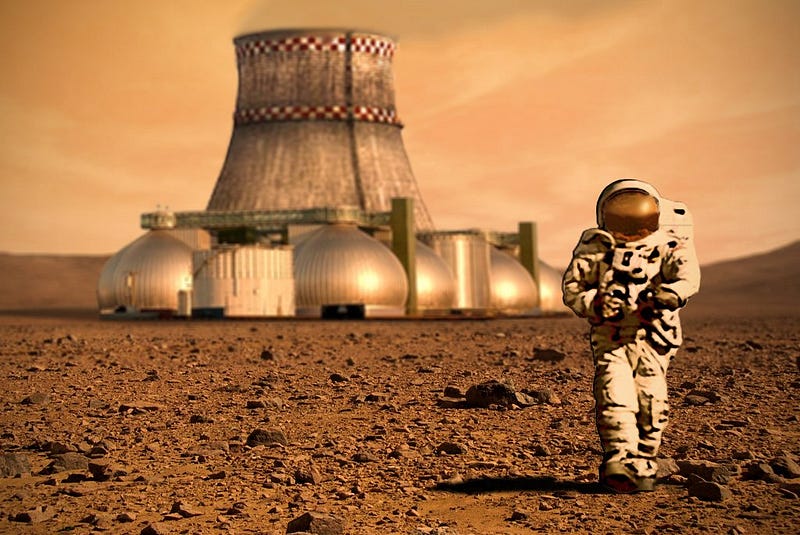

Though not an astronomical phenomenon, it will definitely have humanity looking up at the skies like no other event —
In anticipation.
In hope.
Like the first lunar landing in 1969, it will once again inspire a generation to think about space travel and reflect deeply on our existence on the pale blue dot we call our home.
And just like in the lunar landing, the first person to step on Mars will create history. It would be the giant step mankind needs to finally be a true space-faring civilization.
Looking at the developments from Space-X, the day does not look far. According to Elon Musk, they expect manned missions to Mars by 2030.
All we can wish is — Godspeed!
2. Betelguese Supernova
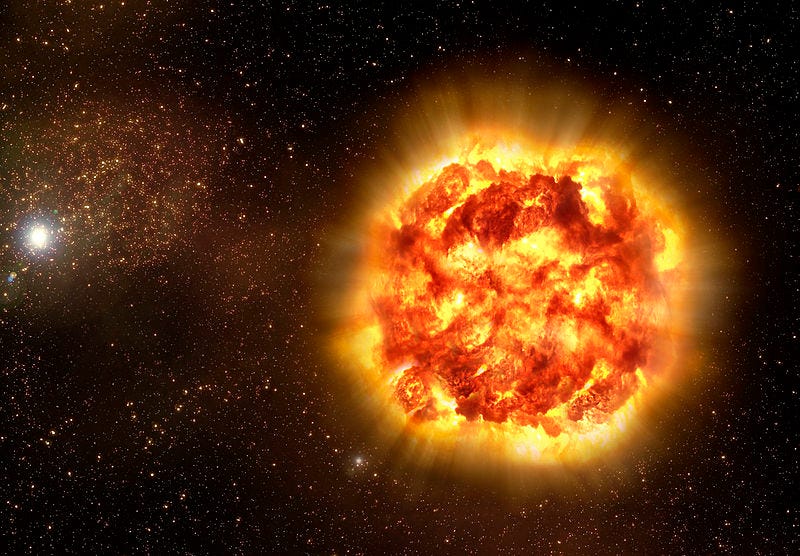

You know what would be a true celestial spectacle — an exploding star!
And while at it, let the star be a supermassive red giant about 1400 times more massive than our own Sun!
Betelgeuse is one of the ten brightest stars in the night sky. But in 2020, scientists observed a visible dimming — its brightness had dropped by an unprecedented two-thirds!
This fuelled wild speculations that the star will go supernova — explode in a spectacular fashion, the likes of which humans have not seen since 1604!
Betelgeuse is so close to our planet that its supernova will be bright enough to be visible during the daytime for weeks, and will probably appear larger than the moon at night time!
A true spectacle to behold.
However, scientists are not sure when this would really happen — the estimate is between today and 100,000 years!
So, fingers crossed that it happens in our lifetime!
1. First Contact With Alien Life
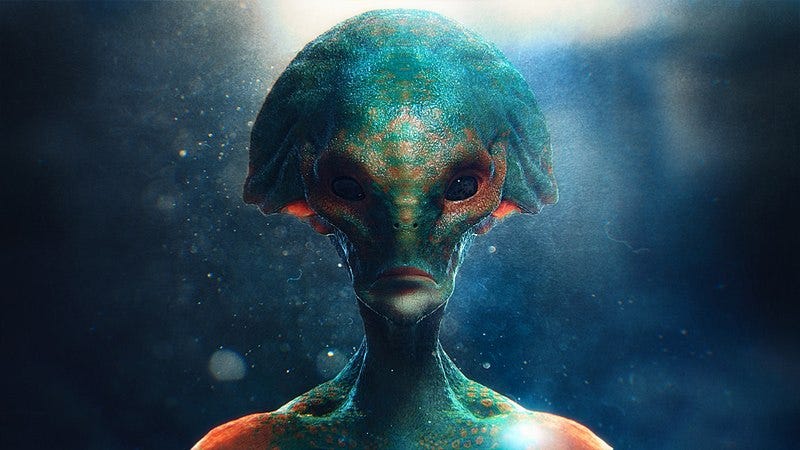

Well, here I admit I am entering the territory of pure wishful thinking!
But can you really fathom waking up to an alien invasion in your lifetime?
It would be overwhelmingly scary, but also awesome.
This is again not strictly an astronomical event.
But the first contact would truly be an event of astronomical proportions and consequences for humanity!
It can either steer humanity to the next level of technological advancements or annihilate our species and planet completely.
In any case — it would be a once-in-a-lifetime occurrence!
And weirdly — unlikely as it may be — it takes the top spot on my list!
Concluding Thoughts
The night sky and the stars have always fascinated me. The immense scale of the phenomena that happen in the universe is goosebump-inducingly awe-inspiring.
It makes you really think about our simultaneous specialness and insignificance on this tiny speck of a planet.
“Astronomy, as nothing else can do, teaches men humility”
-Arthur C. Clarke.
And writing this astronomy wishlist was truly a humbling experience for me.
So what do you all wish? Any of the astronomical events I wrote here, or something else that I missed?
I would really love to know.
Till then, happy star-gazing!
Fin.