
In the World of Locomotive Companies — SAL Made Fortune
Fascinating Focus and Fearless Leadership Made Railroad Successful Article 3 of 6
Dear Reader,
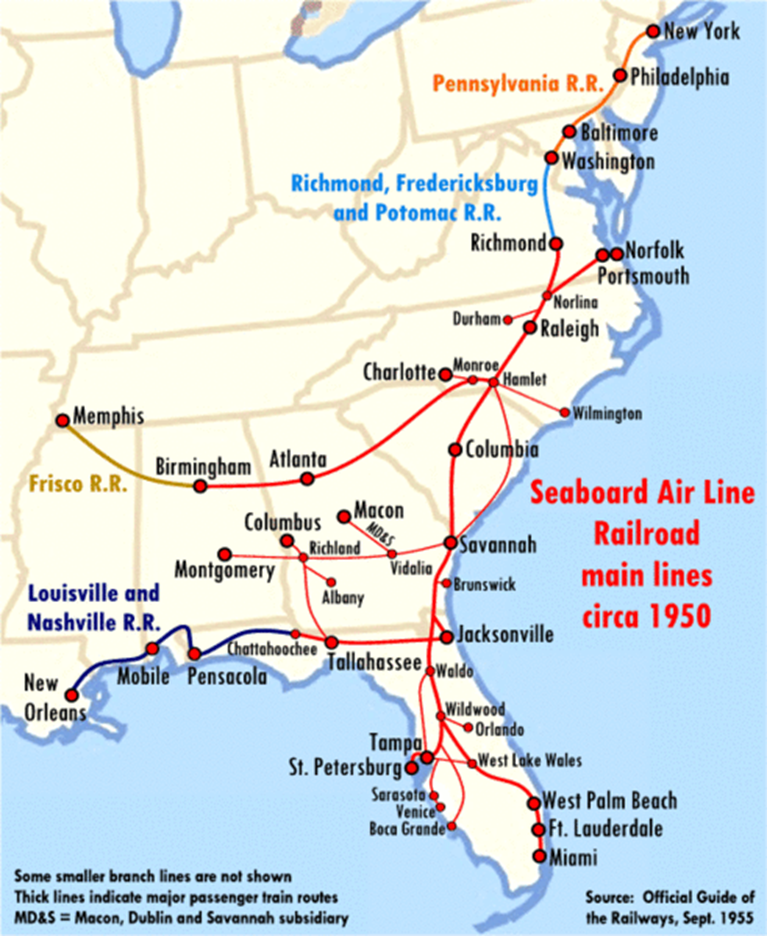
In article 2 of this 6 articles series, we saw railroad expansion into other cities, the effect of the Civil War and Reconstruction on the railroad industry, how and when the Air Line name was first used, and some of the things that happened in the late 19th century. We also checked out the Seaboard Air Line system and looked at the predecessors of the Seaboard in Florida.
In this article (article 3 of 6) we will look to see what carpetbaggers tried to accomplish, we will also look at several interesting people who attempted to make the railroad successful. We look at Edward Reed, John Williams, James Dooley, Thomas Ryan, and Solomon Warfield.
We will also look at Seaboard incorporation and South Florida expansion. Please stay with us and enjoy our excursion as we learn more about SAL. Here is a link to article 2 https://readmedium.com/6900b2c770b4?source=friends_link&sk=ee507719ef3ff4cccc93f905ce61e652. This is important information that you won’t want to miss. All Aboard!
Introduction
Carpetbaggers
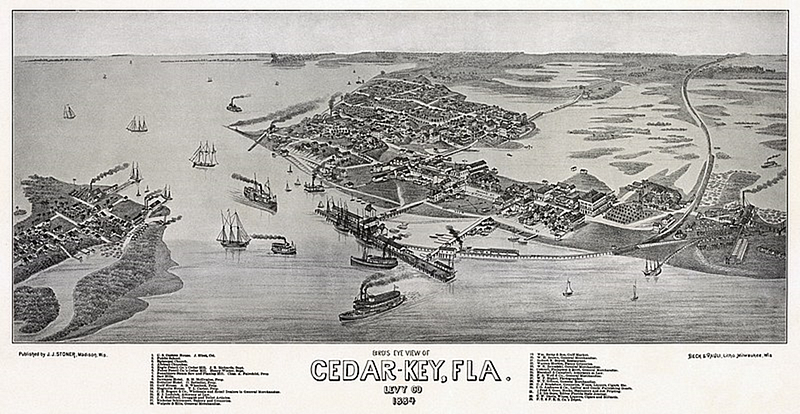
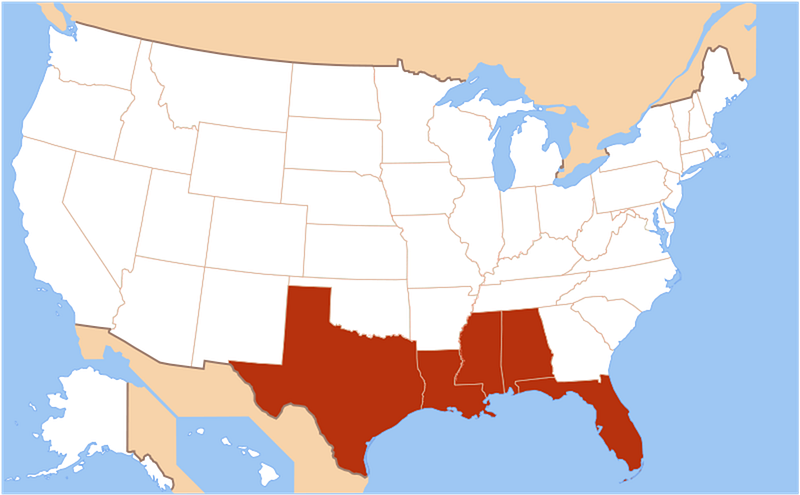
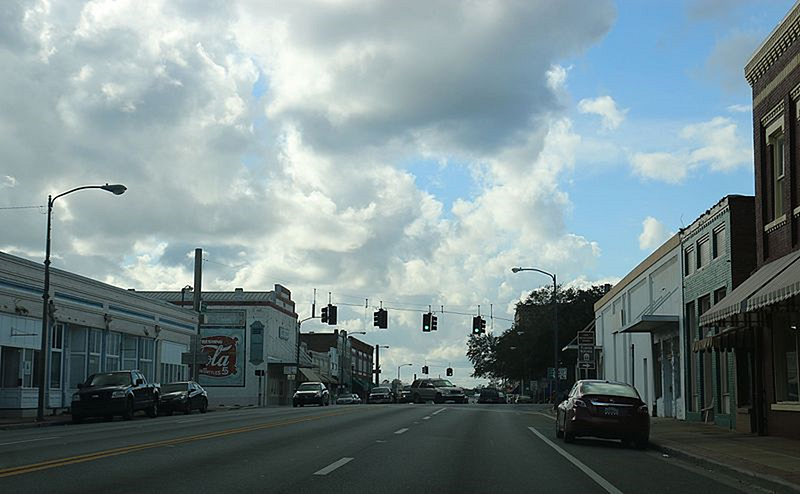
In 1868, P&G and the FA&GC were acquired by carpetbaggers. A carpetbagger is a historical term used by Southerners to describe opportunistic Northerners who came to the Southern states after the Civil War. They were perceived as exploiters of the local population for their own financial, political, and/or social gain.
The P&G had been renamed the Jacksonville, Pensacola, and Mobile Railroad (JP&M). The FA&GC was consolidated with the JP&M. This consolidated company was called the Florida Central Railroad. In 1871, the Florida Railroad was reorganized as the Atlantic, Gulf, and West India Transit Company.
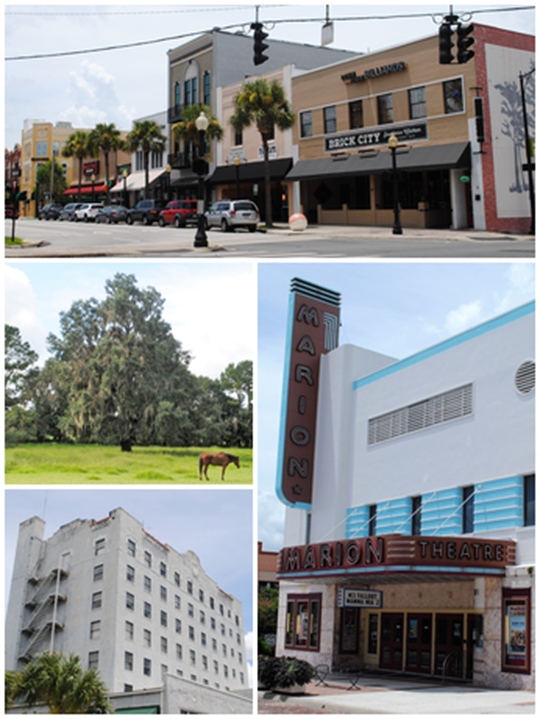
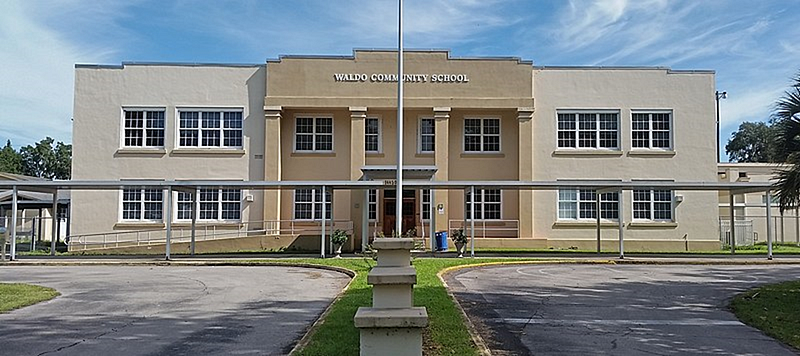
Through two new subsidiaries, the Peninsular Railroad and the Tropical Florida Railroad, the Atlantic, Gulf, and West India opened two new lines, one running to Ocala and Tampa from a junction with the main line at Waldo, and another running from Ocala to Wildwood.
Edward Reed
In 1881, Sir Edward Reed (British naval architect, author, politician, and railroad magnate) acquired the Atlantic, Gulf, and West India and its subsidiaries and reorganized them as the Florida Transit Company.
The following year, Reed acquired the JP&M along with its subsidiary, the Florida Central, and then he combined them as the Florida Central and Western Railroad.
In 1883, Reed reorganized the Florida Transit Company as the Florida Transit and Peninsular Railroad. Reed brought both the Florida Central and Western and the Florida Transit and Peninsular under the umbrella of a single entity, the Florida Railway and Navigation Company.
This was the largest railroad in Florida. In 1886, the company was reorganized as the Florida Central and Peninsular Railroad (FC&P).
New Line
A new line running north from a junction near Jacksonville to Savanah, Georgia was built by FC&P. FC&P leased the South Bound Railroad, which ran north from Savannah to Columbia, South Carolina.
When the FC&P had finished construction in late 1893, it had 1,000 miles of rail and a new “air line” extending straight from a connection with the Richmond and Danville Railroad in South Carolina into Jacksonville. This resulted in saving several hours of travel time and connected New York and Tampa.
John Williams Stirs Things Up
This direct entrée into Florida did not escape the notice of John Skelton Williams and his financial backers. In April 1899, two months after assuming formal control of the various railroads in the Seaboard system, the Williams syndicate purchased a majority stock interest in FC&P for $3.5 million.
Incorporation
On April 14, 1900, the Seaboard Air Line Railway was incorporated, comprising 19 railroads in which it owned all or most of the capital stock. Williams was the first president of the new corporation, which advertised its north–south route as the “Florida-West India Short Line.”
James Dooley Helps Out
James H. Dooley, a veteran of several rail mergers in the South, helped organize the SAL and served as chairman of SAL’s executive council.
On June 3, 1900, SAL service ran:
From New York to Tampa, Florida,
From New York to Washington D.C. with trains operated by the Pennsylvania Railroad
From Washington D.C. to Richmond by the Richmond, Fredericksburg, and Potomac Railroad
From Richmond to Tampa by the Seaboard
This arrangement lasted until the creation of Amtrak in 1971.
On July 1, 1900, the Seaboard assumed operation of the Georgia and Alabama, the FC&P, and the Atlantic, Suwannee River, and Gulf railroads. In 1903, the FC&P, which had been controlled through stock ownership and operated under a lease agreement, was consolidated within the Seaboard.
In 1904, Seaboard subsidiary Atlanta and Birmingham Air Line Railway purchased the previous year, completed construction, and extended the Atlanta route to Birmingham, Alabama. This was the largest center of production for iron and steel in the South. It was also a valuable endpoint for the Seaboard.
Thomas Fortune Ryan
The new 2,600-mile railroad did not prosper as expected in its beginning years. Thomas Fortune Ryan, who had opposed the Williams syndicate when it purchased controlling interests in the various Seaboard companies, succeeded in assuming control of the railroad in 1904. Ryan’s policies proved disastrous for the Seaboard’s finances.
Solomon Warfield Leads
Solomon Davies Warfield was an American railroad executive and banker. He is remembered for extending the Seaboard Air Line Railway into South Florida in the 1920s and for connecting the east and west coasts of Florida by rail. To this day, Amtrak trains travel from Central Florida to South Florida on the route built by Warfield.
After the Panic of 1907, the railroad went into receivership and Ryan was ousted. Solomon Davies Warfield, a Seaboard director and member of the railroad’s executive committee, who had assisted Williams in forming the corporation, was appointed one of the receivers and was named chairman.
In 1912, Warfield became the majority stock owner of the Seaboard. By 1915, the railroad had recovered. The Seaboard was nationalized during the railroad crisis brought on by World War I and was run by the United States Railroad Administration from December 28, 1917, to March 1, 1920.
Warfield and the South Florida Expansion
Tourists traveled to Florida and the Seaboard enjoyed a prosperous decade in the 1920s. In 1924, Warfield, now president and CEO of the railroad, began building a 204-mile extension.
This extension was called the Florida Western and Northern Railroad, from the Seaboard mainline in Coleman, Florida south to West Palm Beach, which for almost thirty years had been the exclusive domain of the Florida East Coast Railway.
Some 35 miles northwest of West Palm Beach, the extension ran through Indiantown, which Warfield planned to make the new southern headquarters of the Seaboard. The extension was constructed in record time and opened in January 1925.
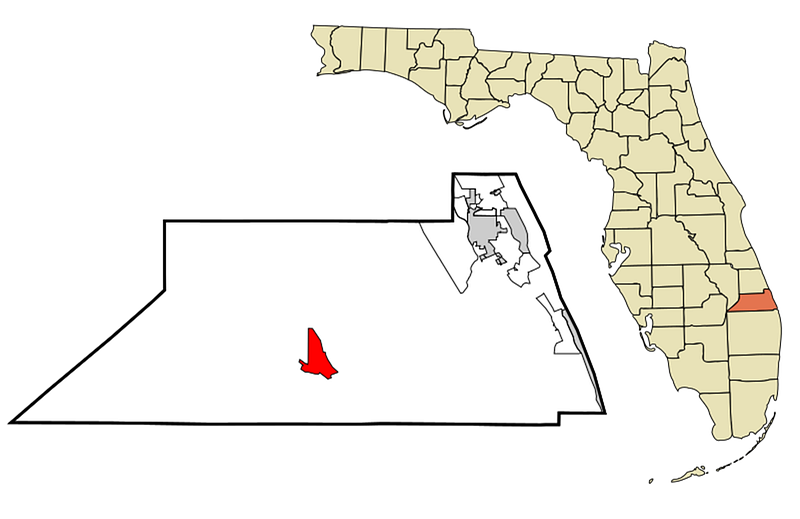
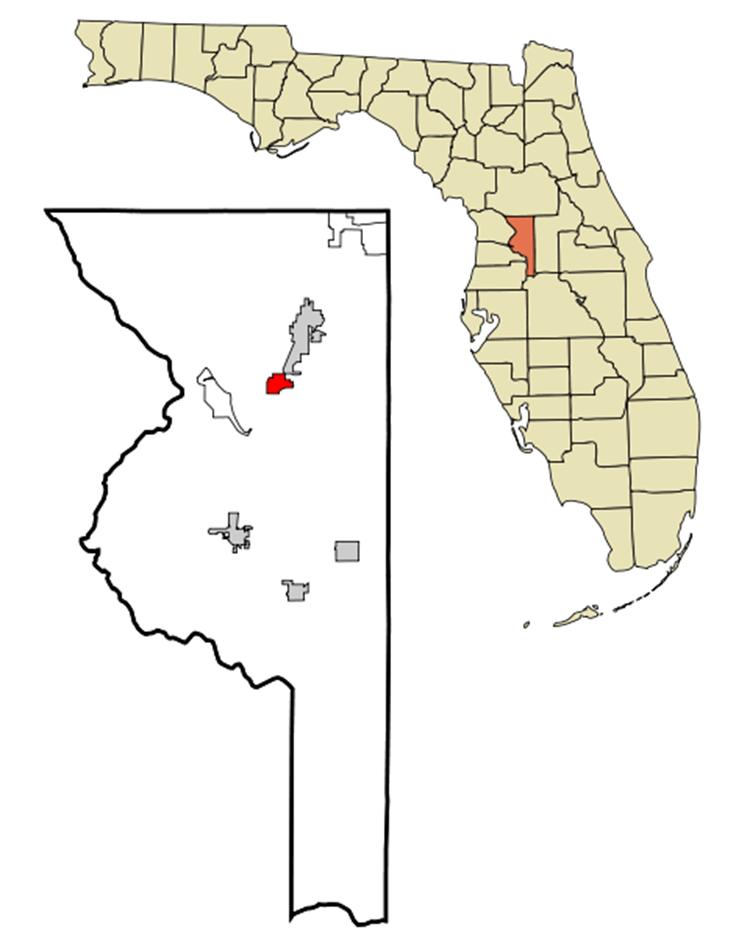
Later in 1925, Warfield constructed the Gross-Callahan Cutoff. This allowed time-sensitive trains to bypass congested Jacksonville. He then built the Valrico Cutoff. This provided a direct route from Tampa to West Palm Beach.
Warfield also leased the Charlotte Harbor and Northern Railway, which ran from central Florida to Boca Grande, as well as the East and West Coast Railway between Arcadia and Manatee County.
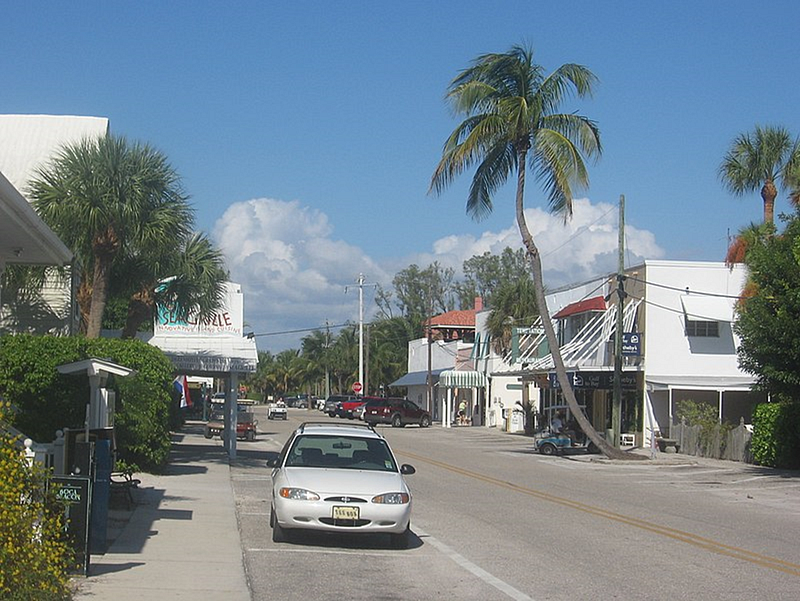
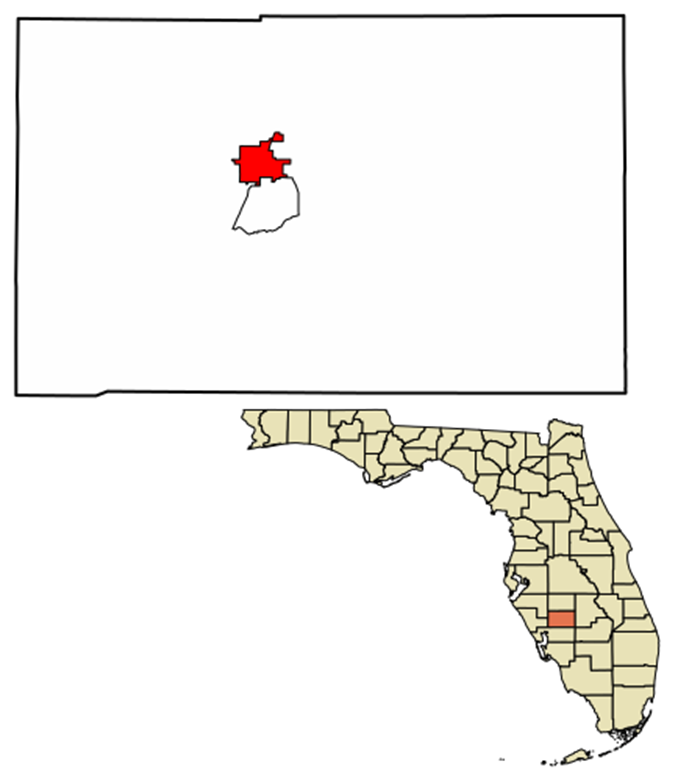
At the end of 1925, Warfield announced two new extensions, one from West Palm Beach to Miami and another from Arcadia to Fort Myers and Naples. Hialeah served as the groundbreaking location for the Miami extension. In 1926, the line was open for freight.
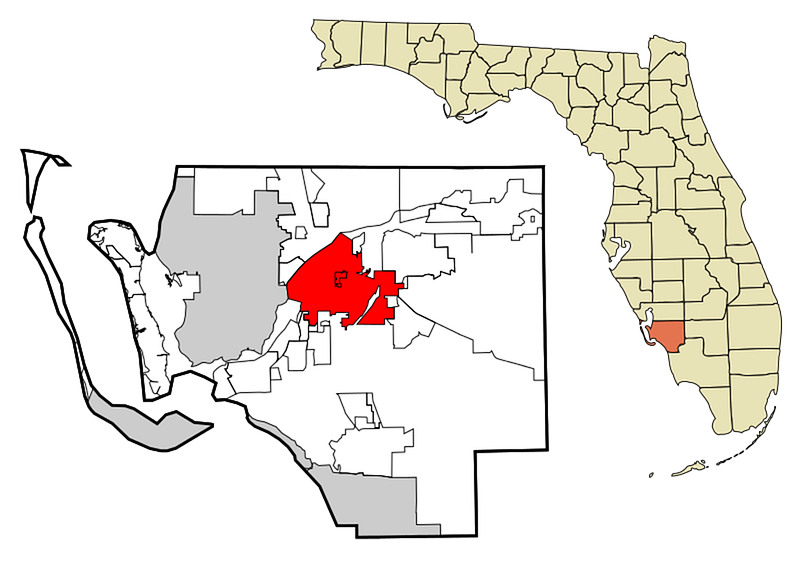
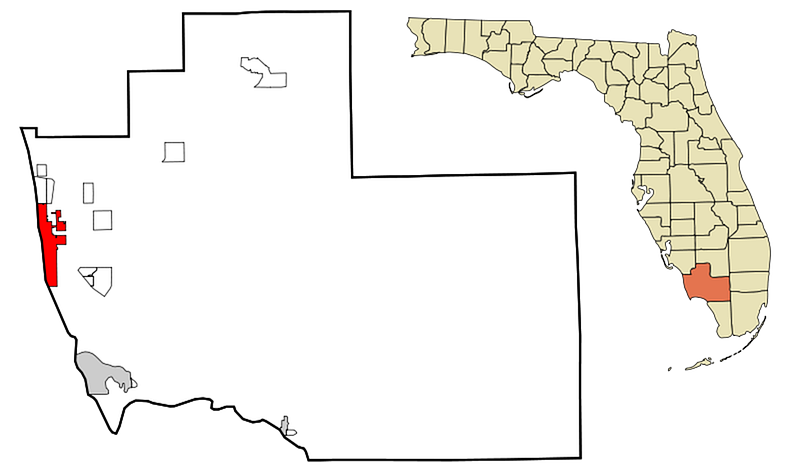
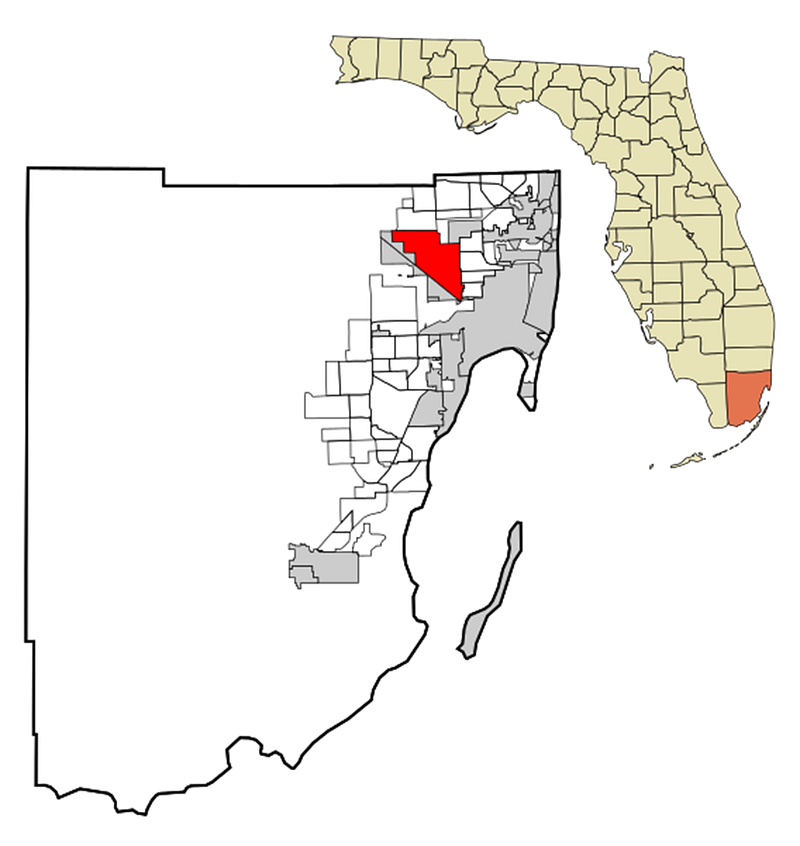
In 1927, Warfield took a large faction of dignitaries on a special run of the luxurious Orange Blossom Special, beginning at Arcadia and proceeding south to Naples, then doubling back over to the east coast and proceeding south from West Palm Beach to Miami.
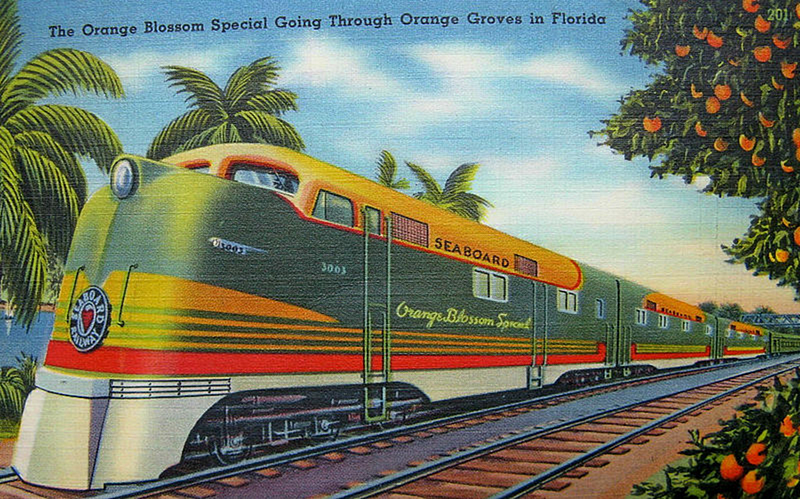
Whew, a lot was happening in the United States at this point. The railroad industry appeared to be somewhat of a dog-eat-dog world where the roads with financial backing and money were able to gain control of other railroads. This made Seaboard Air Line Railroad even more attractive to both consumers and investors.
Please stay aboard now as we move into article 4 of 6. Many thanks in advance, we sure don’t want you to miss the rest of the story. We are halfway through now so hopefully, you have learned something new. If not, please stay with us because we know few people who know the entire story. Many thanks in advance!
If you liked this article, please clap for it, mark yourself as a follower of mine, and join me on my journey in writing as I contribute to various publications on medium.com.
The more time people spend reading my articles, the more it encourages me to continue writing. Many thanks for taking the time to read what I have written. Get access to unlimited articles here on Medium!
Your small membership fee supports Terry Day and other writers you read. You’ll also get full access to every story on Medium. What a bargain!
Where else can you read articles written by artistic and creative authors on so many different topics for $5 a month?
If you are not yet a medium member, please consider membership ($5 is a steal), and please mark yourself as one of my followers. My account on Medium is @tday597706. Many thanks in advance for your support!
Please join my email list, this allows you to be notified as soon as I post something new. My success in writing is dependent on readers like you who appreciate and support my writing. Thanks so much for taking the time to read and support me.


.jpg)


