avatarKarla Starr

Free AI web copilot to create summaries, insights and extended knowledge, download it at here

2385

Abstract

beit a perfect one — to get an “A”. Well, came grading time and a curious fact emerged: the works of highest quality were all produced by the group being graded for quantity. It seems that while the “quantity” group was busily churning out piles of work<b> — and learning from their mistakes — </b>the “quality” group had sat theorizing about perfection, and in the end had little more to show for their efforts than grandiose theories and a pile of dead clay.</p></blockquote><p id="d4c4">The real message of the clay pot story isn’t just <i>do</i> a lot of things —<b> it’s to engage in the full learning cycle.</b></p><h1 id="8565">The Four Steps of the Learning Cycle</h1><figure id="1b07"><img src="https://cdn-images-1.readmedium.com/v2/resize:fit:800/1*vtl73G8RBc8tCs7TxiiKdg.png"><figcaption><a href="https://www.google.com/books/edition/Experiential_Learning/o6DfBQAAQBAJ?hl=en&amp;gbpv=0">The Experiential Learning Cycle</a></figcaption></figure><p id="f6a9">If you<i> really</i> want to transform your learning, don’t just focus on hacks like spaced repetition, or teaching to others.<b> </b>Try the four pillars of Experiential Learning:</p><p id="3371"><b>Active Experimentation:</b> Devising a way to improve based on a theory or idea</p><p id="6c36"><b>Concrete Experience</b>: Getting out and actually <i>doing something</i></p><p id="226e"><b>Reflective Observation:</b> Doing a postmortem, or thinking back on the experience</p><p id="14bd"><b>Abstract Conceptualization:</b> Drawing conclusions or principles based on that experience that you can use moving forward</p><blockquote id="89a8"><p>Learning arises from the resolution of creative tension among these four learning modes, where the learner “touches all the bases” — experiencing (CE), reflecting (RO), thinking (AC), and acting (AE) — in a recursive process.</p></blockquote><p id="95bd">In other words, we have to make sure that we’re engaging in all four of these processes.</p><p id="09bd">Once I found this chart, I saw it creeping up everywhere in my research files. Here, it’s in systems theory:</p><figure id="290a"><img src="https://cdn-images-1.readmedium.com/v2/resize:fit:800/1*K3UvSTWjUqnPWViHIAAujQ.png"><figcaption></figcaption></figure><p id="867e">And here, in a book on coaching:</p><figure id="9f1c"><img src="https://cdn-images-1.readmedium.com/v2/resize:fit:800/1*onSDqx0w7r4lHetePp_CUg

Options

.png"><figcaption></figcaption></figure><p id="ec37">The times in my life when I’ve improved at something quickly were when I closed these gaps with a coach or mentor who was able to offer me feedback in real time.</p><h1 id="9307">The Productivity Porn loop</h1><p id="0c0b">Hopefully, you can see now why cranking out blog posts, clay pots, loaves of bread, and free throws doesn’t guarantee improvement — you might just be strengthening bad habits. It’s easy to practice a mediocre tennis serve or golf swing until they become automatic. Once you’ve stamped those in, bad habits can become hard to break.</p><p id="9446">If you’re stuck in what I call the productivity porn loop, you might be stuck in the “information-gathering” mode, trying to find the best hack, software, or list of best practices.</p><p id="2687" type="7">The hardest habit that I’ve ever had to break was the “maybe if I sit back and read about how to do something forever, I’ll eventually figure out the absolute best way to do something and get confident enough to try it” habit.</p><p id="7544">It feels like you’re making progress because you’re learning, right? But philosopher Immanuel Kant is way ahead of you:</p><blockquote id="134d"><p>“Experience without theory is blind, but theory without experience is mere intellectual play.” -Immanuel Kant</p></blockquote><p id="f28d">Unless you’re learning about <i>your situation, </i>you might be backing yourself into a corner of criticism and perfectionism. You might think that you’re making progress because you’re learning — when you’re really just learning in order to avoid the anxiety that comes with making a mistake and realizing that, like the rest of us, you’re human.</p><p id="dd65"><b>Don’t forget the cycle:</b></p><ul><li>Do something</li><li>Reflect on it</li><li>Learn a lesson from that experience</li><li>Try something new</li><li><b>Repeat</b></li></ul><p id="43bd"><i>Thanks for reading! If you liked this, you can <a href="https://karlastarr.medium.com/membership">sign up for a Medium account</a> <a href="http://karlastarr.substack.com/">subscribe</a>, or forward it to someone who’d like it.</i></p><p id="611d"><i>I’m also on <a href="http://twitter.com/karlastarr">Twitter</a>, <a href="http://instagram.com/karlastarr/">Instagram</a>, and <a href="https://www.linkedin.com/in/karlastarr/">LinkedIn</a>.</i></p></article></body>

Why Doing Things Over and Over Won’t Make You Better

We’re Missing the Point of That Stupid Clay Pot Story

If you want to get better, you’ve got to produce. Again and again. That’s the argument in The Clay Pot Story. If you haven’t heard it: “A teacher divides a class into two groups. Group A only has to produce one clay pot. Group B has to make as many clay pots as possible. In the end, not only did Group B make more clay pots, but their final pots were better than the ones made by Group A. Quantity leads to quality.”

Photo by Quang Nguyen Vinh from Pexels

Whenever people tell this story, it usually gets boiled down to a Very Simple Lesson: you don’t get better by sitting around theorizing: you get better by doing something over and over and over.

I was reminded of this story from Austin Kleon’s blog, but I’ve also seen it repeated by all kinds of marketing gurus like Seth Godin. It’s the idea “because of the power law, you have to publish 1,000 articles and then maybe one of them will go viral.” Like most simple pieces of advice, it’s missing a huge component.

The Real Clay Pot Story

From Art & Fear:

The ceramics teacher announced on opening day that he was dividing the class into two groups. All those on the left side of the studio, he said, would be graded solely on the quantity of work they produced, all those on the right solely on its quality. His procedure was simple: on the final day of class he would bring in his bathroom scales and weigh the work of the “quantity” group: fifty pound of pots rated an “A”, forty pounds a “B”, and so on. Those being graded on “quality”, however, needed to produce only one pot — albeit a perfect one — to get an “A”. Well, came grading time and a curious fact emerged: the works of highest quality were all produced by the group being graded for quantity. It seems that while the “quantity” group was busily churning out piles of work — and learning from their mistakes — the “quality” group had sat theorizing about perfection, and in the end had little more to show for their efforts than grandiose theories and a pile of dead clay.

The real message of the clay pot story isn’t just do a lot of things — it’s to engage in the full learning cycle.

The Four Steps of the Learning Cycle
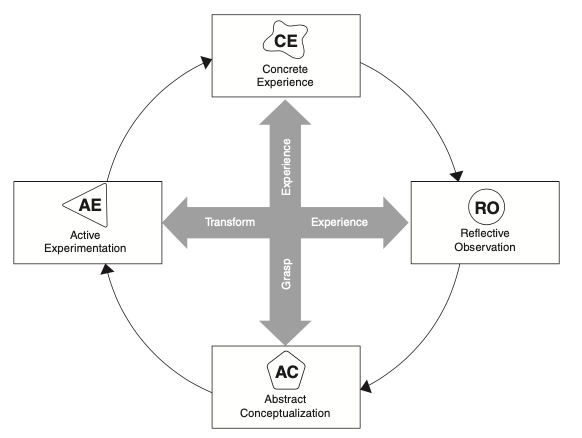
The Experiential Learning Cycle

If you really want to transform your learning, don’t just focus on hacks like spaced repetition, or teaching to others. Try the four pillars of Experiential Learning:

Active Experimentation: Devising a way to improve based on a theory or idea

Concrete Experience: Getting out and actually doing something

Reflective Observation: Doing a postmortem, or thinking back on the experience

Abstract Conceptualization: Drawing conclusions or principles based on that experience that you can use moving forward

Learning arises from the resolution of creative tension among these four learning modes, where the learner “touches all the bases” — experiencing (CE), reflecting (RO), thinking (AC), and acting (AE) — in a recursive process.

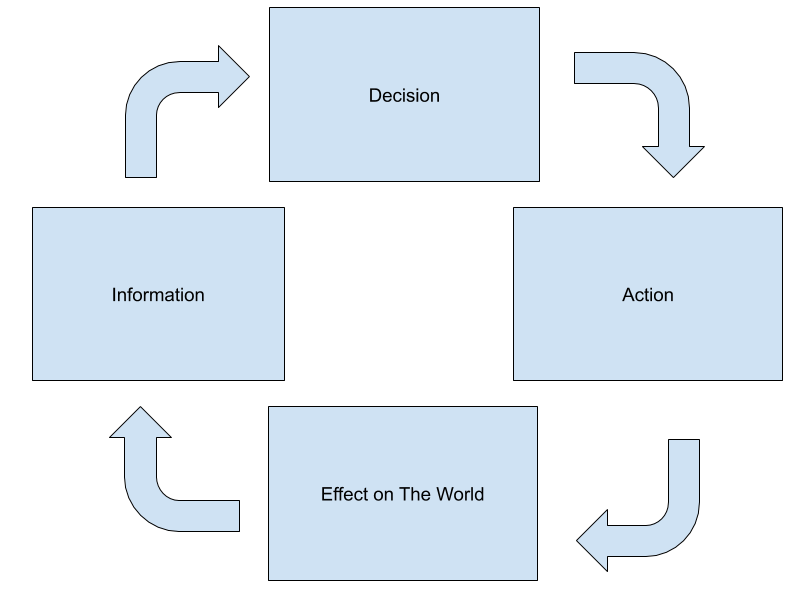
In other words, we have to make sure that we’re engaging in all four of these processes.

Once I found this chart, I saw it creeping up everywhere in my research files. Here, it’s in systems theory:
And here, in a book on coaching:
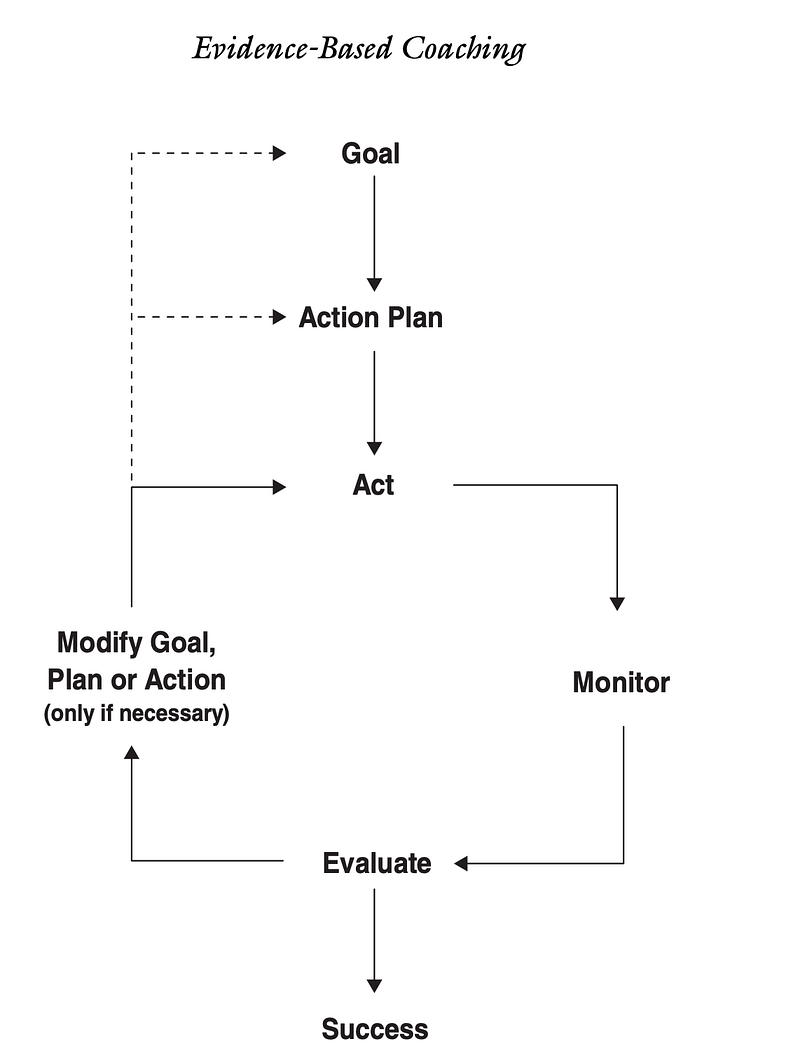
The times in my life when I’ve improved at something quickly were when I closed these gaps with a coach or mentor who was able to offer me feedback in real time.

The Productivity Porn loop

Hopefully, you can see now why cranking out blog posts, clay pots, loaves of bread, and free throws doesn’t guarantee improvement — you might just be strengthening bad habits. It’s easy to practice a mediocre tennis serve or golf swing until they become automatic. Once you’ve stamped those in, bad habits can become hard to break.

If you’re stuck in what I call the productivity porn loop, you might be stuck in the “information-gathering” mode, trying to find the best hack, software, or list of best practices.

The hardest habit that I’ve ever had to break was the “maybe if I sit back and read about how to do something forever, I’ll eventually figure out the absolute best way to do something and get confident enough to try it” habit.

It feels like you’re making progress because you’re learning, right? But philosopher Immanuel Kant is way ahead of you:

“Experience without theory is blind, but theory without experience is mere intellectual play.” -Immanuel Kant

Unless you’re learning about your situation, you might be backing yourself into a corner of criticism and perfectionism. You might think that you’re making progress because you’re learning — when you’re really just learning in order to avoid the anxiety that comes with making a mistake and realizing that, like the rest of us, you’re human.

Don’t forget the cycle:

  • Do something
  • Reflect on it
  • Learn a lesson from that experience
  • Try something new
  • Repeat

Thanks for reading! If you liked this, you can sign up for a Medium account subscribe, or forward it to someone who’d like it.

I’m also on Twitter, Instagram, and LinkedIn.

Productivity
Work
Entrepreneurship
Work Life Balance
Recommended from ReadMedium