
7 Years of Actively Building Social Justice Literacy
And how you can build yours.
“A hero can be anyone — even a man doing something as simple and reassuring as putting a coat around a young boy’s shoulders to let him know that the world hadn’t ended.” — Batman, The Dark Knight Rises
There are various ways of conducting advocacy and activism work. In the current climate, most people take to social media as their main platform to advocate. It seems easy enough, right? With just a few clicks, you can be an activist regardless of the time and place. But, social media is far from the only avenue for the so-called “everyday person” to be an activist. In fact, some may not have the luxury to publicly express their opinions and raise awareness. In this instance, I often recommend people to advocate in the simplest way: build up your literacy on the matter.
I’m known amongst my peers to be one of the most educated on certain social and political issues. When asked about how I arrived at the current level of literacy and involvement, the ket point I always state is that “it wasn’t built overnight.” My journey is one that examplifies how small, daily steps in educating yourself can lead you to become a better activist, an informed citizen, and a knowledgeable resource.
As mentioned, I took my first step as an activist in 2013, but I credit my favorite childhood TV show for igniting my activist soul — Kim Possible. By the end of each episode, I’m left with an urge to want to fight crime, or, in my younger self’s words: “the evils of the world.” That urge, then, turned into my earliest dream: to become Kim Possible one day.
But, it wasn’t another 5 or 6 years before I consciously began building my social justice literacy.
In the summer of 2013, my parents took my brother and me to the streets for a nationwide protest. For the first time since Kim Possible ended, I had the same urge of wanting to save the world. As I stood and chanted alongside hundreds of thousands of protestors, I felt like I was surrounded by heroes. I saw the positivity that voicing an opinion and making changes could bring, a feeling that I can only describe as “hope.” To an eighth-grader who had been showing depressive symptoms for a while, hope was an alien feeling. I wanted to preserve that. I wanted to continue feeling hopeful myself, and I wanted to bring hope into more people’s lives.
So, I went home and started searching online for advocacy work that I can contribute to, and I came across the topic that I continue to work on until this day: LGBTQ+ rights. Love seemed like one of the most basic human rights that we should all have, and I was shocked to discover there are people who were denied that right.
I credit this moment as the start of my activism journey. In the summer of 2014, I was able to join the chapter of Gay-Straight Alliance at the Philips Exeter Academy, where I met other activists and held my first conversation with someone from the LGBTQ+ community.Around the same time, I watched Captain America: Winter Soldier and The Dark Knight Trilogy, and rediscovered the world of action comics.
From reading comics to learning about their histories, combined with my experience at Exeter, I realized there are multiple ways to create positive change in the world. From reading about why most superheroes and vigilantes choose to conceal their true identities to hearing queer individuals’ experiences of being physically threatened, I came to understand the multitude of reasons why most would choose to advocate in a private and silent manner. But, perhaps the most important lesson I learned was the key action that all activists — regardless of our methods of advocacy — should take: Educating yourself.
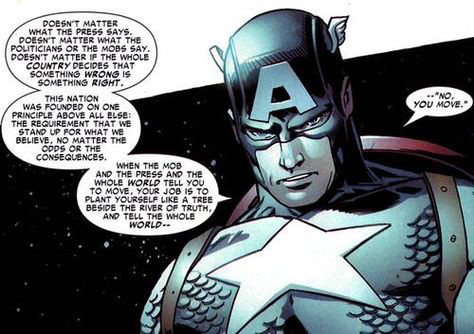
Since 2014, I’ve spent at least 30 minutes to an hour each day devoted to building up my social justice, activism, and political literacies. 7 years of doing that daily have led to my having an arsenal of knowledge for certain issues, to the point where as soon as I learn of a piece of news related to those issues, I can pull from my box of knowledge and discuss the new issue right away.
There are countless social and political issues in the world, each compounded by its years of history. It can be daunting, I know, to try to tackle these issues and to build your literacy on them. From working with experienced activists to talking to those who have never thought about social justice, I’ve heard all sorts of stories of how literacy as such was built and led people down this journey of building social justice literacy, and the common theme that runs across all? Literacy isn’t built overnight.
Think of the knowledge we obtain from school — information is taught to us in small chunks each day. We learn a piece of information about a topic, go home, then come back to school the next day to learn the next piece of information about that same topic. Political and social justice literacy works the same way.
So, start today.
Read the news every day, and do further research on the news topic that draws your interest. Talk to those with lived experiences. Listen to educational podcasts and watch documentaries. The most common suggestion I give to friends who are just starting out is to watch The Philip DeFranco Show. It’s a news commentary channel on YouTube that compiles 4–5 pieces of news into a 15–20 minute video on a daily basis during weekdays, and they also provide links in the info section so that you’re just a click away from learning more about those news. Linked below is their latest episode from last Friday (June 12th, 2020).
And if you feel like the items I listed above are still too daunting, then read some comic books! Tons of Marvel and DC Comic’s content are laced with political and social commentary and were inspired by political movements. As the prominent comic writer Grant Morrison stated: “Writers and artists build by hand little worlds that they hope might effect change in real minds, in the real world where stories are read. A story can make us cry and laugh, break our hearts, or make us angry enough to change the world.”
Many of the characters that we’ve seen on the big screen were created as responses to the political climate of its era, and the diversity of character plotlines reflect on the multitude of ways people deal with social justice. Hell, the entire Star Wars enterprise is literally about fighting against an oppressive government! I’ve attached recommendations below to point you to those noticeable comics that contains significant social commentary.
Batman once said that “a hero can be anyone — even a man doing something as simple and reassuring as putting a coat around a young boy’s shoulders to let him know that the world hadn’t ended.” There is no easier way to become a hero than educating yourself on the matter.
“Writers and artists build by hand little worlds that they hope might effect change in real minds, in the real world where stories are read. A story can make us cry and laugh, break our hearts, or make us angry enough to change the world.” — Grant Morrison
So, I leave you with one message: start learning today.
Whether you can speak up or not, whether you are fluent in activism or has no experience in advocacy, whether you want to consume bits of news daily or dive into the world of superhero comics fighting against injustice, start today.
Resources to help you build up your social justice literacy:
- “George Floyd, Minneapolis Protests, Ahmad Arbery & Amy Cooper” — a clip from The Daily Show where Trevor Noah explains the dominos of racial injustice and police brutality that led to the current protests.
- Books to build up your social justice literacy: Racism in the US — A Goodreads list we’ve compiled. Feel free to vote for or add books to this list!
- Philip DeFranco Show — Daily news commentary on YouTube
- 13th — Netflix documentary on the intersection of race, justice, and mass incarceration in the US. The entire film is on YouTube.
- Just Mercy — Film based on the true story of a person-of-color appealing his murder conviction. The film is free for all during the month of June. You can find the film here.
- Superheroes, Comics, and Social Justice — A Goodreads list of superhero/action comics with social justice themes
- Social Justice Superheroes: A Quick-Ish History Of Superheroes Fighting Real-World Injustices — An article and a good place to find comic books related to real-world social/political commentary if you don’t know where to start