
7 useful Deep Learning Frameworks To Make Your Life Easier
Power Up your Deep Learning Development

Why write custom functionality when a framework can do it for you? Frameworks are the best friends and life saviors of developers. In my opinion, a good project makes use of the best frameworks available. Here I have compiled a list of 7 Deep Learning frameworks that will help you in your development journey.
1. mxnet
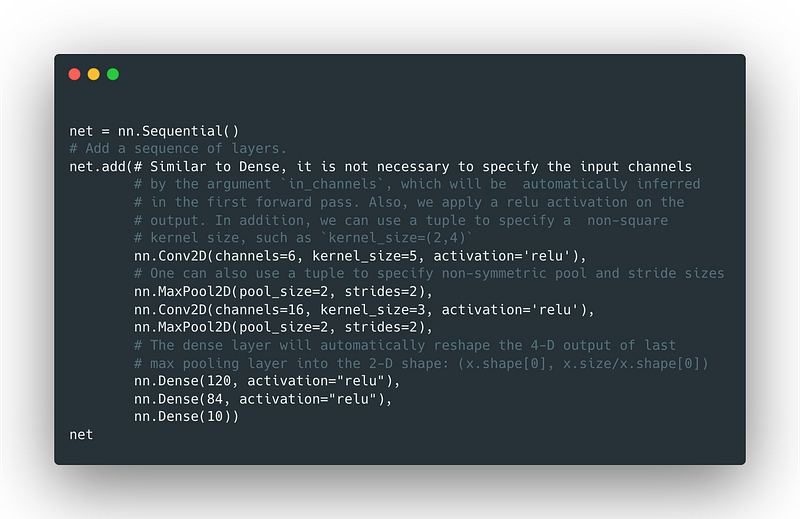
This is one of the most starred frameworks with more than 20k stars on GitHub. This is a portable and lightweight deep learning framework designed for both efficiency and flexibility. It allows you to mix symbolic and imperative programming to maximize efficiency and productivity. At its core, this framework contains a dynamic dependency scheduler that automatically parallelizes both symbolic and imperative operations on the fly. It also includes a graph optimization layer on top of that makes symbolic execution fast and memory efficient.
2. chainer
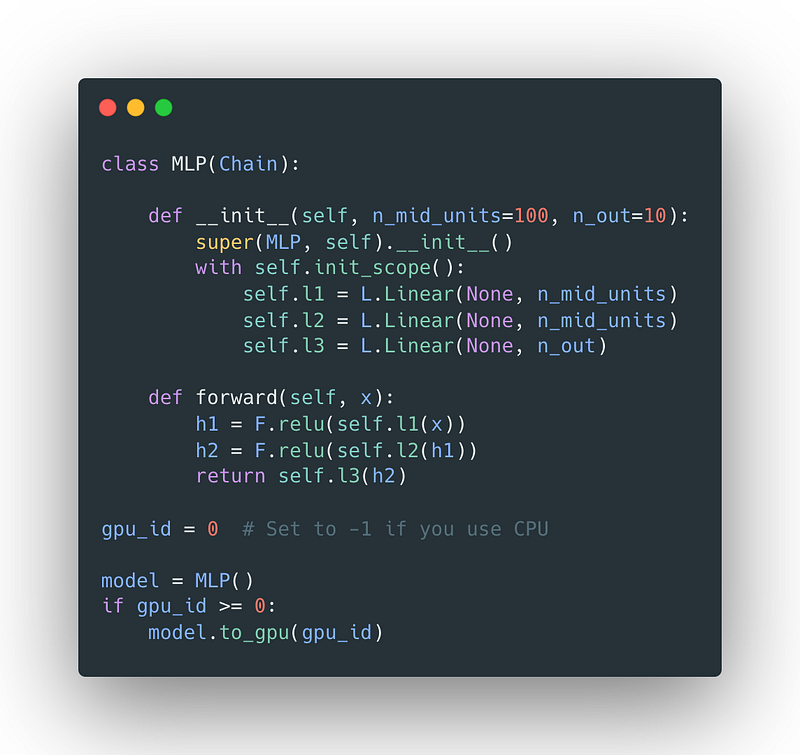
This is a Python-based deep learning framework aiming at flexibility. It provides automatic differentiation APIs based on the define-by-run approach (a.k.a. dynamic computational graphs) as well as object-oriented high-level APIs to build and train neural networks. It also supports CUDA/cuDNN using CuPy for high-performance training and inference. It has more than 5.5k stars on GitHub.
3. catalyst
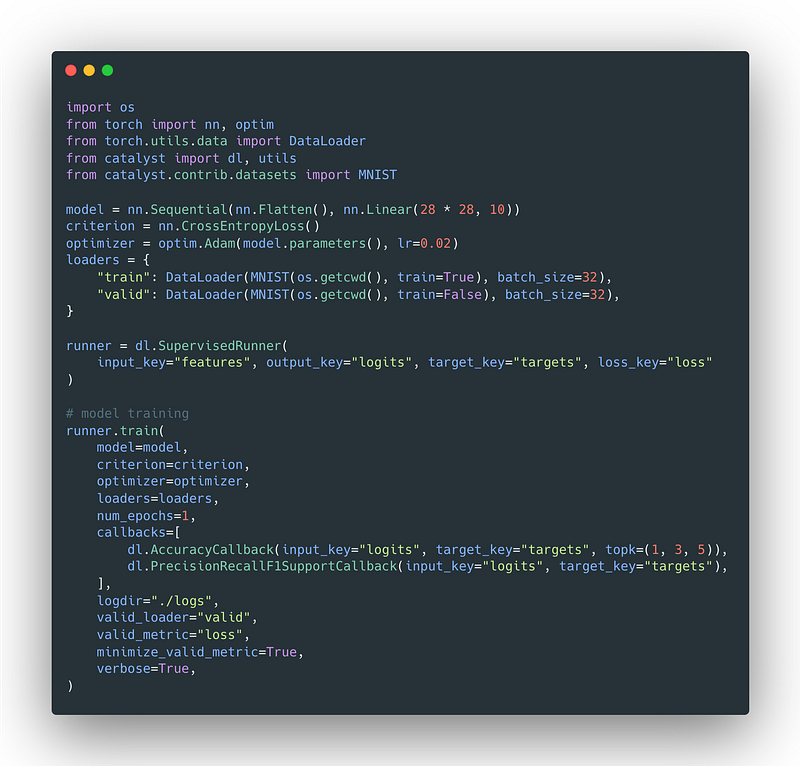
This is a PyTorch framework for Deep Learning Research and Development. It focuses on reproducibility, rapid experimentation, and codebase reuse so you can create something new rather than write yet another train loop. Ths framework has more than 3k stars on GitHub.
4. Paddle
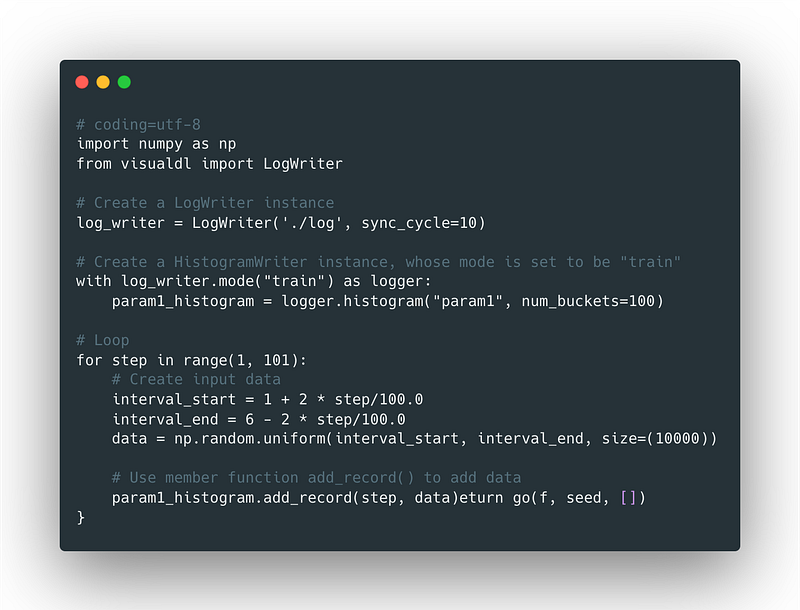
This is another most starred framework with more than 18k stars on GitHub. This is a parallel Distributed Deep Learning, Machine Learning Framework from Industrial Practice. It is an industrial platform with advanced technologies and rich features that cover core deep learning frameworks, basic model libraries, end-to-end development kits, tools and components as well as service platforms.
5. karateclub
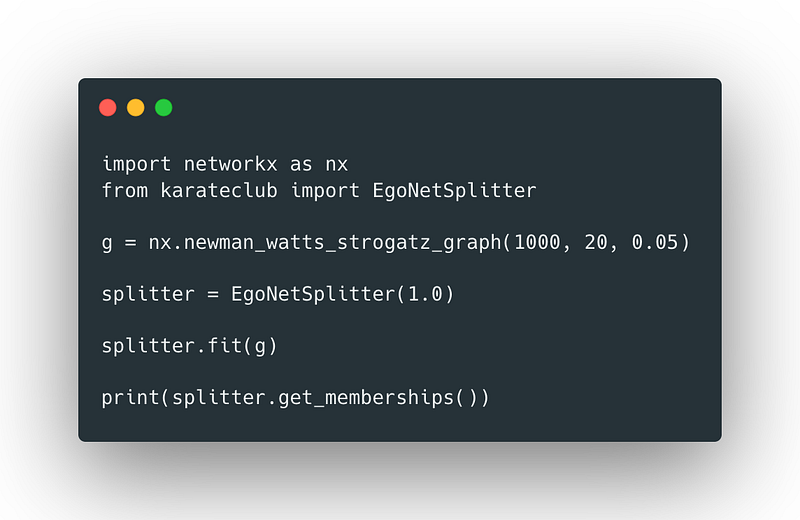
This is an API Oriented Open-source Python Framework for Unsupervised Learning on Graphs. First, it provides network embedding techniques at the node and graph level. Second, it includes a variety of overlapping and non-overlapping community detection methods. This framework has more than 1.7k stars on GitHub.
6. Knet
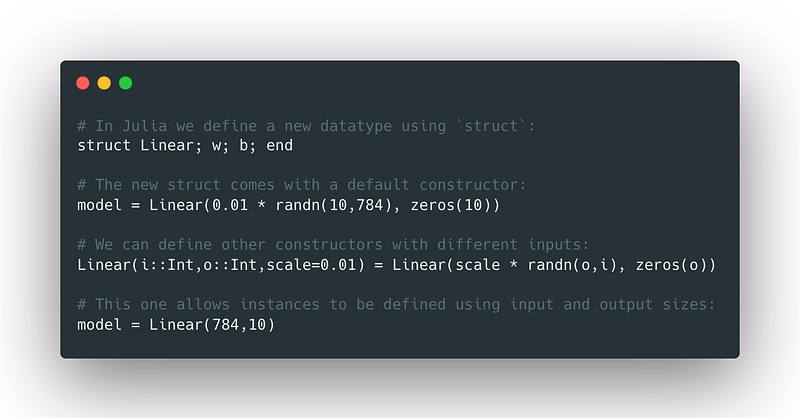
This is a framework that supports GPU operation and automatic differentiation using dynamic computational graphs for models defined in plain Julia. It is Koç University's deep learning framework implemented in Julia by Deniz Yuret and collaborators. This framework has more than 1.4k stars on GitHub.
7. haystack
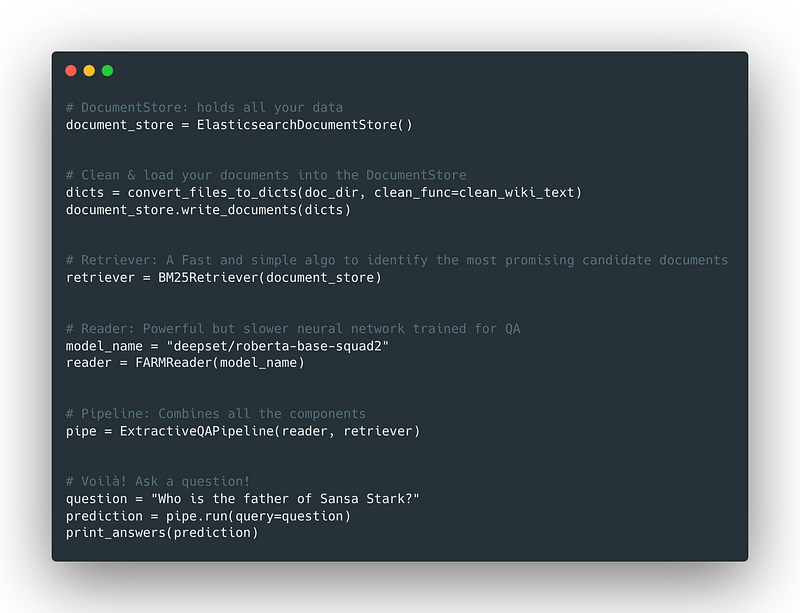
This is an open-source NLP framework that leverages pre-trained Transformer models. It enables developers to quickly implement production-ready semantic search, question answering, summarization, and document ranking for a wide range of NLP applications. It has more than 5.5k stars on GitHub.
Where are some other awesome resources?
There are always new things to learn. If you want to learn about some awesome libraries for Deep Learning please check out the below link.
That’s all for today. I believe these frameworks will help you a lot in your development journey.
If you know of any other beautiful Deep Learning frameworks, please share them in the comments. Until we meet again…Cheers!
Want to Connect?. If you want to,you can connect with me on Twitter