
These 7 Types Of Food Are Scientifically Proven To Benefit Reverse Aging
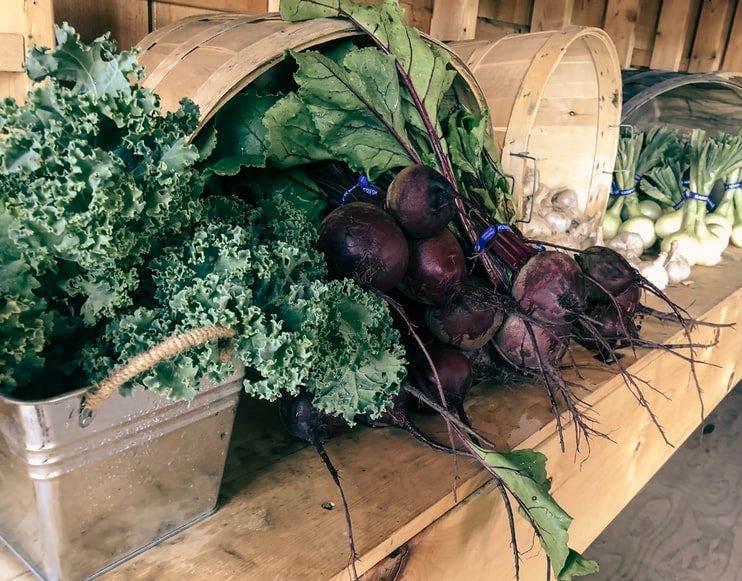
Accelerated and premature aging are results of impaired health, poor metabolism, and an unhealthy lifestyle. The aging body affects the quality of DNA, bringing numerous illnesses such as type 2 diabetes, Alzheimer’s and Parkinson’s disease, heart diseases.
Yet, knowing how to live a healthy life and boost NAD+ levels by including various constructive habits into your routine, you will be able to significantly decrease biological aging. In addition to slow aging, all age-related health problems can be ameliorated through an active lifestyle and balanced nutrition with robust levels of Folate, Vitamin B12, and Betaine.
In this article, we are going to share with you 7 types of foods that are potent ingredients for your reverse aging diet. These types of foods are rich in vitamins and minerals crucial for healthy aging, NAD+ increase, and for inhibiting neurodegenerative diseases.
As a takeaway, we will also provide you with an example of an exercise routine aiming to lengthen telomeres and enhance your longevity. Along with exercises, you will know a certain breathing technique that releases stress and depression.
What Are The Foods To Eat To Reverse Aging?
According to the food we eat, we create a healthy or poor environment for our organs to function. We talked about the effects food and lifestyle have on our NAD+ levels, aging pace, and overall well-being in our previous articles.
The diet pattern we advise in this article consists of foods abundant with Vitamin B12, folate, and betaine. These foods are scientifically proven to boost your NAD levels, enrich your body with necessary vitamins and slow down the aging process.
A recently published research performed with 43 healthy adult males demonstrates a significant decrease in biological aging. During this 8-week study, the participants followed a balanced diet designed by the scientists.
The saliva samples were collected and analyzed during and after the study. The effects of a healthy diet rich in certain foods notably improved the metabolism of the volunteers adding extra years to their lifespan.
Below, we list down the foods, their preparation methods, and amounts of serving for an effective increase of your healthspan.
3 servings of liver per week
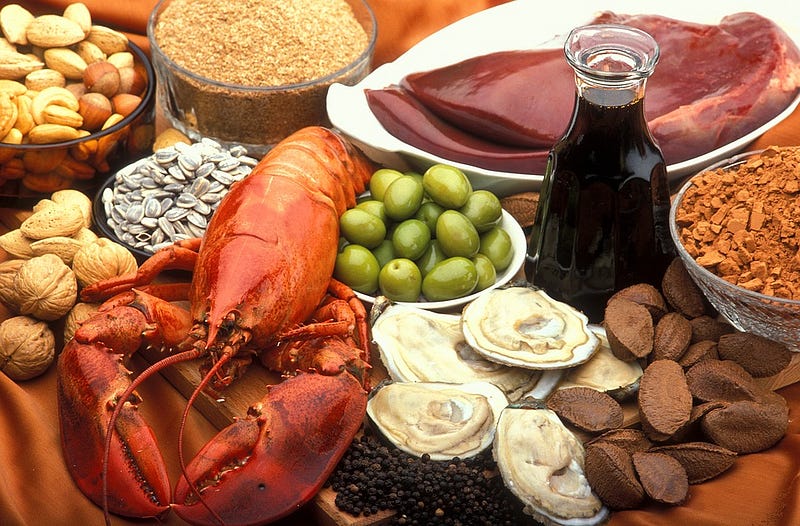
Liver (like other animal organ meats) is gaining popularity for being plentifully nutritious while containing essential vitamins and proteins. For the above-mentioned research, the volunteers were served 3 oz (28 g) of organic liver per week.
Being a cheap and widely available natural source of essential nutrients, beef liver is also a storage of a daily recommended intake of Vitamin A, Iron, Vitamin B12 (cobalamin), and Folate. The latter two have greater importance for blood cells health preventing anemia development.
Apart from this, the folate form of folic acid in liver has about 80% higher bioavailability. On the other hand, you should consider the proper preparation of the liver for maintaining its beneficial levels of folate and Vitamin B12.
According to a study, fried or grilled liver meat considerably losses amounts of folate and vitamin B12. To avoid this, you can boil or steam liver which will guarantee you receive the desired daily recommended intake (RDI) of these critical-for-health vitamins.
Meanwhile, be cautious with the surplus intake of the liver which can lead to Vitamin A intoxication. Most nutritionists suggest consulting your doctor before liver consumption. The reason is if you do not have vitamin A deficiency, the excess intake of liver can cause hypervitaminosis A. As a solution, you can consume liver once per week to avoid these consequences.
5–10 eggs per week
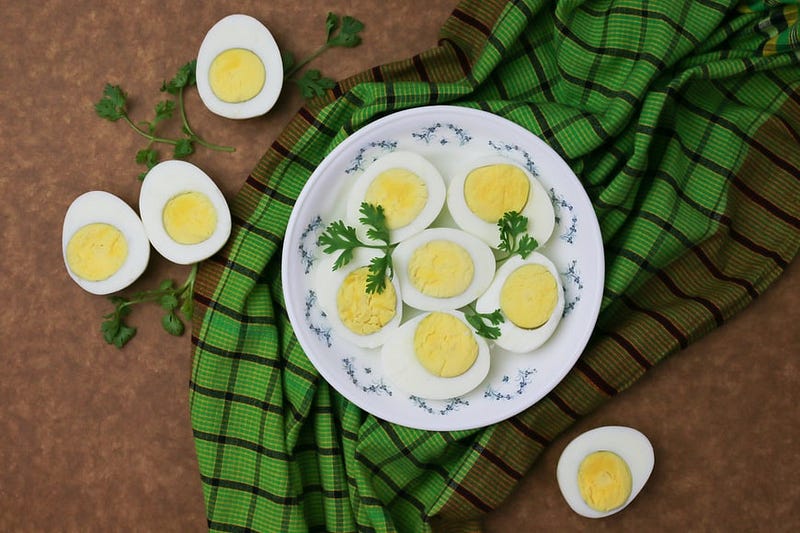
This small but nutritious food was a topic for controversial discussions among nutritionists. The most common questions coil around the cholesterol and protein levels a single egg contains. But it is worth mentioning that one egg contains less than the RDI (recommended daily intake) of cholesterol and proteins.
Including one middle-sized egg in your breakfast, lunch or dinner will nurture your body with approximately 210 mg of cholesterol and 6 g of protein. Besides, eggs are shelled sources of Vitamin A, D, B6, B12, Calcium, Selenium, and Folate.
Looking into the nutritional facts of eggs, we can indicate their beneficial aspects. Herein, Vitamin A is good for your eyesight, cells division, Vitamin D is good for healthy bones and muscles, B6 is necessary for maintaining a strong immune and neural system.
Scientists state that the cholesterol level eggs contain does not affect the blood cholesterol if consumed in a moderate amount (5–10 times per week). Though, if your aim is caloric restriction, you can omit egg yolks (containing about 190 mg of cholesterol) and eat whites instead, which contain most of the protein portion.
2 cups of leafy greens a day
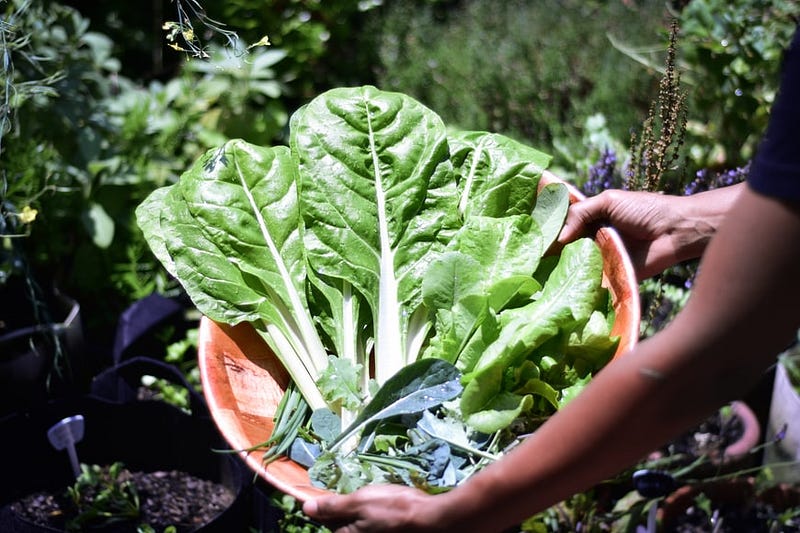
Over a long time, leafy greens have become one of the favorite foods for Americans. Now, these nutritionally rich vegetables are essential ingredients for maybe all diet patterns.
Leafy greens are powerful antioxidants preventing the development of different types of cancers. Studies showed that even 3 servings of leafy greens per week may be a preventive measure against cancer.
Leafy greens contain negligible amounts of calories and carbohydrates, which makes them ideal for weight loss and for maintaining desired body weight. On the contrary, leafy greens are abundant sources of Vitamin A, Vitamin C, Vitamin B12, folate, iron, and calcium.
Moreover, the vitamins the family of leafy greens contains are excellent antioxidants to prevent heart disease, strengthen your bones, and save your organs from inflammatory diseases. You can add leafy greens to your balanced diet to ensure you receive the necessary daily intake of vitamins.
To make your greens appealing to your stomach, make a salad with other colorful vegetables- cucumber, carrots, beets, etc. Add greens to your salads, creamy soups to make them more flavorful. Also, you can make tofu or chicken, tuna fish wraps with the leaves of kale, lettuce, and mustard greens.
2 cups of cruciferous vegetables
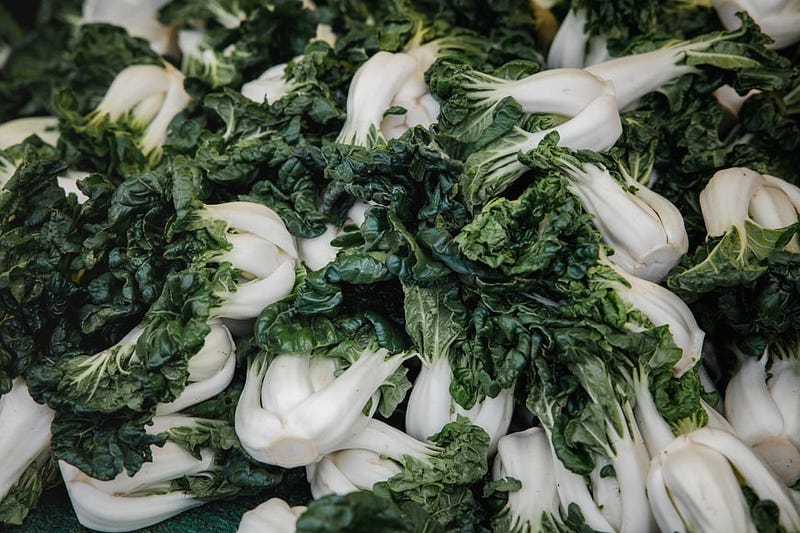
The famous family members of cruciferous vegetables are cauliflower, cabbage, broccoli, brussels sprouts, and bok choy. These powerful vegetables when added to your balanced diet contribute to your heart health, inflammatory defense, weight loss, and cancer prevention.
Yet, you may don’t like the bitter taste of these healthy vegetables. The bitter taste of the cruciferous vegetables is due to glucosinolates which are scientifically proven to convey numerous health effects. Diving into the nutritious background of cruciferous vegetables, reveals their density of vitamins and anti-inflammatory and antioxidant properties mostly due to the natural glucosinolates compounds.
The great amount of Vitamin A, B, C, Folic acid, Calcium, Iron, and Selenium in cruciferous vegetables help you ward off the adverse outcomes of aging diseases like diabetes, cancer, heart diseases, obesity, and blood pressure.
Moreover, the omega-3 supply in cruciferous vegetables is essential for maintaining healthy cognitive functions. The daily intake of omega-3 may reduce the chances of mental decline and help to withstand neurodegenerative diseases like Alzheimer’s disease.
These valuable vegetables contain an insignificant amount of calories, fat, and carbohydrates which can form an ideal diet aimed at weight loss. Also, the high nutritional value of cruciferous vegetables helps you stay full for a longer period easing the practice of intermittent fasting.
Though, research shows that these vegetables lose most of the vitamin supply depending on the cooking method or duration causing the decreasing amount of antioxidants like flavonoids, Vitamin B and C.
As a solution to maintain the greater amount of nutrients in your cauliflower, broccoli, or Brussels sprouts you can stir or stir-fry them instead of billing or frying. These methods of cooking your vegetable make Calcium, Vitamin A, and Iron more bioavailable easing the process of absorbing and using these nutrients by your body.
3 additional cups of colorful vegetables
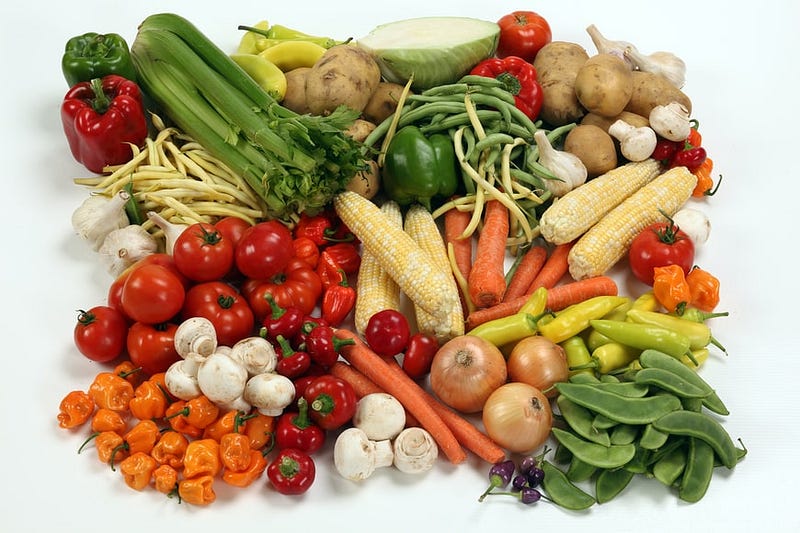
Numerous studies have shown the benefits of colorful vegetables for human longevity and a healthy lifespan. The healthful effects of these plants are doubled by the phytonutrients that paint the vegetables with different colors, tests, and flavors.
These omnipotent phytonutrient components in colorful plants strengthen the immune system not only of the plant but also of humans when added to a healthy and balanced diet. Plus, a study associates colorful plants with a potential low risk of cardiovascular diseases and several types of cancers.
Depending on the color, these vegetables possess various health values and vitamins. All of the colorful vegetables are rich supplies for Vitamin A, C, K also many antioxidants which contribute to your healthy aging process.
For example, by including a medium-sized beet a day into your diet pattern you will raise the intake of Betaine to maintain healthy blood cells, liver function, and cellular reproduction.
To enjoy the health benefits of the colorful vegetables, consider buying them from organic farmer markets, growing them in your garden, or even in a small indoor pot. Replace your sweet and heavy snacks between meals with sliced bell peppers, carrots, and cucumbers to help your feel full and enrich your body with necessary vitamins.
2 servings of low glycemic fruits
The glycemic index is developed to understand the number of carbohydrates in different types of foods for balancing blood sugar levels. This is a measure designed to prevent the onset or development of diabetes.
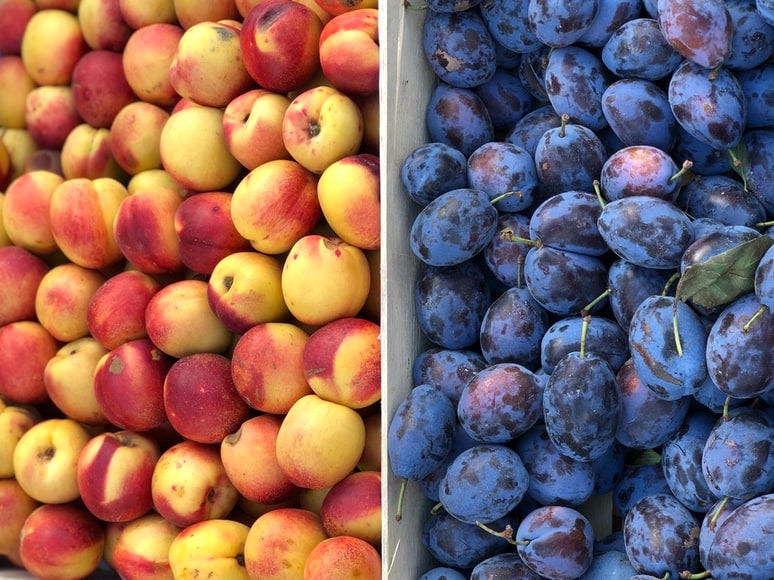
In order to defy the adverse effects of diabetes, researchers suggest eating several types of low glycemic fruits such as apples, bananas, pears, mangos, peaches, cherries, cantaloupes, strawberries, and plums.
Besides being low glycemic and diabetes preventive, these fruits are rich in vitamin C, vitamin A, Magnesium, Vitamin B1, B3, B6, and folate. And we already know that these vitamins and components help you with healthy aging and reduce the risk of many age-related diseases.
Consider adding them to your diet in the form of fruit salad, as a snack, or freshly squeezed juice.
Seeds and spices
During the aforementioned study, the participants have been advised a diet pattern containing sunflower and pumpkin seeds which are also rich supplies of folate, calcium, magnesium, and low fat.
A handful of these seeds provides you with the RDI of proteins for maintaining nourished skin and hair, creating healthy cells and muscles. Also, the folate and selenium amount in sunflower and pumpkin seeds is especially good for women planning to get pregnant.
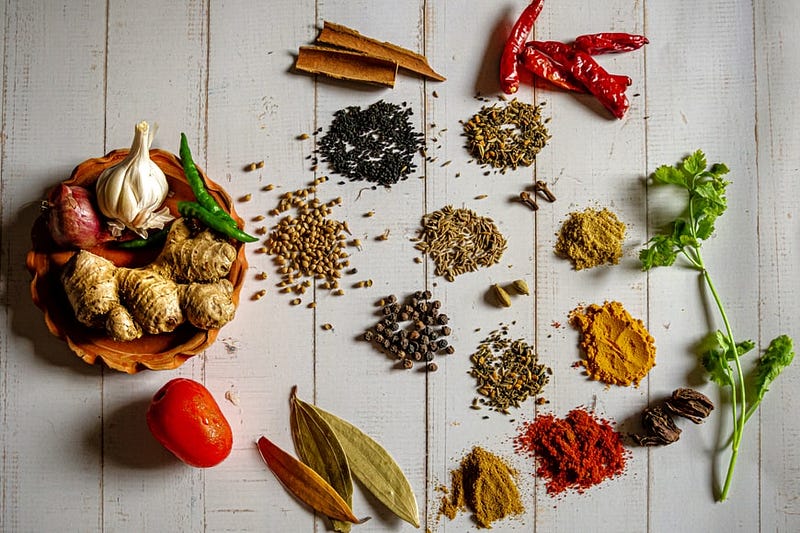
Moving on, we need to mention the strong antioxidative properties of spices. Different types of spices are recommended as a remedy for many chronic diseases and inflammatory conditions. As an example, curcumin from a spice plant turmeric is not only a strong antioxidant but also fights Alzheimer’s disease.
The preventive characteristics of various spices have been known from ancient times. And nowadays, scientists assert the effectiveness of spices for the prevention of respiratory diseases, many types of cancers, and heart diseases.
Sunflower and pumpkin seeds, different spices can be ideal dressings for your salads, cream soups, snacks adding flavors and wholesome benefits for your healthy aging and DNA protection.
In addition to these 7 types of foods, you can add to your balanced diet, 30 minutes of daily exercise can beneficially affect your lifespan and efforts to achieve enhanced longevity.
Also, consider getting 7–8 hours of uninterrupted sleep every night to better cope with daily possible stress and anxiety. For a sound sleep, you can practice breathing exercises before your usual bad time. Also, exclude caffeine intake 10 hours and any liquid intake 4 hours before sleep.


