avatarFaze

Free AI web copilot to create summaries, insights and extended knowledge, download it at here

5685

Abstract

lavery was a significant turning point in history.</p><p id="4b03">It demonstrated that people can unite and take a stand against oppression and cruelty, even if it means going against the status quo. The fight against inequality is ongoing, but the decision to abolish slavery set a precedent for future generations to build upon.</p><h1 id="3499">4- Turn Away Jewish Refugees — A Historical Perspective</h1><figure id="7bd5"><img src="https://cdn-images-1.readmedium.com/v2/resize:fit:800/0*eIoduVIeOV2yk_y3.jpg"><figcaption>Source: <a href="https://en.wikipedia.org/wiki/Emigration_of_Jews_from_Nazi_Germany_and_German-occupied_Europe#/media/File:A_JEWISH_BRIGADE_SOLDIER_&amp;_NURSES_OF_THE_JEWISH_AGENCY_TAKING_CARE_OF_JEWISH_REFUGEE_CHILDREN_IN_FLORENCE,_ITALY._%D7%A4%D7%99%D7%A8%D7%A0%D7%A6%D7%94,_%D7%90%D7%99%D7%98%D7%9C%D7%99%D7%94._%D7%91%D7%A6%D7%99%D7%9C%D7%95%D7%9D,_%D7%97%D7%99%D7%99%D7%9C_%D7%94%D7%91%D7%A8%D7%99%D7%92%D7%93%D7%94D817-007.jpg">Wikipedia</a></figcaption></figure><p id="41e8">During World War II, one of the most significant decisions that had far-reaching consequences was the decision of countries to turn away Jewish refugees seeking asylum.</p><p id="0427">In 1938, during the peak of Nazi persecution, the United States refused to allow the MS St. Louis, a ship carrying 937 Jewish refugees, to dock in America.</p><p id="fb9c">The ship was forced to return to Europe, where 254 passengers eventually died in concentration camps. This decision was not limited to the United States; other countries like Canada and Cuba also refused to offer sanctuary to these refugees.</p><p id="1905">The repercussions of this decision are still felt today, as it highlighted the global indifference toward the plight of Jews during the Holocaust.</p><p id="ff6c">The failure to provide sanctuary led to countless unnecessary deaths and exacerbated the horrors of the Holocaust.</p><p id="9903">The lack of empathy and the failure to act resulted in significant international criticism and condemnation and prompted a reckoning for the international community.</p><p id="37c2">This decision was a turning point in history, highlighting the need for empathy, compassion, and the importance of assisting those in need. The lessons learned from this tragedy are as relevant today as they were then.</p><h1 id="ffb5">3- The Berlin Wall — A Turning Point In History</h1><figure id="27ca"><img src="https://cdn-images-1.readmedium.com/v2/resize:fit:800/0*ZdFATznbKUOSdM-U.jpg"><figcaption>Source: <a href="https://upload.wikimedia.org/wikipedia/commons/5/5d/Berlinermauer.jpg">Wikipedia</a></figcaption></figure><p id="f95c">In 1961, the Soviet Union decided to build the Berlin Wall, separating East and West Germany. This decision was a pivotal moment in the Cold War and had far-reaching consequences for Germany and the world.</p><p id="5dd8">The wall was a physical representation of the Iron Curtain and symbolized the division of Europe. Families and friends were separated, and many East Germans lost their freedom and were forced to live in a totalitarian state.</p><p id="5f82">The wall was also a propaganda tool for the Soviet Union, who claimed that the wall was built to protect the East from the West. However, the real reason was to prevent the mass exodus of East Germans to the West.</p><p id="db37">The wall stood for 28 years until it was finally brought down in 1989. Its fall was a powerful symbol of the end of the Cold War and the reunification of Germany.</p><p id="8094">The decision to build the Berlin Wall had a profound impact on the world, reminding us of the importance of freedom and the dangers of division.</p><h1 id="ab5d">2- The Magna Carta — Imprinting</h1><figure id="5afa"><img src="https://cdn-images-1.readmedium.com/v2/resize:fit:800/0*CcK52cjYWRGCnmKN.jpg"><figcaption>Source: <a href="https://en.wikipedia.org/wiki/Magna_Carta#/media/File:Magna_Carta_(British_Library_Cotton_MS_Augustus_II.106).jpg">Wikipedia</a></figcaption></figure><p id="cd08">In 1215, King John of England signed the Magna Carta, a document that established certain rights for the English people and limited the power of the monarchy. This decision had a significant impact on the course of English and world history.</p><p id="44cf">At the time, King John had been abusing his power and extorting money from his subjects.</p><p id="40ad">In response, a group of powerful barons demanded that he agree to the terms of the Magna Carta, which included protections for individual liberties and property rights.</p><p id="2817">Although the document did not apply to all people in England, it marked a significant step towards greater accountability and fairness in government.</p><p id="2a26">The Magna Carta has had far-reaching consequences. Its principles influenced the American Constitution and Bill of Rights, as well as other important documents throughout history.</p><p id="f495">It also paved the way for the eventual establishment of a parliamentary system in England, which allowed for greater representation and checks on the power of the monarch.</p><p id="38be">The decision to sign the Magna Carta was not without controversy, and its impact was not immediately clear.</p><p id="0974">However, in the centuries since its signing, it has come to be recognized as one of the most important moments in the history of individual rights and constitutional law.</p><p id="aca6">By limiting the power of the monarchy and protecting the rights of individuals, the Magna Carta helped to lay the foundation for modern democracies and the rule of law.</p><h1 id="9a90">1- Archduke Franz Ferdinand — Assassination</h1><figure id="f3d3"><img src="htt

Options

ps://cdn-images-1.readmedium.com/v2/resize:fit:800/0*XrIPIe90DDvaC0rk.jpg"><figcaption>Source: <a href="https://en.wikipedia.org/wiki/Assassination_of_Archduke_Franz_Ferdinand#/media/File:DC-1914-27-d-Sarajevo-cropped.jpg">Wikipedia</a></figcaption></figure><p id="e019">On June 28, 1914, Archduke Franz Ferdinand, the heir to the Austro-Hungarian throne, was assassinated by Gavrilo Princip, a member of the Serbian nationalist group, Black Hand. This single act of violence set off a chain reaction of events that ultimately led to World War I.</p><p id="b486">Austria-Hungary declared war on Serbia, prompting a series of alliances and counter alliances to be invoked. Within weeks, the entire world was embroiled in what would become one of the deadliest conflicts in human history.</p><p id="2a73">The decision to assassinate Archduke Franz Ferdinand was not made in a vacuum. It was the culmination of years of political tension between Austria-Hungary and Serbia.</p><p id="2a30">Princip and his fellow conspirators saw the Archduke’s visit to Sarajevo as an opportunity to strike a blow against their oppressors. Their actions were meant to send a message to Austria-Hungary, but they never could have anticipated the scale of the response.</p><p id="5b54">The aftermath of the assassination demonstrated the interconnectedness of the world at the time. Each decision made by one country had a ripple effect on the others.</p><p id="6953">Austria-Hungary’s declaration of war on Serbia drew Germany and Russia into the conflict. Britain, in turn, declared war on Germany, beginning the war on the Western Front.</p><p id="ecca">The United States, initially neutral, eventually entered the war in 1917, turning the tide in favor of the Allies. The assassination of Archduke Franz Ferdinand was a pivotal moment in world history, one that forever changed the course of events.</p><p id="ca55">It showed the power of a single decision to shape the course of nations and alter the course of history. It also serves as a cautionary tale, a reminder that every decision has consequences, and those consequences can be far-reaching and unpredictable.</p><h1 id="8429">Points To Ponder</h1><p id="ba8e">Looking back at these pivotal moments in history, it’s clear that the power of one decision cannot be underestimated.</p><p id="a908">Whether it was a decision made by a world leader, a group of individuals, or even just one person, the ripple effect of that decision was felt across time and space.</p><p id="79b1">The consequences, both good and bad, were far-reaching and long-lasting, reminding us that the choices we make today can have a lasting impact on tomorrow.</p><p id="554d">As we move forward, it’s important to remember that we have the power to make a difference, to choose wisely, and to shape the course of history.</p><p id="affa">We may never know what impact our decisions will have, but we can be certain that they will matter. So let’s make them count.</p><h1 id="2dc5">Join Medium Today</h1><div id="2bd6" class="link-block"> <a href="https://medium.com/@faze17/membership"> <div> <div> <h2>Join Medium with my referral link — Faze</h2> <div><h3>Read every story from Faze (and thousands of other writers on Medium). Your membership fee directly supports Faze and…</h3></div> <div><p>medium.com</p></div> </div> <div> <div style="background-image: url(https://miro.readmedium.com/v2/resize:fit:320/0*KfGf3apTSh4FONfo)"></div> </div> </div> </a> </div><p id="f179">More from the author:</p><div id="c302" class="link-block"> <a href="https://readmedium.com/7-events-that-reshaped-the-destiny-of-mankind-7d73de5570b2"> <div> <div> <h2>7 Events That Reshaped The Destiny Of Mankind</h2> <div><h3>Historic Game-Changers — Events that redefined human history.</h3></div> <div><p>medium.com</p></div> </div> <div> <div style="background-image: url(https://miro.readmedium.com/v2/resize:fit:320/0*5Odw2PJkFH0xL-Pj.jpg)"></div> </div> </div> </a> </div><div id="b2a2" class="link-block"> <a href="https://readmedium.com/7-most-horrible-executions-in-history-that-will-make-your-skin-crawl-5a6c6713ac7b"> <div> <div> <h2>7 Most Horrible Executions In History That Will Make Your Skin Crawl</h2> <div><h3>Gruesome executions that will make you shudder.</h3></div> <div><p>medium.com</p></div> </div> <div> <div style="background-image: url(https://miro.readmedium.com/v2/resize:fit:320/1*-9kCSHWsmkgpUzC08ldGew.png)"></div> </div> </div> </a> </div><div id="49a8" class="link-block"> <a href="https://readmedium.com/7-unusual-secret-rooms-that-youll-want-to-visit-in-your-lifetime-1833e098caab"> <div> <div> <h2>7 Unusual Secret Rooms That You’ll Want To Visit In Your Lifetime</h2> <div><h3>Secret rooms in the World’s most historic palaces — It’s all about stealth.</h3></div> <div><p>medium.com</p></div> </div> <div> <div style="background-image: url(https://miro.readmedium.com/v2/resize:fit:320/1*oHGdCeyxXdF2BCJG0xlNXw.png)"></div> </div> </div> </a> </div></article></body>

7 Times A Single Decision Changed History — The Power Of One

Small choices, big consequences — Examining historical pivotal moments.
Source: Wikipedia

Throughout history, there have been many pivotal moments where a single decision had far-reaching consequences. These decisions, whether good or bad, have changed the course of history forever.

From the decision to drop the atomic bomb to the decision to invade Iraq, these decisions have had profound impacts on our world. In this article, we will explore seven times a single decision changed the course of history.

We will examine the power of one and how a single decision can have drastic and sometimes catastrophic results.

7- The Decision To Drop The Atomic Bomb — From Zero To Hero
Source: Wikipedia

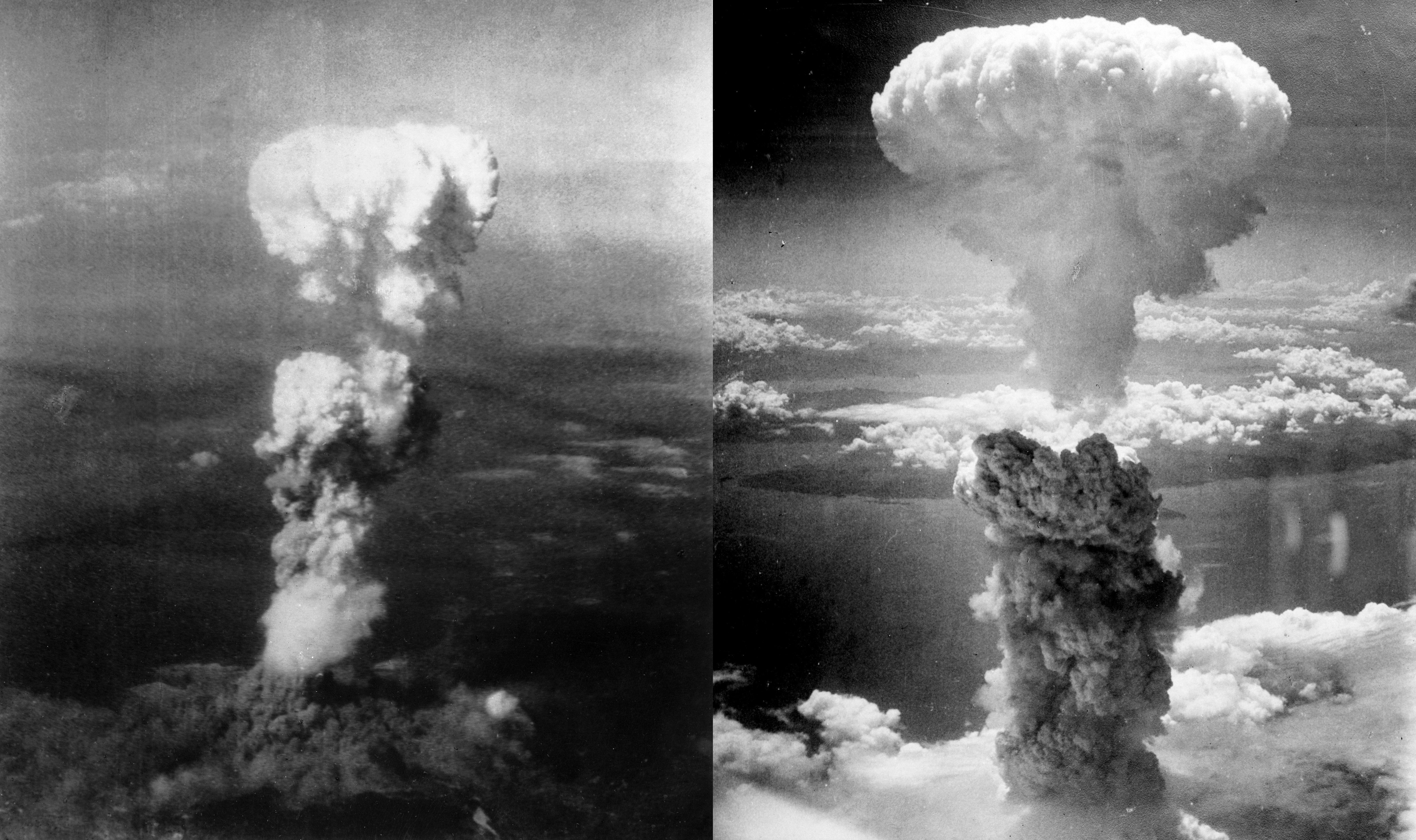
One of the most controversial decisions in history was the choice to drop atomic bombs on Hiroshima and Nagasaki during World War II. President Harry S. Truman decided after the failure of the Potsdam Conference, that negotiations with Japan failed.

With a sense of urgency, Truman opted for a nuclear attack. The devastation caused by the bombs was immense, killing over 100,000 people instantly and injuring many more. The decision brought a swift end to the war, but at what cost?

The aftermath of the bombing led to an international debate on the morality of using atomic bombs, with critics arguing that it was a war crime. Many also questioned the long-term effects of radiation exposure on survivors.

The decision to drop the atomic bombs forever changed the nature of warfare and the geopolitical landscape.

It led to the arms race between the United States and the Soviet Union during the Cold War, where nuclear weapons became the ultimate deterrent.

The impact of this decision still echoes in the world today, with nations continually seeking to control the power of atomic energy.

6- Invading Iraq — The Decision That Changed The Middle East
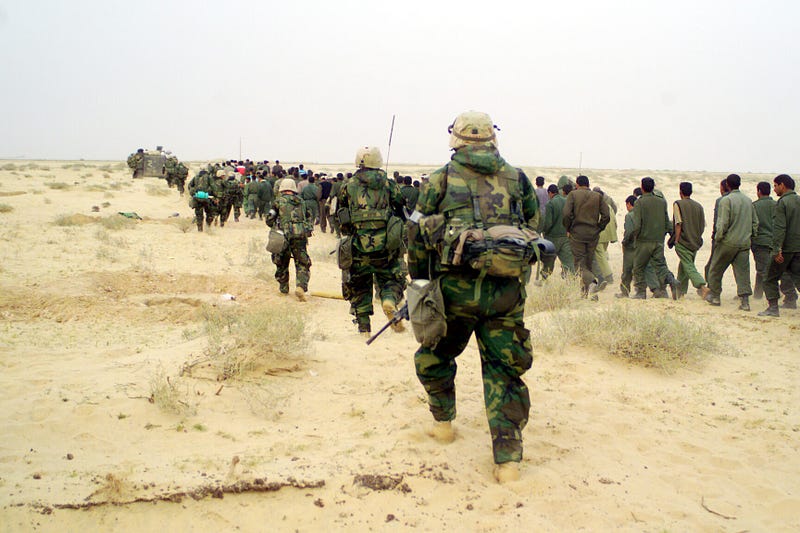
Source: Wikipedia

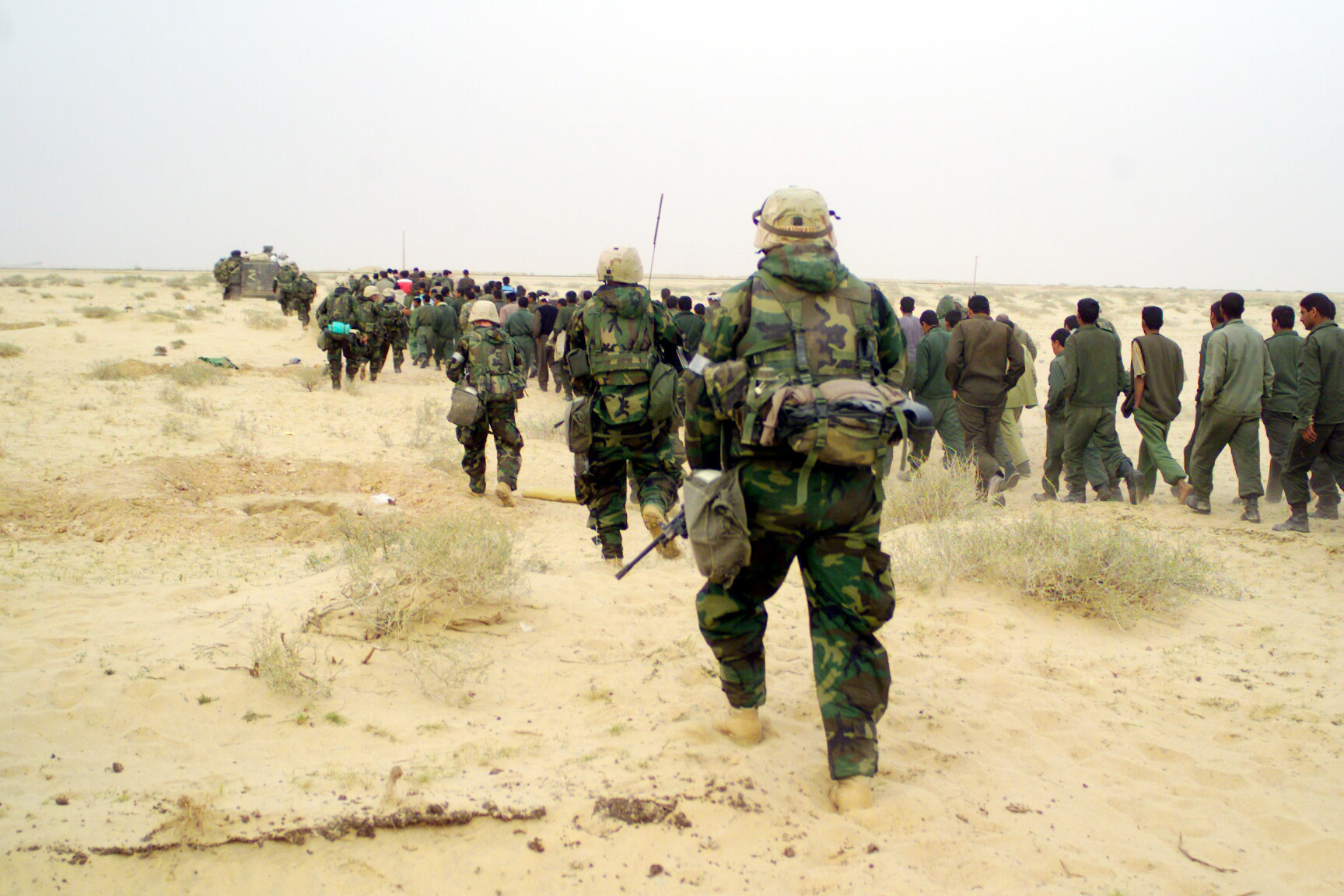
In 2003, President George W. Bush made the controversial decision to invade Iraq, citing Saddam Hussein’s possession of weapons of mass destruction and alleged connections to Al-Qaeda as reasons for the invasion.

The decision had far-reaching consequences, leading to the deaths of over 4,400 American soldiers and an estimated 460,000 Iraqis, as well as contributing to the destabilization of the region and the rise of extremist groups like ISIS.

Despite initial support from the international community, the decision to invade Iraq quickly became mired in controversy and criticism.

Many argued that the intelligence used to justify the invasion was flawed and that the US had overstepped its bounds in launching an unprovoked attack on a sovereign nation.

In hindsight, the decision to invade Iraq is widely seen as a significant mistake that had serious consequences for both the US and Iraq.

While some argue that the invasion helped bring about a measure of stability to the region, the overall cost of human lives and resources was high, and the long-term ramifications of the invasion continue to be felt to this day.

5- Abolishment Of Slavery — A Catalyst For Change
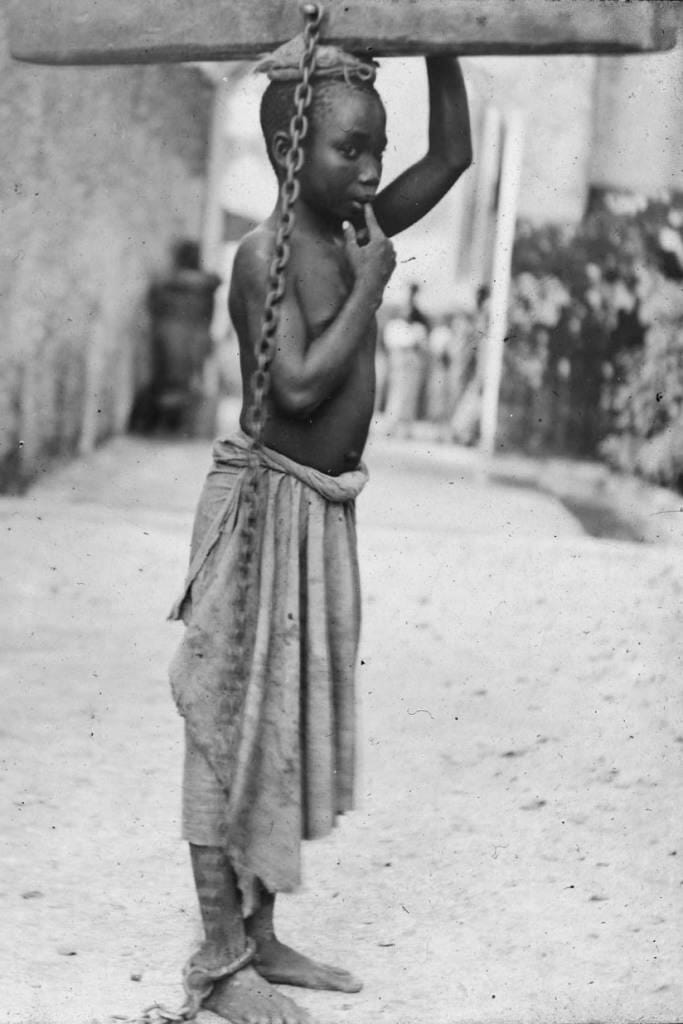
Source: Wikipedia

One of the most significant decisions in history was the choice to abolish slavery. For centuries, slavery was considered a fundamental part of the global economy, but as time passed, people began to question its morality.

In the early 19th century, abolitionists campaigned for the eradication of slavery, but it wasn’t until the Emancipation Proclamation in 1863 that it was formally abolished in the United States.

This decision had far-reaching consequences beyond America’s borders, as it inspired other countries to take similar action.

The decision to abolish slavery not only put an end to a barbaric practice but also set the stage for the fight against racism and prejudice that continues to this day.

However, the decision did not come without a cost. The slave trade was a significant source of wealth for many nations and slave owners.

Many argued that abolishing slavery would result in a loss of revenue and ultimately damage their economy. Despite these objections, the decision was made, and it paved the way for a new era of human rights and equality.

In conclusion, the decision to abolish slavery was a significant turning point in history.

It demonstrated that people can unite and take a stand against oppression and cruelty, even if it means going against the status quo. The fight against inequality is ongoing, but the decision to abolish slavery set a precedent for future generations to build upon.

4- Turn Away Jewish Refugees — A Historical Perspective
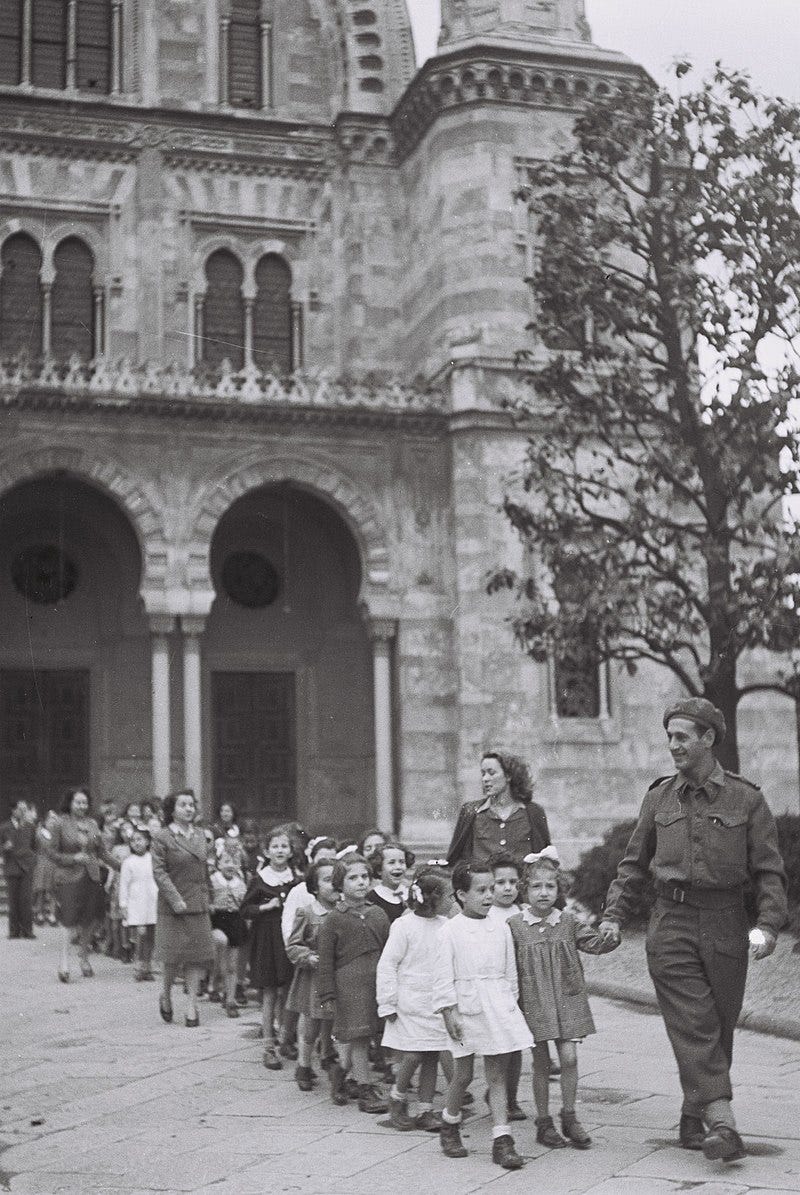
Source: Wikipedia

During World War II, one of the most significant decisions that had far-reaching consequences was the decision of countries to turn away Jewish refugees seeking asylum.

In 1938, during the peak of Nazi persecution, the United States refused to allow the MS St. Louis, a ship carrying 937 Jewish refugees, to dock in America.

The ship was forced to return to Europe, where 254 passengers eventually died in concentration camps. This decision was not limited to the United States; other countries like Canada and Cuba also refused to offer sanctuary to these refugees.

The repercussions of this decision are still felt today, as it highlighted the global indifference toward the plight of Jews during the Holocaust.

The failure to provide sanctuary led to countless unnecessary deaths and exacerbated the horrors of the Holocaust.

The lack of empathy and the failure to act resulted in significant international criticism and condemnation and prompted a reckoning for the international community.

This decision was a turning point in history, highlighting the need for empathy, compassion, and the importance of assisting those in need. The lessons learned from this tragedy are as relevant today as they were then.

3- The Berlin Wall — A Turning Point In History
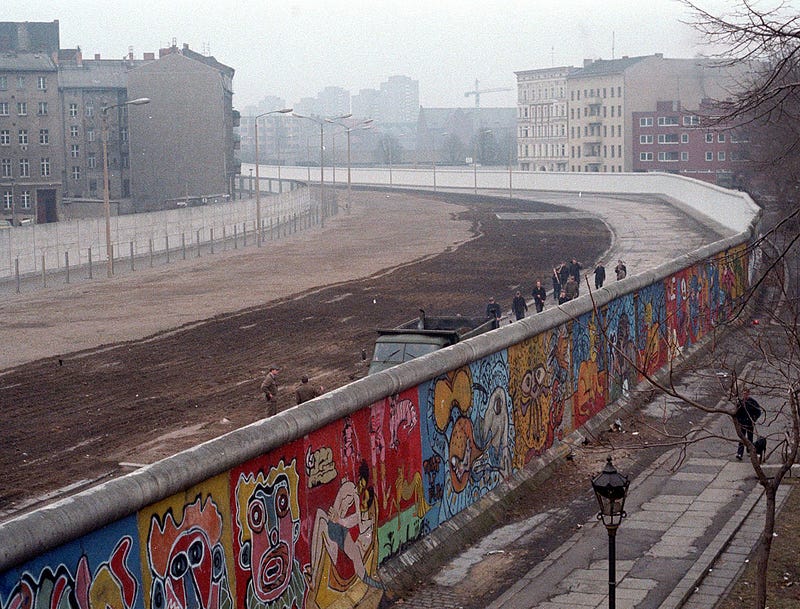
Source: Wikipedia

In 1961, the Soviet Union decided to build the Berlin Wall, separating East and West Germany. This decision was a pivotal moment in the Cold War and had far-reaching consequences for Germany and the world.

The wall was a physical representation of the Iron Curtain and symbolized the division of Europe. Families and friends were separated, and many East Germans lost their freedom and were forced to live in a totalitarian state.

The wall was also a propaganda tool for the Soviet Union, who claimed that the wall was built to protect the East from the West. However, the real reason was to prevent the mass exodus of East Germans to the West.

The wall stood for 28 years until it was finally brought down in 1989. Its fall was a powerful symbol of the end of the Cold War and the reunification of Germany.

The decision to build the Berlin Wall had a profound impact on the world, reminding us of the importance of freedom and the dangers of division.

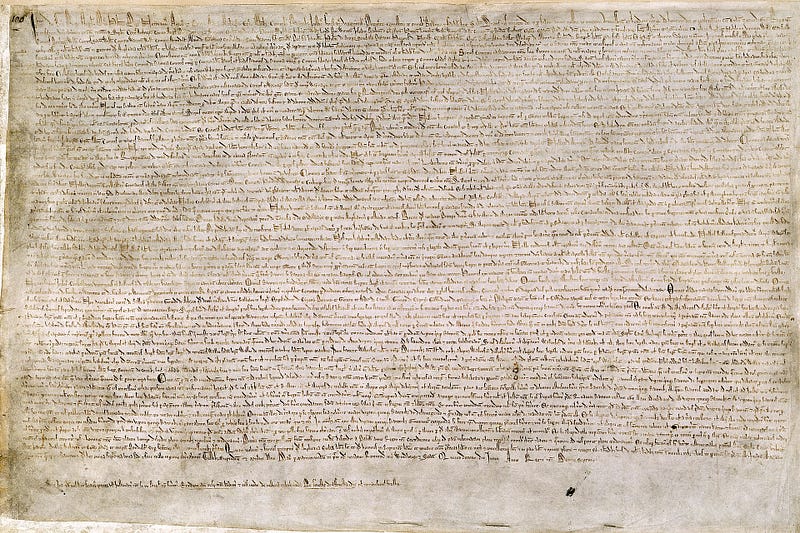
2- The Magna Carta — Imprinting
Source: Wikipedia

In 1215, King John of England signed the Magna Carta, a document that established certain rights for the English people and limited the power of the monarchy. This decision had a significant impact on the course of English and world history.

At the time, King John had been abusing his power and extorting money from his subjects.

In response, a group of powerful barons demanded that he agree to the terms of the Magna Carta, which included protections for individual liberties and property rights.

Although the document did not apply to all people in England, it marked a significant step towards greater accountability and fairness in government.

The Magna Carta has had far-reaching consequences. Its principles influenced the American Constitution and Bill of Rights, as well as other important documents throughout history.

It also paved the way for the eventual establishment of a parliamentary system in England, which allowed for greater representation and checks on the power of the monarch.

The decision to sign the Magna Carta was not without controversy, and its impact was not immediately clear.

However, in the centuries since its signing, it has come to be recognized as one of the most important moments in the history of individual rights and constitutional law.

By limiting the power of the monarchy and protecting the rights of individuals, the Magna Carta helped to lay the foundation for modern democracies and the rule of law.

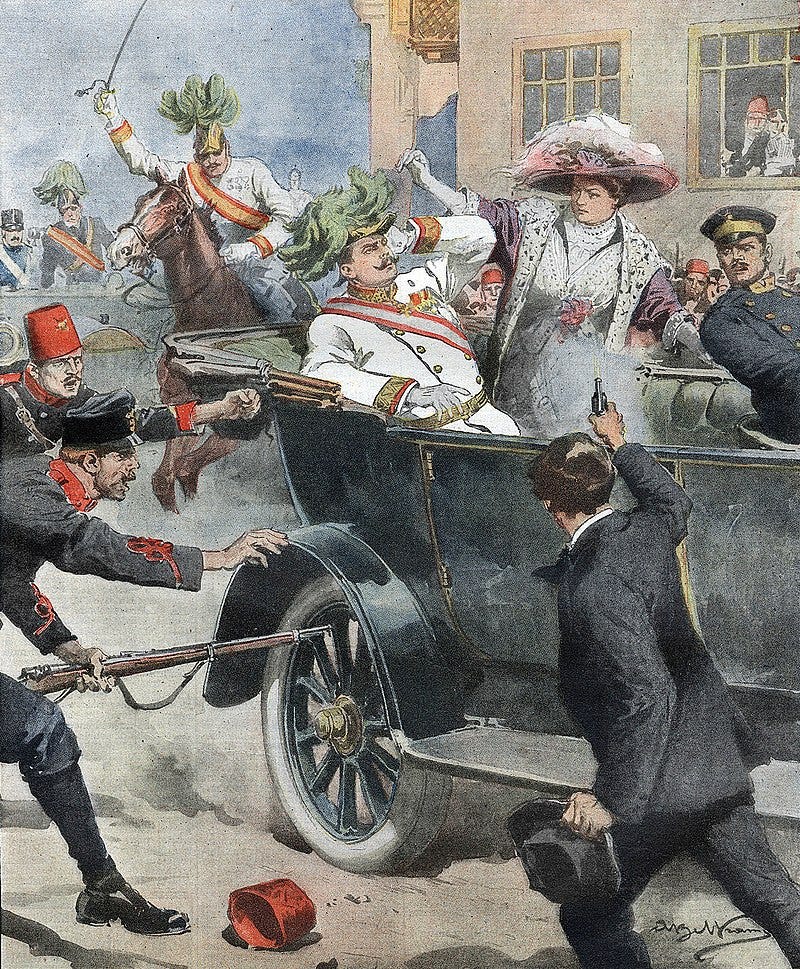
1- Archduke Franz Ferdinand — Assassination
Source: Wikipedia

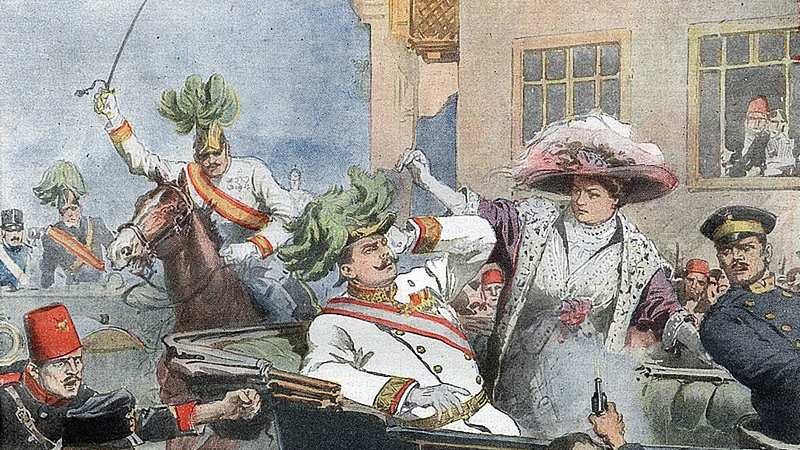
On June 28, 1914, Archduke Franz Ferdinand, the heir to the Austro-Hungarian throne, was assassinated by Gavrilo Princip, a member of the Serbian nationalist group, Black Hand. This single act of violence set off a chain reaction of events that ultimately led to World War I.

Austria-Hungary declared war on Serbia, prompting a series of alliances and counter alliances to be invoked. Within weeks, the entire world was embroiled in what would become one of the deadliest conflicts in human history.

The decision to assassinate Archduke Franz Ferdinand was not made in a vacuum. It was the culmination of years of political tension between Austria-Hungary and Serbia.

Princip and his fellow conspirators saw the Archduke’s visit to Sarajevo as an opportunity to strike a blow against their oppressors. Their actions were meant to send a message to Austria-Hungary, but they never could have anticipated the scale of the response.

The aftermath of the assassination demonstrated the interconnectedness of the world at the time. Each decision made by one country had a ripple effect on the others.

Austria-Hungary’s declaration of war on Serbia drew Germany and Russia into the conflict. Britain, in turn, declared war on Germany, beginning the war on the Western Front.

The United States, initially neutral, eventually entered the war in 1917, turning the tide in favor of the Allies. The assassination of Archduke Franz Ferdinand was a pivotal moment in world history, one that forever changed the course of events.

It showed the power of a single decision to shape the course of nations and alter the course of history. It also serves as a cautionary tale, a reminder that every decision has consequences, and those consequences can be far-reaching and unpredictable.

Points To Ponder

Looking back at these pivotal moments in history, it’s clear that the power of one decision cannot be underestimated.

Whether it was a decision made by a world leader, a group of individuals, or even just one person, the ripple effect of that decision was felt across time and space.

The consequences, both good and bad, were far-reaching and long-lasting, reminding us that the choices we make today can have a lasting impact on tomorrow.

As we move forward, it’s important to remember that we have the power to make a difference, to choose wisely, and to shape the course of history.

We may never know what impact our decisions will have, but we can be certain that they will matter. So let’s make them count.

Join Medium Today

More from the author:

History
Culture
Life
Education
Entertainment
Recommended from ReadMedium