
7 Strange Artifacts That Rewrote Our Understanding Of History
Puzzling artifacts that shook the archaeological World.
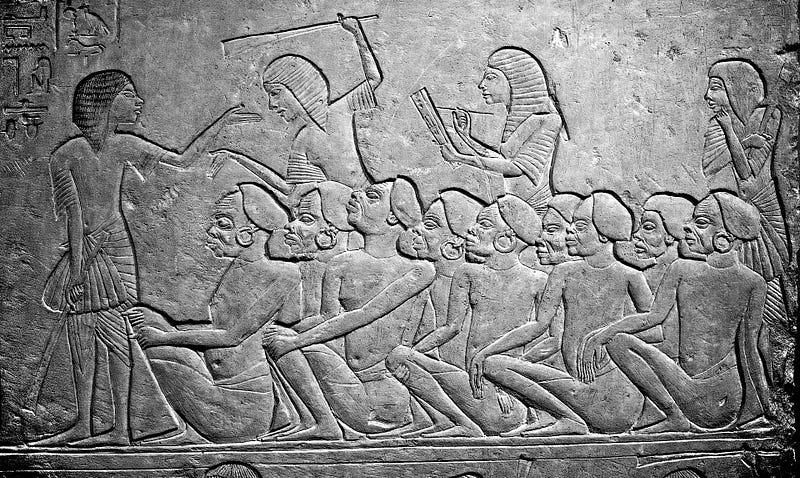

The past can be an incredibly mysterious and enigmatic place. Throughout history, archaeological discoveries have provided us with a better understanding of our ancestors and the cultures they lived in.
But every once in a while, archaeologists stumble upon something that completely rewrites the history books.
Here are 7 strange artifacts that completely upended conventional views of ancient cultures.
7- A 1,000-Year-Old Medicine Pouch —The Hallucinogenic Tea Ayahuasca
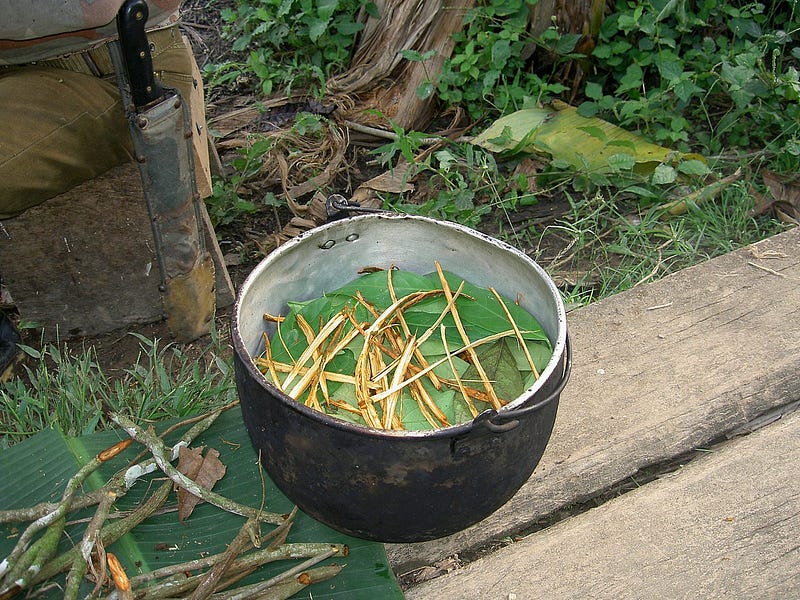

In 2010, archaeologists uncovered a 1,000-year-old medicine pouch in Bolivia that contained the earliest known recipe for ayahuasca.
This tea, made from the Banisteriopsis caapi vine and the leaves of the Psychotria Viridis plant, has long been used by indigenous tribes in the Amazon for healing and spiritual purposes.
The pouch, which was found in a cave near the city of La Paz, contained traces of ayahuasca ingredients and was decorated with symbols that represent shamanic visions.
This discovery helped to confirm the indigenous use of ayahuasca for centuries before it was discovered by outsiders.
The recipe found in the pouch includes the specific amounts of each plant necessary to make the tea, as well as instructions for brewing and consuming it.
The Banisteriopsis caapi vine contains compounds that activate the psychoactive properties of the Psychotria viridis leaves, leading to powerful hallucinations that are often used for spiritual or therapeutic purposes.
This ancient medicine pouch offers a fascinating glimpse into the spiritual practices of the people who lived in the region centuries ago and sheds new light on the long history of ayahuasca use in South America.
6- Burial Plots — Pyramids Were Not Built By Slaves
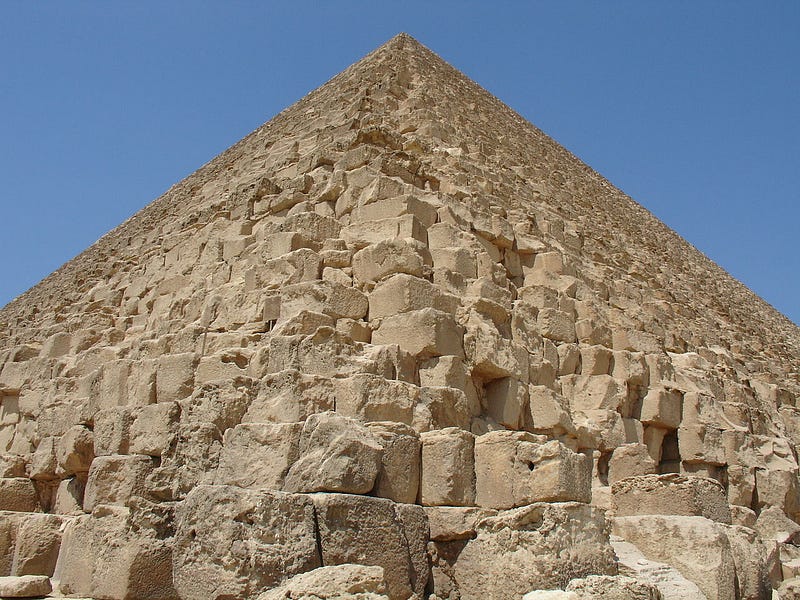

Contrary to popular belief, new evidence suggests that the Pyramids of Giza were not built by slaves. In 2010, archaeologists discovered a nearby cemetery containing the remains of workers who had helped construct the pyramids.
What was surprising was that these workers were not slaves, but rather, skilled laborers who had been given honorable burials.
The remains also showed that they were well-fed and had access to medical care. This indicates that they were not forced laborers, but rather, people who were highly respected and treated well.
This finding upends the traditional view of ancient Egyptian society as one that relied heavily on slave labor.
Instead, it suggests that the pyramids were constructed by a skilled and dedicated workforce who took pride in their work. This discovery has sparked new debates and discussions about the true nature of ancient Egyptian society and culture.
5- The Ancient Greeks — The Earliest Analog Computer
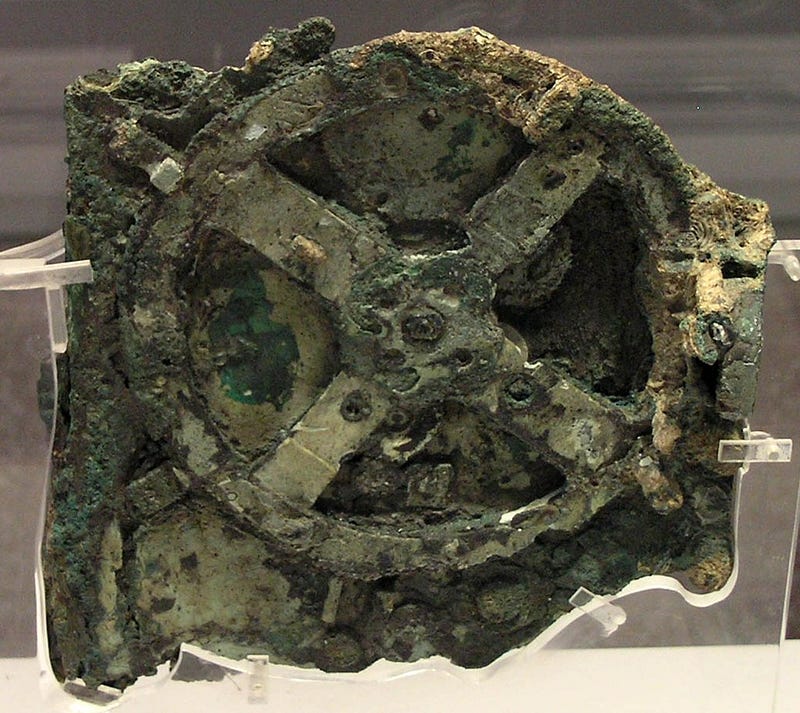

The ancient Greeks were known for their immense contributions to the field of science and technology. However, few would have expected them to have invented the earliest analog computer.
Discovered in a shipwreck off the coast of Greece in 1901, the Antikythera mechanism is a complex device that is believed to have been built around 150–100 BCE.
Consisting of a series of bronze gears and dials, the mechanism was initially thought to have been a navigational tool.
However, closer inspection revealed that it was a complex astronomical calendar capable of predicting the movements of the sun, moon, and planets.
This discovery proved that the Greeks were much more advanced than previously thought and that their understanding of astronomy and mathematics was unparalleled in their time.
Today, the Antikythera mechanism is considered a remarkable feat of ancient engineering and a testament to the ingenuity of the ancient Greeks.
4- Incan Mummies — Children Drugged And Sacrificed
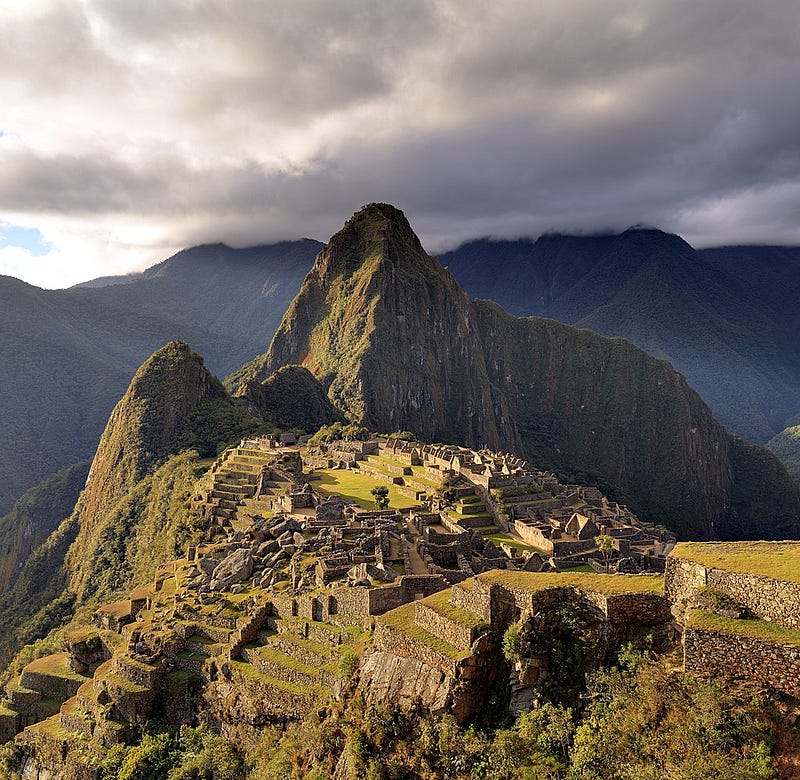

In 1999, an expedition to the Andes discovered the remains of three Incan mummies. Upon examination, it was revealed that the children were drugged and sacrificed.
Carbon dating revealed that the children were between 4 and 7 years old, and the mummification process was likely done intentionally to preserve their bodies for the afterlife.
The findings challenged previous beliefs that the Inca Empire only performed adult human sacrifices. This discovery revealed that children were also sacrificed to appease their gods and bring good harvests.
Additionally, the presence of drugs in their system indicated that the children were not willing participants and were likely given hallucinogens to keep them calm during the sacrificial ritual.
The discovery of the Incan mummies sheds light on the brutal sacrifices of the Incan Empire and offers insights into their religious practices.
It also reminds us that history is not always as we know it and that there is always more to learn about the past.
3- A Cave Full Of Skeletons — Early Humans Buried Their Dead
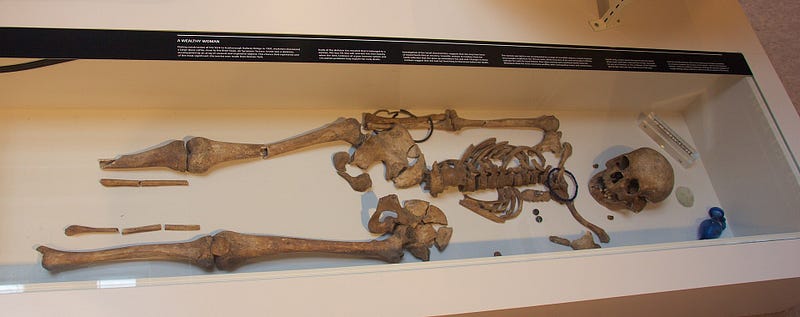

One of the most fascinating archaeological finds that has redefined our understanding of history is the discovery of a cave full of skeletons in the Levant. This finding suggests that early humans practiced burial rituals as far back as 100,000 years ago.
The cave was discovered in 2008, and its significance lies in the fact that it is one of the oldest known examples of deliberate burial.
The cave contains the remains of at least 28 individuals, some of which have been intentionally buried in shallow graves. This discovery challenges the idea that early humans simply left their dead out in the open for scavengers to eat.
What’s even more remarkable is that the burials show signs of care and respect. The individuals were laid on their sides, and some were covered with red ochre, a pigment often associated with burial rites.
The cave also contained stone tools and other artifacts, which suggests that the individuals were members of a culture that valued symbolic behavior and possibly even religion.
This finding has fundamentally altered our understanding of early human behavior and has given us new insights into the origins of human culture.
It suggests that humans have been engaging in complex and sophisticated behaviors for far longer than previously believed.
It also shows that our ancestors had a reverence for the dead and recognized the importance of caring for their departed loved ones. This is just one example of how archaeology continues to challenge and reshape our understanding of the past.
2- Cat Remains — Animals Became Domesticated


Ancient cat remains discovered in Cyprus shed light on how the animals became domesticated.
DNA analysis revealed that the cats found in the ancient city of Khirokitia were similar to modern-day domesticated cats, suggesting that they were tamed as early as 7500 BC.
The discovery challenged the belief that cats were domesticated by ancient Egyptians around 4000 BC.
Instead, it showed that cats were likely domesticated independently in multiple regions of the world, including the Near East and Egypt.
It is believed that the cats were originally attracted to human settlements because of the rodents and other small animals that lived there.
Over time, humans may have started feeding the cats, leading to a closer relationship between the two species. The cats may have also protected by hunting pests and predators.
This discovery highlights the complex relationship between humans and animals throughout history.
It shows that the domestication of cats was a gradual process that likely occurred in different ways and at different times in different regions of the world.
1- Ancient African Coins — Discovery Of Australia


One of the most enduring myths about Australian history is that Captain James Cook was the first to discover the continent in 1770.
However, recent archaeological finds suggest that the Aborigines had been living there for thousands of years before Cook arrived.
One discovery in particular points to the possibility that there were even earlier visitors to the continent.
In 1944, an Australian soldier discovered several ancient coins on a beach in Northern Australia. These coins were identified as being of African origin, specifically from the East African city of Kilwa.
The coins are believed to have been minted between the 10th and 14th centuries, which makes them centuries older than any European explorer who reached Australia.
There are many theories about how these coins came to be in Australia, including the possibility that African traders or even shipwrecked sailors had made contact with the Indigenous population.
While the discovery of these coins has not conclusively proven that Cook was not the first to discover Australia, it has certainly raised many questions and challenged the Eurocentric view of history that has been accepted.
What is clear is that the history of Australia is far more complex and fascinating than previously thought and that there is still much to discover about the early peoples and cultures of this remarkable continent.
Points To Ponder
These seven archaeological finds offer a fascinating insight into the past, challenging long-held beliefs about history.
From ancient medicine to computer technology, and human sacrifice to domesticated cats, each discovery sheds light on how our ancestors lived and interacted with the world around them.
It’s clear that there’s still much to learn about our past, and these discoveries demonstrate how vital it is to keep exploring and questioning what we know.
By continuing to uncover and analyze the artifacts left behind by those who came before us, we can rewrite our understanding of history and gain a richer, more nuanced perspective on the complex story of human civilization.
Join Medium Today
More from the author: