avatarAmna Fayyaz

Free AI web copilot to create summaries, insights and extended knowledge, download it at here

3581

Abstract

ive preoccupation with staying connected to their mobile devices. It can also contribute to sleep disturbances or a sense of isolation.</p><p id="65e0">Treating nomophobia often involves a combination of psychological interventions, such as cognitive-behavioral therapy (CBT), which helps individuals challenge irrational thoughts and develop healthier behaviors around mobile phone use. Additionally, establishing healthy boundaries, practicing mindfulness, and gradually reducing phone dependency can help manage nomophobia.</p><h1 id="e1f5">Ablutophobia</h1><figure id="130d"><img src="https://cdn-images-1.readmedium.com/v2/resize:fit:800/0*OxZBnhzDTqoEQCVE"><figcaption>Photo by <a href="https://unsplash.com/@fran_?utm_source=medium&amp;utm_medium=referral">Fran Jacquier</a> on <a href="https://unsplash.com?utm_source=medium&amp;utm_medium=referral">Unsplash</a></figcaption></figure><p id="80f1">Ablutophobia is an anxiety disorder characterized by an intense and irrational fear or aversion to bathing, washing, or cleaning oneself. The term “ablutophobia” is derived from the Latin word “blue,” which means “to wash off.</p><p id="d207">People with ablutophobia may avoid or resist bathing or washing themselves, often due to the fear of water, cleanliness, or specific aspects of the bathing process.</p><p id="4bcd">Treatment for ablutophobia typically involves a combination of therapy and gradual exposure techniques. Cognitive-behavioral therapy can help one’s identify and challenge the irrational thoughts and beliefs underlying their fear.</p><h1 id="3fe1">Papyrophobia</h1><figure id="c66a"><img src="https://cdn-images-1.readmedium.com/v2/resize:fit:800/0*Ul8VASDB-jMY__QH"><figcaption>Photo by <a href="https://unsplash.com/@corinnekutz?utm_source=medium&amp;utm_medium=referral">Corinne Kutz</a> on <a href="https://unsplash.com?utm_source=medium&amp;utm_medium=referral">Unsplash</a></figcaption></figure><p id="f3bc">Papyrophobia is a specific phobia characterized by an intense and irrational fear or aversion towards paper. The term “papyrophobia” is derived from the Greek words “papyri,” meaning “paper,” and “phobia,” meaning “fear.” Individuals with papyrophobia may experience extreme anxiety, distress, or panic when exposed to paper or situations where paper is present.</p><p id="84a1">Treatment for papyrophobia typically involves therapy, such as cognitive-behavioral therapy (CBT). CBT helps individuals identify and challenge irrational thoughts and beliefs related to paper, gradually exposing them to paper in a controlled and supportive manner. This exposure therapy aims to desensitize individuals to their fear and reduce anxiety responses over time.</p><h1 id="307b">Turophobia</h1><figure id="5308"><img src="https://cdn-images-1.readmedium.com/v2/resize:fit:800/0*Q1DXzEK0gEfFgPc9"><figcaption>Photo by <a href="https://unsplash.com/@usmanyousaf?utm_source=medium&amp;utm_medium=referral">Usman Yousaf</a> on <a href="https://unsplash.com?utm_source=medium&amp;utm_medium=referral">Unsplash</a></figcaption></figure><p id="2c2a">Turophobia is a specific phobia characterized by an intense and irrational fear or aversion towards cheese. The term “theophobia” is derived from the Greek word “tyros,” meaning “cheese,” and “phobia,” meaning “fear.” Individuals with theophobia may experience significant anxiety, discomfort, or even panic when in the presence of cheese or situations involving cheese.</p><p id="1be2">Treatment for theophobia typically involves therapy, such as cognitive-behavioral therapy (CBT). CBT helps individuals

Options

identify and challenge irrational thoughts and beliefs related to cheese, gradually exposing them to cheese in a controlled and supportive environment. This exposure therapy aims to desensitize individuals to their fear and reduce anxiety responses over time.</p><h1 id="8ba8">Xanthophobia</h1><figure id="64ca"><img src="https://cdn-images-1.readmedium.com/v2/resize:fit:800/0*M3gNJstYoVILLXFk"><figcaption>Photo by <a href="https://unsplash.com/@gasparuhas?utm_source=medium&amp;utm_medium=referral">Gaspar Uhas</a> on <a href="https://unsplash.com?utm_source=medium&amp;utm_medium=referral">Unsplash</a></figcaption></figure><p id="2941">Xanthophobia is a specific phobia characterized by an intense and irrational fear or aversion towards the color yellow. The term “xenophobia” is take from the Greek word “Xanthos,” which means “yellow,” and “phobia,” which means “fear.” Individuals with xenophobia may experience significant anxiety, discomfort, or even panic when exposed to yellow or situations involving the color.</p><p id="7295">Xanthophobia can significantly impact an individual’s daily life and functioning. It may lead to avoidance behaviors, such as avoiding places or objects associated with the color yellow. This fear can also limit personal choices regarding clothing, interior design, or engagement with yellow-colored items.</p><p id="5cfb"><a href="https://medium.com/@amnafayyaz747"><b>Please follow </b></a><b>me <a href="https://medium.com/subscribe/@amnafayyaz747">subscribe </a>to my profile for inspiring and entertaining stories and visit my <a href="https://medium.com/@amnafayyaz747/membership">referral link to</a> get full stories</b></p><div id="b4d0" class="link-block"> <a href="https://readmedium.com/how-to-grow-your-followers-on-medium-eccb8cbb1856"> <div> <div> <h2>How To Grow Your Followers On Medium</h2> <div><h3>Steps that helped me through the growing process</h3></div> <div><p>medium.com</p></div> </div> <div> <div style="background-image: url(https://miro.readmedium.com/v2/resize:fit:320/1*UMuebFp2wUFDjETzsCmt-A.jpeg)"></div> </div> </div> </a> </div><div id="eeb6" class="link-block"> <a href="https://readmedium.com/is-the-one-who-is-in-a-relationship-more-successful-than-a-single-c6775d7348e8"> <div> <div> <h2>Is The One Who Is In a Relationship More Successful Than a Single?</h2> <div><h3>The Complex Relationship Between Singles and Success</h3></div> <div><p>medium.com</p></div> </div> <div> <div style="background-image: url(https://miro.readmedium.com/v2/resize:fit:320/0*BYNX-WUY9uL_-YEm)"></div> </div> </div> </a> </div><div id="c829" class="link-block"> <a href="https://readmedium.com/why-people-get-jealous-of-your-achievement-and-how-to-identify-them-96918f3806b2"> <div> <div> <h2>Why People Get Jealous Of Your Achievement And How To Identify Them</h2> <div><h3>Be aware of fake people.</h3></div> <div><p>medium.com</p></div> </div> <div> <div style="background-image: url(https://miro.readmedium.com/v2/resize:fit:320/0*n1fAcD3F8t90xIAu)"></div> </div> </div> </a> </div></article></body>

7 Strange and Unusual Phobias You’ve Probably Never Heard Of

What’s your Fear?

Photo by Aarón Blanco Tejedor on Unsplash

Phobias are irrational and often overwhelming fears affecting millions of people worldwide. While most of us are familiar with common phobias like arachnophobia (fear of spiders) or acrophobia (fear of heights), numerous unusual and lesser-known phobias are equally intriguing.

Arachibutyrophobia

Arachibutyrophobia is a specific phobia characterized by the fear of peanut butter sticking in mouth. The name of this phobia is derived from three components: peanuts, butter, and “phobia,” which represents an irrational fear or aversion.

Individuals with arachibutyrophobia may experience intense anxiety, distress, or even panic when eating peanut butter due to the fear of it adhering to the roof of their mouth and causing discomfort or choking. This fear can disrupt their eating habits and may lead to avoiding peanut butter or related foods altogether.

Pogonophobia

Photo by Fernando @cferdophotography on Unsplash

Pogonophobia is a specific phobia characterized by the irrational and persistent fear or aversion to beards. The term “pogonophobia” is originated from the Greek words “login,” meaning “beard,” and “Phobos,” meaning “fear.” Individuals with pogonophobia may experience anxiety, discomfort, or even panic when near individuals with facial hair, regardless of the beard’s length, style, or cleanliness.

The fear of beards can vary in severity and may be triggered by different factors. Some people with pogonophobia may fear the beard harbors dirt, germs, or insects, leading to contamination concerns. Others may find beards aesthetically displeasing or associate them with negative experiences or stereotypes. Pogonophobia can interfere with social interactions and may cause individuals to avoid situations or places where they are likely to encounter people with beards.

Nomophobia

Photo by Rami Al-zayat on Unsplash

Nomophobia is a relatively modern term that stands for “no-mobile-phone phobia.” It refers to the fear or anxiety of being without a mobile phone or unable to use it. The term was coined in the early 2000s as mobile phones became increasingly prevalent and people became more reliant on them for communication, information, and entertainment.

Nomophobia can significantly impact a person’s daily life and relationships. It may lead to social withdrawal, difficulties concentrating on tasks, or an excessive preoccupation with staying connected to their mobile devices. It can also contribute to sleep disturbances or a sense of isolation.

Treating nomophobia often involves a combination of psychological interventions, such as cognitive-behavioral therapy (CBT), which helps individuals challenge irrational thoughts and develop healthier behaviors around mobile phone use. Additionally, establishing healthy boundaries, practicing mindfulness, and gradually reducing phone dependency can help manage nomophobia.

Ablutophobia

Photo by Fran Jacquier on Unsplash

Ablutophobia is an anxiety disorder characterized by an intense and irrational fear or aversion to bathing, washing, or cleaning oneself. The term “ablutophobia” is derived from the Latin word “blue,” which means “to wash off.

People with ablutophobia may avoid or resist bathing or washing themselves, often due to the fear of water, cleanliness, or specific aspects of the bathing process.

Treatment for ablutophobia typically involves a combination of therapy and gradual exposure techniques. Cognitive-behavioral therapy can help one’s identify and challenge the irrational thoughts and beliefs underlying their fear.

Papyrophobia

Photo by Corinne Kutz on Unsplash

Papyrophobia is a specific phobia characterized by an intense and irrational fear or aversion towards paper. The term “papyrophobia” is derived from the Greek words “papyri,” meaning “paper,” and “phobia,” meaning “fear.” Individuals with papyrophobia may experience extreme anxiety, distress, or panic when exposed to paper or situations where paper is present.

Treatment for papyrophobia typically involves therapy, such as cognitive-behavioral therapy (CBT). CBT helps individuals identify and challenge irrational thoughts and beliefs related to paper, gradually exposing them to paper in a controlled and supportive manner. This exposure therapy aims to desensitize individuals to their fear and reduce anxiety responses over time.

Turophobia

Photo by Usman Yousaf on Unsplash

Turophobia is a specific phobia characterized by an intense and irrational fear or aversion towards cheese. The term “theophobia” is derived from the Greek word “tyros,” meaning “cheese,” and “phobia,” meaning “fear.” Individuals with theophobia may experience significant anxiety, discomfort, or even panic when in the presence of cheese or situations involving cheese.

Treatment for theophobia typically involves therapy, such as cognitive-behavioral therapy (CBT). CBT helps individuals identify and challenge irrational thoughts and beliefs related to cheese, gradually exposing them to cheese in a controlled and supportive environment. This exposure therapy aims to desensitize individuals to their fear and reduce anxiety responses over time.

Xanthophobia
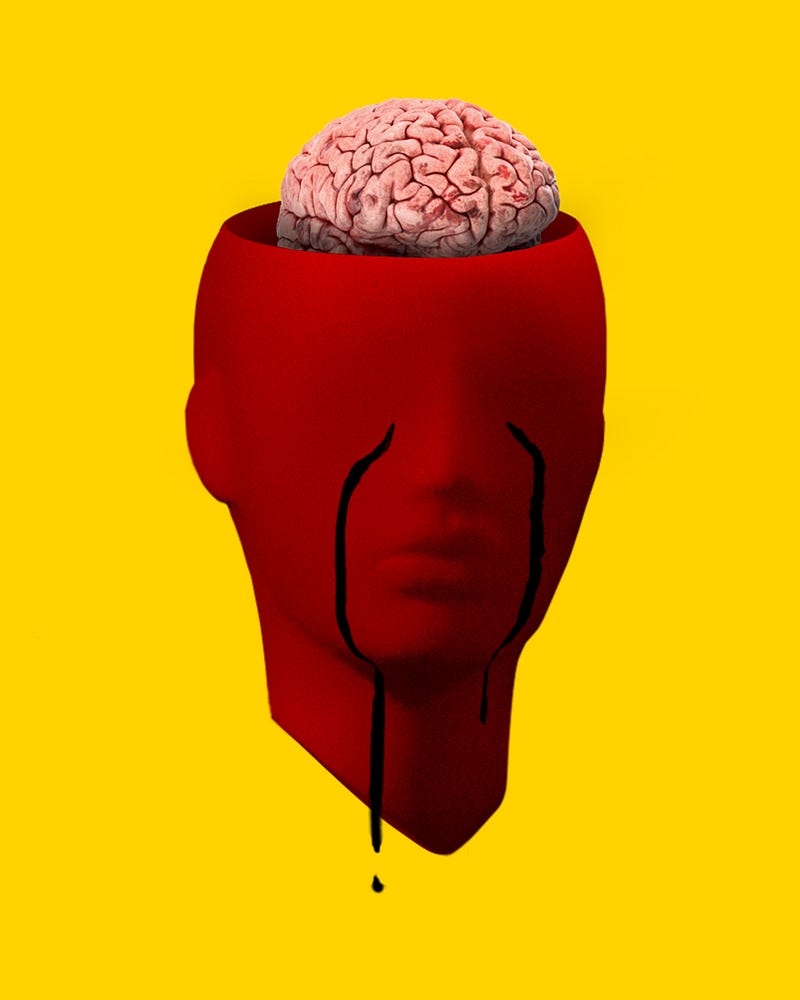
Photo by Gaspar Uhas on Unsplash

Xanthophobia is a specific phobia characterized by an intense and irrational fear or aversion towards the color yellow. The term “xenophobia” is take from the Greek word “Xanthos,” which means “yellow,” and “phobia,” which means “fear.” Individuals with xenophobia may experience significant anxiety, discomfort, or even panic when exposed to yellow or situations involving the color.

Xanthophobia can significantly impact an individual’s daily life and functioning. It may lead to avoidance behaviors, such as avoiding places or objects associated with the color yellow. This fear can also limit personal choices regarding clothing, interior design, or engagement with yellow-colored items.

Please follow me subscribe to my profile for inspiring and entertaining stories and visit my referral link to get full stories

Life
Life Lessons
Health
Self Improvement
Self
Recommended from ReadMedium