
avatarRich Jones MA, MBA, LCAS, EMDR Trauma Therapist

Free AI web copilot to create summaries, insights and extended knowledge, download it at here

4554

Abstract

elf” is also difficult for families to grasp. In our Family Recovery Groups at <a href="https://favorgreenville.org/recovery/family-support/">FAVOR Greenville</a> we spend a lot of time on this issue. We know there is validity to the idea of family members focusing on themselves.</p><p id="86cd">Too often, family members are automatically told: “you’re sick too” and “you need to detach”. These ideas have a place in the family recovery process, however, they should not be mechanically applied to every situation. Furthermore, there is a matter of timing to the conversation. You want the family to stay engaged in the process. Don’t chase them away with this type of label.</p><p id="58d5">When someone comes to realize the seriousness of their loved one’s substance use, they are confused and terrified. They are looking for expert advice. That advice should be grounded in sound theory, research and compassion.</p><p id="b714">We also need to over-emphasize the importance of individualized family interventions. We need to understand how the structure of each individual family influences the approach we take with that particular family.</p><p id="856c">For example, there is a big difference between talking to the wife of a 40 year old struggling with alcohol and the mother of a 20 year old with opioid use disorder.</p><p id="445a">Say it again for the people in the back of the room:</p><p id="8713" type="7">There is a big difference between talking to the wife of a 40 year old struggling with alcohol and the mother of a 20 year old with opioid use disorder.</p><h1 id="8816">Cultural context</h1><p id="6682">Detachment and tough love were developed in the 1950’s to help wives deal with alcoholic husbands. These ideas made sense in that cultural context. They made sense in the context of a married couple. Wives should not over protect and rescue husbands. It is not healthy. It is not natural.</p><p id="2ca8">However, parents are certainly going to react in a protective manner. It is natural for parents to try to rescue kids. Especially young adults. The impulse to control and fix is natural. It’s not pathological to want to rescue your child. It is biologically hardwired into you as a mother or father.</p><p id="b4f6">You are compelled at an instinctual level to “save your child”. When people dismiss you out of hand and scoff at your desire to help they are being short-sighted. They are demonstrating a fundamental lack of understanding.</p><p id="7c15">When people tell you to detach and “kick the bum out” they are being cruel and engaging in classic “do as I say not as I do” behavior. These good people would not follow their own knee-jerk advice. If we were to reverse the roles.</p><p id="e944">Rescuing can, however, become counter-productive. Rescuing and ignoring bad behavior can enable the addicted individual to engage in ongoing self-destructive behaviors. In addition, you are going to personally self-destruct. You can only handle so many sleepless nights and anxiety filled days.</p><p id="a0d1">I know what it is like to find yourself in the worry cycle. That endless path of chasing scenario after scenario. All the “what ifs”. The negative impact of stress on physical health has been well documented. <a href="https://www.mayoclinic.org/healthy-lifestyle/stress-management/in-depth/stress-symptoms/art-20050987">Upwards of 70 serious health conditions are directly caused or exacerbated by chronic stress</a>. The addiction will take you out as quick as it will take out your loved one.</p><p id="1e89">This is why people say: “work on yourself”.</p><p id="a675">The added bonus is, as you work on yourself, you increase the likelihood of change in your loved one.</p><h1 id="9316">Family Systems Theory</h1><p id="7ee4">The family is a system; changing one part of a system influences all other parts of the system. Family systems theory holds that individual family members fall into predictable roles and serve particular functions within the larger family system.</p><p id="633f">In addition, the family system (indeed any system) exists to preserve itself.</p><p id="c9e6">Unless acted upon by a strong internal or external force the system will proceed down the path of collective destruction. Given this reality, it is self-evident then that any individual part of that system could impact the system as a whole. This means the addicted individual will need to adjust to changes in any other part of the system.</p><p id="b1bb">Therefore, when in doubt. Work on yourself. It seems to me that al

Options

l family recovery addresses three interrelated issues: <b>Anxiety, Worry, and Chronic Stress. </b>Focus on positive actions that reduce anxiety, worry and stress.</p><figure id="dfc1"><img src="https://cdn-images-1.readmedium.com/v2/resize:fit:800/0*G3nTFuzSBqOgXLyf"><figcaption>Photo by <a href="https://unsplash.com/@benwhitephotography?utm_source=medium&amp;utm_medium=referral">Ben White</a> on <a href="https://unsplash.com?utm_source=medium&amp;utm_medium=referral">Unsplash</a></figcaption></figure><h1 id="4ee5">Helpful and Healthy Suggestions:</h1><ol><li><b><i>Become part of a group.</i></b> We are social creatures. You don’t even need to enjoy the content of the group. Just being around people with similar struggles will prove uplifting.</li></ol><p id="5e79">The benefits of group are clear:</p><ul><li><b>Universality </b>— you realize you are not alone</li><li><b>Altruism </b>— you get to help others</li><li><b>Imitative Behavior </b>— you hear from others who have gone through the same thing and</li><li><b>Develop Coping Skills</b> — more adaptive responses.</li><li><b>Instillation of Hope</b> — Perhaps the most powerful factor</li></ul><p id="7998"><b><i>2.</i></b> <b><i>Practice the “FREE THREE”</i></b>. Easily accessible activities which have proven to reduce stress:</p><ul><li>Go outside, take a walk</li><li>Listen to your favorite music</li><li>Smile and laugh</li></ul><p id="0283"><b><i>3. Do something fun</i></b> for yourself that is solely meant to provide entertainment and fun and not work related.</p><p id="a7cc"><b><i>4. Prayer and meditation.</i></b> Regardless of your personal beliefs we know that prayer and meditation have positive impact on neurobiological pathways.</p><p id="7209"><b><i>5. Find a confidant.</i></b> One to one. Sometimes you can’t share at group level and having a one to one relationship can be invaluable. This could be a therapist, a sponsor, or a coach.</p><p id="debd"><b><i>6. Eliminate toxic people</i></b> from your life. You have no time for people who drag you down. Eliminate judgmental people.</p><p id="2d3a"><b><i>7. And most important. –</i></b></p><p id="8615"><a href="https://www.psychologytoday.com/us/blog/the-antidepressant-diet/201706/social-loneliness-may-make-the-depressed-even-more-so"><b><i>RESIST THE TEMPTATION TO ISOLATE. ISOLATION FEEDS DEPRESSION.</i></b></a></p><p id="3546">Isolation makes everything worse. Some people think it is the main cause of depression, not serotonin. Get outside, go visit someone. Try to do your life despite your despair.</p><p id="f1ea">Give it try… trust me.</p><figure id="f3d3"><img src="https://cdn-images-1.readmedium.com/v2/resize:fit:800/1*xoMDyd85EyBDd2JhRvMj5g.jpeg"><figcaption>Credit Me: Rich Jones-A very professional and serious clinician.</figcaption></figure><p id="a2d9"><b>Try a family recovery plan for 6 weeks and I guarantee you will feel better.</b></p><p id="4b8c">Money back guarantee. How can you go wrong!!!</p><figure id="6eb1"><img src="https://cdn-images-1.readmedium.com/v2/resize:fit:800/0*0DFObDou5fKoSy2K"><figcaption></figcaption></figure><figure id="6a0c"><img src="https://cdn-images-1.readmedium.com/v2/resize:fit:800/0*piZ91mmOBM0JDYB1.png"><figcaption></figcaption></figure><h1 id="25ae">Thanks for reading the Real Life Resilience publication</h1><p id="f255">For more resilience-related content listen to the Real Life Resilience podcast on <a href="https://itunes.apple.com/us/podcast/real-life-resilience/id1052653532?mt=2&amp;source=post_page---------------------------">iTunes</a>, <a href="https://www.stitcher.com/podcast/stacy-brookman/real-life-resilience?source=post_page---------------------------">Stitcher</a>, <a href="https://play.google.com/music/m/I3i57lfz5maffqejjepgl3mnh2y?t=Real_Life_Resilience&amp;source=post_page---------------------------">Google Play</a>, or <a href="https://www.stacybrookman.com/?source=post_page---------------------------">directly from the website</a>. We also have fabulous short videos on the <a href="https://www.youtube.com/realliferesilience?source=post_page---------------------------"><b>Real Life Resilience YouTube channel</b></a>.</p><figure id="fff2"><img src="https://cdn-images-1.readmedium.com/v2/resize:fit:800/0*LvDtpcNo1L_YD1A2"><figcaption></figcaption></figure><figure id="504e"><img src="https://cdn-images-1.readmedium.com/v2/resize:fit:800/0*pCUTGEG7ROiL-0MB.png"><figcaption></figcaption></figure><p id="9f93">If you enjoyed this story, please recommend 👏 and share to help others find it!</p></article></body>

Photo by Austin Chan on Unsplash

7 “SLOGAN-FREE” Tips for Families Dealing with Addiction

Tough love and let them hit bottom DID NOT make the list.

As our country fights through the “opioid crisis” we see the limitations of an addiction treatment system that came of age in the 1970’s.

(Note: in reality it is addiction crisis not an “opioid crisis”-but the opioid narrative works better for the press. The narrative being: evil pharmaceutical companies got middle class white kids addicted and everyone started to die etc…)

These limitations are most evident in the strange phenomenon of recovery slogans that seem to guide healthcare/addiction treatment policy. Slogans such as “wait until they hit bottom” or “he is in denial” or “these addicts have to want recovery ”. Generated out of mutual support recovery groups, these sayings guide everything from insurance reimbursement to one-size fits all treatment models.

Some slogans are probably grounded in fact. All slogans are generated from a place of wanting to help. But they should not be applied universally and they are not adequate in terms of guiding healthcare policy.

The lack of evidence supporting many abstinence only treatment models is stunning. The lack of accountability in the industry is baffling. The unwillingness of some programs to adopt evidence-based models is probably illegal. Certainly unethical.

The most glaring example is the lack of acceptance and resistance to medication assisted treatment (M.A.T.).

I’m not one of the M.A.T. zealots. I do not promote M.A.T. as the only acceptable treatment for opioid use disorder (that mentality is just as problematic as the current abstinence only model).

However, M.A.T. is an option that is systematically suppressed and ignored by many treatment providers.

The only logical conclusion: slogans are taken more seriously than research.

Credit Me: Ellie and Reggie the Recovery Dog. Can you imagine me being told to “kick her out” if God forbid she had a problem down the road? Meet people where they are. Be professional and be compassionate.

Families are also subject to slogan driven “professional” help

Unfortunately, the slogan-based model has been extended into professional work with family members. Family members looking for information related to addiction are met with their own version of one size fits all treatment.

Family members are labeled enablers and co-dependents. They are told “you are loving your child to death”. They are told “let them hit bottom”.

OF COURSE THEY ARE TOLD “YOU NEED TO START PRACTICING TOUGH LOVE”.

Most family members, like most people in addiction, run from professional advice and recoil from this approach. We know that 90% of those in need of addiction treatment never get help. I would argue even more than 90% of families in need never get help.

They vote with their feet. They don’t come back. They can’t tolerate the professional judgement. They can’t tolerate being chastised for their “enabling behavior”.
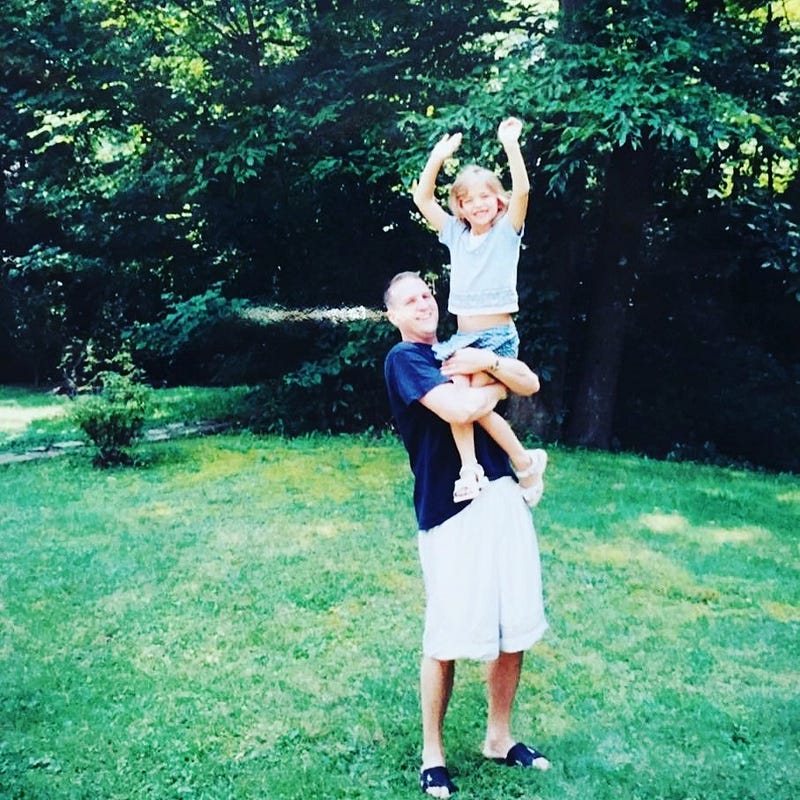
Credit Me: Rich Jones: Don’t automatically tell me I need to practice “tough love” with my kids. Support me and provide objective information. Don’t call me an enabler. Be professional and act accordingly.

What does work?

The concept of “working on yourself” is also difficult for families to grasp. In our Family Recovery Groups at FAVOR Greenville we spend a lot of time on this issue. We know there is validity to the idea of family members focusing on themselves.

Too often, family members are automatically told: “you’re sick too” and “you need to detach”. These ideas have a place in the family recovery process, however, they should not be mechanically applied to every situation. Furthermore, there is a matter of timing to the conversation. You want the family to stay engaged in the process. Don’t chase them away with this type of label.

When someone comes to realize the seriousness of their loved one’s substance use, they are confused and terrified. They are looking for expert advice. That advice should be grounded in sound theory, research and compassion.

We also need to over-emphasize the importance of individualized family interventions. We need to understand how the structure of each individual family influences the approach we take with that particular family.

For example, there is a big difference between talking to the wife of a 40 year old struggling with alcohol and the mother of a 20 year old with opioid use disorder.

Say it again for the people in the back of the room:

There is a big difference between talking to the wife of a 40 year old struggling with alcohol and the mother of a 20 year old with opioid use disorder.

Cultural context

Detachment and tough love were developed in the 1950’s to help wives deal with alcoholic husbands. These ideas made sense in that cultural context. They made sense in the context of a married couple. Wives should not over protect and rescue husbands. It is not healthy. It is not natural.

However, parents are certainly going to react in a protective manner. It is natural for parents to try to rescue kids. Especially young adults. The impulse to control and fix is natural. It’s not pathological to want to rescue your child. It is biologically hardwired into you as a mother or father.

You are compelled at an instinctual level to “save your child”. When people dismiss you out of hand and scoff at your desire to help they are being short-sighted. They are demonstrating a fundamental lack of understanding.

When people tell you to detach and “kick the bum out” they are being cruel and engaging in classic “do as I say not as I do” behavior. These good people would not follow their own knee-jerk advice. If we were to reverse the roles.

Rescuing can, however, become counter-productive. Rescuing and ignoring bad behavior can enable the addicted individual to engage in ongoing self-destructive behaviors. In addition, you are going to personally self-destruct. You can only handle so many sleepless nights and anxiety filled days.

I know what it is like to find yourself in the worry cycle. That endless path of chasing scenario after scenario. All the “what ifs”. The negative impact of stress on physical health has been well documented. Upwards of 70 serious health conditions are directly caused or exacerbated by chronic stress. The addiction will take you out as quick as it will take out your loved one.

This is why people say: “work on yourself”.

The added bonus is, as you work on yourself, you increase the likelihood of change in your loved one.

Family Systems Theory

The family is a system; changing one part of a system influences all other parts of the system. Family systems theory holds that individual family members fall into predictable roles and serve particular functions within the larger family system.

In addition, the family system (indeed any system) exists to preserve itself.

Unless acted upon by a strong internal or external force the system will proceed down the path of collective destruction. Given this reality, it is self-evident then that any individual part of that system could impact the system as a whole. This means the addicted individual will need to adjust to changes in any other part of the system.

Therefore, when in doubt. Work on yourself. It seems to me that all family recovery addresses three interrelated issues: Anxiety, Worry, and Chronic Stress. Focus on positive actions that reduce anxiety, worry and stress.

Photo by Ben White on Unsplash

Helpful and Healthy Suggestions:

  1. Become part of a group. We are social creatures. You don’t even need to enjoy the content of the group. Just being around people with similar struggles will prove uplifting.

The benefits of group are clear:

  • Universality — you realize you are not alone
  • Altruism — you get to help others
  • Imitative Behavior — you hear from others who have gone through the same thing and
  • Develop Coping Skills — more adaptive responses.
  • Instillation of Hope — Perhaps the most powerful factor

2. Practice the “FREE THREE”. Easily accessible activities which have proven to reduce stress:

  • Go outside, take a walk
  • Listen to your favorite music
  • Smile and laugh

3. Do something fun for yourself that is solely meant to provide entertainment and fun and not work related.

4. Prayer and meditation. Regardless of your personal beliefs we know that prayer and meditation have positive impact on neurobiological pathways.

5. Find a confidant. One to one. Sometimes you can’t share at group level and having a one to one relationship can be invaluable. This could be a therapist, a sponsor, or a coach.

6. Eliminate toxic people from your life. You have no time for people who drag you down. Eliminate judgmental people.

7. And most important. –

RESIST THE TEMPTATION TO ISOLATE. ISOLATION FEEDS DEPRESSION.

Isolation makes everything worse. Some people think it is the main cause of depression, not serotonin. Get outside, go visit someone. Try to do your life despite your despair.

Give it try… trust me.
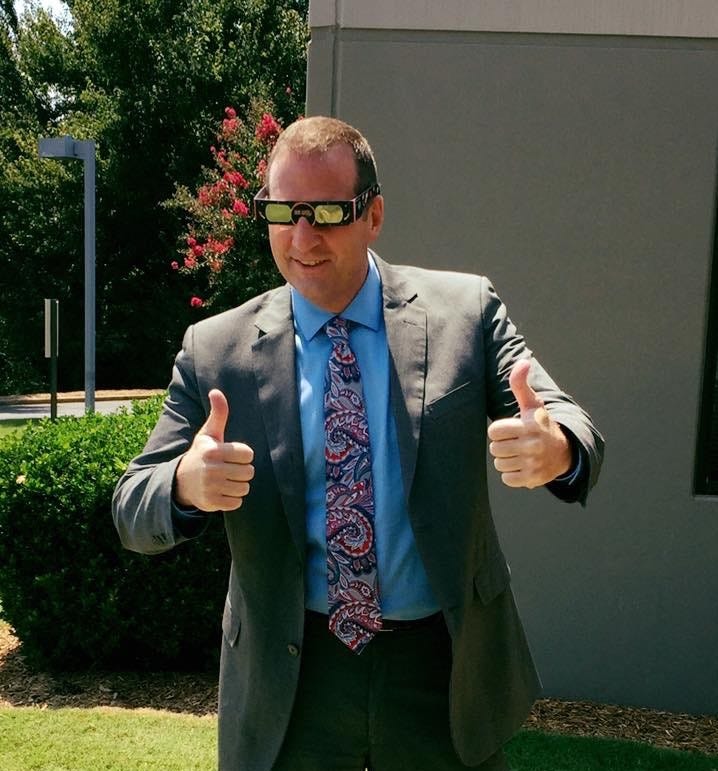
Credit Me: Rich Jones-A very professional and serious clinician.

Try a family recovery plan for 6 weeks and I guarantee you will feel better.

Money back guarantee. How can you go wrong!!!

Thanks for reading the Real Life Resilience publication

For more resilience-related content listen to the Real Life Resilience podcast on iTunes, Stitcher, Google Play, or directly from the website. We also have fabulous short videos on the Real Life Resilience YouTube channel.


If you enjoyed this story, please recommend 👏 and share to help others find it!

Addiction
Drugs
Drug Addiction
Family
Recovery
Recommended from ReadMedium
