
7 Simple Things You Can Do to Immediately Feel Better
Small steps can make a big difference

More often than I would want to admit, I find myself not feeling quite like, well, myself.
I used to always struggle with listening to my body and giving it what it needs. Whether it was a couple more hours of sleep, a glass of water, or some fresh air. There were always things that were more important than that. First, with school, later with work, relationships, or my long-term goals. I would rarely put myself and my well-being first.
And I’m sure I’m not the only one. We all can get so caught up in our work and everyday problems that we forget about things that really matter. It can be hard to keep in mind amongst a million other things that our health is something that has to be prioritized and taken seriously.
The good thing is that a lot of times, you don’t have to do anything crazy to feel better. All it takes is a small act of kindness to yourself and your body to elevate your mood and improve how you’re feeling.
Over the past couple of years, I developed a list of seven things that help me get back to feeling like a better version of myself. Here they are:
#1: Get away from the screen
Though the internet is meant to connect people and bring them joy and entertainment, excessive use of it can lead to some bad symptoms.
A study has shown that people who spend more than 6 hours per day in front of a screen are more likely to experience depression.
Whenever I spend too much time in front of my computer or on my phone, I can see it affecting my mood. I always have less energy and motivation after spending a lot of time online. And if I start my day by scrolling social media, my chances to be productive during the day drop drastically.
Often, when I’m feeling sad and low on energy, I know it’s time to go offline for some time. It helps me clear my head and reconnect with myself. Once I log out, I try to do some activities that I enjoy, like going for a walk, reading or cleaning the apartment.
After an hour or two, I feel like myself again, and my mood improves.
#2: Take a walk
I feel like walks are one of the most underrated activities.
There are so many things that you can do when you’re taking a walk.
You can get some fresh air and improve your headache, take some time to reset when you feel like you’re in a rut, go get a coffee or a dessert to treat yourself, listen to some podcasts or audiobooks, or take a walk long enough to count as an exercise.
If you don’t like going on walks alone, you can always bring a companion or even ask a friend to walk their dog, if you don’t have one. You can also go on a hike or a run if you’d like to do something more physical.
It can be hard to sit inside all day and feel good. Especially now. If you’re working from home, walks should become a part of your everyday routine as they are a great way to do something physical and change your environment.
#3: Eat some vitamins
You know that feeling when you eat an apple after you finished a bag of potato chips and you immediately feel healthy? You should do that more often. But not the chips part.
As someone who would always choose chips over fruits, I used to struggle to eat enough vitamins. But after learning that eating more fruits and vegetables leads to lower depression rates, I’ve decided to incorporate more healthy foods into my diet. I try to eat at least one type of fruit a day, and I’ve seen some improvements in my mood after I do.
Fruits are also useful when you’ve been eating poorly and feel guilty about it, which happens pretty often to me. Instead of beating myself up for eating something unhealthy, I would eat some fruits and quickly forget about my mistake.
#4: Take a nap
I used to always hate sleeping. I don’t know why, but I could never enjoy this activity. And I’ve never met anyone who could relate.
Laying in bed doing nothing seems like a waste of time to me. So I would always go to bed late and wake up early. Even if I felt tired, I would still get up early and go straight to work.
I used to do this for years, and after this routine turned into a habit, I became desensitized to how tired I was all the time. Instead of listening to my body, I would continue torturing it. I could never understand why I’m not productive or happy. After quitting coffee and improving my sleeping schedule, I learned that you have to get enough rest to feel good. Groundbreaking discoveries, right?
And even though I still don’t enjoy sleeping, I know how important it is for improving how I feel.
Next time you’re feeling tired, try to take a nap instead of drinking another cup of coffee that would lead you to feel restless and anxious.
#5: Drink a glass of water
Water is crucial for our health. We all know that. But we still don’t drink enough.
There are many benefits to drinking the commonly recommended 8 glasses of water a day, such as:
- Maximizing physical performance
- Improving energy levels and brain function
- Preventing or treating headaches
Even knowing how important water is, it’s pretty easy to forget to drink the recommended amount. You can also misinterpret your thirst with hunger and grab a snack instead. Water is the most boring drink, so it’s understandable. But it doesn’t have to be.
You can make water more enjoyable by adding some sliced fruits into your glass. I find lemons to be a great way to add some taste to your drink and some vitamin C.
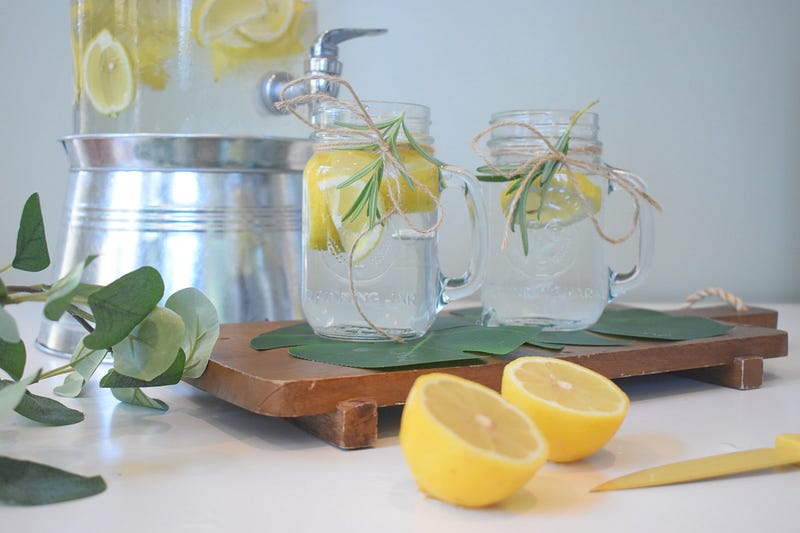
You can also keep a water bottle on your desk to remind yourself to drink more or use an app to track your daily water intake.
#6: Meditate
“If we can make just 1% of the population meditative, this world will be a different place.”-Sadhguru
Whenever you feel like your thoughts are not yours anymore, it's a sign that you could use a couple of minutes of silence.
There is a ton of research proving that meditation is great for your mental health and well-being, including a study showing that mindfulness meditation improves depression symptoms.
Luckily, meditation is a pretty popular activity, and if you struggle to make it a habit, you have a variety of options that can help you with that. There are many apps and video tutorials on the internet that are easy to follow and will guide you on your way to mindfulness.
When I feel overwhelmed, I open my favorite meditation app (ten percent happier) and take a ten-minute break for a guided meditation. Once I’m done, I always feel calm and relaxed, like I just woke up from a perfect nap.
#7: Eat something you like
If you know that the reason for you feeling bad is a poor diet, you should probably skip this one.
But if you’re eating healthy and not letting your favorite guilty pleasure food be the main component of your diet, it can help to treat yourself.
Eating our favorite foods helps release some happiness chemicals in our brain, leading to an increase in our mood.
I use this method as a last resort since I usually crave the most unhealthy stuff. But it’s important not to feel guilty for treating yourself. If you’ve been feeling down, you deserve some comfort food.
You can also eat some foods that are proven to increase your level of serotonin, which include:
- eggs
- cheese
- tofu
- pineapples
- salmon
- nuts and seeds
- turkey
Final thought
The tips in this article are not groundbreaking. I’m sure you’ve heard them all before. But you shouldn’t underestimate them because of how simple they are.
Let this article be a reminder that sometimes a small step can make a big difference in how you feel. What matters is remembering to listen to your body and doing small acts of kindness for it consistently.


