avatarFaze

Free AI web copilot to create summaries, insights and extended knowledge, download it at here

3872

Abstract

uded laudanum, opium, camphor, and morphine. This mixture was designed to calm the babies and ensure they had a good night’s sleep.</p><p id="cb92">While the sedatives worked, they had long-term effects on the baby’s development and put them at risk for addiction later in life.</p><p id="48cc">Doctors also gave sedatives to adults to treat a variety of conditions including anxiety, depression, and insomnia. Unfortunately, these medicines had strong side effects and were highly addictive.</p><h1 id="1f2c">4- Surviving Surgery Without Anesthesia — Stories From The Past</h1><figure id="940a"><img src="https://cdn-images-1.readmedium.com/v2/resize:fit:800/0*bu7uquioHKKqAZY3.JPG"><figcaption>Source: <a href="https://en.wikipedia.org/wiki/Surgery#/media/File:1753_Traversi_Operation_anagoria.JPG">Wikipedia</a></figcaption></figure><p id="6543">In the 19th century, before the discovery of anesthetics, doctors were forced to perform operations and amputations on patients without anything to dull the pain.</p><p id="4fe2">The only way these procedures were bearable was for the patient to be heavily intoxicated with alcohol or opium. This practice was seen as a last resort, and any patient who refused would be tied down to prevent them from moving during the surgery.</p><p id="9c69">While it was barbaric and brutal, it was one of the few options available to surgeons at the time. In some cases, patients were so overwhelmed with fear and pain that they even died on the operating table.</p><p id="cb1d">It is truly a miracle that modern medicine has advanced so far, allowing us to experience a level of comfort and safety that our predecessors could only dream of.</p><h1 id="9ab4">3- The History Of Carbolic Acid — Surgical Wounds</h1><p id="b43f">In the 19th century, doctors used to treat open wounds with carbolic acid. It was an antiseptic and a disinfectant, often sprayed on open wounds to help stop infections from spreading.</p><p id="883c">Although it could help prevent the risk of infection, it was also very painful and damaging to the skin.</p><p id="259c">The acid would sometimes cause burns and would leave behind a yellow discoloration of the skin.</p><p id="4046">In some cases, it could even be deadly if used in large doses. Despite this, many doctors still believed that using carbolic acid was the best way to treat wounds.</p><h1 id="41c4">2- Lard Delivery — A Forgotten Part Of Obstetric History</h1><p id="86d3">In the 19th century, a common method of delivering babies was to use lard. To do this, a midwife would cover their hands in lard and insert them into the mother’s birth canal.</p><p id="dda6">The midwife would then attempt to maneuver the baby out of the womb, using the slippery substance as a lubricant. This could be extremely painful and dangerous for both the mother and the baby.</p><p id="5004">The lard was also known to spread infections, leading to higher risks of mortality during childbirth.</p><p id="cdc8">Despite these risks, the practice of delivering babies with lard was still prevalent in many parts of the world during the 19th century.</p><p id="6515">Thankfully, with the advancement of medical technology, this procedure has been mostly abandoned.</p><h1 id="59a4">1- The History Of Medical Leeches — What Were They Used For?</h1><figure id="30ed"><img src="https://cdn-images-1.readmedium.com/v2/resize:fit:800/0*p5JAKr94GKxacawY.jpg"><figcaption>Source: <a href="https://en.wikipedia.org/wiki/Leech#/media/File:Sucking_leech.jpg">Wikipedia</a></figcaption></figure><p id="533e">Leeches have a long history of being used for medical purposes. In the 19th century, leeches were used for a variety of treatments, ranging from draining blood to stimulating circulation.</p><p id="e5a9">They were commonly employed to remove “bad blood” from patients who were believed to be suffering from an excess of

Options

it. Leeches were also used to treat diseases like gout, headaches, and colds.</p><p id="dce7">Leeches were applied to wounds to help remove infected tissue, and they were even used in some cosmetic procedures.</p><p id="5689">The use of leeches was not limited to humans; animals too were treated with leeches to improve their health.</p><p id="b276">While the practice of using leeches has gone out of fashion today, it was commonplace during the 19th century and was seen as a legitimate form of medicine.</p><h1 id="6abc">Points To Ponder</h1><p id="71a6">The medical practices of the 19th century seem like a distant nightmare, one that fortunately we have evolved away from. From using mercury to treat STDs to drilling holes in skulls, these now-discredited practices would surely seem absurd to a modern audience.</p><p id="0f1a">Although some of these treatments may have had some medical benefits, they mostly only served to inflict more suffering on patients.</p><p id="8cd9">Fortunately, with improved medical knowledge and an understanding of the human body, today’s doctors can practice medicine much more safely and effectively.</p><h1 id="33ae">Join Medium Today</h1><div id="2bd6" class="link-block"> <a href="https://medium.com/@faze17/membership"> <div> <div> <h2>Join Medium with my referral link — Faze</h2> <div><h3>Read every story from Faze (and thousands of other writers on Medium). Your membership fee directly supports Faze and…</h3></div> <div><p>medium.com</p></div> </div> <div> <div style="background-image: url(https://miro.readmedium.com/v2/resize:fit:320/0*KfGf3apTSh4FONfo)"></div> </div> </div> </a> </div><p id="f179">More from the author:</p><div id="db8e" class="link-block"> <a href="https://readmedium.com/7-unsolved-mysteries-from-wwii-that-will-leave-you-baffled-db78e3ef5e56"> <div> <div> <h2>7 Unsolved Mysteries from WWII That Will Leave You Baffled</h2> <div><h3>Why we may never know what happened — Jaw-dropping stories about WWII.</h3></div> <div><p>medium.com</p></div> </div> <div> <div style="background-image: url(https://miro.readmedium.com/v2/resize:fit:320/0*NcoBHWNaRZfTzwRT.jpg)"></div> </div> </div> </a> </div><div id="98e1" class="link-block"> <a href="https://readmedium.com/7-evil-world-war-ii-plans-that-would-have-changed-the-course-of-history-e46ede34de75"> <div> <div> <h2>7 Evil World War II Plans That Would Have Changed The Course Of History</h2> <div><h3>Crazy military strategies — Ideas that were too ahead of their time.</h3></div> <div><p>medium.com</p></div> </div> <div> <div style="background-image: url(https://miro.readmedium.com/v2/resize:fit:320/0*HBW8F2kGzwFYER3v.JPEG)"></div> </div> </div> </a> </div><div id="7e33" class="link-block"> <a href="https://readmedium.com/7-haunting-tales-of-infamous-curses-that-still-terrify-us-today-4ed1440f4b95"> <div> <div> <h2>7 Haunting Tales Of Infamous Curses That Still Terrify Us Today</h2> <div><h3>Tales of horror — The eerie cursed stories.</h3></div> <div><p>medium.com</p></div> </div> <div> <div style="background-image: url(https://miro.readmedium.com/v2/resize:fit:320/1*hk2SJor3bMWnR_pzFcY5Sg.png)"></div> </div> </div> </a> </div></article></body>

7 Shocking Medical Practices That Will Make You Grateful for Modern Medicine

The stuff of nightmares — Why the 19th century was the worst time to be sick.
Source: Wikipedia

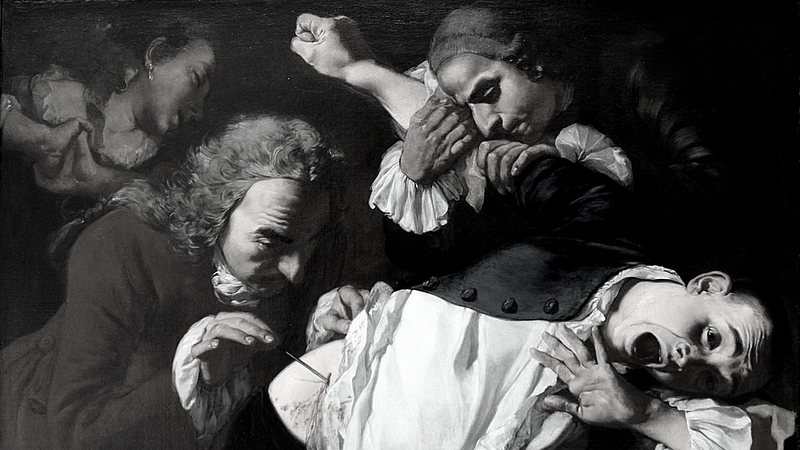
The 19th century was a time of rapid medical advancement, yet there were some truly horrifying medical procedures that doctors practiced.

From cauterizing wounds with red-hot irons to removing teeth without anesthesia, these treatments are enough to make modern medical practitioners shudder.

In this article, we will explore the seven most horrifying medical procedures that doctors of the 19th century used in their practice.

7- The Surprising History Of Trepanation — Drilling Holes In Skulls For Health

Source: Wikipedia

In the 19th century, it was common practice for doctors to perform trephination, a procedure where a hole is drilled into a person’s skull to release pressure and improve overall health.

The belief was that this would cure ailments such as epilepsy and mental illnesses. Although there is no scientific evidence to back up this claim, it was widely practiced and there are cases of people surviving the procedure.

The procedure was done without anesthesia, making it incredibly painful, and often with crude tools. This was a dangerous and often fatal procedure that could lead to infections, brain damage, and even death.

Despite the risks involved, it was still commonly used to treat various illnesses throughout the 19th century.

6- Mercury — The Dangerous Cure For 19th Century STDs

Source: Wikipedia

In the 19th century, one of the most popular and widely used treatments for sexually transmitted diseases (STDs) was mercury.

Mercury was seen as a panacea for a variety of ailments and was believed to be able to cure many illnesses, including STDs.

Doctors would prescribe their patients mercury to drink or inhale in various forms, such as calomel or mercurial ointment.

Unfortunately, while this treatment may have had some benefit in treating the symptoms of STDs, it came with severe side effects, such as kidney damage and mouth ulcers.

Moreover, mercury is an extremely toxic substance and its long-term use can lead to organ failure, neurological damage, and even death.

It is therefore no surprise that this practice was eventually abandoned in favor of more modern methods.

5- The Role Of Opium In The Sedation — Infants In The Victorian Era

Source: Wikipedia

In the 19th century, doctors believed that babies’ cries were a sign of a physical disorder, so they prescribed sedatives to quiet them down.

A popular “sedative cocktail” given to babies included laudanum, opium, camphor, and morphine. This mixture was designed to calm the babies and ensure they had a good night’s sleep.

While the sedatives worked, they had long-term effects on the baby’s development and put them at risk for addiction later in life.

Doctors also gave sedatives to adults to treat a variety of conditions including anxiety, depression, and insomnia. Unfortunately, these medicines had strong side effects and were highly addictive.

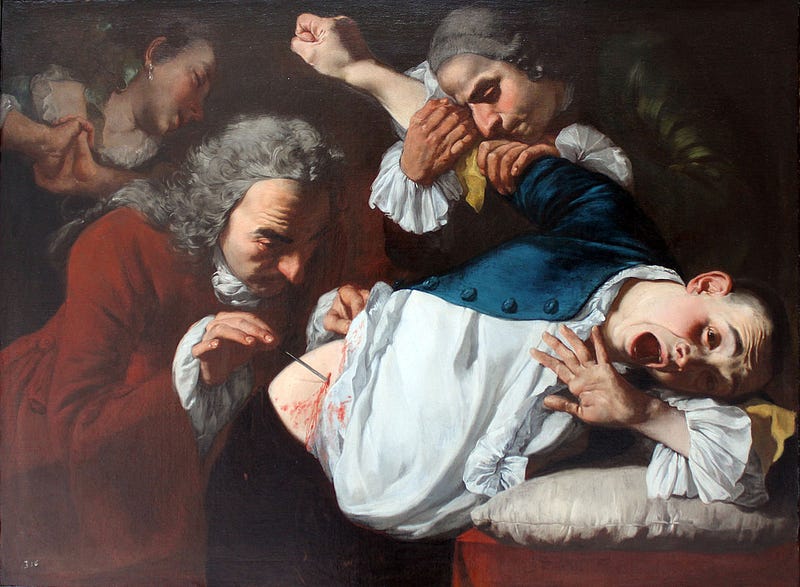
4- Surviving Surgery Without Anesthesia — Stories From The Past
Source: Wikipedia

In the 19th century, before the discovery of anesthetics, doctors were forced to perform operations and amputations on patients without anything to dull the pain.

The only way these procedures were bearable was for the patient to be heavily intoxicated with alcohol or opium. This practice was seen as a last resort, and any patient who refused would be tied down to prevent them from moving during the surgery.

While it was barbaric and brutal, it was one of the few options available to surgeons at the time. In some cases, patients were so overwhelmed with fear and pain that they even died on the operating table.

It is truly a miracle that modern medicine has advanced so far, allowing us to experience a level of comfort and safety that our predecessors could only dream of.

3- The History Of Carbolic Acid — Surgical Wounds

In the 19th century, doctors used to treat open wounds with carbolic acid. It was an antiseptic and a disinfectant, often sprayed on open wounds to help stop infections from spreading.

Although it could help prevent the risk of infection, it was also very painful and damaging to the skin.

The acid would sometimes cause burns and would leave behind a yellow discoloration of the skin.

In some cases, it could even be deadly if used in large doses. Despite this, many doctors still believed that using carbolic acid was the best way to treat wounds.

2- Lard Delivery — A Forgotten Part Of Obstetric History

In the 19th century, a common method of delivering babies was to use lard. To do this, a midwife would cover their hands in lard and insert them into the mother’s birth canal.

The midwife would then attempt to maneuver the baby out of the womb, using the slippery substance as a lubricant. This could be extremely painful and dangerous for both the mother and the baby.

The lard was also known to spread infections, leading to higher risks of mortality during childbirth.

Despite these risks, the practice of delivering babies with lard was still prevalent in many parts of the world during the 19th century.

Thankfully, with the advancement of medical technology, this procedure has been mostly abandoned.

1- The History Of Medical Leeches — What Were They Used For?

Source: Wikipedia

Leeches have a long history of being used for medical purposes. In the 19th century, leeches were used for a variety of treatments, ranging from draining blood to stimulating circulation.

They were commonly employed to remove “bad blood” from patients who were believed to be suffering from an excess of it. Leeches were also used to treat diseases like gout, headaches, and colds.

Leeches were applied to wounds to help remove infected tissue, and they were even used in some cosmetic procedures.

The use of leeches was not limited to humans; animals too were treated with leeches to improve their health.

While the practice of using leeches has gone out of fashion today, it was commonplace during the 19th century and was seen as a legitimate form of medicine.

Points To Ponder

The medical practices of the 19th century seem like a distant nightmare, one that fortunately we have evolved away from. From using mercury to treat STDs to drilling holes in skulls, these now-discredited practices would surely seem absurd to a modern audience.

Although some of these treatments may have had some medical benefits, they mostly only served to inflict more suffering on patients.

Fortunately, with improved medical knowledge and an understanding of the human body, today’s doctors can practice medicine much more safely and effectively.

Join Medium Today

More from the author:

History
Culture
Life
Education
Entertainment
Recommended from ReadMedium