avatarHarvey Richards

Free AI web copilot to create summaries, insights and extended knowledge, download it at here

3802

Abstract

he right to use water from nearby sources such as rivers, lakes, and groundwater.</p><p id="2d7d">This means that during times of scarcity, billionaires can not only divert government (public) water for their use but also sell or lease water to other parties.</p><h1 id="5d9d">3. Tax Advantages</h1><figure id="fa9f"><img src="https://cdn-images-1.readmedium.com/v2/resize:fit:800/0*csUzGEl-JB0hcE1c"><figcaption>Photo by <a href="https://unsplash.com/@walkingondream?utm_source=medium&amp;utm_medium=referral">Olga DeLawrence</a> on <a href="https://unsplash.com?utm_source=medium&amp;utm_medium=referral">Unsplash</a></figcaption></figure><p id="0a76">Personally, I didn’t want to talk about the tax advantages since I felt it’s a basic thing that most people already know.</p><p id="ebd8">However, I thought I should research more on this point and try to find out those facts that are usually hidden behind the ‘tax advantage’ label.</p><ul><li>Agricultural land is often taxed at a lower rate than other types of property. The reason is that most countries, including the United States, view farmland as an essential part of the economy. They value it on its agricultural productivity and the amount and quality of crops it can produce. That’s why governments lower the tax rates to ensure that farmland remains in production.</li><li>If a billionaire purchases farmland through a trust, they can significantly reduce the amount of estate taxes. Furthermore, this saves their heirs from paying massive taxes too. When the billionaire passes away, the heirs are only taxed on the current value of the land. That’s why more than 59% of farmland in the United States is now owned by trusts.</li><li>In a 2021 report, the Environmental Law Institute revealed that at least 19 states in the United States offer tax credits or deductions for farmland owners, especially if they participate in conservation programs such as soil conservation or wetland restoration.</li></ul><h1 id="f387">4. Low Volatility</h1><figure id="0720"><img src="https://cdn-images-1.readmedium.com/v2/resize:fit:800/0*3t2PMrBVsjFBRs8X"><figcaption>Photo by <a href="https://unsplash.com/@ja_ma?utm_source=medium&amp;utm_medium=referral">Jacopo Maia</a> on <a href="https://unsplash.com?utm_source=medium&amp;utm_medium=referral">Unsplash</a></figcaption></figure><p id="d707">Do you know that farmland has had an average annual total return of around 10% over the past decade?</p><p id="1604">That’s why investing in farmland is considered to have low volatility compared to other assets such as bonds, stocks, and real estate. Therefore, when a billionaire invests in farmland, he reduces his overall portfolio risk.</p><p id="f6d0">But what are the reasons behind this low volatility?</p><p id="9665">Well, there are many:</p><p id="dc56">• There is always a steady demand for food and fiber.</p><p id="119f">• It requires ongoing management, which prevents short-term volatility.</p><p id="11e8">• It provides diversification benefits that lower overall risk.</p><p id="d015">• It can also generate a steady stream of rental income for investors.</p><p id="d3f9">All in all, farmland is essential for humans. That’s why short-term fluctuations and market volatility don’t affect it.</p><h1 id="969e">5. Limited Supply</h1><figure id="d5e3"><img src="https://cdn-images-1.readmedium.com/v2/resize:fit:800/0*xBzoQ4hmPPWze4b0"><figcaption>Photo by <a href="https://unsplash.com/@goodfreephoto_com?utm_source=medium&amp;utm_medium=referral">Good Free Photos</a> on <a href="https://unsplash.com?utm_source=medium&amp;utm_medium=referral">Unsplash</a></figcaption></figure><p id="4608">Farmland is in limited supply and cannot be easily expanded due to geographic limitations.</p><p id="eaf8">They are typically located in rural

Options

areas with limited access to transportation and infrastructure, as well as water limitations.</p><p id="f8fa">The value of farmland also depends on other conditions that are often out of human control, such as soil quality and weather. These factors make it extremely difficult to expand into new areas.</p><p id="2f38">Furthermore, cities are growing and expanding, causing small farmland owners to sell their land to raise cash for personal and business expenses.</p><p id="f776">Many farmers sell their farmland to cash out on the value of the land when they approach retirement age, reducing the total supply available for agricultural use.</p><p id="dd5d">According to the United States Department of Agriculture (USDA), the total land in farms in the United States has declined from around 1.15 billion acres in 1920 to around 897 million acres in 2020.</p><h1 id="eb73">6. Price Hikes</h1><figure id="ec54"><img src="https://cdn-images-1.readmedium.com/v2/resize:fit:800/0*5XfN7Wdu-fP7FUgq"><figcaption>Photo by <a href="https://unsplash.com/@m_____me?utm_source=medium&amp;utm_medium=referral">m.</a> on <a href="https://unsplash.com?utm_source=medium&amp;utm_medium=referral">Unsplash</a></figcaption></figure><p id="a1e1">The global demand for food is increasing at an unprecedented rate. In fact, according to the United Nations, global food demand is expected to increase by 60% by 2050.</p><p id="b444">Furthermore, climate change, natural disasters, and geopolitical tensions have also significantly increased food prices.</p><p id="dcf0">If we compare the prices of common food items in the United States between 2011 and 2021, we can see a significant change:</p><ul><li>Milk prices are up 23.5%</li><li>Egg prices are up 47.1%</li><li>Ground beef is up 34.2%</li><li>Rice prices are up 19.5%</li><li>Potatoes are up 14.7%</li><li>Broccoli is up 22.9%</li><li>Lettuce prices are up 13.9%</li><li>Cheese prices are up 32.5%</li><li>Carrots are up 16.4%</li><li>Pasta prices are up 22.6%</li></ul><p id="8e16">As the price of food increases, so does the value of farmland. Billionaires who own farmland can enjoy higher profits from selling their crops and can also charge higher rent to tenants who want to farm their land.</p><p id="18f5">Thus, while price hikes are affecting the lives of common citizens, they are increasing the income of farmland owners.</p><h1 id="7ee6">7. Lifestyle Investment</h1><figure id="99bb"><img src="https://cdn-images-1.readmedium.com/v2/resize:fit:800/0*KeecXJ1VqzZBzXIV"><figcaption>Photo by <a href="https://unsplash.com/@little_klein?utm_source=medium&amp;utm_medium=referral">Vitolda Klein</a> on <a href="https://unsplash.com?utm_source=medium&amp;utm_medium=referral">Unsplash</a></figcaption></figure><p id="8325">For many billionaires, owning farmland isn’t just a financial investment, but also a lifestyle investment because farmland is a perfect place to escape the hustle and bustle of city life.</p><p id="488d">Apart from this, these lands are used for recreational purposes as well, such as hunting, fishing, and enjoying nature.</p><p id="7a68">According to a report by the Land Report, many wealthy Americans use them as vacation homes. In fact, some billionaires have even turned a part of their land into their private golf courses.</p><p id="498b">Another interesting fact is that many billionaires come from families with farming backgrounds.</p><p id="cf8e">So, when they own farmland, they try to connect with their roots too.</p><p id="a2f4">Just like their ancestors, they also want to leave a lasting legacy that can benefit their future generations.</p><p id="3ec3"><b>If you enjoyed reading this post, please take a moment to give it a clap or two. It helps to spread the word and share the knowledge.</b></p></article></body>

7 reasons why billionaires are investing in farmland — and why you should too
Photo by Stephen Radford on Unsplash
  • Bill Gates purchased 242,000 acres of farmland in 2020.
  • Ted Turner owns more than 2 million acres of farmland.
  • Louis Bacon also owns 210,000 acres of land in the USA.

These are just a few examples.

There are numerous millionaires and billionaires who are investing in farmland on a large scale, but why?

Why are super-rich people suddenly interested in investing in farmland?

What is it about farmland that is catching their attention?

Do they know something that we don’t?

I delved deep into this topic and discovered some answers that completely shocked me… And they will shock you too.

After reading the following reasons, you too may consider investing in farmland:

1. Food Insecurity

Photo by Syd Wachs on Unsplash

The number one reason for the sudden interest of billionaires in farmland is food insecurity.

According to the United Nations, the world population is projected to reach almost 10 billion in the next 25 years, which will impact global food supplies.

Furthermore, if a pandemic like Covid-19 were to hit the world again, it would result in higher food prices and food shortages.

For this reason, billionaires are investing in farmland to secure their own access to food. They are taking matters into their own hands because they understand that food insecurity can lead to hunger, malnutrition, and other health problems in the near future.

However, food insecurity won’t just lead to hunger.

It will also bring about social and economic challenges for many nations, such as poverty, conflict, and migration.

2. Water Rights
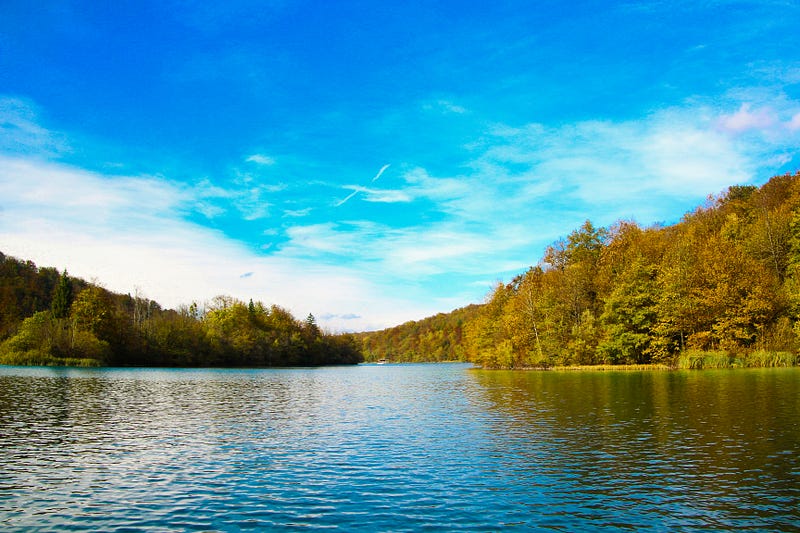
Photo by Mark Felix Pisan Jr. on Unsplash

Did you know that farmland can come with water rights too?

This is something that most people don’t know, and they have no idea how valuable it is to have water rights.

When billionaires acquire water rights, they can grow higher-value crops that require more water, which increases the property value.

They can also store water for use during dry periods.

However, this is just the tip of the iceberg, as there are some other insane things that billionaires can do with water rights,

For example, they can create and control the water markets, enjoy government subsidies related to water conservation, and have significant control over regional water supplies.

In fact, during my research on this topic, I discovered that billionaires who own large-scale farmland have the right to use water from nearby sources such as rivers, lakes, and groundwater.

This means that during times of scarcity, billionaires can not only divert government (public) water for their use but also sell or lease water to other parties.

3. Tax Advantages
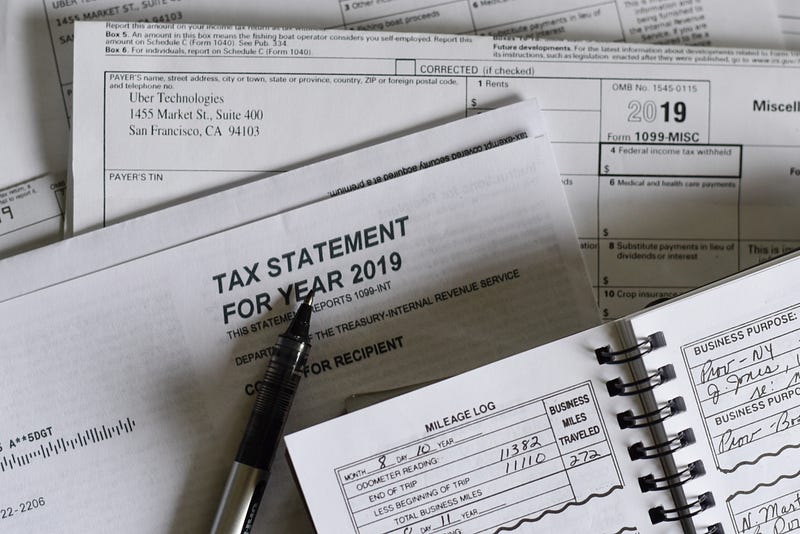
Photo by Olga DeLawrence on Unsplash

Personally, I didn’t want to talk about the tax advantages since I felt it’s a basic thing that most people already know.

However, I thought I should research more on this point and try to find out those facts that are usually hidden behind the ‘tax advantage’ label.

  • Agricultural land is often taxed at a lower rate than other types of property. The reason is that most countries, including the United States, view farmland as an essential part of the economy. They value it on its agricultural productivity and the amount and quality of crops it can produce. That’s why governments lower the tax rates to ensure that farmland remains in production.
  • If a billionaire purchases farmland through a trust, they can significantly reduce the amount of estate taxes. Furthermore, this saves their heirs from paying massive taxes too. When the billionaire passes away, the heirs are only taxed on the current value of the land. That’s why more than 59% of farmland in the United States is now owned by trusts.
  • In a 2021 report, the Environmental Law Institute revealed that at least 19 states in the United States offer tax credits or deductions for farmland owners, especially if they participate in conservation programs such as soil conservation or wetland restoration.

4. Low Volatility
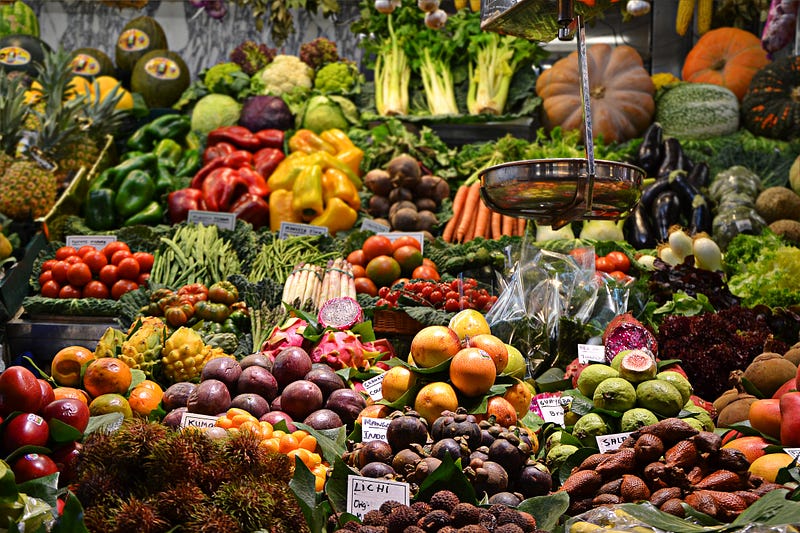
Photo by Jacopo Maia on Unsplash

Do you know that farmland has had an average annual total return of around 10% over the past decade?

That’s why investing in farmland is considered to have low volatility compared to other assets such as bonds, stocks, and real estate. Therefore, when a billionaire invests in farmland, he reduces his overall portfolio risk.

But what are the reasons behind this low volatility?

Well, there are many:

• There is always a steady demand for food and fiber.

• It requires ongoing management, which prevents short-term volatility.

• It provides diversification benefits that lower overall risk.

• It can also generate a steady stream of rental income for investors.

All in all, farmland is essential for humans. That’s why short-term fluctuations and market volatility don’t affect it.

5. Limited Supply
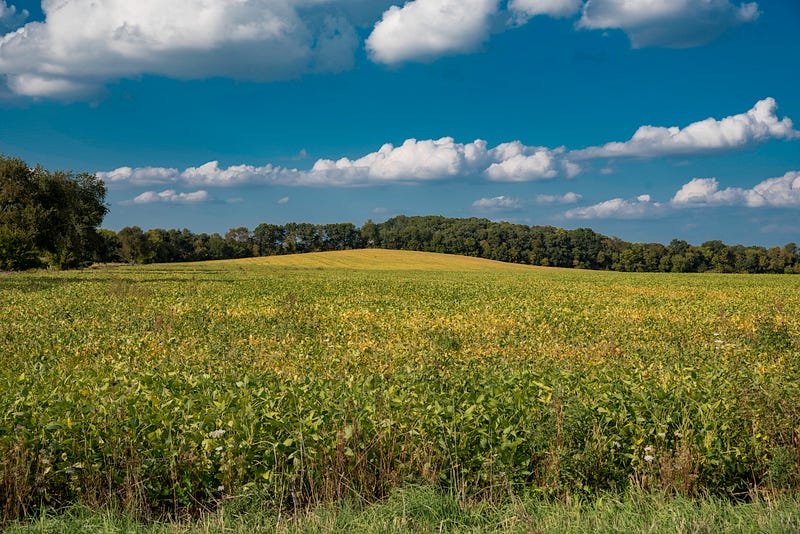
Photo by Good Free Photos on Unsplash

Farmland is in limited supply and cannot be easily expanded due to geographic limitations.

They are typically located in rural areas with limited access to transportation and infrastructure, as well as water limitations.

The value of farmland also depends on other conditions that are often out of human control, such as soil quality and weather. These factors make it extremely difficult to expand into new areas.

Furthermore, cities are growing and expanding, causing small farmland owners to sell their land to raise cash for personal and business expenses.

Many farmers sell their farmland to cash out on the value of the land when they approach retirement age, reducing the total supply available for agricultural use.

According to the United States Department of Agriculture (USDA), the total land in farms in the United States has declined from around 1.15 billion acres in 1920 to around 897 million acres in 2020.

6. Price Hikes
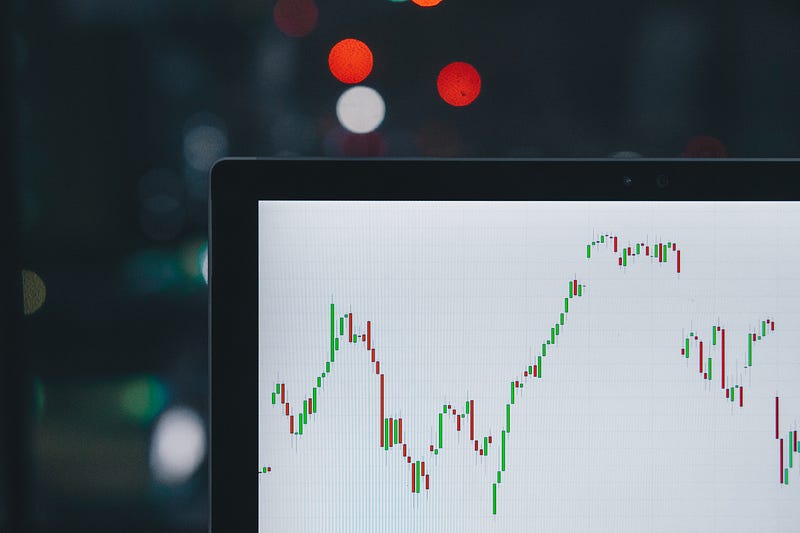
Photo by m. on Unsplash

The global demand for food is increasing at an unprecedented rate. In fact, according to the United Nations, global food demand is expected to increase by 60% by 2050.

Furthermore, climate change, natural disasters, and geopolitical tensions have also significantly increased food prices.

If we compare the prices of common food items in the United States between 2011 and 2021, we can see a significant change:

  • Milk prices are up 23.5%
  • Egg prices are up 47.1%
  • Ground beef is up 34.2%
  • Rice prices are up 19.5%
  • Potatoes are up 14.7%
  • Broccoli is up 22.9%
  • Lettuce prices are up 13.9%
  • Cheese prices are up 32.5%
  • Carrots are up 16.4%
  • Pasta prices are up 22.6%

As the price of food increases, so does the value of farmland. Billionaires who own farmland can enjoy higher profits from selling their crops and can also charge higher rent to tenants who want to farm their land.

Thus, while price hikes are affecting the lives of common citizens, they are increasing the income of farmland owners.

7. Lifestyle Investment
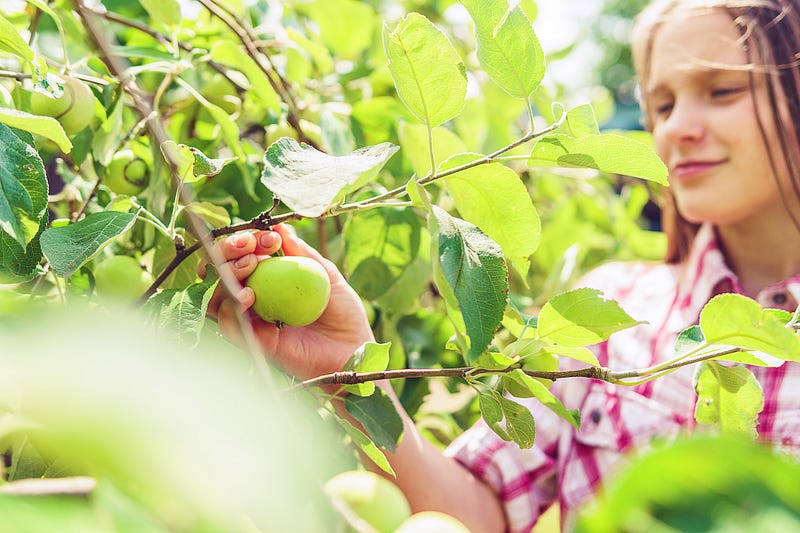
Photo by Vitolda Klein on Unsplash

For many billionaires, owning farmland isn’t just a financial investment, but also a lifestyle investment because farmland is a perfect place to escape the hustle and bustle of city life.

Apart from this, these lands are used for recreational purposes as well, such as hunting, fishing, and enjoying nature.

According to a report by the Land Report, many wealthy Americans use them as vacation homes. In fact, some billionaires have even turned a part of their land into their private golf courses.

Another interesting fact is that many billionaires come from families with farming backgrounds.

So, when they own farmland, they try to connect with their roots too.

Just like their ancestors, they also want to leave a lasting legacy that can benefit their future generations.

If you enjoyed reading this post, please take a moment to give it a clap or two. It helps to spread the word and share the knowledge.

Farmland
Billionaires
Investment
Investing
Billionairelifesyle
Recommended from ReadMedium