
7 Reasons I Believe that The International Community No Longer Exists.
From unity to discord: Exploring the disintegration of global cooperation; assessing the clash of Western values and global realities.
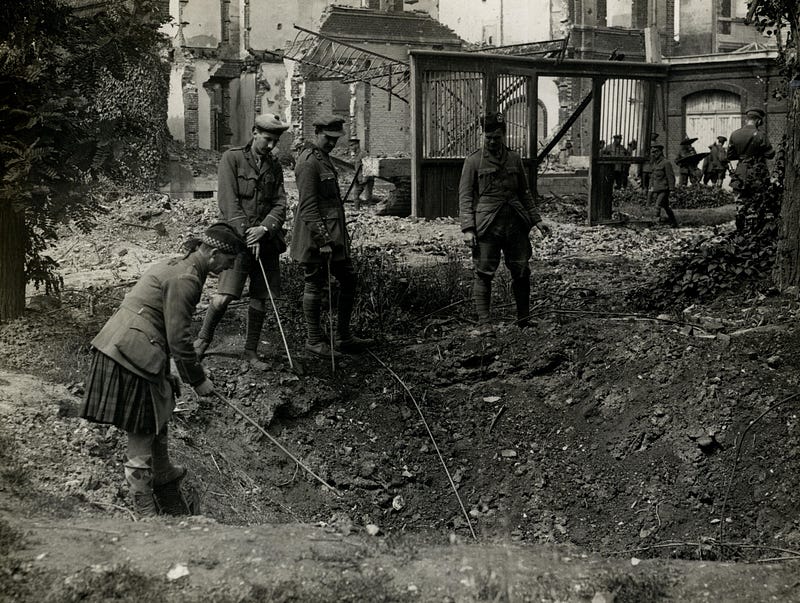
Our world has been scarred by the horrors of World War 1 and World War 2, claiming the lives of countless innocent individuals across the globe. In the aftermath of these devastating conflicts, we vowed “never again.” Yet, we grapple with genocide and racial and ethnic segregation, even within Western countries like the U.S. and South Africa. It is disheartening to realize that in the past, racial slurs were casually used against specific groups, deeming them subhuman and inferior. Adding to the complexity, the Cold War era cast a dark shadow, influencing conflicts such as the Korean War, the Vietnam War, and the Cuban Missile Crisis, which threatened to escalate into World War 3. While the world was divided into the Soviet and Western capitalist camps, certain international conventions were upheld and respected.
The United States and the West, the global police officers, were responsible for combating the evils of Communism and dictatorships in Third World countries. However, today, we find ourselves in a different reality. International conventions and the United Nations seem to have lost their authority. The rules and engagements that member countries of the UN National Security Council are expected to uphold and abide by are increasingly disregarded. Witnessing how Azerbaijan seized control of Qarabag, displacing the Armenian populations that once called it home, is disheartening. Similarly, the invasion of Ukraine and China’s ambitions to reunite with Taiwan raise serious concerns about the erosion of international norms.
Moreover, we now confront the rise of right-wing extremism and international terrorism, which breed violence and embrace ultra-authoritarianism. Despite harboring deep-seated animosity towards certain nations, the Global South aligns with countries that share their anti-Western sentiments. These shifts in attitudes among populations and leaders in various regions have further eroded the foundations of the international community.
In this blog, I will examine twelve compelling reasons why I can no longer believe in the existence of the international community. By delving into these issues, I hope to shed light on the challenges that have undermined the unity and collective action once envisioned as pillars of a harmonious global order. If we could stop focusing on preparing ourselves for WW3 and fight for a peaceful world, we want to leave behind our elderly, our children, our parents, and generations to come.
1) The hatred of the political establishment
Recently, a growing number of individuals, including myself, have found ourselves questioning the existence of the international community. Once seen as a symbol of collective global action and cooperation, this concept is losing its relevance and effectiveness. Despite the rhetoric of international collaboration, the international community has struggled to tackle pressing global issues effectively. The collective response often falls short of expectations from climate change to poverty, conflicts, and human rights abuses. The lack of decisive action and the failure to implement meaningful and binding resolutions highlight the limitations of the international community in delivering tangible results.
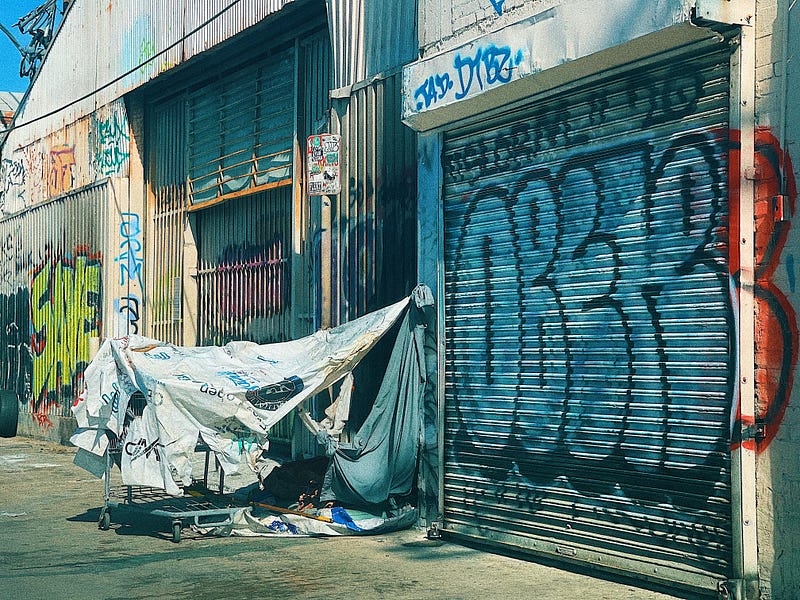
In addition, many societies worldwide have developed a disdain for the political establishment, and they are disappointed because the average citizen feels like the political establishment is not serving them but the interest of their own and other fellow politicians. We see the rise of inflation, the rent increase, the failure to resolve homelessness, income inequality, and the inability to resolve the crime.
This is why far-right and far-left politicians have come to power in many countries. Far-right and far-left extremists believe that they are the ones who are anti-establishment and will fight for the average citizen; in that case, they think that they can offer simple solutions to complex problems. For the right wing, it is about anti-globalism, anti-immigration, being ethnocentric, and preserving what they see to be their national identity. Power imbalances and selective engagement further undermine the international community’s credibility.
Powerful nations often wield disproportionate influence, shaping the global agenda to suit their interests. This unequal distribution of power raises questions about the fairness and inclusivity of decision-making processes within the international community. Far-left extremists also believe they have what it takes to fight for the average citizen who feels forgotten by the political establishment by focusing on basic needs, education, equality, and healthcare. They also want to offer a different political perspective on world affairs than the ones initiated by the political establishment in their countries.

2) Weakening of International Institutions
The erosion of trust in international institutions is further compounded by powerful nations’ disregarding international laws and conventions. Violations of sovereignty, humanitarian crises, and the lack of accountability for human rights abuses have all contributed to the skepticism surrounding the international community.
One example that highlights these concerns is the invasion of Cyprus by Turkey; the other example is Russia’s invasion of Ukraine, the tries of nuclear weapons. This act of aggression violated the principles of territorial integrity and sovereignty, undermining the credibility of the international community’s commitment to upholding these fundamental values. Similarly, the failure to effectively address humanitarian crises, such as those witnessed in various regions worldwide, raises questions about the international community’s ability to protect vulnerable populations and hold those responsible accountable.
Furthermore, the lack of accountability for human rights abuses committed by dictators and oppressive regimes is deeply troubling. The international community is responsible for safeguarding human rights and promoting justice, but instances of inaction or inadequate responses undermine this commitment. This failure to hold human rights violators accountable not only perpetuates suffering but also undermines trust in the ability of international institutions to deliver justice and protect the most vulnerable. These examples highlight the need for introspection and reform within the international community. It is crucial to address the shortcomings and restore faith in the effectiveness and relevance of international institutions. Transparency, accountability, and a commitment to upholding international laws and conventions are vital to rebuilding trust and ensuring the international community can effectively address global challenges.


3) The lack of political will to maintain global security.
Several UN Security Council member nations have been observed violating international order and sovereignty principles. For instance, Russia conducted a military invasion of Ukraine despite being a powerful country that had previously signed agreements and failed to abide by the rules of war. Similarly, under the administration of Xi Jinping, the Chinese government has expressed ambitions regarding Taiwan, claiming it as their territory. Additionally, we have witnessed conflicts such as the invasion of Iraq and the ongoing war between Israel and Hamas. These events highlight the existence of unresolved humanitarian crises and raise important questions regarding the beneficiaries of unjust wars that have yet to be adequately addressed.
In addition, numerous humanitarian crises persist worldwide, some of which have remained unresolved for decades. These crises, marked by severe suffering and deprivation, demand urgent attention and effective interventions from the international community. Furthermore, the issue of income inequality has become increasingly pronounced, with a stark divide between the haves and the have-nots. This growing wealth disparity has fueled anger, resentment, and a pervasive sense of being left out or marginalized among specific segments of society.
4) The failure to learn from past genocides, hate crimes and wars.
Moreover, the international community has shown a disheartening failure to learn from past genocides, war crimes, hate crimes, and prolonged conflicts. Despite the lessons of history, we observe a persistent inability to ensure stability in countries plagued by decades-long wars. Regrettably, the United Nations has struggled to devise effective strategies for fostering peace and security in these war-torn regions. Instead, grievance and divisiveness have supplanted thoughtful and principled approaches, allowing those in power to exploit and divide. Some anti-establishment figures manipulate grievances as distractions from their failures to improve the lives of their citizens.
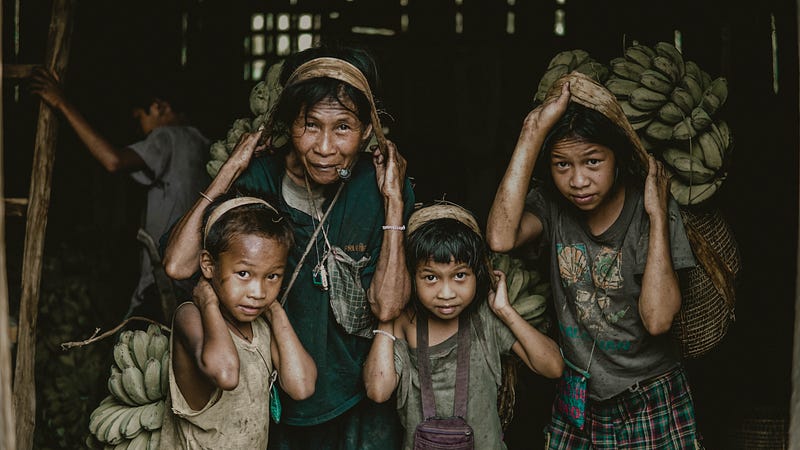
Furthermore, it is deeply troubling that many conflict-ridden countries possess valuable natural resources coveted by powerful nations. Tragically, this has led to the exploitation of vulnerable populations, including children forced into labor in mines, farms, and other forms of forced labor. It is distressing to witness the perpetuation of such practices, especially when adults who should know better are complicit in these violations in developing nations.
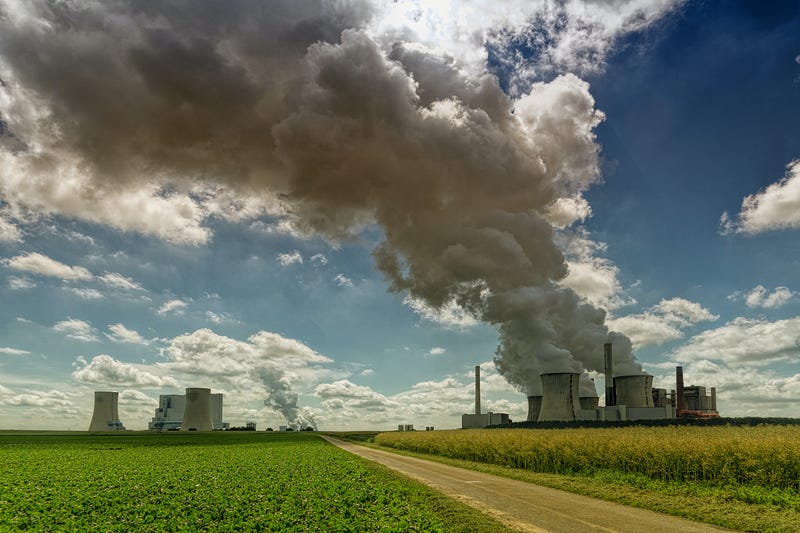
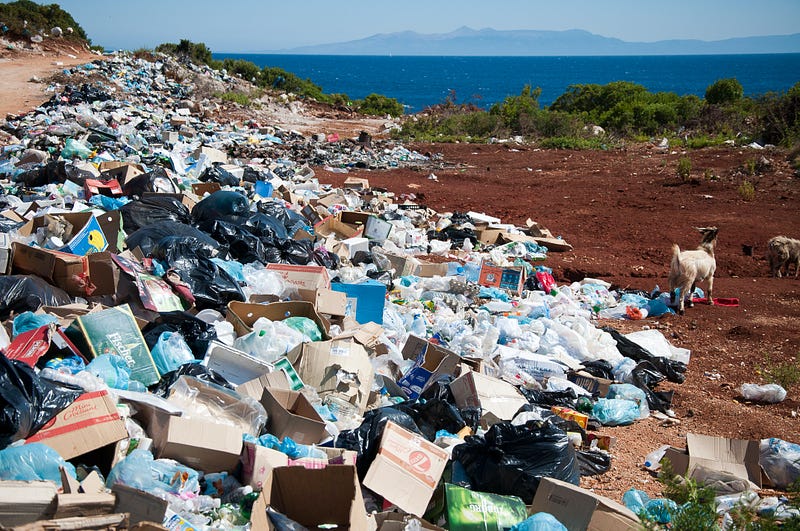
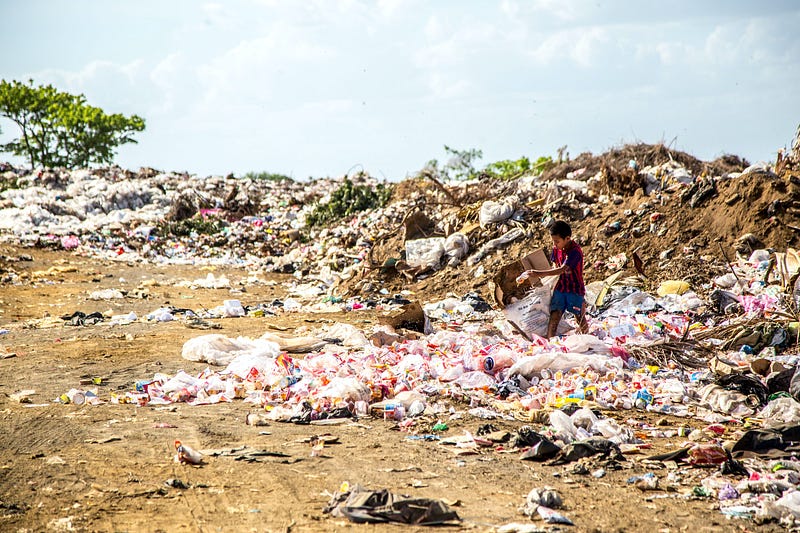
5) We as the international community dwell too much on problems, instead of acting upon beneficial solutions for all of us.
Another reason that has eroded my belief in a cohesive international community is the tendency for us, as members of this global community, to dwell on problems rather than seek practical and impactful solutions. We often squander valuable time and resources that could be dedicated to finding incremental, workable measures with short-, medium-- — , and long-term effects on the well-being of humanity and our planet’s ecosystems.
When confronted with challenges like climate change and climate change denialism, we tend to engage in a blame game.
One camp acknowledges the reality of climate change, while the other denies the existence of global warming. Unfortunately, there is a lack of emphasis on finding common ground to address pollution reduction, discovering innovative ways to mitigate the environmental impact of fossil fuels, and fostering dialogue with politicians and corrupt governments in developing countries. These governments bear responsibility for their populations’ suffering, often resulting in protracted conflicts, refugee crises, and the displacement of millions.
The international community has yet to provide adequate support and resources to leaders in some of the world’s poorest countries, assisting them in reconstructing robust and sustainable institutions. Such institutions are essential for upholding the rule of law and ensuring that displaced refugees can return to their home countries if some of them so desire.
6) The failure of the Global South to realize that Vladimir Putin and Xi Jinping are defending justice for the developing world.
Another reason many individuals, including myself, have lost trust in the international community is the susceptibility of the Global South to romanticized relationships with China and Russia. The Global South still clings to the ideals of the 1950s, 1960s, 1970s, and 1980s when the USSR and China portrayed themselves as champions of social justice, anti-colonialism, and anti-oppression in Third World countries. However, it is essential to recognize that the USSR no longer exists, and in present-day Russia, many hate crimes target individuals originating from the Global South. Tragically, the Russian government, led by Putin, has failed to address this issue adequately.
Similarly, under the leadership of Xi Jinping, China has become increasingly nationalistic and ethnocentric. This was evident when segments of Chinese society unfairly blamed Africans and foreigners for the COVID-19 pandemic. Furthermore, many countries in the Global South have fallen into debt traps due to infrastructure, housing, and agricultural projects funded by China. This aid often comes at the cost of granting China access to valuable minerals. The Global South must realize that both Vladimir Putin and Xi Jinping prioritize the interests of their own powerful nations, and it is not their responsibility to champion the causes of the Third World. Recognizing this reality will ensure the credibility of the Global South in the eyes of the West and other non-Western powerful countries.
Additionally, Russia’s economy is intertwined with other Western countries, and the imposition of sanctions due to its invasion of Ukraine has severely affected its economy. China, too, has faced economic challenges since the COVID-19 pandemic, and global supply chain disruptions have had far-reaching impacts. While racism exists in the West, minorities residing there generally enjoy greater rights than those in Russia and China, where protections and the principles of equality and human decency are often lacking.
While the Global South frequently criticizes the West for pursuing its own interests, it is crucial to acknowledge that China and Russia also act in their own self-interests. Unfortunately, this is the reality of how the world operates. It is the responsibility of nations in the Global South to approach geopolitics rationally and prioritize their own individual interests.
7) Russia and China want to challenge the West’s global world order without considering the repercussions.
Both Russia and China, as members of the BRICS group comprising Brazil, Russia, India, China, and South Africa, have ambitions to challenge the international order established by Western countries, which they perceive as imperialistic and colonialist. However, they often disregard the repercussions of their actions and fail to consider the global impact. For instance, Vladimir Putin’s invasion of Ukraine is accompanied by aspirations to annex Belarus, Poland, and the Baltic countries, driven by his desire to re-establish the USSR. Putin appears unable to move past the dissolution of the USSR in 1991 and the fact that the Russian Empire ceased to exist over a century ago.
China, too, raises concerns with its aspirations to “reunite” with Taiwan and its territorial disputes with Japan, India, the Philippines, and Vietnam over waterways and borders. Both leaders harbor hatred towards the West and its values. They align themselves with those in the West who fuel culture wars because they aim to prevent Western influences from permeating their own societies. This opposition extends to issues such as gender equality, minority rights, acceptance of non-binary individuals, LGBTQ+ rights, same-sex marriage, and parenthood — where Putin and Xi Jinping actively resist progress. They seek to preserve traditional values and gender roles in society, safeguarding what they perceive as the uniqueness of their nations. Unfortunately, in this context, they overlook the fears of populations worldwide, who dread the possibility of a devastating World War III.
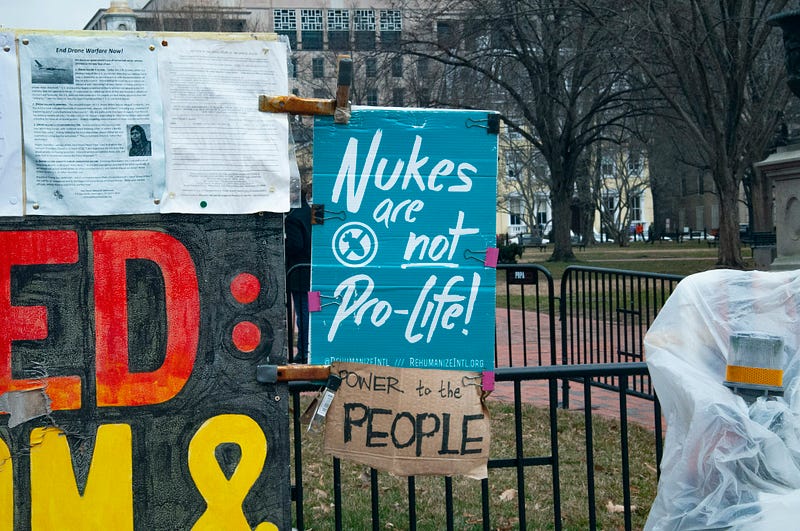
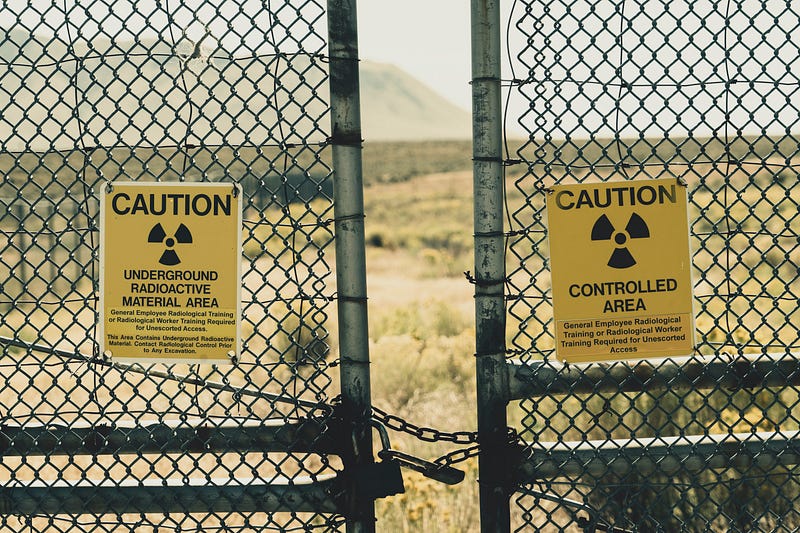
It is worth noting that both Russia and China possess nuclear weapons alongside other countries like the United States, the United Kingdom, France, India, Pakistan, North Korea, and others. It is unwise to jeopardize humanity over issues that could be resolved by pursuing workable solutions rather than perpetuating strongman tactics that cost countless lives.
Conclusion
In conclusion, the disregard for international laws and conventions and the failure to address humanitarian crises and hold human rights violators accountable have contributed to the skepticism surrounding the international community. It is incumbent upon us to critically examine these issues, advocate for reform, and work toward strengthening international institutions to restore faith in their purpose and ability to promote peace, justice, and cooperation on a global scale. I have also highlighted Russia and China’s ambitions to challenge the Western-dominated international order, their resistance to Western values, and the potential dangers posed by their actions, including territorial disputes and the possession of nuclear weapons. The revised version also emphasizes the importance of seeking peaceful and workable solutions to global problems instead of resorting to tactics resulting in life loss.
Based on our experiences and observations, many individuals around the world, including myself, have lost trust in the effectiveness of the international community. Despite promising to learn from past mistakes, humanity stumbles and falters. This is more evident than in the developing world, where millions of people grapple with lawlessness, poverty, inadequate healthcare, substandard education, rampant corruption, human trafficking, and animal trafficking. Shockingly, the global response remains largely silent in the face of dictatorships and drug trafficking. It is disheartening to witness how warlords, terrorists, and human rights violators exploit drug trafficking to finance wars claiming innocent individuals’ lives. This cycle of violence perpetuates suffering and prevents progress in societies already burdened by immense challenges.
We must collectively reflect on the kind of world we desire for future generations. Do we want a world where lawlessness, poverty, and corruption persist? Are we willing to tolerate the silence surrounding dictatorships and drug trafficking? The answer, I believe, is a resounding no. To build a better future, we must prioritize addressing these pressing issues. We need concerted efforts to establish and uphold the rule of law, alleviate poverty, enhance healthcare systems, ensure quality education, combat corruption, and eradicate human and animal trafficking. International cooperation and collective action are essential to confront the root causes of these problems and create lasting change. We owe it to future generations to create a world that values justice, equality, and the well-being of all. By actively working towards these goals, we can forge a brighter future and break the cycle of disappointment and despair that has plagued us for far too long.


