
7 Positive Traits Parents Can Teach Their Children
It’s all about setting an example
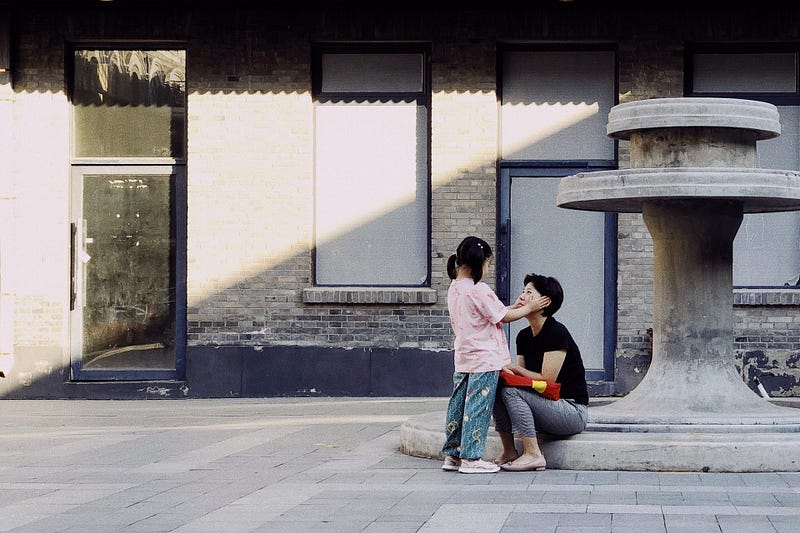
Parenting, according to psychologists, should be ideal. Reality shows us that there are many flaws, as many as they can be in any person’s life. In some cases, children learn things the hardest way, when their parents cannot control themselves in front of them and they argue or even fight each other.
Parents are simply human beings and not many of them know how to be perfect parents, even if this comes naturally for others. Trying to be the best version of themselves will help parents to teach their children well. One of the best ways to properly teach children about life is the power of example. Here are 7 important traits that children can learn from their parents:
1. Appreciation
Learning to appreciate things and people
As a parent, you should appreciate what your child shows you, no matter if it’s a toy, something constructed from toy bricks, or a drawing. You will teach your child in this way that appreciation is a valuable thing. Praying at the table before every meal teaches children to appreciate the things they receive.
You can practice appreciation in your family. Appreciate your spouse, and your child will learn from this!
2. Moral Values
Learning to become good people
Moral values, like compassion, respect, and kindness are sometimes learned better when children see this at their parents as an example. Parents can treat their children kindly, but it is best when they treat each other with love and children see this, learning that it is the way humans usually behave. If this behavior is normal for their parents, it will be the normality for their offspring, and they will grow harmoniously.
Moral values are amongst the most important traits that parents can innoculate in their children. Teach your child to become an adult who has moral standards!
3. Communication
Learning to clearly say what they want
Communicating to your little one is a thing that requires patience and perseverance. Children can understand more than their parents think, but sometimes they can get it all wrong, so it is very important to know the impact that your words may have on your children. It is indeed a struggle sometimes, especially with children nowadays always wanting to be on the phone, on the TV, or on the tablet. They require more attention, so make sure they are not looking for an escape from your negative parenting methods in cartoons or non-stop gaming.
By communicating well with children, parents can establish a sort of friendship with them. Talk to your child once in a while and find out about desires, fears, or things that awaken the child’s interest!
4. Tolerance
Learning to not criticize unconstructively
A child that is constantly criticized cannot develop harmoniously. Again, it is important to know what the impact of your words is in the long-term, and that the effects can sometimes be for a lifetime. By constantly criticizing your children, you will ensure that they will criticize others when they become adults.
Criticism should be there only when it’s really needed and in a positive manner!
5. Understanding
Learning to understand people
Peace, love, and understanding is the key to happiness in any family. If parents get along well and they also communicate with their children positively, it is awesome! Even if they make mistakes, try to explain to them what they did wrong and why they shouldn’t repeat what they did. Do this with kindness and understanding and the child will learn to do the same after growing up.
By communicating well with their children, parents can establish a sort of friendship with them. Understand your child and be the best friend your child can have!
6. Joyfulness
Learning to always enjoy life
Children are naturally joyful, they want to play all day long and they laugh a lot. This behavior should always be encouraged. If parents can make the time to play with them as much as possible, this can make them relive their childhood and also help children to learn that life can be joyful, that people can be fun to be around. On the opposite, a violent and stressful family ambiance can really take children into depression.
You shouldn’t create unnecessary stress in the family. Instead, bring joy as often as possible!
7. Cooperation
Learning to help other people
The best way to teach your children cooperation is to play a team game of some kind. You will also learn many things about your children in the process. A child’s individuality is as important as knowing how to help others or simply be part of a team, in order to learn cooperation.
Practice teamwork and cooperation with your children in the way they like, by playing! They will learn how to work with others and how to help others.
Parents should always remember: the things they do around their children will define their adulthood later because they will consider these things their normality. It’s all about the example you show to your offspring. Whatever you do, they will tend to copy. You should be a positive example for them and you will later rip the benefits!