7 Ridiculously Expensive Things In The World That Will Make You Question Your Existence
The most expensive jaw-dropping things — Things that will leave you breathless.
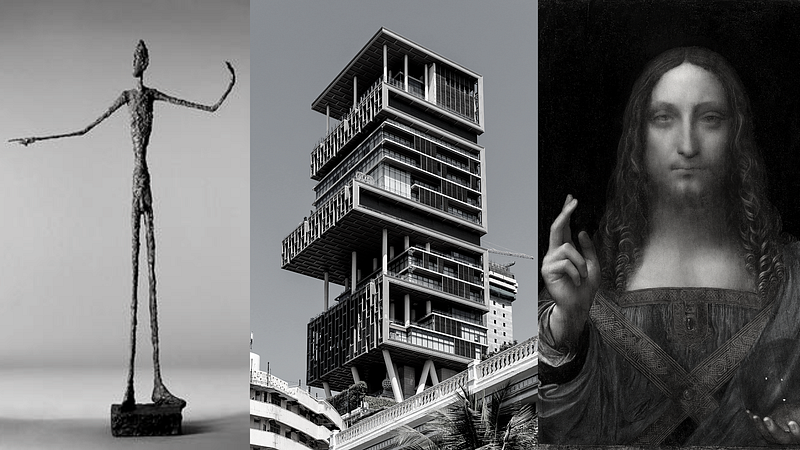
We all know that money can buy a lot of things, but have you ever wondered what the most expensive items in the world are?
From the most expensive car ever sold to the most expensive painting ever made, there are some incredibly pricey items out there.
In this article, we’ll be taking a look at the seven most expensive things in the world and discussing why they cost so much. So, without further ado, let’s take a closer look at these expensive purchases.
7- The James Webb Space Telescope — Life Beyond Earth

The James Webb Space Telescope (JWST) is the most expensive and ambitious space telescope ever made. It is estimated to cost around $10 billion, making it the world’s most expensive telescope.
The JWST will be the premier observatory for infrared astronomy and its observations will provide insights into the formation of stars and galaxies, and the evolution of the universe.
It is scheduled to be launched in 2021, making it one of the most advanced pieces of technology ever created.
Its sheer size and complexity make it truly a remarkable engineering feat, and one that will help push humanity further into the unknown.
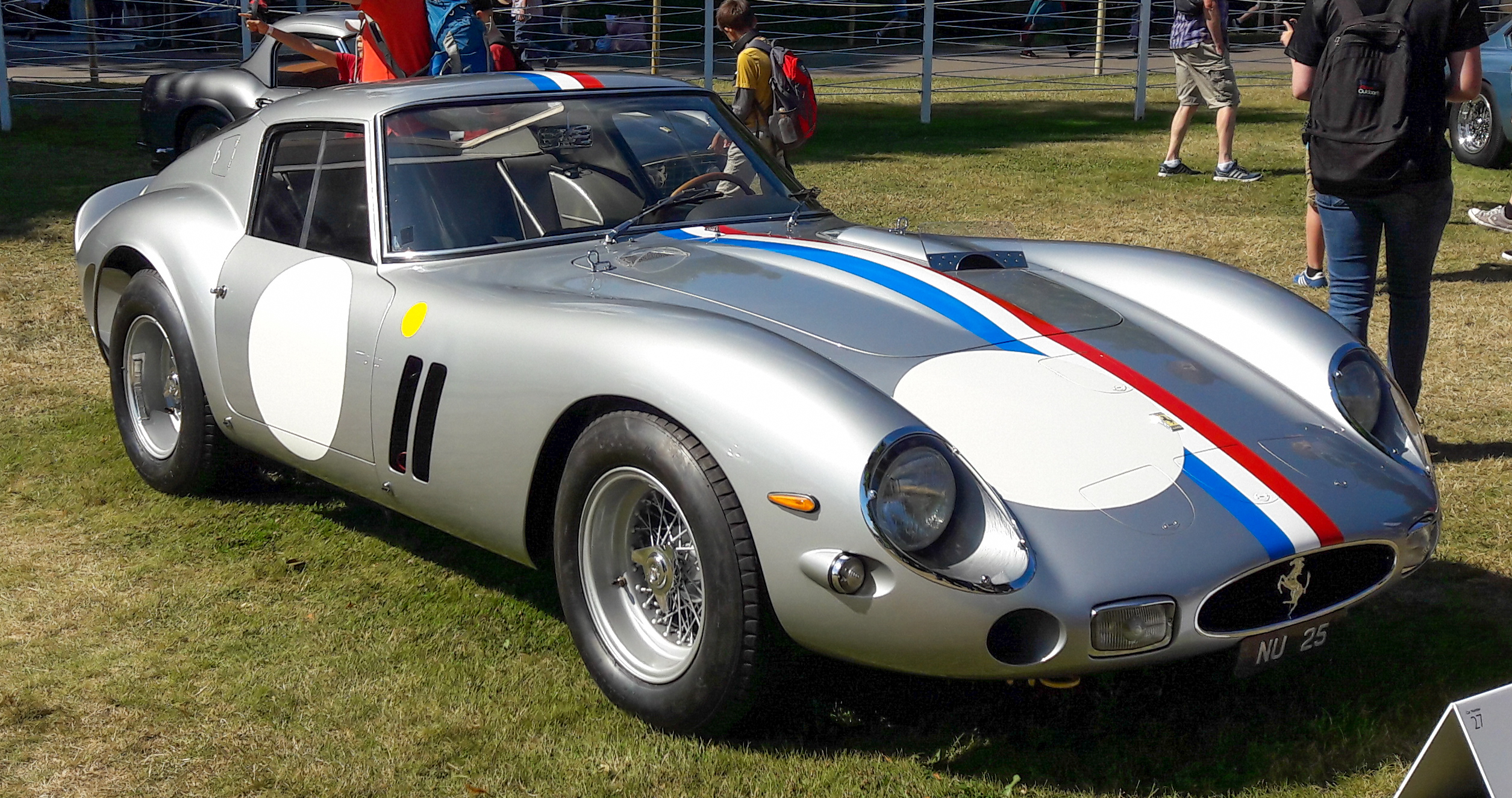
6- 1963 Ferrari 250 GTO — The Ultimate Classic Car
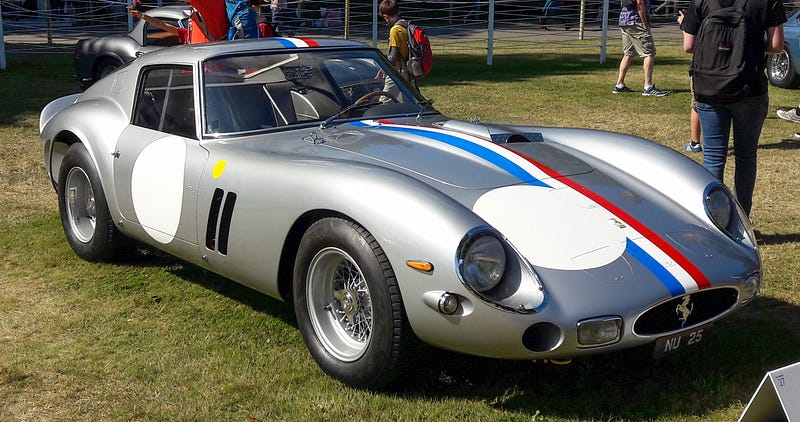
The Ferrari 250 GTO is a true symbol of luxury and power. Produced by the iconic Italian manufacturer, Ferrari, in 1963, this car quickly became the most expensive car in the world and is still the most sought-after classic car.
It is estimated that only 39 units were produced and the average price for a Ferrari 250 GTO is around $48 million. This vehicle was used in racing competitions in the 60s and 70s and its popularity continues to be strong among car collectors and enthusiasts.
Its powerful V12 engine can produce an amazing 300 horsepower, making it one of the most powerful cars of its time. The Ferrari 250 GTO is truly a symbol of exclusivity and power and its value will likely continue to increase in the future.
5- The Pink Star Diamond — A Rarity Among Gems
The Pink Star Diamond, also known as the Steinmetz Pink, is the largest and most valuable cut diamond in the world.
The diamond was mined by De Beers in South Africa in 1999 and weighs 59.60 carats. It was cut and polished over a period of two years by the Steinmetz Group, leading to its name.
In 2017, it was auctioned off for an astonishing $71.2 million by Sotheby’s Geneva, making it the world’s most expensive diamond ever sold at auction.
It is currently owned by the renowned diamond cutter and dealer, Chow Tai Fook Enterprises. The gem is classified as a vivid pink diamond, which is the highest grade for color intensity.
Its remarkable size and beauty make it one of the most sought-after diamonds in the world.
4- The Pointing Man Sculpture — A Tourist Attraction Or Art Masterpiece?

The Pointing Man Sculpture is a bronze and marble sculpture created by Swiss sculptor Alberto Giacometti in 1947.
It stands at an impressive six feet and two inches tall and has become one of the most iconic and expensive sculptures in the world.
It was sold for an astonishing $141.3 million in 2015, making it the most expensive sculpture ever sold at the time. This record-breaking sale makes The Pointing Man one of the most expensive things in the world.
It features an elongated figure standing in an attitude of contemplation with its arm outstretched and index finger pointing towards the sky.
Giacometti created this piece as a representation of the human experience, expressing feelings of isolation and alienation.
The Pointing Man is truly a masterpiece that stands apart from its contemporaries and captures the eye of all who view it.
3- The Dream Jet BBJ B787 — The Ultimate Luxury Flying Experience
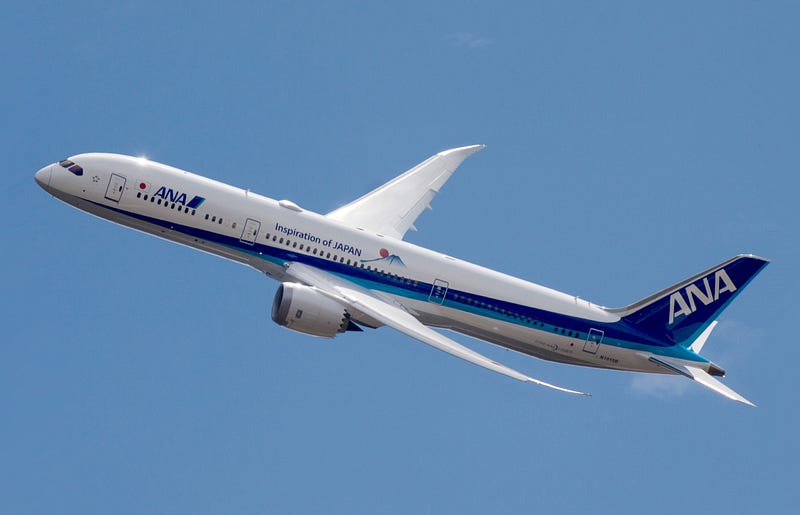
The Dream Jet BBJ B787 is the world’s most expensive private jet and it is worth an astonishing $100 million.
It is a Boeing Business Jet, which is tailored to meet the customer’s needs, and comes with amenities such as luxury bedrooms, full-size bathrooms, and even a private office.
It can seat up to 40 passengers and has a range of over 5,000 miles without refueling. It is powered by two General Electric GEnx-1B engines and has a range of over 16,000 km.
The Dream Jet BBJ B787 is the perfect choice for those who value luxury and comfort. It is no wonder that this jet is one of the most expensive items in the world.
2- The Salvator Mundi — A Look At The Most Expensive Painting In The World
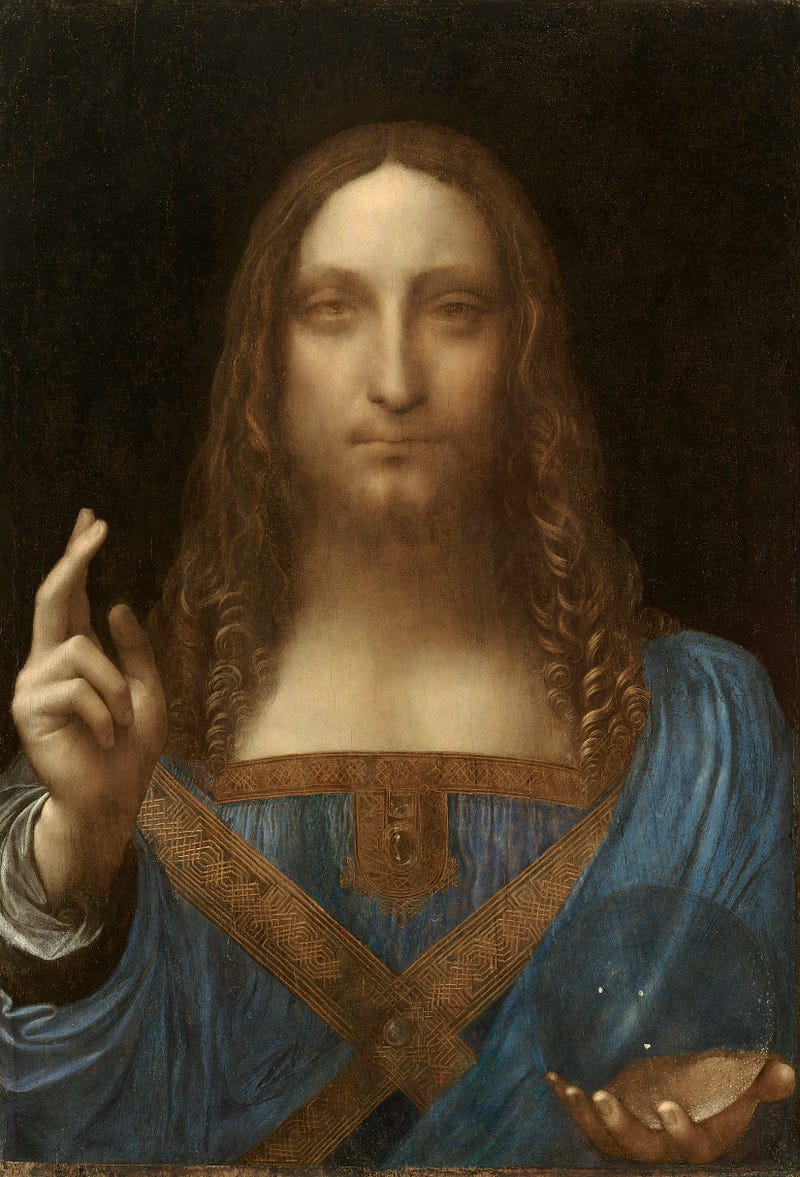
The Salvator Mundi, also known as the Savior of the World, is one of the most expensive pieces of art ever sold. This painting was painted by Italian Renaissance artist Leonardo da Vinci in around 1500 and is one of fewer than 20 surviving paintings from da Vinci.
The painting was sold at auction in 2017 for a staggering $450.3 million, making it the most expensive painting ever sold.
The painting features a half-length figure of Jesus Christ, holding a crystal orb in his left hand and raising his right hand in a blessing.
It is a dramatic representation of the divine and human natures of Christ and has been praised for its beauty and historical importance.
This painting has long been an object of fascination for art collectors and scholars alike.
The painting has been in the possession of some of the most influential people in history, including King Charles I of England, Catherine de Medici, the rulers of France, and even Henry VIII.
Today, the Salvator Mundi remains one of the most expensive pieces of art ever sold, a testament to both its historical significance and its artistic value.
1- Antilia — World’s Most Expensive Home
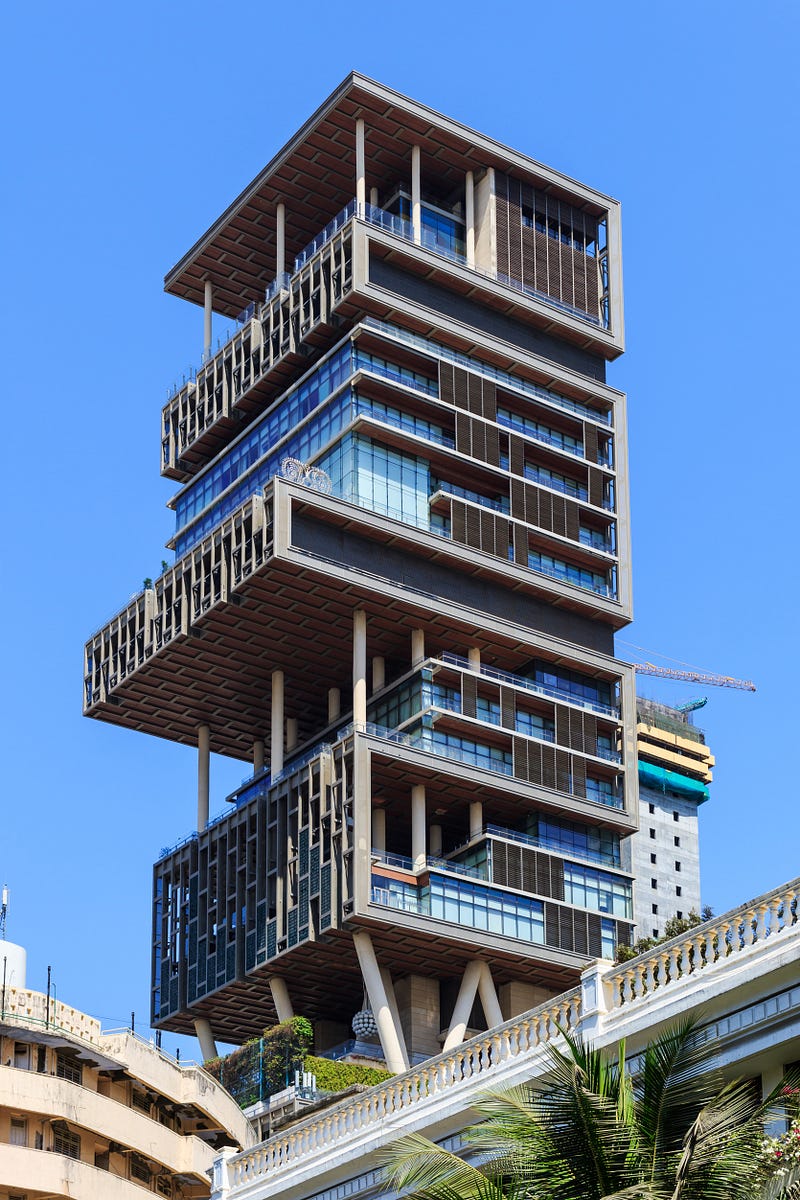
Located in Mumbai, India, Antilia is the world’s most expensive residence. It is owned by Indian billionaire Mukesh Ambani, who also owns Reliance Industries.
The building cost an estimated $2 billion and is a towering 27 stories high. It features three helipads on its roof, a gymnasium, a ballroom, a movie theater, a swimming pool, and several other luxury amenities.
The building is serviced by 600 full-time staff members and its firefighting unit. Antilia is an example of extreme wealth and luxury that few can access.
Points To Ponder
When it comes to the most expensive things in the world, there’s no doubt that some of them are truly extraordinary.
From the 1963 Ferrari 250 GTO to the Antilia, these items are not only expensive, but they are also symbols of immense wealth and power.
Although many of these items cannot be purchased without a significant amount of money, these items remain an inspiration for those who dream of one day owning something as luxurious and expensive as them.
No matter what you have to spend, these seven most expensive things in the world will certainly provide a glimpse into a life of ultimate luxury.
Join Medium Today
More from the author: