
7 Noteworthy Tips to Make Your Writing Freakishly Creative
Few things I journaled over my journey.

There are gazillions of posts on the internet. A few of them, I read every day for my inspiration. Most look similar, some crappy, and yes, some are super-great.
- Few writers posit magic in their words,
- Some flaunt their skills on Canva,
- And some gifted dudes sketch their own cartoons.
These skills set their posts apart from the rest, and the readers get an additional reason to love their posts. And that’s creativity.
Creativity isn’t taught at school. Some lucky people get it by birth and some acquire it through their experiences. The more creativity a writer has, the more his readers enjoy reading his works.
Here I give you few tips for creativity I journaled in my writing journey.
Let me divvy them up in two parts.
- №1 — Blogging tips for creativity.
- №2 — What you can do in your downtime to boost your creativity.
This is gonna be a long piece, but it’s worth every word you read.
№1: Blogging tips
1. Tell, better speak, but don’t inform.
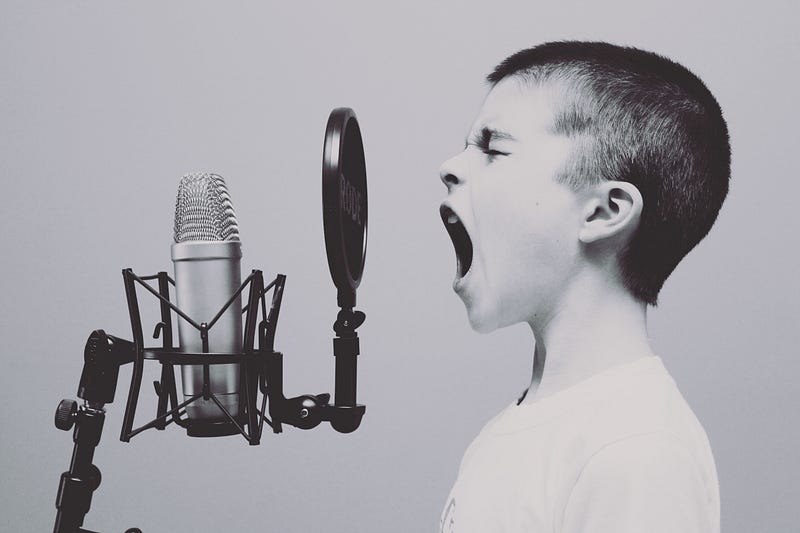
Suppose you’re writing a piece on self-improvement, and you’d like to share something you’ve read the previous day about how to beat procrastination.
Now. Make sure you don’t just recite the advice like you did in your childhood before your kindergarten school teacher. Just don’t make the mistake, if you’re doing already. Readers come for first hand experience, not information.
They already got lots of information on the internet. Give your readers your opinion on the advice, and how it improved your life after you effectuated it yourself. So they’ll have an idea how their life would be after they follow your advice.
Or if you’re a tech writer, just don’t only mention the list of specifications. Tell the geeky readers how the features improve their productivity. Treat your reader as your friend, write like you’re speaking to him. You’re an actual human. Show your feelings.
2. Combine writing with another art form.
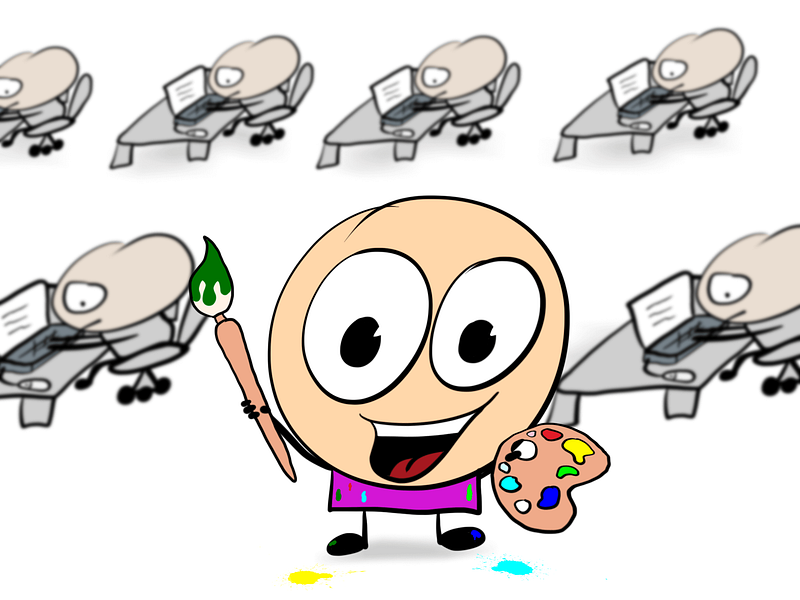
“The person who follows the crowd will usually go no further than the crowd.” -Albert Einstein
When you do the same things as others do, how could you expect to go places they could never reach? Huh?
Let me be frank, I’m lucky you’ve clicked on this piece and are reading my sentences. Had you scrolled faster before, you’d have missed this piece and have been reading a post by maybe Tim Denning or any other writer. Don’t worry, they’re equally good as me, and some are better too.
Now comes the question, how I could, or you could posit something unique to your posts, so readers come only for that?
I believe it’s art.
When I tried editing before I started on Medium, it was too knotty. I didn’t understand all the sophisticated functions. It took me too long to edit my dog’s funny photo. After I began writing, I once needed a picture the internet doesn’t have. So, the only option I have is to create it myself. And Plato was right.
Necessity is the mother of invention.
I edited a couple of stock pictures for my articles my own way. They looked simple, but looked far more click-inviting. And I owe much credit for the article performance for those pictures.
Editing is something I started doing when I got burned out of writing. It regained my confidence in my creative abilities that I lost when I joined university and only studied all day and night.
So try pursuing any art. Few suggestions — making videos, music, dance, drawing, martial arts, etc. You don’t have to be super good at them. Just find the line and marry the art with writing.
You’ll eventually become a better and confident writer. Your passion towards writing reverberates on the art as well.
3. Garnish your writing with humour.

“Hey Nikhil! I’ll skip this tip, as I have very bad sense of humour.”, I hear someone saying. Nevertheless, let me tell you how easy it is to imbibe humour into blogs without appearing desperate.
Humour in writing is like shots of dopamine a reader gets which would obsess him to read your post further and further. After all, who likes to go away from humour? The advantage of humour is — you can slap it onto any topic.
Writing obviously couldn’t make readers squirt out their regurgitated matter like Just For Laughs and Gags does. But, a bit, a li’l bit of humour always helps you gain amity. Just make sure they don’t reach extremes and spoil moods, you don’t want it. Even if you can’t make humour, try.
Few tips to making humour:
1. Use metaphors:
Oxford says: Metaphor is a figure of speech in which a word or phrase is applied to an object or action to which it is not literally applicable.
Metaphors are often added by comedians to create a funny picture of something in your head. English already has a ton of funny metaphors, but a good news — You could create your own, and they’re still valid.
Here are few examples:
- She walked into my office like a centipede with 98 missing legs. Source.
- After sending in my entries for the Style Invitational, I feel relieved and apprehensive, like a little boy who has just wet his bed. Source.
Hope you already got ideas.
2. You’re a loser. Wait! Just assume it.
I’m bad at self-depreciating humour. (You believed it? Look what I did here!)
Your readers have already put a decent impression on you reading your awesome pieces on self-improvement or writing advice. Some envy you, some praise you, some even worship you. However, when you make fun of yourself, you appear more human to your readers. It makes them feel better about themselves too, as you’re not perfect either, apparently.
Self-depreciating humour has an additional benefit— You can get that joke out to the world without the risk of slapping it on anyone. If you really want to play a joke on a set of people, include yourself in. So they’d get the point but pacify the poke with the apparent fact you’re in the party. Stay clever ツ
Example: We humans always need examples to understand something.

3. If you feel the joke isn’t great, here’s a weapon.

If you feel the joke isn’t surefire to bomb, still crack it. But confess yourself beforehand.
𝟦. 𝖴𝗌𝖾 𝖴𝗇𝗂𝖼𝗈𝖽𝖾 𝗍𝖾𝗑𝗍
This text seems different from all the previous text right? That is Unicode text.
Unicode text gives you extra liberty in formatting than the platform gives you. It makes your text visually appealing. You could highlight important text to gain the readers’ attention.
Few examples:
- 𝐓𝐡𝐢𝐬 𝐨𝐧𝐞
- 𝕿𝖍𝖎𝖘
- 𝓞𝓷𝓮 𝓶𝓸𝓻𝓮
- 𝔗𝔥𝔢 𝔚𝔞𝔰𝔥𝔦𝔫𝔤𝔱𝔬𝔫 𝔓𝔬𝔰𝔱 𝔣𝔬𝔫𝔱
- cんノ刀乇丂乇
- ᴺᵉᵉᵈ ᵃ ᵐⁱᶜʳᵒˢᶜᵒᵖᵉ?
- ǝɔᴉʌǝp ɹnoʎ uɹn⊥
I occasionally use Online Unicode Tools for the job, you could give it a try too.
5. Write today, edit tomorrow.
Linger it, properly.
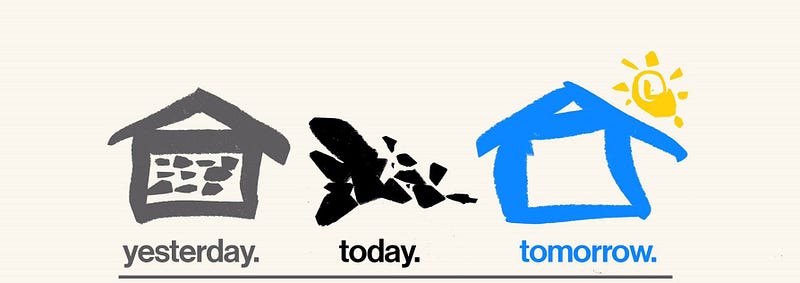

The first draft always appears to be extraordinary (apparently). It demanded you sitting before the machine for endless hours, spilling blood on the keyboard, and got your fingers numb. So you respect your hard work. You publish it and end up getting undeserving response. Heck…but why?
The excitement to publish doesn’t let you identify the grammatical errors, flow interrupts and unnecessary explanations, and curbs ideas to further improve it. It’s simply a half-baked bread (metaphor alert!) that cannot wait to get chomped on. And how does it taste? Yuck!
So next time you feel too itchy after the last word, take a deep breath, keep the device away and go for a walk.
Try lingering it in the draft list for about a day or two, and proofread it with a fresh mind. Now, I can assure you you’ll find flaws here and there. Sort them out and get your rocket ready for launch.

№2: Downtime tips
1. Develop a “Media diet”.
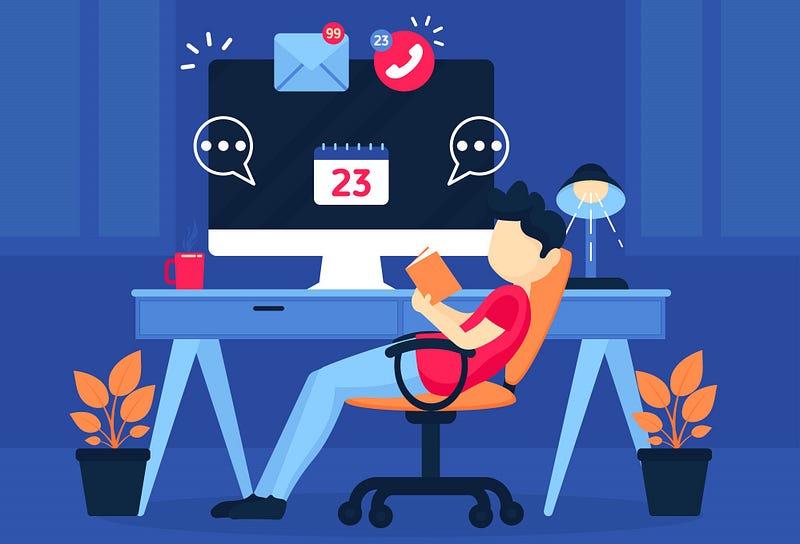
Content is meant to be consumed, but don’t forget to treat it like the food you eat. Keep it light. Many people subscribe to hundreds of YouTube channels, watch dozens of series on Netflix everyday, read tons of blogs, doomscroll on Instagram, binge at nights. I wonder how the heck do they get time to think anything?
By consuming excessive content, your brain loses its very basic function — Thinking, because you’re always busy appreciating other’s creativity. Every “like” you get, every video notification, every message and every mail you receive, offers you a shot of Dopamine that gives a sense of false attainment, and curbs the ability to think further, and you’d never want it.
So just allot a specific time of the day for content consumption, better try using it for inspiration. Here I tell you the best content — Books. Why?
When you watch videos or scroll through photos, you’ll only see what’s there. What else can you imagine out of a celebrity’s photo? However, when you read books, you’re open to new ideas. Your brain lets the words portray an image of the characters and screenplay. Now — It thinks. This improves creativity.
2. Maintain an idea journal.

“Since the universe is infinite, that inspires me with endless ideas.”
-DJ QBert
Ideas are undoubtedly endless. When I started writing, after few pieces, I got afraid I’ll run out of ideas. However, they kept on coming to the extent I needed a journal to jot them down before I forget. Writing became effortless with my journal — I just sit before my keyboard, open journal and only add flesh to my ideas. This post isn’t an exception.
It made me a better thinker and observer. Every idea I note down forces me to think deeply about it. Now, I’d like to confess ‘When do I get the most ideas?’
In the SHOWER.
How and why? Science says:
- A lot of Dopamine is released in shower. This relieves the brain from the stress caused by thinking and allows to think better.
- It’s a safe place. You can imagine anything and you aren’t put accountable for that.
- You are distracted. Distraction gives a break for the subconscious mind and it can work on a problem more creatively.
According to a study conducted by cognitive psychologist Scott Barry Kaufman, 72% of people get creative ideas while in shower.
Bonus Tip: Meditate.

Whether you’re a blogger, artist, employee, entrepreneur, or just a person who does nothing, meditation always helps you live better and do better.
Let me explain you naively how meditation helps gain focus and control over your life:
Most meditations suggest you to focus on breathing, so you subtly force your mind’s monkey to do so. The focusing slowly sets the monkey’s naughty capers right, getting you rid of unnecessary thoughts, even when you’re not meditating. So you could then focus only on important things.
“Regular meditation brings you to a stage where you lose the need to meditate”
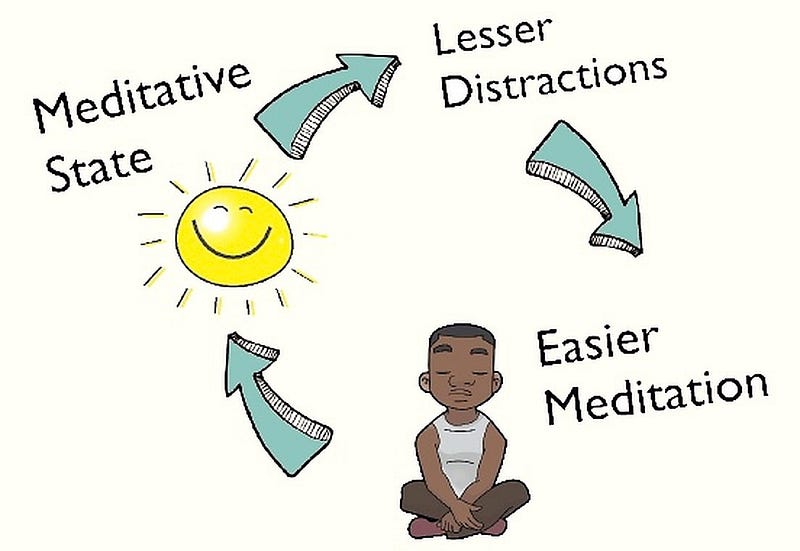

“A disturbed mind is never happy.” — Kamlesh D Patel.
The meditative state you obtain by regular meditation slows the world down for you and makes room for calm and creative thinking. You’ll get endless ideas for writing. Trust me. I’ve experienced it.
If you’re curious, I practice Heartfulness meditation.
Conclusion:

“Creativity is endless, the universe might or might not be.”
Unless you’re improving yourself everyday, you can’t call yourself a writer.
All these tips are from my perspective. They worked effectively for me, and will work greatly for you too. We are trained to confine improvement to outwards. It shouldn’t be so. Improve your inner self to see the most immense changes.
Thereby, your life improves, and creativity is just a milestone. Creativity is endless, the universe might or might not be.
Summary:
- Tell, better speak, but don’t inform.
- Combine writing with another art form.
- Garnish your writing with humour.
- Use Metaphors.
- Self-depreciating humour helps.
- Confess a lame joke beforehand.
4. Use Unicode text.
5. Write today, edit tomorrow.
6. Develop a “Media-diet”.
7. Maintain an idea journal.
8. Meditate.
More related stories by me: