
7 Natural Ways to Lower Your Blood Pressure
Treat hypertension with these practical suggestions
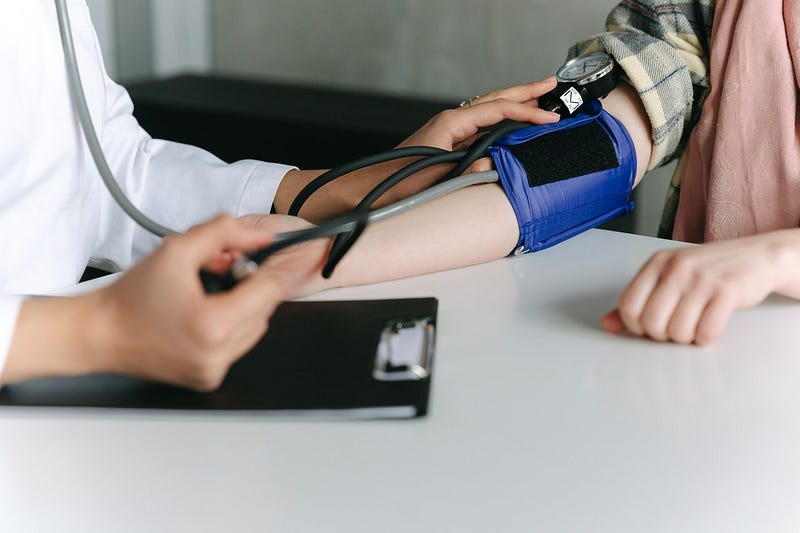
High blood pressure is nothing to play around with. Left untreated, hypertension can cause headaches, stroke, heart attack, or even death. Fortunately, you can take steps to prevent these serious side effects. If relying solely on prescription drugs isn’t your thing, experiment with some of the natural remedies below.
1) Try apple cider vinegar
Apple cider vinegar, commonly referred to as ACV by the holistic clan, can effectively lower blood pressure for some patients. In fact, just 3 teaspoons a day can help some individuals control their hypertension. That’s because apple cider vinegar helps lower cholesterol, promote weight loss, reduce renin activity, and decrease blood sugar levels.
However, apple cider vinegar isn’t a good choice for everyone. Limit or avoid ACV is you have esophagitis, as the acetic acid can worsen your symptoms. One patient even developed an esophageal ulcer after consuming a vinegar-based drink daily.
Apple cider vinegar can also damage the enamel on your teeth, cause digestive problems, or decrease your potassium levels. You may even experience bone loss and other serious problems.
2) Call a friend
Sometimes you just need a sympathetic ear. When you’re feeling down, call somebody who gets it. A brief phone call can cheer you up and keep you calm, decreasing the risk of hypertension. In fact, research reveals that having a good support system also lowers your chances of developing depression and can even help you maintain a healthy BMI.
3) Break a sweat
The American Heart Association recommends that people with hypertension exercise at least 30 minutes a day, 5 days a week. This is similar to the advice my doctor gave me, which is to exercise at least 30 minutes a day, 6 times a week. It’s okay to break up the 30-minute workouts into shorter workouts if needed, such as three 10-minute workouts per day.
If you follow these weekly exercise guidelines, Mayo Clinic says you may notice reduced blood pressure after just 1 month. However, it may take up to 3 months for you to see an improvement, and you must continue exercising regularly to maintain your improved blood pressure readings. Following this workout schedule may help reduce your diastolic blood pressure by 4 to 12 mm Hg and your systolic blood pressure by 3 to 6 mm Hg.
4) Maintain a healthy weight
Weight loss is one of the best ways to lower your blood pressure naturally. For every 20 lbs you lose, your systolic blood pressure can decrease by as much as 20 points. Simply put, that’s one point for every pound, so even losing just a few pounds can help.
You can lose weight by exercising regularly or following a healthy diet. After losing weight, make sure you maintain a healthy body weight. Yo-yo dieting is bad for your blood pressure and can cause fluctuations.
5) Limit stress
Avoid things that stress you out whenever possible, as stressors can make your blood pressure spike. Some triggers — like your boss and your crazy mother-in-law — are unavoidable, so work on your coping skills. Coping methods include deep breathing, meditation, and gratitude journaling.
Take time to relax each day, even if you can only sneak in a few minutes of quiet time. I know many of you are tired of hearing about the importance of self care, but self care can help keep your blood pressure in check. Turn off the phone and computer, hide from the kids, and enjoy a few minutes alone in a dark, quiet room. Your sanity — and your blood pressure — will thank you.
6) Unleash your creative side
Journal, sing, or paint your pretty little heart out. If those things don’t work, find another creative outlet. Doing creative activities you enjoy helps reduce stress and lower blood pressure. As an added bonus, creative hobbies can also boost brain health and improve your mood.
7) Watch your diet
Binge-eating junk food won’t do much for your hypertension, so try a healthy diet rich in fruits and vegetables. Be careful when choosing packaged or processed foods, as these are often high in sodium. Remember, just because a wrapper says a product is healthy doesn’t mean that it actually is. Learn to see through the false claims and eat foods that are actually good for you.
Meat, dairy products, and eggs typically aren’t great ways to ward off heart disease. Meat contains plenty of sodium and fat, just like potato chips and other stuff you shouldn’t be eating. Dairy products are often high in fat and cholesterol, both of which can negatively impact your blood pressure.
Consider going vegan or vegetarian for awhile, or at least try to incorporate more plant-based recipes into your meal rotation. Research indicates that vegans and vegetarians typically have lower blood pressure than meat eaters. To back up this point, one study followed 26 hypertensive patients for 12 months while they transitioned to a vegan lifestyle. At the end of the year, 20 of the 26 patients no longer needed medication for high blood pressure.
It may take some time, but some patients successfully treat their high blood pressure with natural remedies. However, I’m not a doctor, so please check with your medical team before making any changes to your treatment plan. Never stop your blood pressure meds abruptly, even if you’re feeling better, as this can cause rebound hypertension. Taper off of them slowly with help from your healthcare providers as you explore natural remedies for high blood pressure.

You just read another post from In Fitness And In Health: a health and fitness community dedicated to sharing knowledge, lessons, and suggestions to living happier, healthier lives.
If you’d like to join our newsletter and receive more stories like this one, tap here.


