
7 Myths About Antibiotics
Let’s follow the facts only
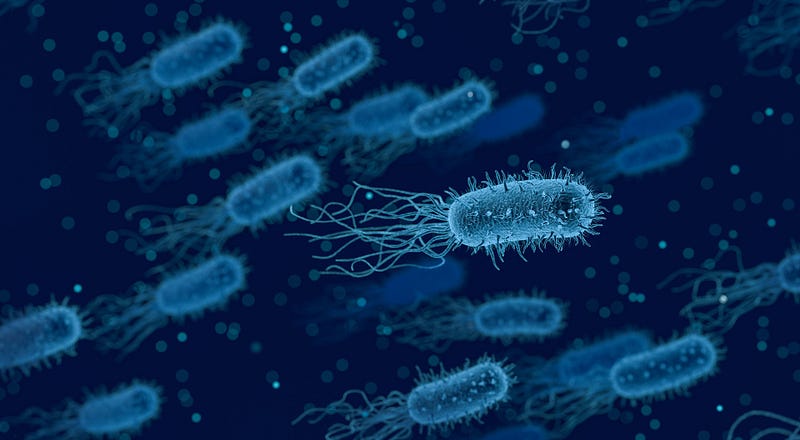
Do you believe me if I say, “there are trillions of tiny bacteria around and even inside you”? It’s true because they live everywhere, from freezing ice to the bubbling hot lava. Bacteria are microscopic, so they cannot be seen from your naked eyes. Though they have only a single cell, their total biomass is greater than all plants and animals combined. An individual human has ten times more bacterial cells than his human cells. Many of these bacteria are harmless, or some of them are even beneficial, blocking the harmful bacteria from entering your body, helping digesting, and immunity. However, there are a few harmful bacteria that can cause minor damage or even death. Fortunately, there are medicines to control bacterial infections.
What are antibiotics?
Antibiotics are a type of medication that fights pathogenic bacterial infections in people and animals.
Accidental Discovery of Antibiotics
Scottish physician-scientist Alexander Fleming examined nasty bacteria like Staphylococcus aureus, which can cause vomiting, boils, and even death in humans and horses. In 1928, Fleming found some of the bacteria in a Staphylococcus aureus culture were dead. Instead of throwing the sample away, he started to think about what might have caused some bacteria to die and the rest to live. After a lot of research and efforts in his lab, Fleming found out that some of his samples had been contaminated by a particular fungus which he then managed to grow himself. Being an ex-soldier in World War (I), he’d seen hundreds of soldiers die due to bacterial infections. Fleming figured that if the fungus could kill the bacteria in his sample, it might also kill bacteria in wounded soldiers. He was right! He named this mysterious but wonderful mold juice ‘Penicillin.’ This is how the antibiotics were discovered.
“I did not invent penicillin. Nature did that. I only discovered it by accident.”
-Alexander Fleming-
Though he was humble enough to say that nature invented penicillin, I'm afraid I disagree with him because only a great scientist like him can observe nature and find a solution to a long-lasting problem. His great discovery has saved the lives of millions of people as well as animals.
However, due to the misuse and overuse of antibiotics, some bacteria become resistant and difficult to tackle. For instance, some strands of Staphylococcus aureus, which cause many diseases from skin infections to fatal sepsis, have developed into Methicillin-Resistant Staphylococcus aureus (MRSA). They are now widespread among humans, and it’s becoming a huge health problem worldwide.
How do the antibiotics work?
Different antibiotics have different mechanisms of action. Somehow all of them will either kill bacteria or interrupt bacterial effects by blocking their growth and multiplication.
Antibiotics can be ingested;
- Orally (by mouth): They come as tablets, capsules, or liquids. All we have to do is swallow it, let it drop into the stomach, and distribute it through the bloodstream.
- Topically (applying the medication): This could be an ointment, gel, cream, spray, and eye or ear drops applied directly to the affected area.
- Intravenously (IV): Your doctor will inject antibiotics directly into your bloodstream to treat more severe infections.
What is meant by Antibiotic Resistance?
Today more and more antibiotics are becoming less effective. The problem is not with the antibiotics but with the bacteria. The reason behind this is based on Darwin’s theory of natural selection.
Individual bacteria can undergo random mutations that are useless or, unfortunately, harmful. While antibiotics kill the non-resistant bacteria, the resistant bacteria remain safe and pass on the mutated genes that helped them survive into other bacteria.
Thus, antibiotic resistance occurs when an infection responds poorly to an antibiotic that once could treat it successfully.
Also, we have to keep in mind that it’s the bacteria that become resistant to antibiotics, not the patient.
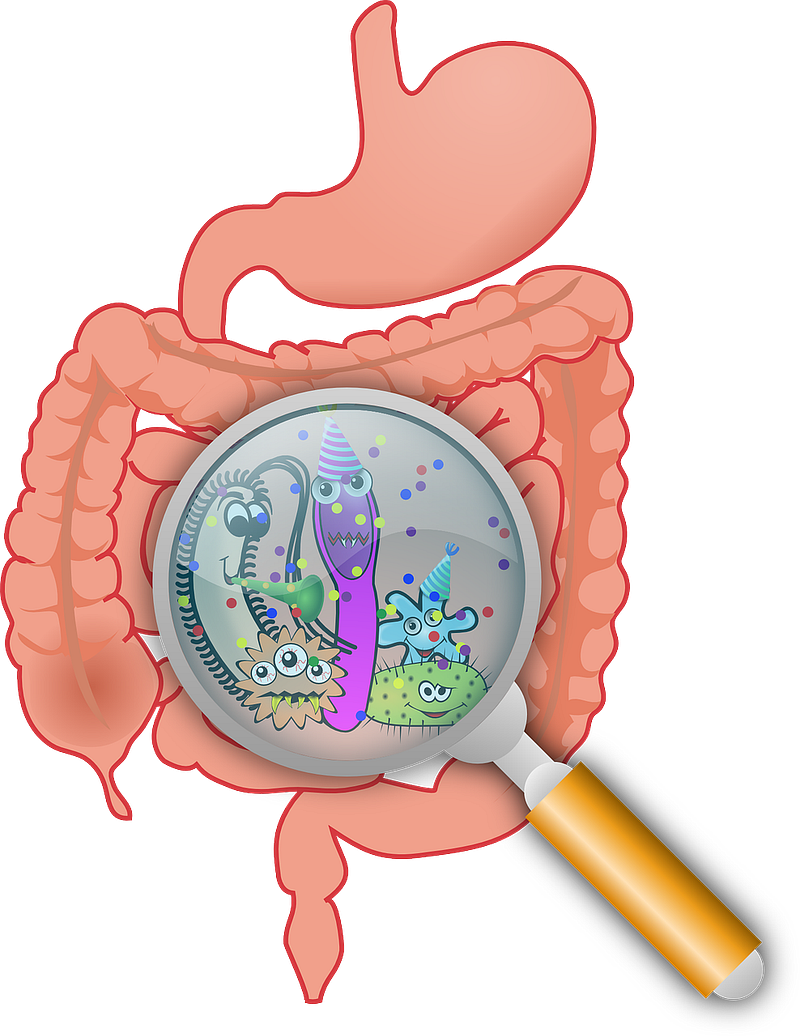
Another major drawback of antibiotic treatment is that most antibiotics cannot differentiate between good and bad bacteria. So, they affect not only the harmful bacteria but also the normal beneficial bacteria in your body. Damage to commensal bacteria, especially the healthy gut flora, will lead to unnecessary side effects.
Social myths about antibiotics are becoming the main reason for the spreading of antibiotics. So let’s clear the mess!
#1 Antibiotics work against viruses?
No, they don’t. Antibiotics are not capable of treating conditions like colds and flu caused by viruses. Some viral flu can be treated with anti-virals, but in some cases, only the symptoms can be treated like in Covid-19. The misuse of antibiotics for viral flu is one of the main reasons for antibiotic resistance.
Fact: Antibiotics are effective only against bacteria.
#2 Can I stop taking antibiotics when I feel better?
No, you can’t. Antibiotics are a course of medication. If you are suffering from a bacterial infection and your doctor prescribed antibiotics, you have to take them for the exact prescribed duration. Even if you start to feel better in a few days, there’s a risk of the bacteria continuously growing when you stop taking them in the middle of the course. Moreover, it’ll make the situation worse, as you can develop antibiotic resistance.
Fact: You should take antibiotics precisely for the prescribed duration.
#3 It’s okay to take someone else’s antibiotics?
Not at all. Most people tend to use their family members’ leftover medicines. Different bacterial infections are treated with other antibiotics. Therefore, the medication prescribed for your family member or your friend may not be the choice for you. It will be challenging to clear your infection later.
Fact: It’s always essential to take medicines prescribed by a doctor to yourself
#4 There won’t be any antibiotic resistance if I take them correctly?
False. This is the bitter truth of antibiotics. Even if you take them correctly as prescribed by the physician, bacteria can still develop resistance. Unfortunately, we haven’t discovered a better option that can replace every action of antibiotics yet.
Fact: We can’t stop developing antibiotic resistance
#5 Will it only affect me if I don’t take antibiotics correctly?
Nope, sorry. You can see the Covid-19 virus is taking the maximum advantage of not having a proper medication yet and is undergoing continuous mutations to produce super variants. The same thing happens with bacteria. When you stop taking antibiotics when you’re feeling well, but your infection has not been completely cleared out, bacteria inside your body can gain strength to produce more powerful new strains. Then they can be transmitted from you to others.
Fact: Misuse of antibiotics can affect others around you as well.
#6 Antibiotics will make oral birth control pills ineffective?
The only antibiotic proven to make birth control tablets ineffective is Rifampin, a drug used to treat Tuberculosis.
However, there is no evidence of large trials that show other antibiotics reduce effectiveness. A few case reports of birth control failure with other antibiotics have been reported.
So, two theories have been brought in to describe this situation.
1. Inaccurate use of birth control tablets.
2. Since there’s a possibility of antibiotics killing gut bacteria, it can affect the absorption of tablets and decrease their effectiveness.
Therefore, physicians advise to take extra precautions while taking antibiotics.
#7 Antibiotic resistance develops only with the repeated courses?
You’re mistaken again. Resistance may come in the package for free whenever you take an antibiotic, whether it’s a single course or multiple courses. So you already know the fact.
Fact: Even a single course of antibiotics can lead to resistance.
Thank you for making it this far in the article.
You all might have the same question now. Are there alternatives for antibiotics then?
Scientists are working hard to stay at least one step ahead of the bacteria and produce numerous alternatives to antibiotics. Thanks to their endless efforts, several antibiotics exist for treating specific diseases.
- Bacteriophage therapy
- Predatory bacteria
- Bacteriocins
- Competitive exclusion of pathogens
The advantage of these approaches is that only the disease-causing bacterium is targeted by the treatment and not the other good bacteria. Unfortunately, none of the above have proved to be efficient compared to antibiotic therapy. Hopefully, further development of these newer approaches will be able to solve the drawbacks of antibiotics.
Conclusion
Fake concepts about antibiotics have dramatically increased the spread of antibiotic resistance among humans. Even though the emergence of antibiotic resistance is inevitable, still, we can control the acceleration of the process by avoiding misuse and overuse of antibiotics. To help prevent the spread of antibiotic resistance, they must be taken correctly only when prescribed by healthcare professionals and when needed according to the current health guidelines.
Thank you for reading! Hope this was helpful.
Stay healthy! Stay happy!😃