avatarChristian Martinez Founder of The Financial Fox

Free AI web copilot to create summaries, insights and extended knowledge, download it at here

1569

Abstract

for maintaining credibility and making informed decisions.</p><figure id="f70e"><img src="https://cdn-images-1.readmedium.com/v2/resize:fit:800/1*P7nRaEzhbcPNl3mGU3Nvgg.png"><figcaption></figcaption></figure><h2 id="ec2a">Law of Predictive Analytics</h2><p id="fe00">In today’s data-driven world, the ability to accurately forecast financial outcomes is vital. This law emphasizes the importance of high-quality data for predictive analysis, a skill crucial for finance professionals to master in order to anticipate and navigate financial challenges and opportunities effectively.</p><figure id="dd26"><img src="https://cdn-images-1.readmedium.com/v2/resize:fit:800/1*3KlTjSA37O3MNzS7uqJtug.png"><figcaption></figcaption></figure><h2 id="f552">Principle of Cost Efficiency</h2><p id="045e">Recognizing the inverse relationship between complexity and efficiency in financial operations is key. Finance professionals should strive to simplify processes where possible, increasing efficiency and reducing unnecessary costs, which is essential for optimizing financial performance.</p><figure id="c2e3"><img src="https://cdn-images-1.readmedium.com/v2/resize:fit:800/1*t1o0C0YEpgiBJ4WJMZN45A.png"><figcaption></figcaption></figure><h2 id="b59e">Automation and Integration Law</h2><p id="db77">With the increasing role of technology in finance, understanding the importance of automation and system integration is critical. This law highlights how these elements can lead to greater operational efficiency, a core objective for any finance professional.</p><figure id="73d9

Options

"><img src="https://cdn-images-1.readmedium.com/v2/resize:fit:800/1*2B9lchY1nSRymNNi2xFinw.png"><figcaption></figcaption></figure><h2 id="c883">Principle of Digital Adaptation</h2><p id="0917">As digital innovations continue to transform the financial landscape, finance professionals must be adaptable and forward-thinking. Embracing digital change is essential for staying competitive and successful in financial transformation initiatives.</p><figure id="1784"><img src="https://cdn-images-1.readmedium.com/v2/resize:fit:800/1*ciLd9q4GslXpKtZ9ptYxPg.png"><figcaption></figcaption></figure><h2 id="54b2">Law of Stakeholder Engagement</h2><p id="1222">Engaging stakeholders is crucial for ensuring alignment and support in financial transformations. Finance professionals need to be adept in communication and collaboration, recognizing that stakeholder buy-in is key to the successful implementation of financial strategies.</p><figure id="ccf6"><img src="https://cdn-images-1.readmedium.com/v2/resize:fit:800/1*uR0bZiBV8X_yUfMWQ4ZWLQ.png"><figcaption></figcaption></figure><h2 id="4bc5">Principle of Scalability</h2><p id="9ef3">Understanding the need for scalability in financial systems helps finance professionals plan and build infrastructures that can grow with the organization. This foresight is critical in ensuring that financial systems are robust and adaptable to changing business needs.</p><figure id="ce73"><img src="https://cdn-images-1.readmedium.com/v2/resize:fit:800/1*EZ29WCxL_BeqDSpl5iNYmA.png"><figcaption></figcaption></figure></article></body>

7 Laws & Principles of Finance Transformation

As finance professionals, we’re constantly navigating through a dynamic and challenging landscape and trying to transform our finance function.

But what if we had a roadmap to guide us through these complexities?

Btw, if you are starting in finance transformation read this first.

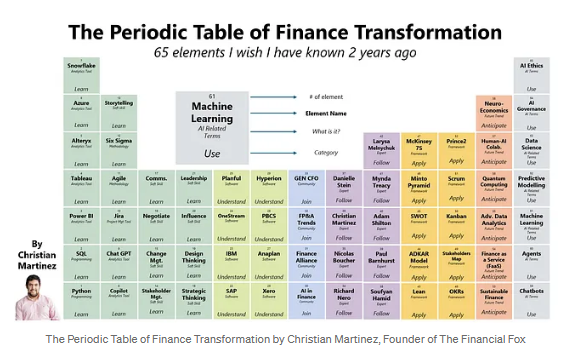
Sneak peak: it’s a carefully curated compilation of 65 essential elements that are fundamental to driving change and innovation within the finance function of any organization.
7 Laws & Principles of Finance Transformation

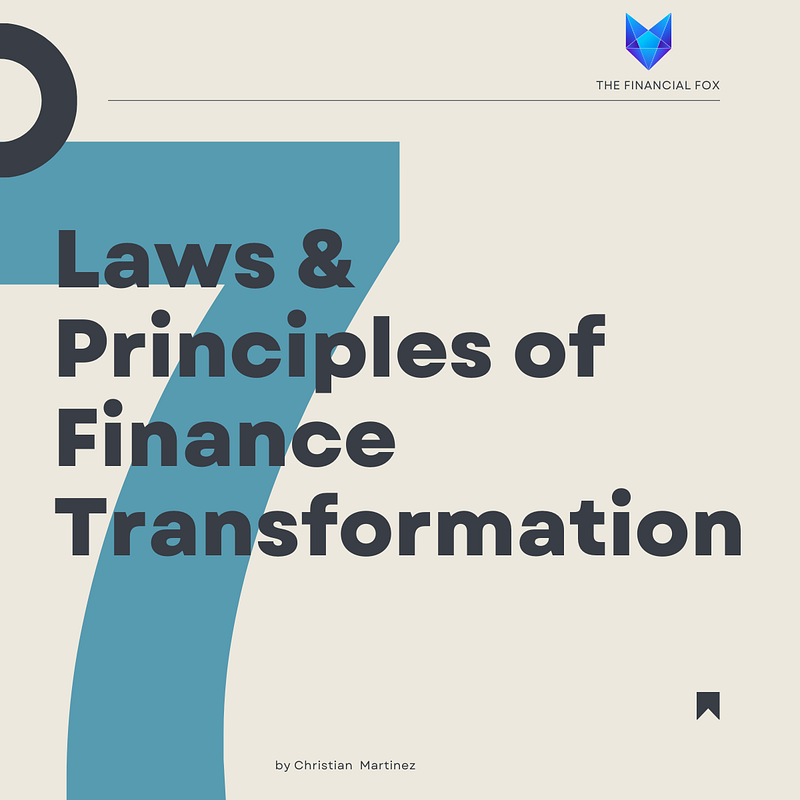
Here are the seven laws and principles:

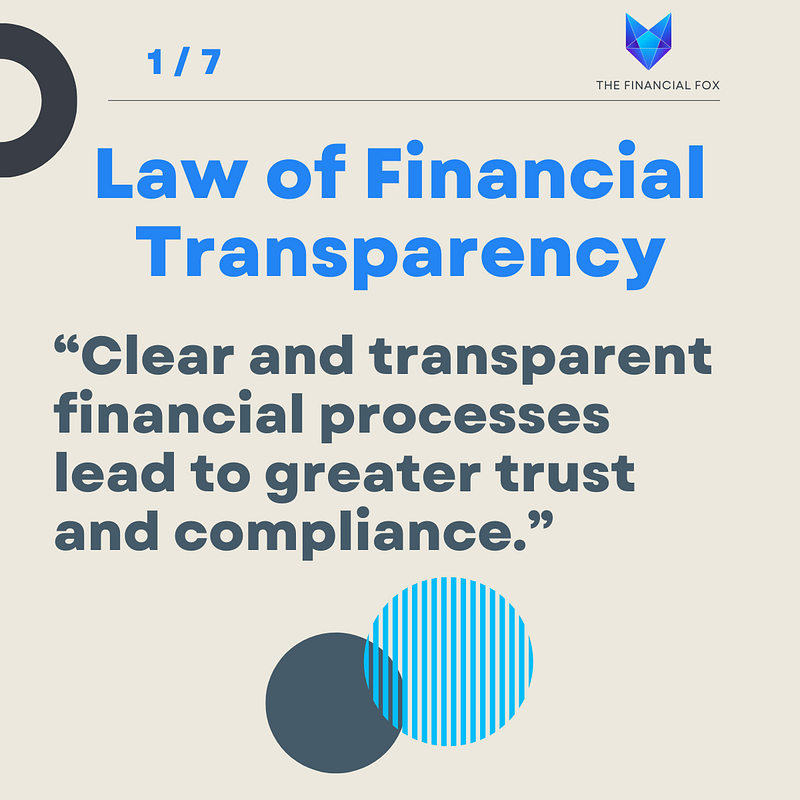
Law of Financial Transparency

Finance professionals must foster trust and compliance within their organization and with external stakeholders. By understanding and applying this law, they can ensure that financial processes are clear and transparent, which is essential for maintaining credibility and making informed decisions.
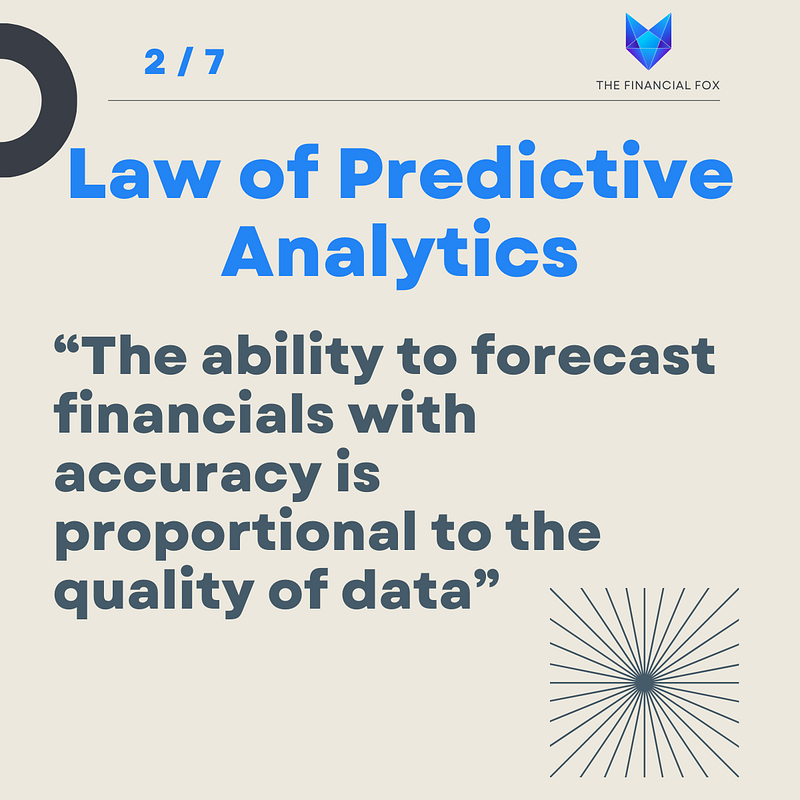
Law of Predictive Analytics

In today’s data-driven world, the ability to accurately forecast financial outcomes is vital. This law emphasizes the importance of high-quality data for predictive analysis, a skill crucial for finance professionals to master in order to anticipate and navigate financial challenges and opportunities effectively.
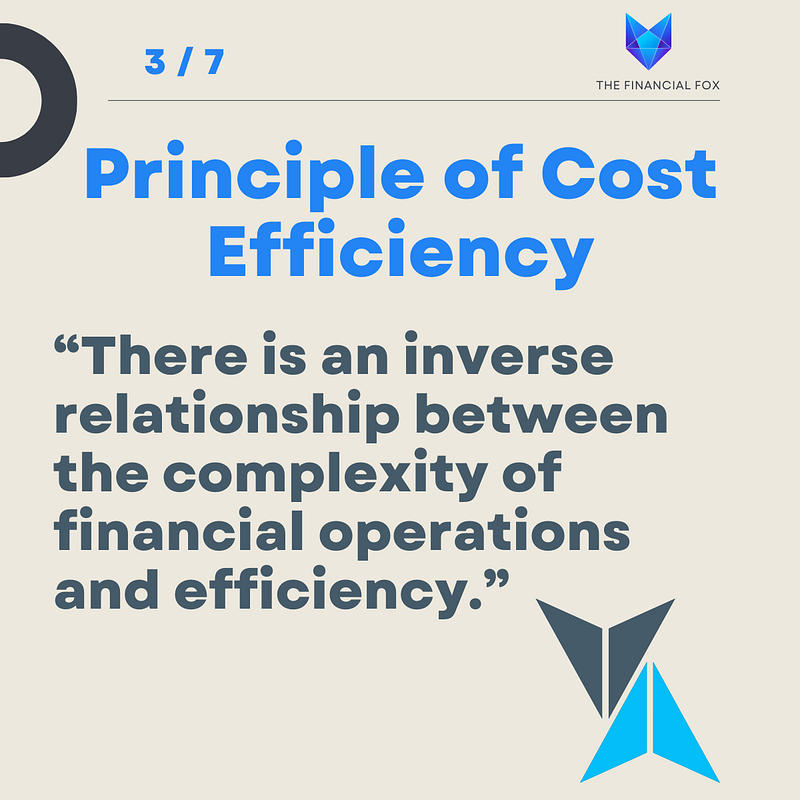
Principle of Cost Efficiency

Recognizing the inverse relationship between complexity and efficiency in financial operations is key. Finance professionals should strive to simplify processes where possible, increasing efficiency and reducing unnecessary costs, which is essential for optimizing financial performance.
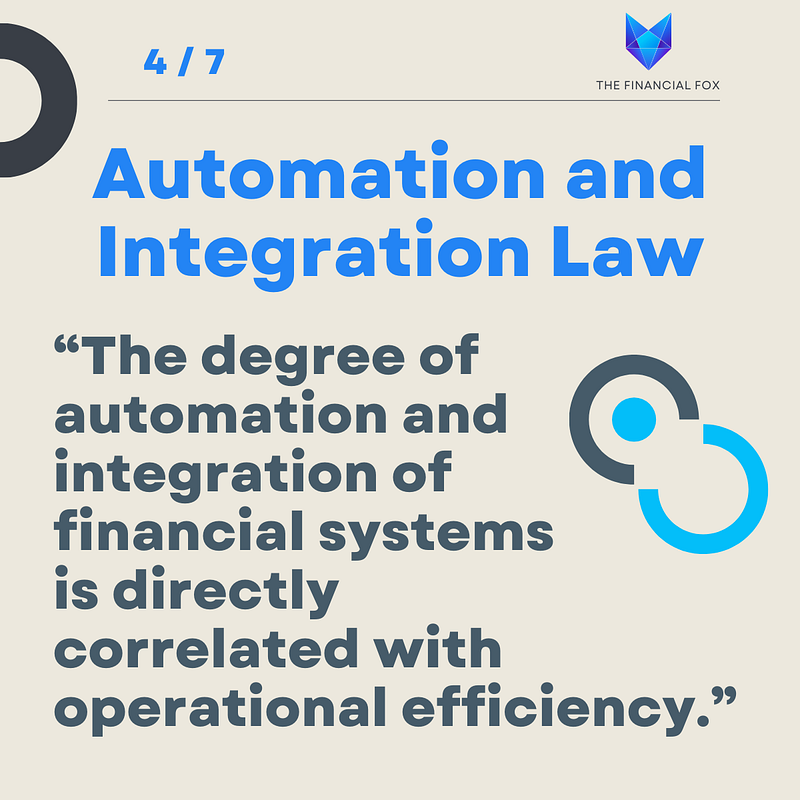
Automation and Integration Law

With the increasing role of technology in finance, understanding the importance of automation and system integration is critical. This law highlights how these elements can lead to greater operational efficiency, a core objective for any finance professional.
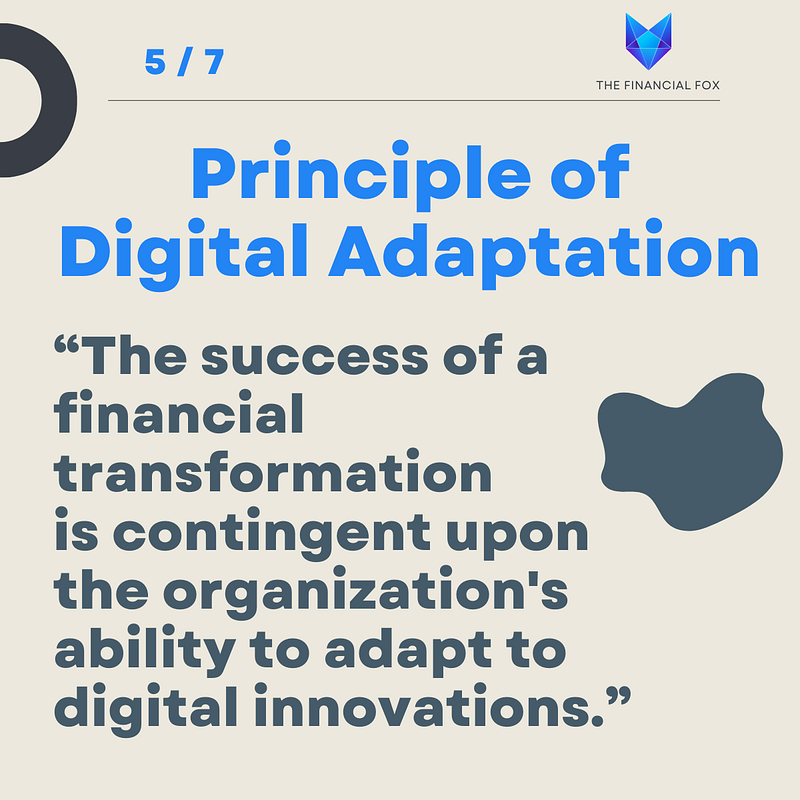
Principle of Digital Adaptation

As digital innovations continue to transform the financial landscape, finance professionals must be adaptable and forward-thinking. Embracing digital change is essential for staying competitive and successful in financial transformation initiatives.
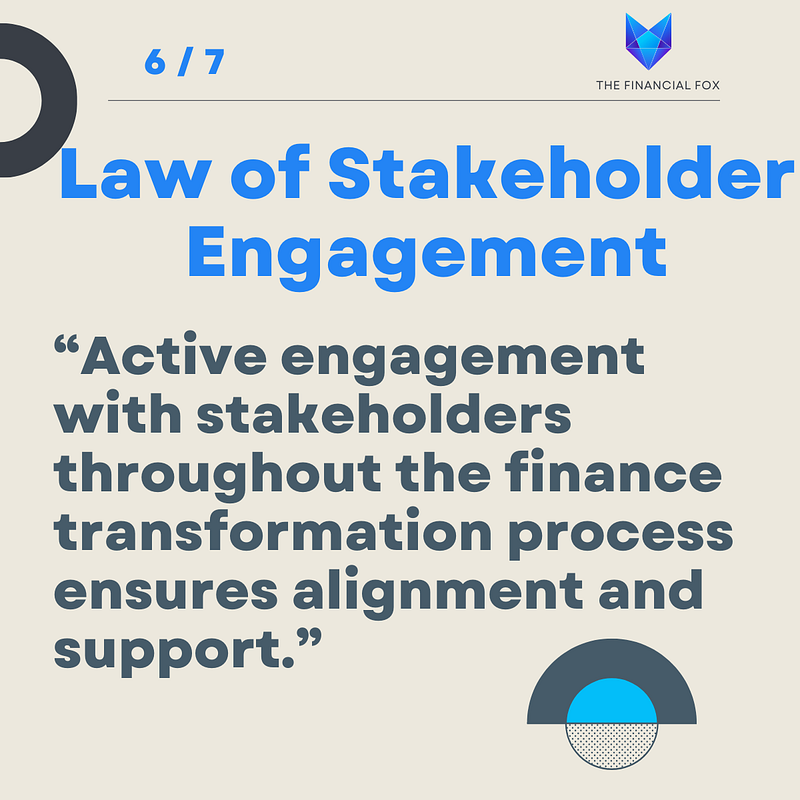
Law of Stakeholder Engagement

Engaging stakeholders is crucial for ensuring alignment and support in financial transformations. Finance professionals need to be adept in communication and collaboration, recognizing that stakeholder buy-in is key to the successful implementation of financial strategies.
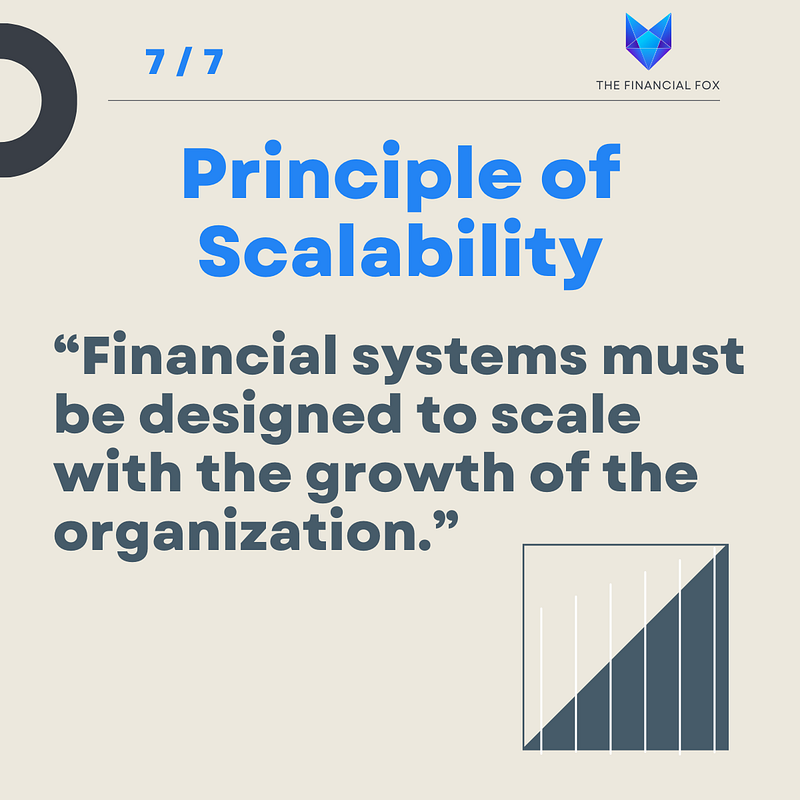
Principle of Scalability

Understanding the need for scalability in financial systems helps finance professionals plan and build infrastructures that can grow with the organization. This foresight is critical in ensuring that financial systems are robust and adaptable to changing business needs.
Finance
Digital Transformation
Transformation
Corporate Culture
Corporate
Recommended from ReadMedium