
Exposing 7 Hottest Secrets About What Is Cholesterol In Food: They Are Still Keeping From You
Understanding cholesterol in food is important because it plays a crucial role in maintaining good health. Cholesterol is a waxy, fat-like substance that is essential for the body to function properly. It is used to make hormones, vitamin D, and other important molecules.
However, too much cholesterol has been labled to lead to plaque buildup in the arteries, hence increasing the risk of heart disease, stroke, and other health problems. The question now arises, is this true or is it just an idealogy bias?
The 7 hottest secrets related to cholesterol in food include:
- Plant sterols and stanols lower cholesterol levels by inhibiting its absorption in the intestines.
- Egg yolks are high in cholesterol, but they also contain nutrients like lutein and zeaxanthin that may reduce the risk of eye diseases.
- Nuts and seeds are rich in healthy fats and fiber, which can help lower cholesterol levels.
- The type of fat in food matters - saturated and trans fats raise cholesterol levels, while monounsaturated and polyunsaturated fats do not.
- Drinking red wine in moderation may have some benefits for heart health, thanks to compounds called polyphenols.
- Fish oil supplements may help lower triglyceride levels, another type of fat in the blood.
- Limiting processed meats like hot dogs and sausages can help reduce the risk of heart disease and other health problems.
By understanding these secrets and incorporating them into your diet, you can take steps to maintain healthy cholesterol levels and reduce your risk of chronic diseases.
Understanding Cholesterol
Cholesterol is a waxy, fat-like substance that is produced by the body and found in all cells. It is an essential component of cell membranes and plays a critical role in the production of hormones, vitamin D, and certain types of fats. Cholesterol is also involved in the transportation of fat throughout the body.
There are two main types of cholesterol:
high-density lipoprotein (HDL) and low-density lipoprotein (LDL). HDL is commonly referred to as "good" cholesterol because it helps remove LDL, or "bad" cholesterol, from the bloodstream and reduces the risk of heart disease. On the other hand, LDL cholesterol is considered "bad" because it contributes to the formation of plaque in the arteries, which increases the risk of heart disease, stroke, and other cardiovascular problems.
Studies however have shown that even LDL cholesterol has a lot of advantages such as repair of arteries, promoting the integrity of phospholipid by-layer in cell membranes and production of hormones.
Recent studies have also shown that LDL absence can greatly affect your health due to the so many functions they perform in the body. It is worth noting that there are two types of LDL, namely, small particle LDL and large particle LDL. Large particle LDL should not be linked to choronary heart disease because they can not move across epithelial cells due their size.
On the other hand, small particle LDL is linked to heart disease but not necessarily that it is the cause. Its main function is to repair blood vessels exposed to oxidative stress and inflammation and if too much damage has been rendered, this LDL endevers to repair the damage created and hence accumulation of plaque. This is more of a surviving mechanism.
It’s important to maintain a healthy balance of cholesterol in the body through a combination of a balanced diet, regular exercise and intermittent fasting. Eating foods rich in fiber, nuts, seeds, and omega-3 fatty acids can help increase HDL cholesterol levels, while consuming too much saturated and trans fats can increase LDL cholesterol levels. Regular exercise can also help reduce LDL cholesterol levels and increase HDL cholesterol levels.
It is worth of note that saturated fat only increases large particle LDL and as earlier said, this type of LDL does not penetrate blood vessels due to their size. Food culprits include sugars, soy bean oil, trans fats vegetable oil which form small particle LDL able to penetrate epithilial cell into blood vessels.
Unveiling the Secrets
Secret 1: Dietary cholesterol is not the only factor that affects blood cholesterol levels. While consuming too much dietary cholesterol can raise blood cholesterol levels, it is important to note that the body can also produce cholesterol. Other factors such as genetics, age, gender, weight, physical activity level, and lifestyle choices can also play a role in determining blood cholesterol levels.
Secret 2: Cholesterol is found in many everyday foods, including meats, dairy products, eggs, and certain vegetable oils. It is important to keep track of your cholesterol intake and mind which type cholesterol foods to keep in moderation.
Secret 3: Saturated and trans fats are known to raise cholesterol levels. Saturated fats are found in fatty meats, butter, cheese, and coconut oil, while trans fats are mainly found in processed foods such as cakes, cookies, crackers, and margarine. So it depends on which type of fats you would want to limiting to help lower cholesterol levels.
Secret 4: High cholesterol levels can increase the risk of heart disease, stroke, and other cardiovascular diseases. A diet low in small particle cholesterol such as trans fats, along with regular exercise, a healthy lifestyle, intermittent fasting can help reduce the risk of developing these conditions.
Secret 5: Cholesterol levels have also been linked to other health conditions such as diabetes, obesity, and certain types of cancer. Keeping cholesterol levels in check can help prevent or manage these conditions. It should be noted that Cholesterol is not really a problem but which type of cholesterol LDL type involved is to some degree.
Debunking Myths
Here are some common misconceptions about cholesterol in food and busting the myths surrounding them:
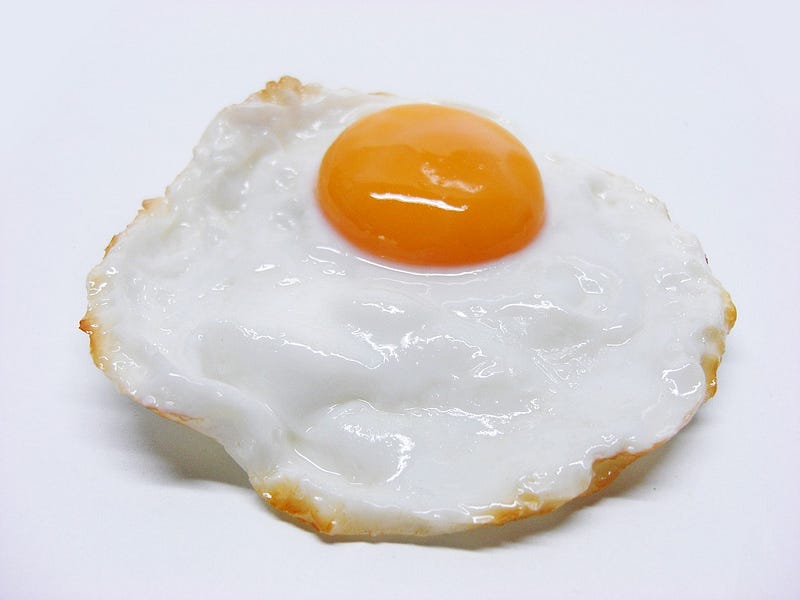
- Eggs are high in cholesterol and should be avoided: This is a common myth, but it’s not entirely true. While eggs do contain cholesterol, they also contain nutrients like protein, vitamins D and B12, and minerals like selenium. Eating 2 or 3 eggs per day is generally considered safe for most people.
- Butter is bad for your heart because it’s high in cholesterol: Again, this is a common myth. While butter does contain cholesterol, it’s also a rich source of healthy fats like saturated and monounsaturated fat. These fats are important for maintaining optimal heart health.
- Plant-based foods don’t contain cholesterol: This is another popular myth. In fact, many plant-based foods do contain small amounts of cholesterol. For example, avocados, nuts, seeds, and certain types of oils all contain cholesterol.
- Cholesterol from food has no effect on blood cholesterol levels: This is a big myth that needs to be busted. However, we should note that 80% of cholesterol in the body come from carbohydrates and only 20 is from fat, The liver is reponsible for manufacturing such cholesterol. The cholesterol we consume in our diet can indeed affect our blood cholesterol levels. However, how much it affects us depends on other factors like our genetics, lifestyle, and overall diet.
While there are some truths to the myths surrounding cholesterol-rich foods, it’s important to remember that moderation and balance are key when it comes to eating for optimal health.
Conclusion
Cholesterol is a crucial component of our bodies, but consuming too much of it can lead to health problems like high blood pressure and heart disease. Here are the 7 hottest secrets about cholesterol in food that you need to know:
- Eggs are not as bad for you as they’re made out to be. While eggs do contain cholesterol, they also contain nutrients like protein and vitamins that are essential for our health.
- Plant sterols and stanols can help lower cholesterol levels. These compounds are found in foods like nuts, seeds, and vegetable oils, and can reduce the absorption of cholesterol in our bodies.
- Saturated fats raise cholesterol levels, while unsaturated fats do not. So, but we should be careful because there are different typses earlier discussed at the onset of this article. Fat in meats and butter can have proved to be beneficial in ketogenic diets and they do not affect the small particle LDL which penetrate the blood vessels.
- Dietary fiber can help lower cholesterol levels. Foods rich in fiber, such as fruits, vegetables, and whole grains, can help keep our digestive system healthy and reduce the risk of heart disease.
- Drinking red wine in moderation can actually be good for your heart. Resveratrol, a compound found in red wine, has been shown to have anti-inflammatory and antioxidant properties that can help reduce the risk of heart disease.
- Salt raises blood pressure and increases the risk of heart disease. So, it’s important to limit our salt intake and opt for low-sodium options when possible.
- Eating trans fats can increase LDL (bad) cholesterol levels and decrease HDL (good) cholesterol levels. Trans fats are commonly found in processed foods like baked goods and snacks, so it’s important to avoid them or limit our intake. In conclusion, making informed dietary choices is crucial for maintaining a healthy heart. By prioritizing heart-healthy eating habits, we can reduce our risk of developing chronic diseases like heart disease and live a longer, healthier life.
Takeaway
By understanding the 7 hottest secrets about cholesterol in food, you can make informed choices to maintain a healthy heart and overall well-being. Don’t let these secrets be kept from you any longer – take control of your diet and prioritize your health.
The changing perception of >cholesterol< from vallian to hero.