
7 Foods That Look Healthy, But Aren’t
When did we start dying bread?
Eating healthier can be hard enough already, we know to avoid processed foods and quick snacks in favour of fruit and vegetables, but how are we supposed to know about the calorie landmines that lay beneath the surface. Here are 10 foods that are all guilty of looking healthy, but end up being criminally deceptive.
Margarine

Looking to ditch the butter in favour of a lower-calorie substitute? Or maybe you are looking for a vegan alternative to butter and so margarine was the obvious choice? Perhaps you should reconsider.
Margarine was made as a cheap alternative to butter, however, the ingredients to make it can wreak havoc on your body. To create a texture that consumers wouldn’t refuse, manufacturers started to hydrogenate vegetable oil; this higher saturation level meant that the fats present were far more solid and ‘sticky’ in the body, reducing your natural circulation levels and sending your blood pressure skyrocketing. The traditional method was outlawed along with trans fat, but modern margarine still retains varying levels of saturated vs unsaturated fats that can cause similar issues.
Granola
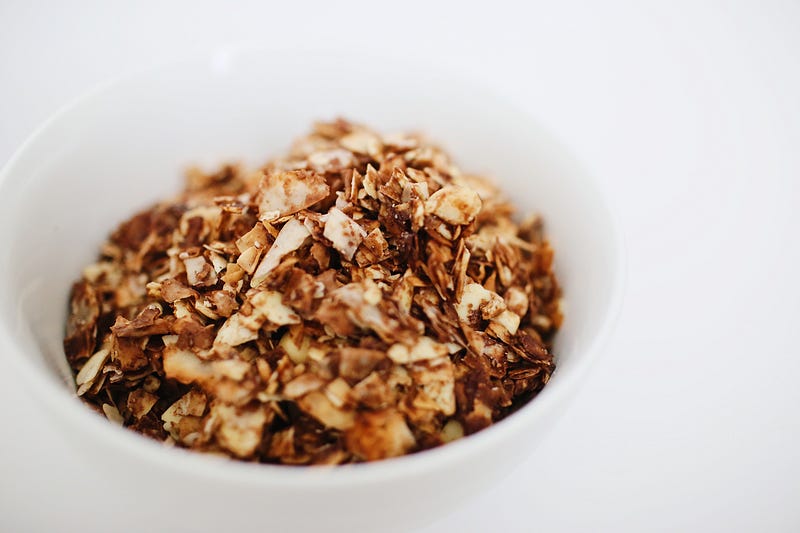
Granola, muesli and other oats have all been touted as a revolution in our morning meals, promising nutritional benefits that can both keep our hunger at bay, as well as our waistline. However, in reality, granola is very calorie-dense, so being heavy-handed with the portion scoop in the morning adds a significant number of additional calories you may not even be aware of.
If you decide that the extra calories are worth the crunchy goodness, then try searching for a low sugar option, or maybe try a more traditional oat-based breakfast.
Fast-food salads
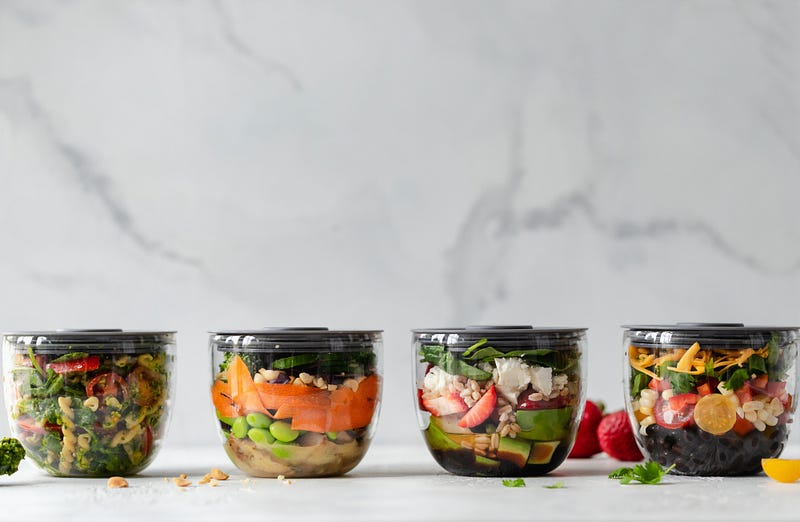
Fast-food salads are a sinister creation, they let you believe you are eating a healthy snack and subverting your cravings all at once. They are full of colour and flavour and they even go as far as to make them affordably cheap when compared to a normal meal. However, it is all a lie.
If you order a southwest salad with dressing and chicken from McDonald's, a common menu item, you will be consuming 520 calories; to give some perspective, a typical cheeseburger from the same location will set you back 260 calories. That salad option isn’t sounding so healthy anymore.
Brown bread
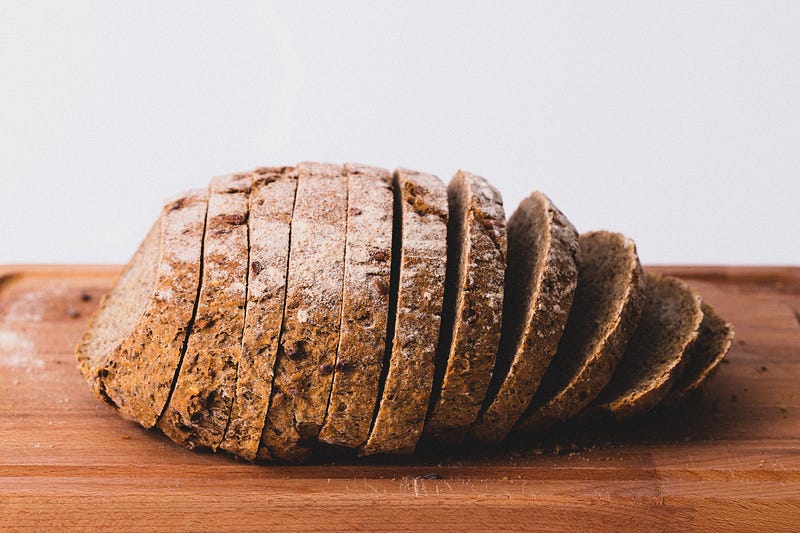
If you are feeling especially confused by the addition of brown bread, then do not despair, this is not whole-wheat bread. If it was, then it would be nowhere near this list, however, bakers and manufacturers have developed a sneaky trick that can ruin your calorie goals that involves pouring literal sugar into the mix!
Since whole-wheat flour is more expensive to produce, bakers have started adding caramel colouring to white bread to make it appear brown. This caramel colouring is devised from sugar and is very hard to spot on the shelf, leaving the consumers to guess at the health benefits of each loaf of bread they see. In general, the easiest way to determine if it is whole-wheat is to check the fibre content — a real loaf will have a fibre to carbohydrate level of higher than 1 to 10.
Rice Cakes

Ordinary rice cakes have the potential to be very handy weight loss aids, however, the type you buy and what you top them with can make all the difference.
One rice cake can be as little as 35 calories per cake, an impressively low number for such a large looking piece of food, however, a different rice cake topped with a small amount of chocolate boosts that number to 87 calories, or higher with added corn syrup.
Fruit Juices
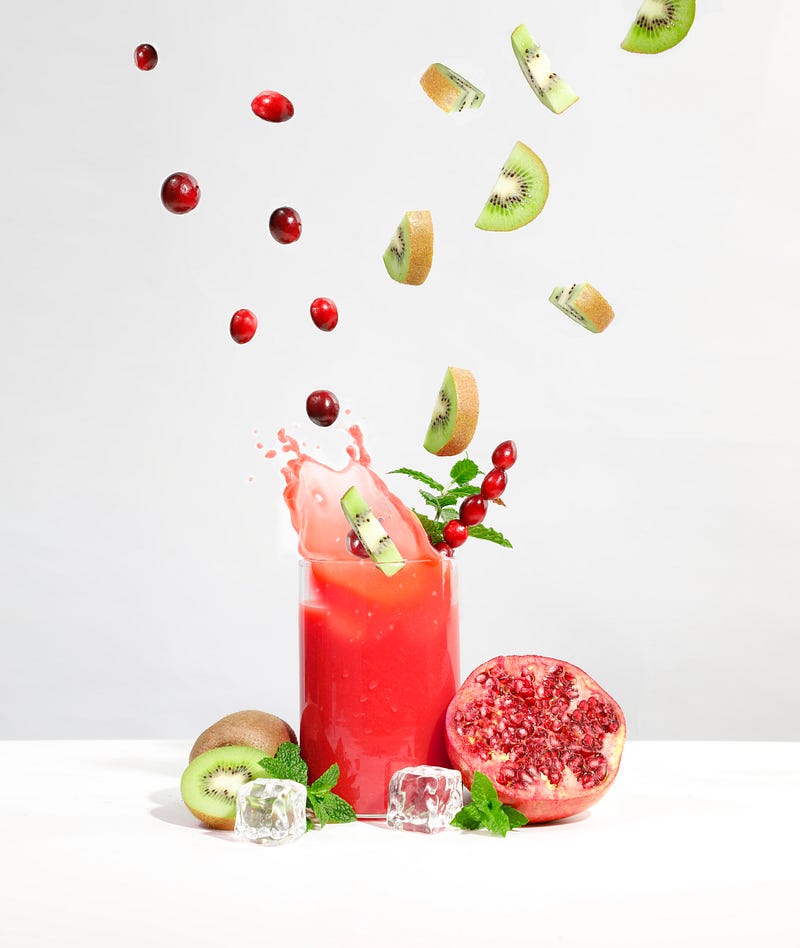
Another surprising entry to the list of hidden dangers is fruit juice, or as it should be called — sugar water.
Normal fruit is typically healthy because of the fibre and vitamins it holds, however juiced fruit contains none of the fibre, but all of the sugar. Fibre slows down the metabolism of sugar and so, without it, the sugar goes directly into the blood and can cause blood sugar spikes that are deadly if you are diabetic and just plain bad for everyone else. Stick to the whole fruit if you can, since you would be able to have an entire can of soda for the same amount of calories as the average fruit juice.
Energy Drinks
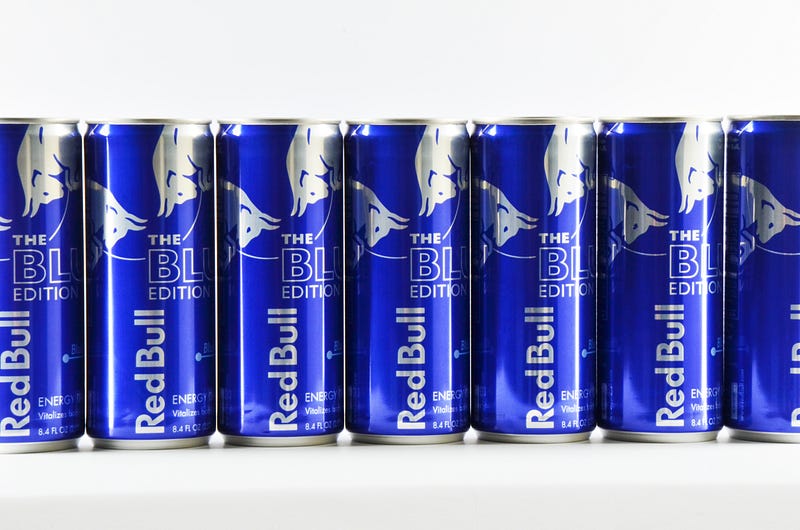
Looking for a pick-me-up to get through the night and you are all out of coffee? Maybe try a tea instead, because these energy drinks are so loaded with sugar and caffeine that they are actually dangerous.
Usually, when ingesting caffeine, it is done slowly through sips of coffee or tea, however, the carbonation and sugar in a typical energy drink leads to massive overconsumption, especially in such short timeframes. Combine this with the property of sugar that boosts caffeine absorption and you have a very real danger of putting incredible stress on your organs, not to mention the calories they contain being off the charts.
The Bottom Line
Assuming something is healthy based purely on the calories they give rarely gives the full picture, and to really understand if something is healthy you have to spend way too long on the internet browsing nutritional labels. Instead, just try to focus on fresh, whole foods and stay away from things that have been in a factory. After all, how many healthy foods come from a machine?


