
7 Foods (Most) People Eat Weekly in Scandinavia
And why they’re mainstream
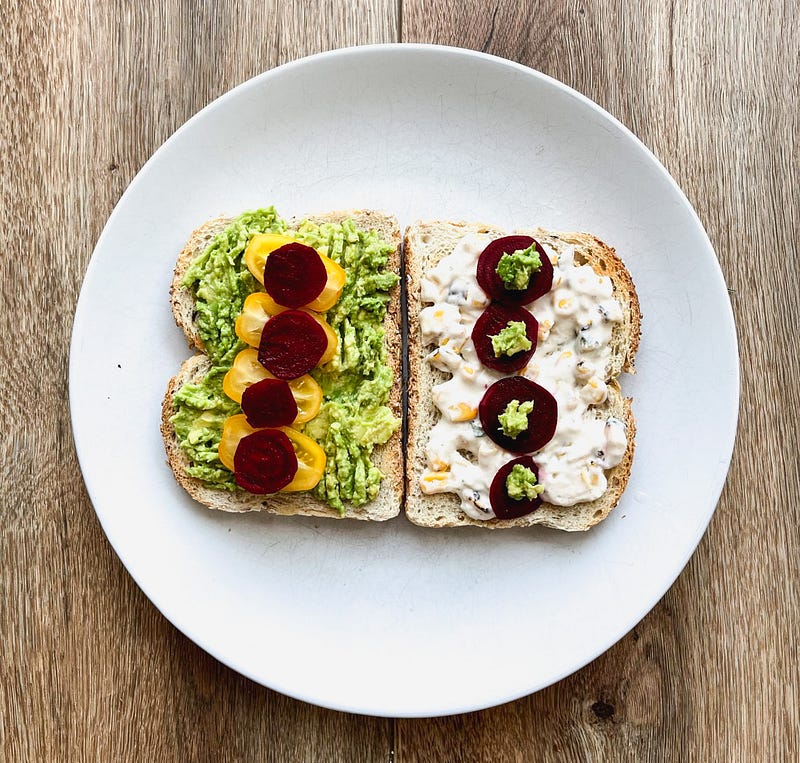
Scandinavians have quite a few food habits.
We truly believe in breakfasts, starting the day on anything but an empty stomach. We also eat more than three meals a day.
Breakfast, lunch, dinner and then a light evening meal, although the ingredients may be a bit boring (bread, normally), it’s a meal we’re excited to consume. As a kid, I always looked forward to the last meal of the day. Maybe because I’ve always loved food.
What all these meals throughout the day comprise varies, as it should. But there are also some foods most people in Scandinavia eat regularly. If not daily, at least weekly.
Starting with the a.m.
Bread and crispbread
Bread and crispbread are as mainstream as it gets. The latter is high in fiber and keeps you full for hours.
I don’t go a day without at least one meal consisting of either a slice of bread or a crispbread with cheese, or a more exciting topping like in the featured photo. Same with my kids, and my husband.
It was also the same growing up, and not just in my childhood home. Sleepovers with friends, come morning and parents would prepare a simple breakfast with bread and whichever topping was available in the fridge. And for school lunches, everyone brought a packed lunch with…bread.
For those particularly interested, I’ve devoted a whole article to the typical lunch Norwegians eat.
As for crispbread: A true pantry staple in most Scandinavian households, and I still remember the excitement when I found Wasa’s version in grocery stores in the United States. It made my week.
Bananas
If Scandinavians snack, it’s on fruit. Sometimes nuts. Snack bars aren’t too common. I noticed them popping up on grocery store shelves last time we visited, but bananas — they beat all processed snacks.
People from ages 0–95 will eat bananas.
Bananas first arrived in Europe in 1905, with the first shipment coming to Norway, according to Culture Trip. And we haven’t stopped eating it.
It’s one of the first foods the pediatricians recommend you give to your kids. It’s a frequent snack in daycare, and it’s a common complement to your lunch in high school. From there, it continues.
If you visit a Scandinavian, odds are you’ll find bananas in the house. Why? It’s a tasty, reasonably priced, filling fruit. As easy and simple as that.
Also worth mentioning: Sweden has a thing for bananas that tend to go viral now and then. They love bananas on their pizza. My dad is a true Swede, and I can attest it’s real. They really do love it, but for some odd reason, I do not get it. Must be the Norwegian in me.
Chocolate (the dark kind)
It may not be great for your body, but this is an honest story.
We don’t always eat super healthy and super clean. Although according to research featured in Hopkins Medicine, the antioxidants in dark chocolate have been shown to lower blood pressure, reduce the risk of clotting and increase blood circulation to the heart.
Having a balanced relationship with dark chocolate, in particular, may not be the worst idea in the world. Scandinavians generally eat more chocolate than many people from other corners of the world.
But hey, who can resist dark chocolate?
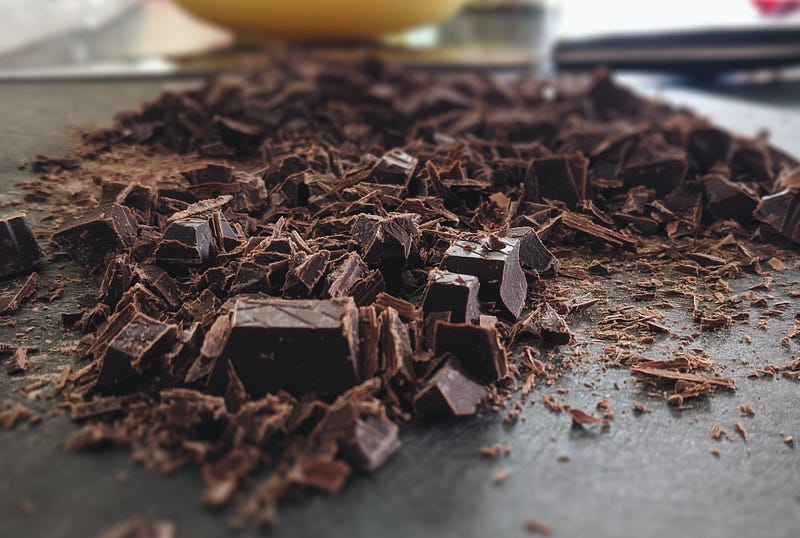
Both Norway (14.6 lbs.) and Sweden (11.9 lbs.) are on the top 10 list of countries consuming the most chocolate per capita, and I’m not the least surprised. A very common way to consume it is by having a square or three with black coffee after dinner. Kind of like a light dessert.
As my mom would say while munching on chocolate: “It’s good for you!”
Fish
Often salmon or cod.
Sometimes, it comes as something we call “fish cakes”, and there are also “fish balls.” Both are popular dinners for little kids. It’s processed, but still nothing like fish sticks.
Nordic people try their best to simplify everything, and this includes dinners. Baked fish and roasted vegetables are common and healthy, and it doesn’t take too long to make.
Why it’s mainstream: The primary protein sources in the Nordic diet are oily fish, such as Norwegian salmon, but a tomato-based mackerel you put on a slice of bread is common. The topping contains both protein and essential fatty acids. The bottom line, it’s healthy, and most Scandinavians care about their health.
Side note: Salmon is also cheaper in Norway than in the United States.
Oats
Scandinavians love their oatmeal.
Especially with rising costs, this is a go-to for many individuals and families. Eating this for breakfast keeps me full without the need for snacking. It’s simple to make and affordable.
According to Everyday Health, it’s an ideal source of fiber. The fiber in oats is good for your overall health, but it’s particularly important for a well-functioning digestive system. WebMD states that eating oats is linked to an average 7 percent drop in LDL cholesterol. It also lowers blood sugar levels, provides antioxidants, it helps promote healthy bacteria in your gut, to name a few.
I’ll take it.
Berries
All kinds of berries.
My kids love blueberries, so that’s the go-to in our house these days. And when they’re not in season locally, like now, I often buy them frozen and make smoothies.
Nothing, though, beats hand-picked berries from the forest. This is among my favorite nostalgic childhood memories.
Eating lots of berries is also an important aspect of the Nordic diet, and not just because they taste good and can be locally sourced depending on the season. Berries are a good source of anthocyanins, which can help lower blood pressure and make blood vessels more flexible.
Where I live now, there aren’t easily accessible berries growing in the wild, but we have a raspberry bush in our yard that’s getting bigger every season, currently covered in frost.
Root vegetables
Root vegetables grow well in colder climates.
The Nordic diet is all about seasonal food. The problem is, it’s often very cold in this part of the world.
If you can grow tomatoes in Norway, you’re a professional farmer/gardener. There isn’t an abundance of options when it comes to locally sourced vegetables. Even during the summers, you have significantly fewer options than places with warmer climates.
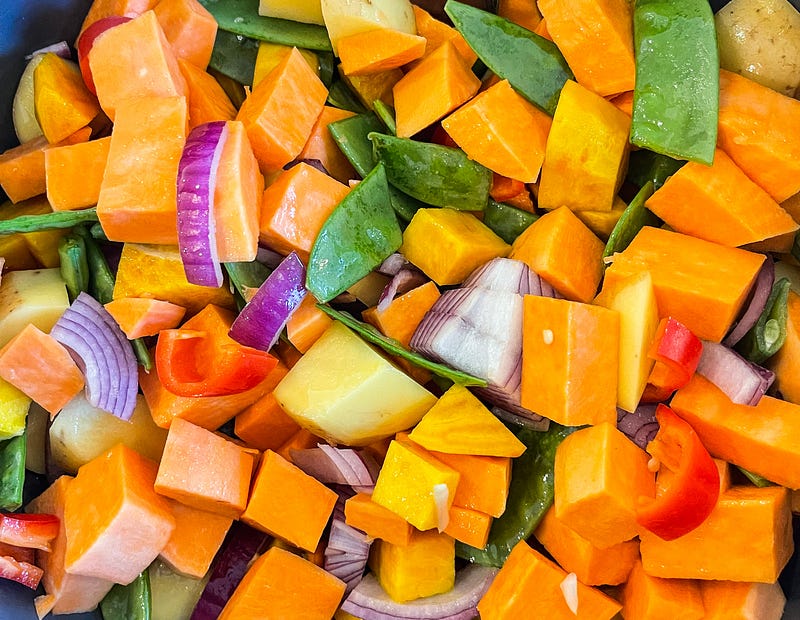
Root vegetables, however, such as carrots, beets, and parsnips, thrive in the Nordic weather. Scandinavians are very much about common sense and logic. So when something grows well locally and is healthy for you, you consume it.
Tons of it.
The Nordic Diet consists mostly of clean foods. We like foods that are simple to prepare, somewhat affordable, and healthy. That being said, we also enjoy a piece of dark chocolate to go with our black coffee.
It’s about having a healthy balance.
After moving to the United States, where there are more options, I’ve personalized my diet to what I enjoy eating, which is also somewhat healthy. Simple in every aspect of life, food included.


